What are your key focus areas? *
AI Workflow and Operations
Data Management and Operations
AI Governance
Analytics and Insights
Observability
Security Operations
Risk and Compliance
Procurement and Supply Chain
Private Cloud AI
Vision AI

Tell us about you and your priorities so we can prepare the right conversation. It takes about 2 minutes.

Application release engineering explained: branching, pipelines, rolling, blue/green and canary releases, tooling and DORA metrics for enterprise ...
Agentic process automation in logistics and supply chain: where APA beats RPA, which processes suit it, the controls it needs and how to adopt it.
Application modernization explained: the seven migration strategies AWS lists, how to choose between them, the steps to follow and where AI agents ...
DataOps as a service is a managed way to run pipelines, quality checks and monitoring. See what it includes, how it works and when to buy or build.


Featured Series
Holistic and user-focused, service design aligns processes, systems, and touchpoints to create seamless and meaningful experiences
Application release engineering explained: branching, pipelines, rolling, blue/green and canary releases, tooling and DORA metrics for enterprise ...
Agentic process automation in logistics and supply chain: where APA beats RPA, which processes suit it, the controls it needs and how to adopt it.
Application modernization explained: the seven migration strategies AWS lists, how to choose between them, the steps to follow and where AI agents ...
DataOps as a service is a managed way to run pipelines, quality checks and monitoring. See what it includes, how it works and when to buy or build.
Conversational UI best practices for enterprise teams: how CUIs work, design rules, governance, current tools and when not to use a chatbot.
Real-time intelligence turns streaming events into decisions in seconds. See the architecture, use cases, trade-offs and how to govern automated ...
Shift left testing explained for engineering leaders: how it differs from late testing, pipeline stages, adoption steps, limits and the role of AI ...
Site reliability engineering explained for enterprise leaders: SLIs, SLOs, error budgets, toil limits, on-call rules, SRE vs DevOps and how to adopt ...
WebAssembly explained: how Wasm works with JavaScript, its core concepts, sandbox security, Wasm 3.0 and WASI, and when enterprise teams should use ...
A data strategy sets out the people, processes and technology needed to use data for business goals. See the 7 key elements, a roadmap and agent ...
A governed data lake in 2027: table formats, catalogue access control, lineage, quality, retention and rules for AI agents that read and write lake ...
Software testing automation trends in 2027: AI-assisted tests, agent loops, parallel runs, how Selenium and Playwright compare, and how to choose ...
User experience design explained for enterprise teams: principles, the five-stage process, accessibility, tools and how to adopt UX with AI agents.
Functional programming explained: pure functions, immutability, higher-order functions and composition, how it compares with OOP, and how AI agents ...
Stateful vs stateless applications explained: how they differ, when to use each, how Kubernetes runs them, and best practices for architects.
User acceptance testing explained: what UAT is, who runs it, alpha and beta types, entry and exit criteria, a checklist, tools and where AI agents ...
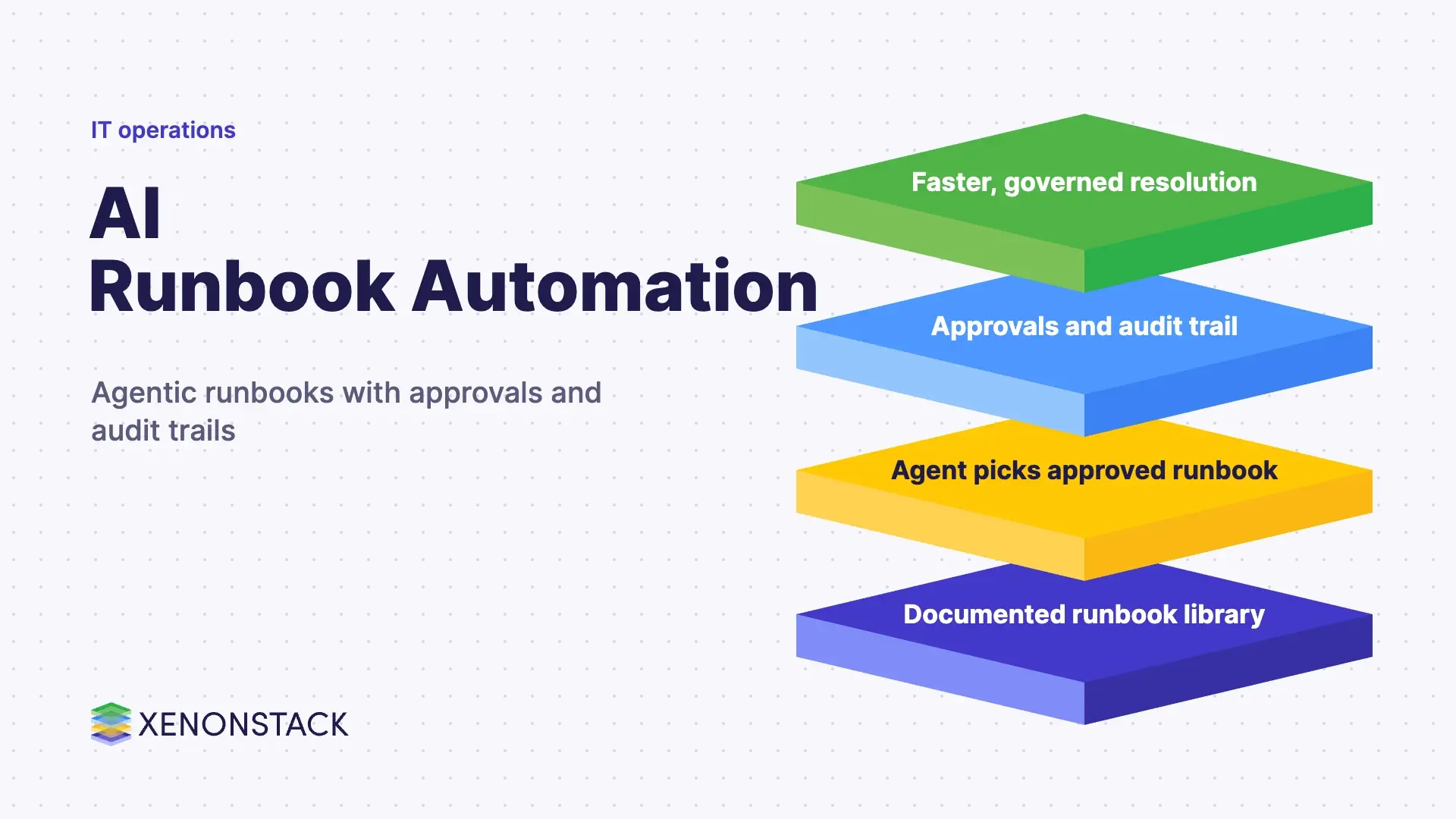
How AI runbook automation works with agentic workflows: approvals, least-privilege roles, audit trails and an adoption path for IT and platform ...
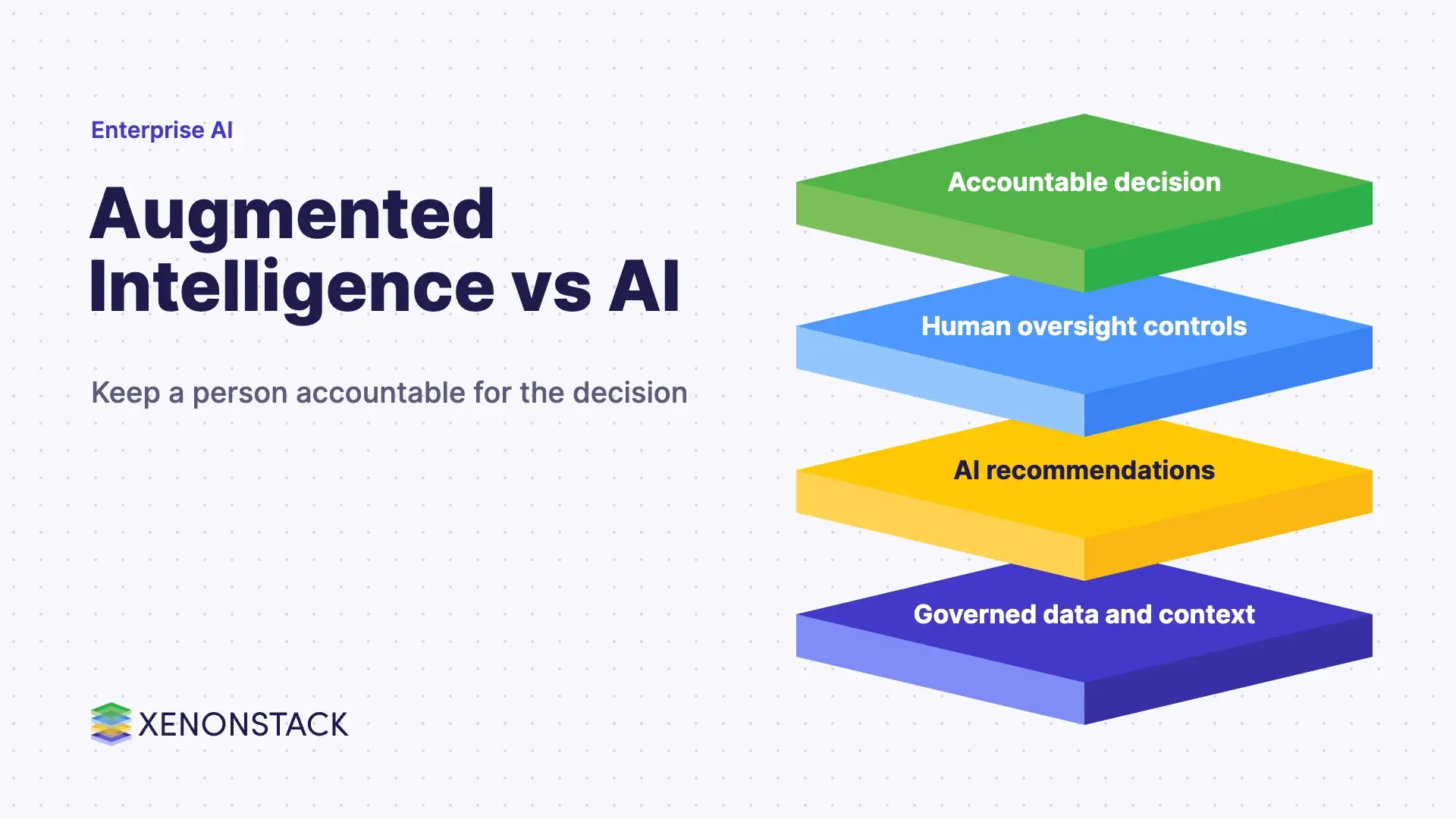
Augmented intelligence vs artificial intelligence: definitions, a decision table, human oversight controls and when to keep a person in charge.
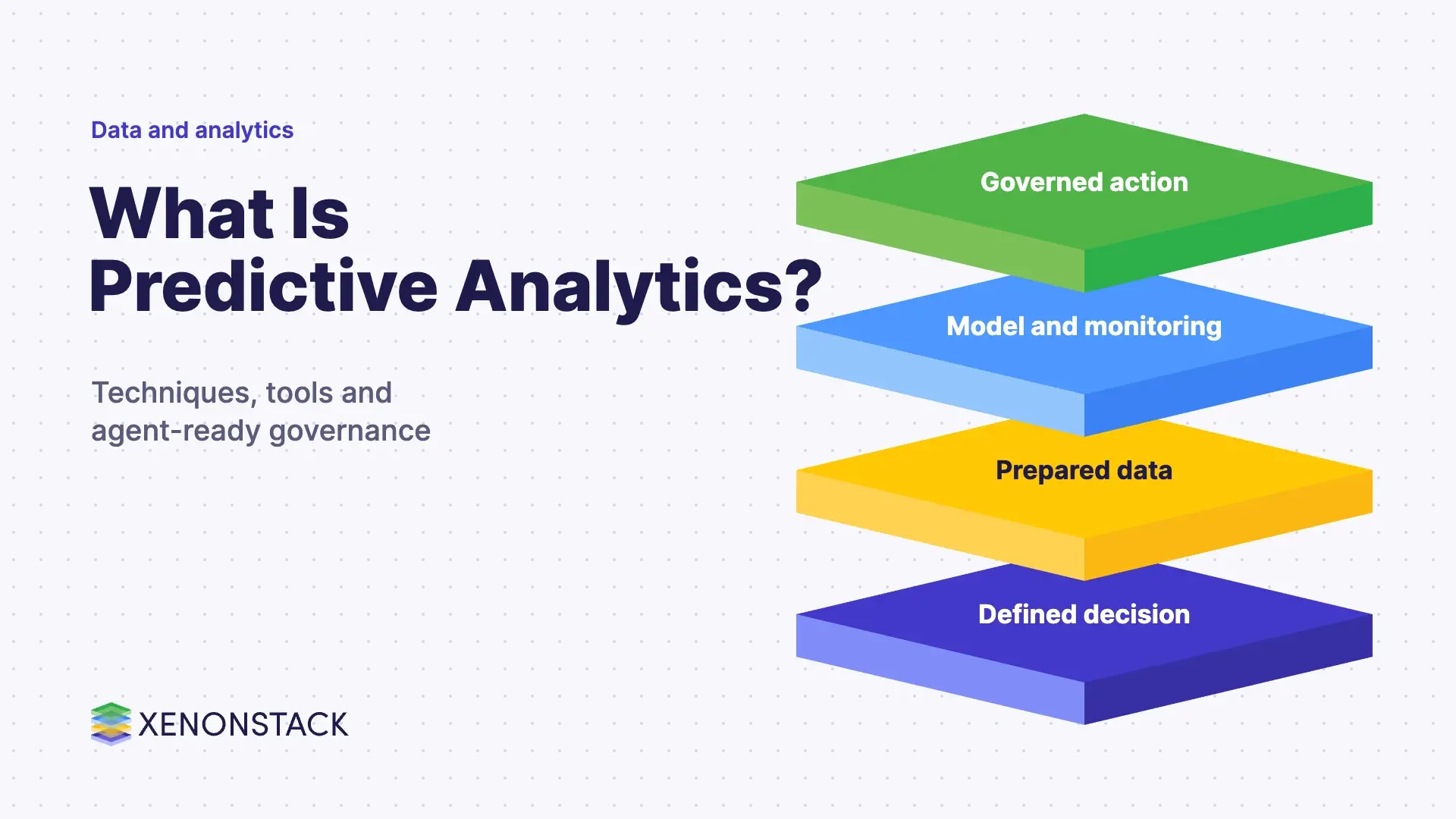
Predictive analytics uses historical data and machine learning to forecast outcomes. See the steps, techniques, tools, use cases and the agent angle.
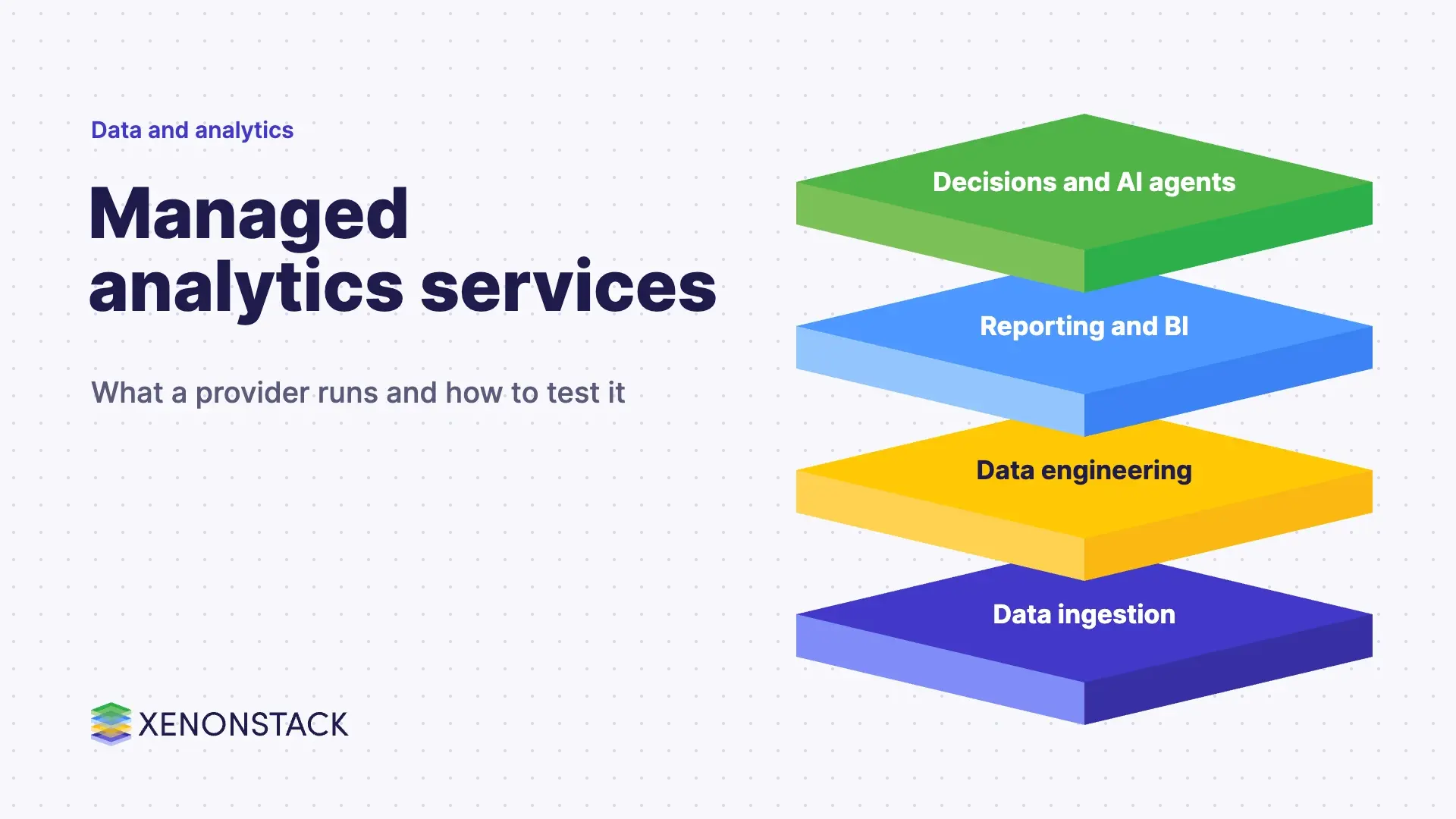
Managed analytics services explained: what a provider runs, how to test it with the APMM, GDPR Article 28 contract points and tool choices for ...
Kubernetes Deployment explained: rollout and rollback, production best practices, security controls and which tools are still maintained in 2026.
A practical React project structure for 2027: feature folders, components, state, testing and code splitting, plus how to start without Create React ...
Hyperautomation links RPA, AI, process discovery and integration. See its components, where AI agents fit, the main risks, and how to start well.
A practical guide to Go application performance monitoring: runtime metrics, pprof, tracing, OpenTelemetry, APM tools and what AI agents add to ...
How ServiceNow AI agents support governance, risk and compliance: policy, controls, reporting and risk work, plus the limits and the governance they ...
A DevSecOps pipeline adds security checks to every CI/CD stage. See the stages, SAST versus DAST, false-positive handling and where AI agents fit.
A stage-by-stage DevSecOps checklist: pre-commit to production checks, pipeline hardening, threat modelling and NIST and OWASP standards for ...
CloudOps runs cloud estates securely and cost-effectively. See its five areas, how FinOps and managed services fit, and where AI agents help ...
Digital platform strategy explained: platform types, network effects, internal platform attributes, an adoption sequence, and governance for AI ...
Platform engineering vs DevOps vs SRE: what each team owns, where they overlap and how to run one governed, agent-ready delivery platform at scale.
Platform engineering explained: what it is, how it differs from DevOps and SRE, which tools platform teams use, and how to start, measure and govern ...
Ten common fallacies in platform engineering, from build it and they will come to one size fits all, with the fix for each and how AI agents change ...
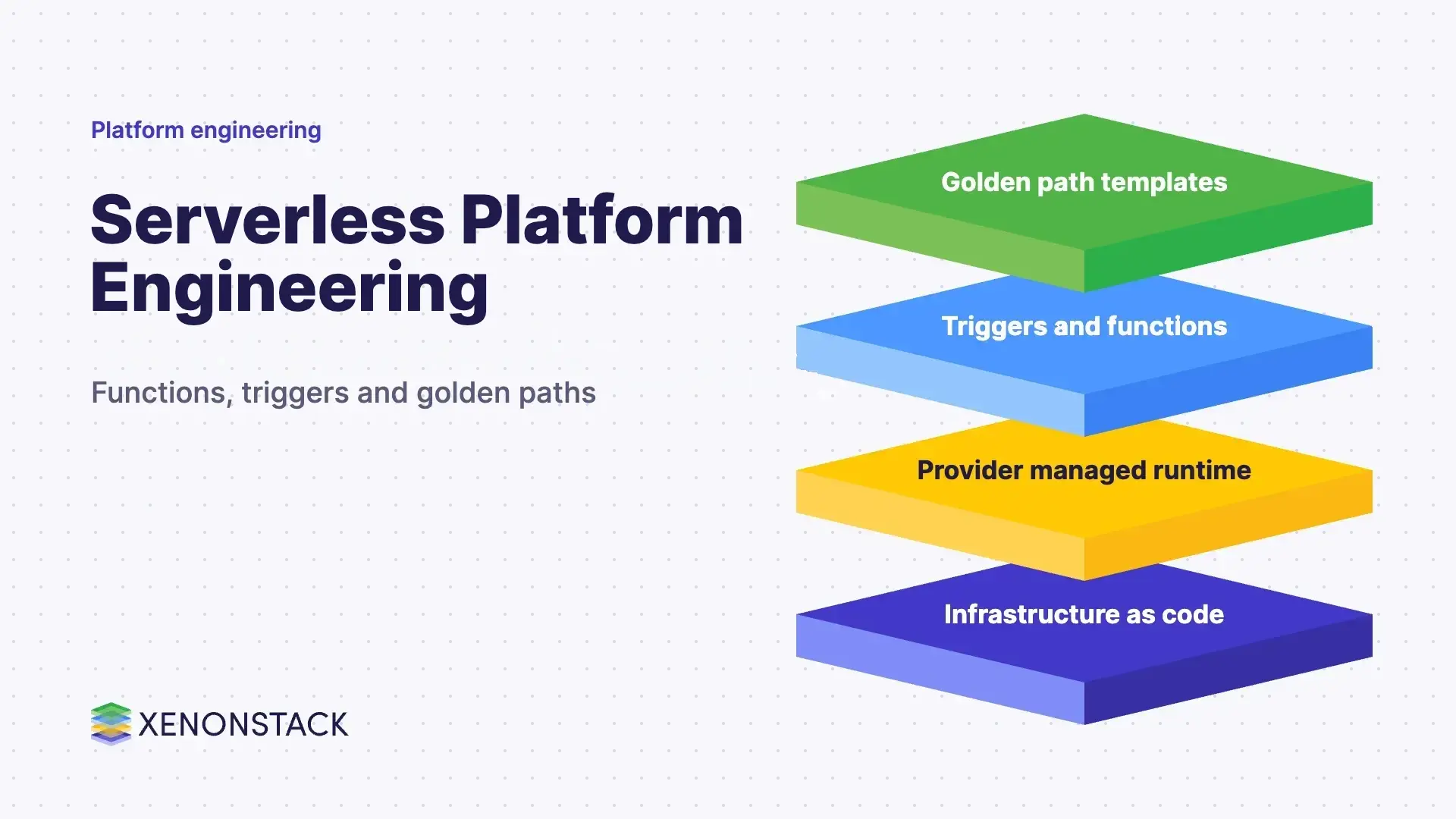
Serverless platform engineering explained: how functions, triggers and golden paths work, how it differs from microservices, and where AI agents fit.
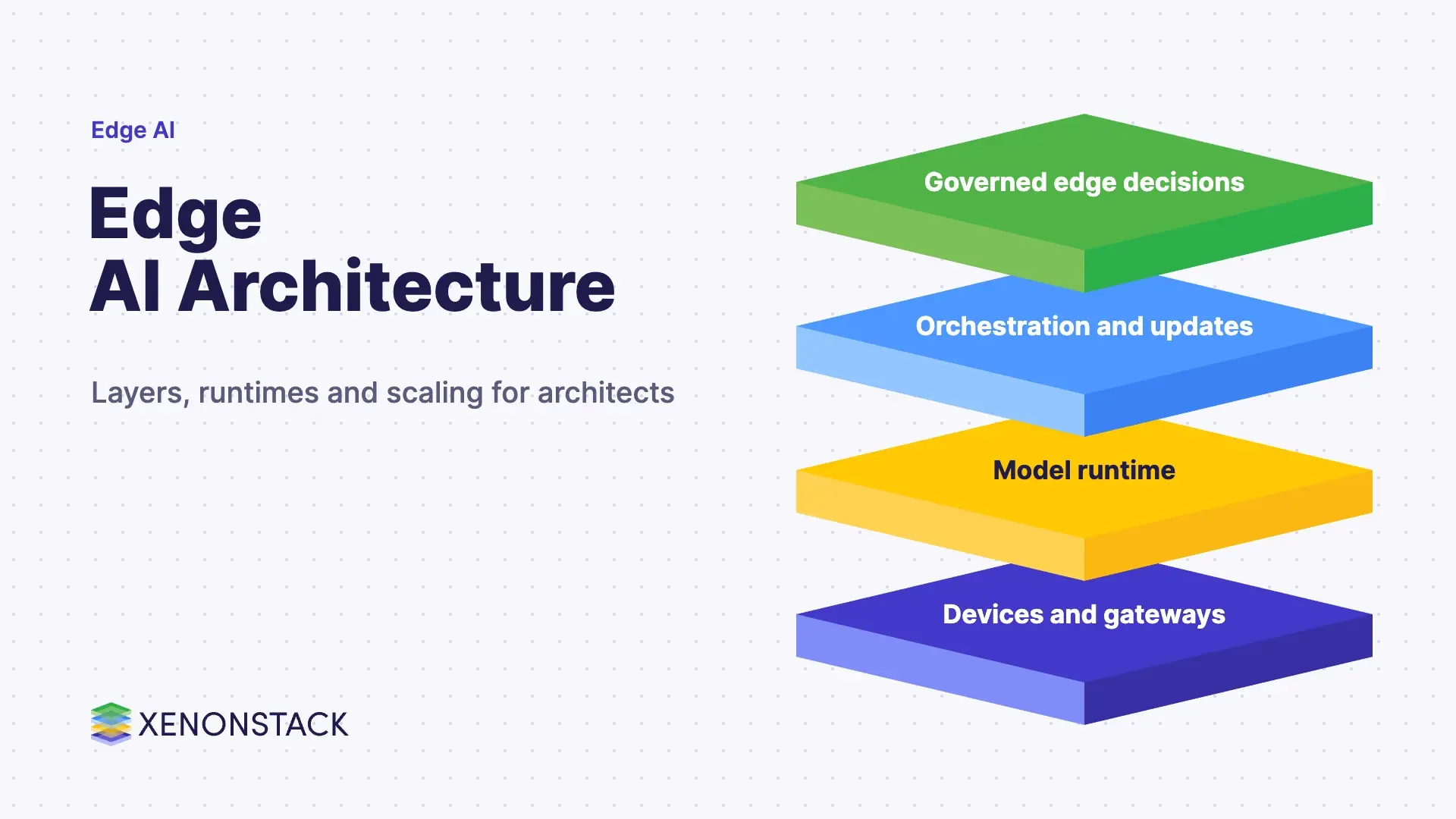
Edge AI architecture for architects: the five layers, how to pick a runtime, the cloud and edge split, security, trade-offs and a 3 to 5 year outlook.
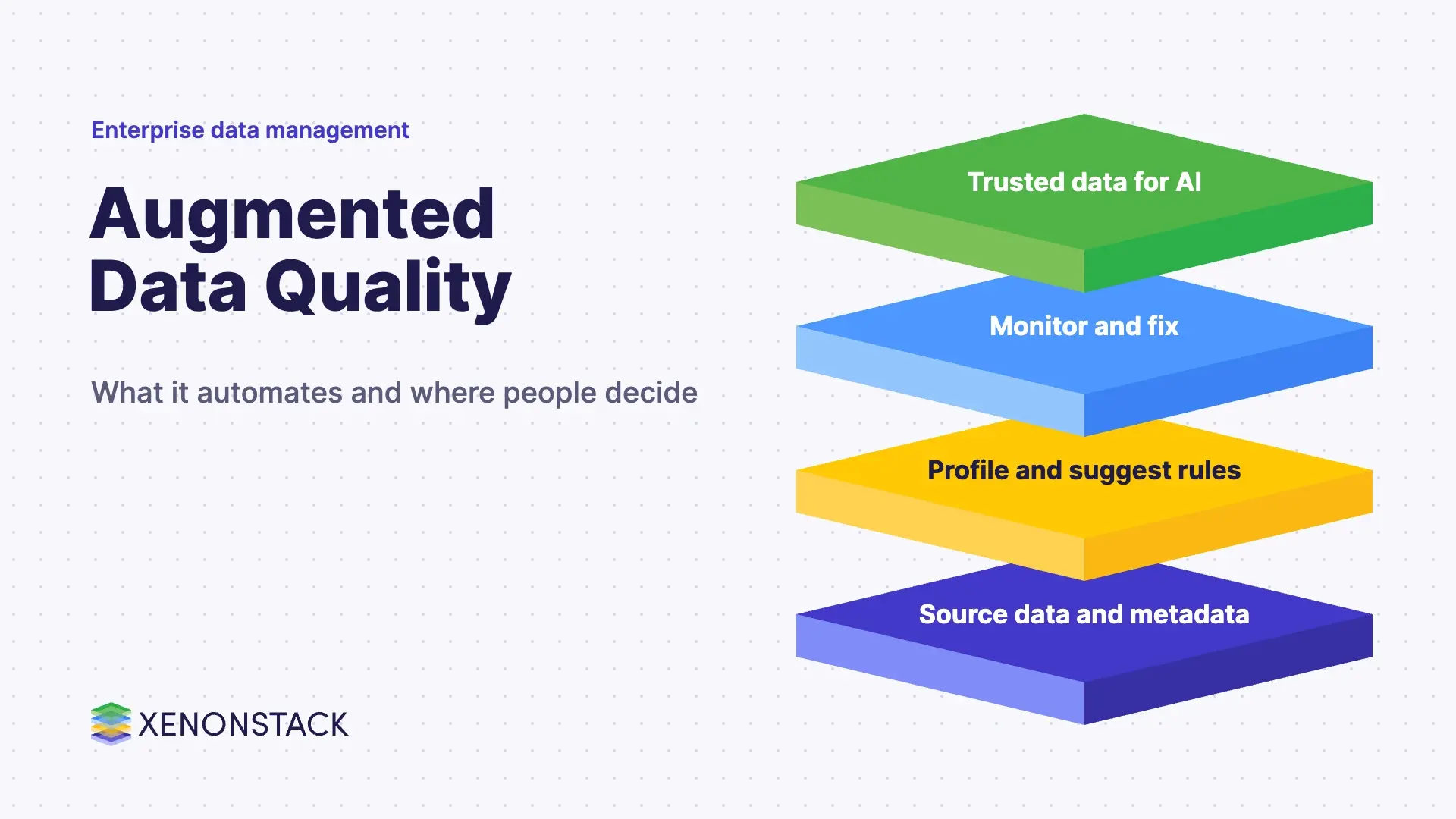
Augmented data quality explained: what it automates, what Databricks and Snowflake document, six best practices and an adoption plan for data leaders.
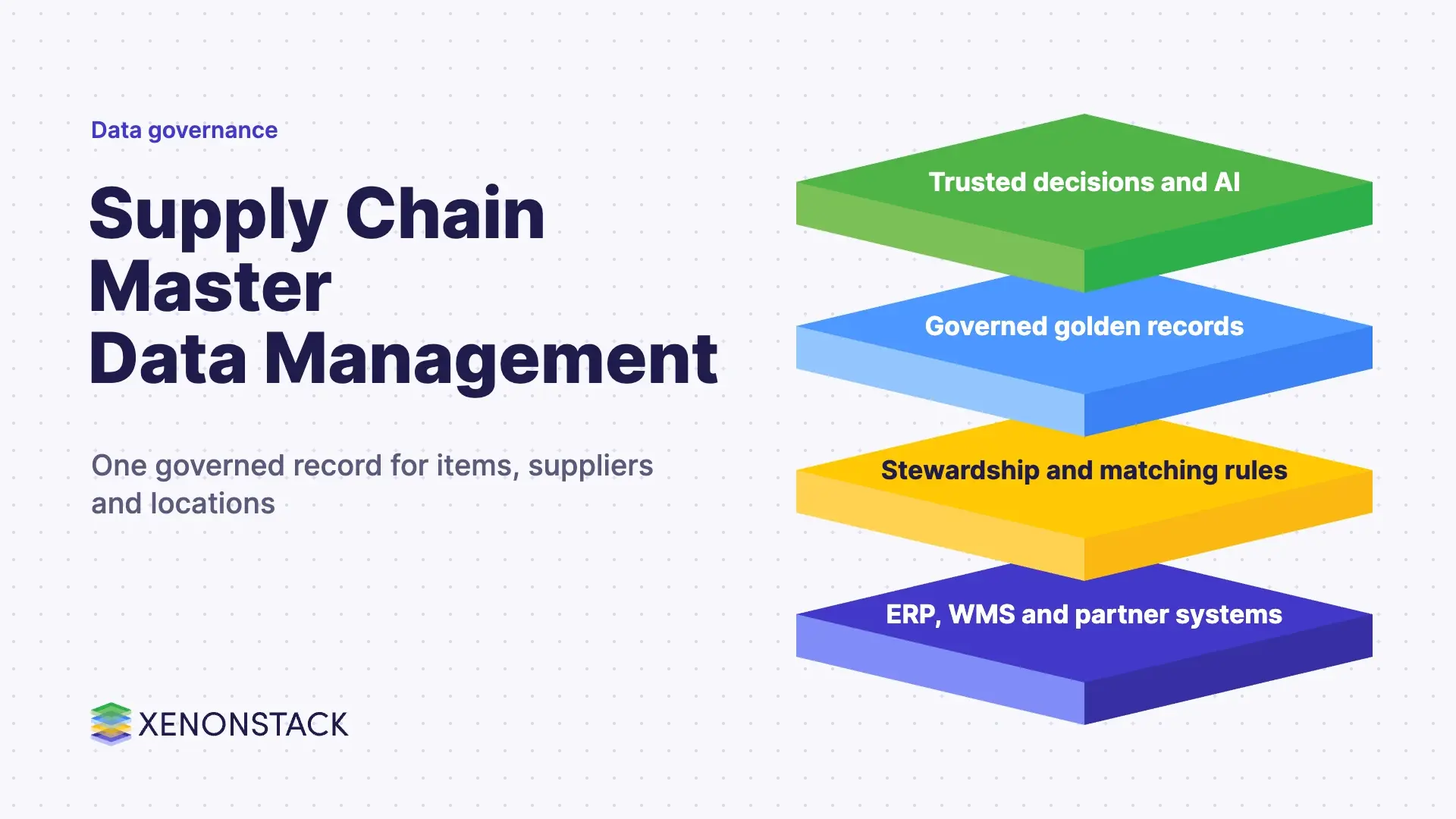
Supply chain master data management explained: which data is in scope, MDM design options, governance, AI readiness and a phased start for data ...
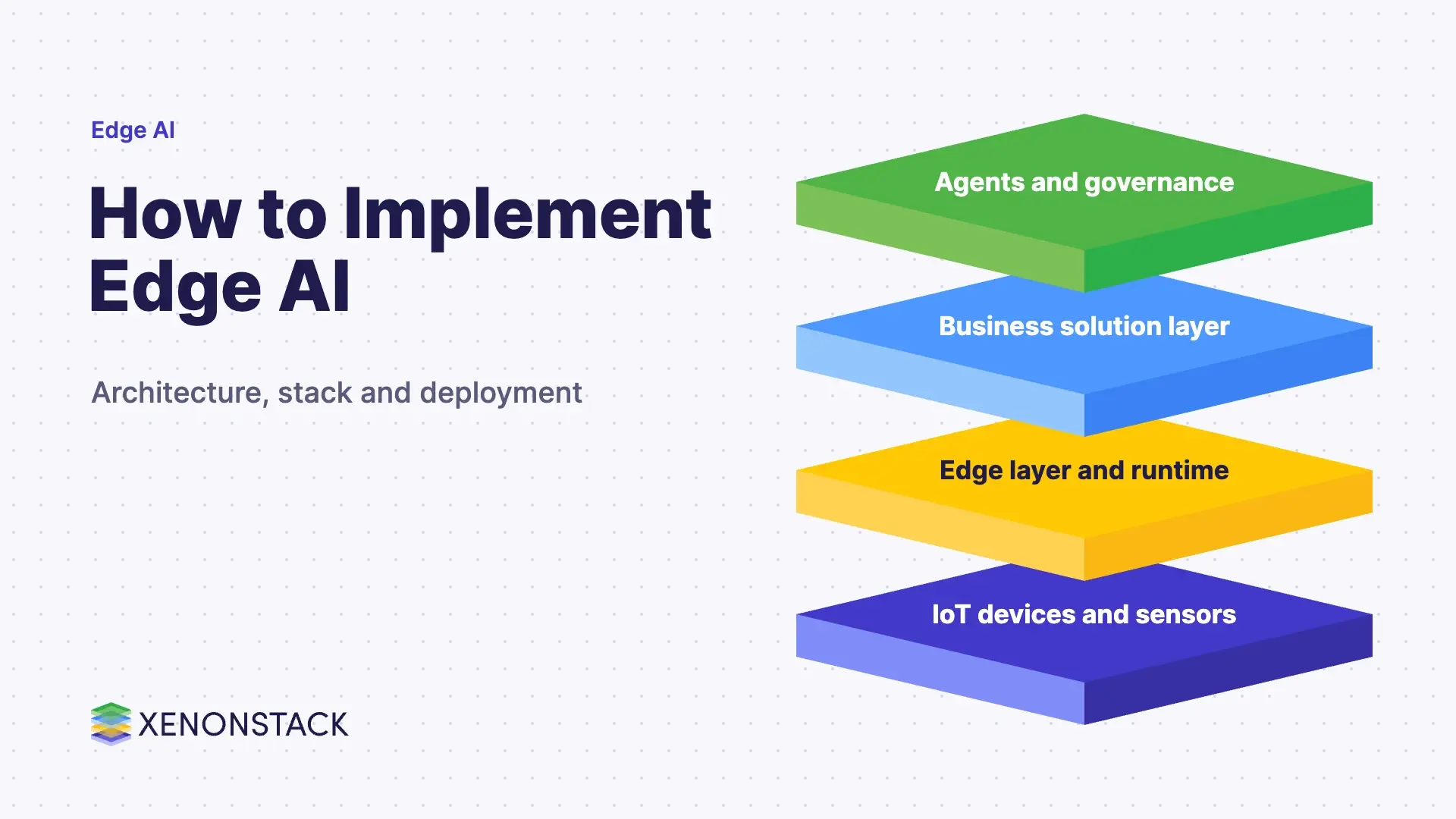
Learn how to implement Edge AI: the three-layer architecture, the edge stack, how models reach devices with LiteRT and ONNX Runtime, and where to ...
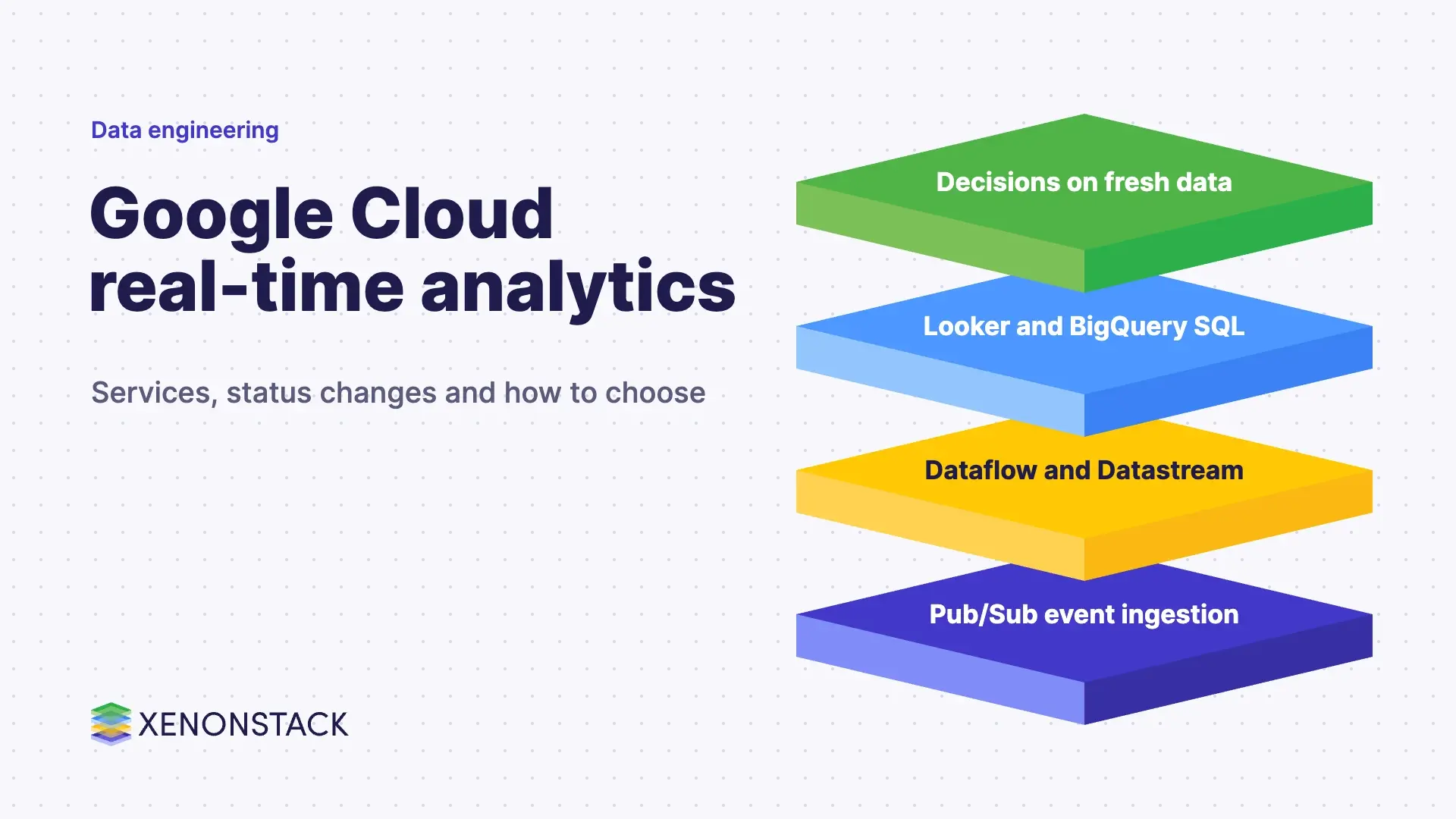
Google Cloud real-time analytics: how Pub/Sub, Dataflow, BigQuery and Datastream fit together, what is renamed or retired, and how to adopt them.
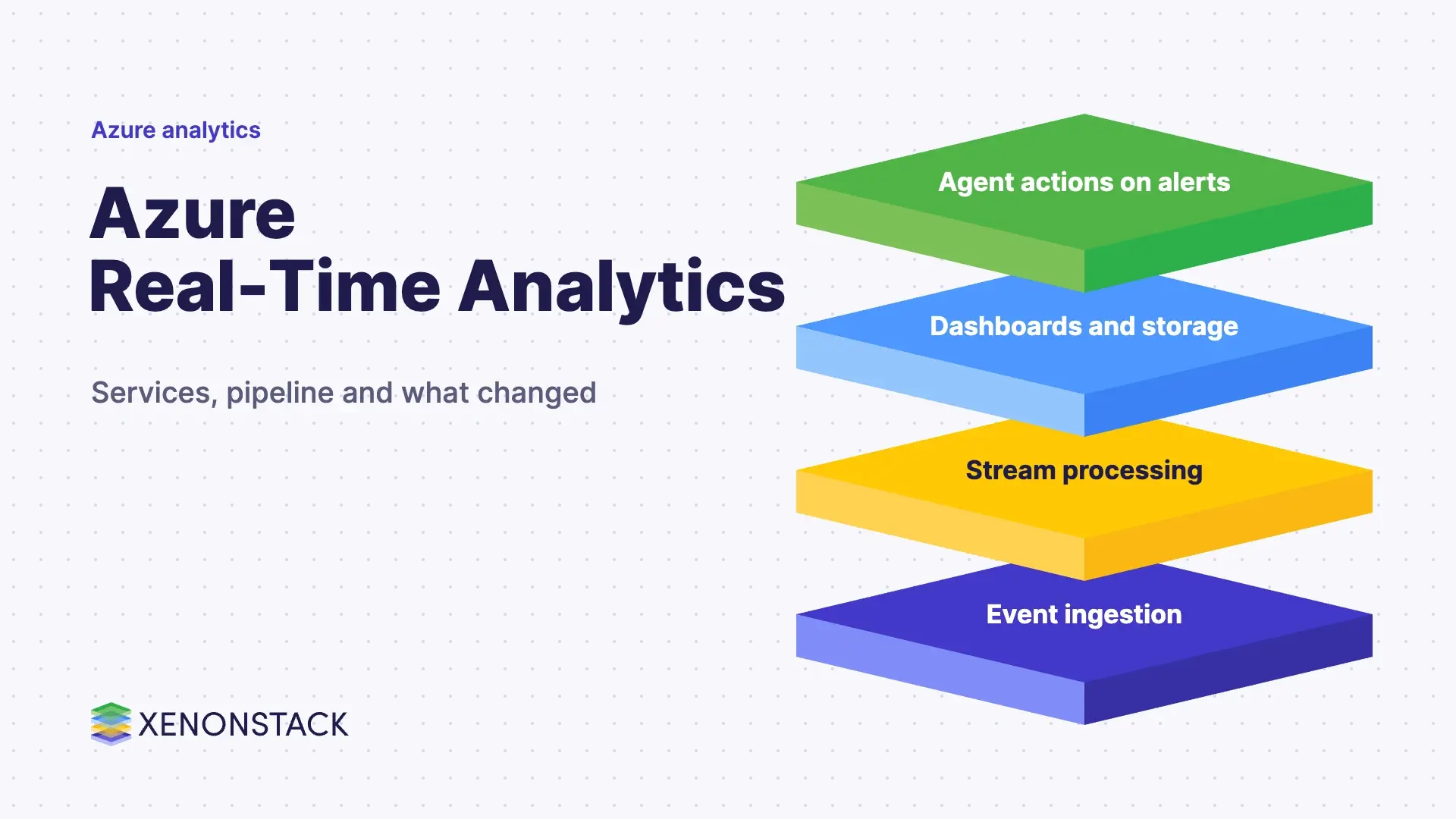
Azure real-time analytics explained: Event Hubs, Stream Analytics, HDInsight and Fabric Real-Time Intelligence, a pipeline walkthrough and what ...
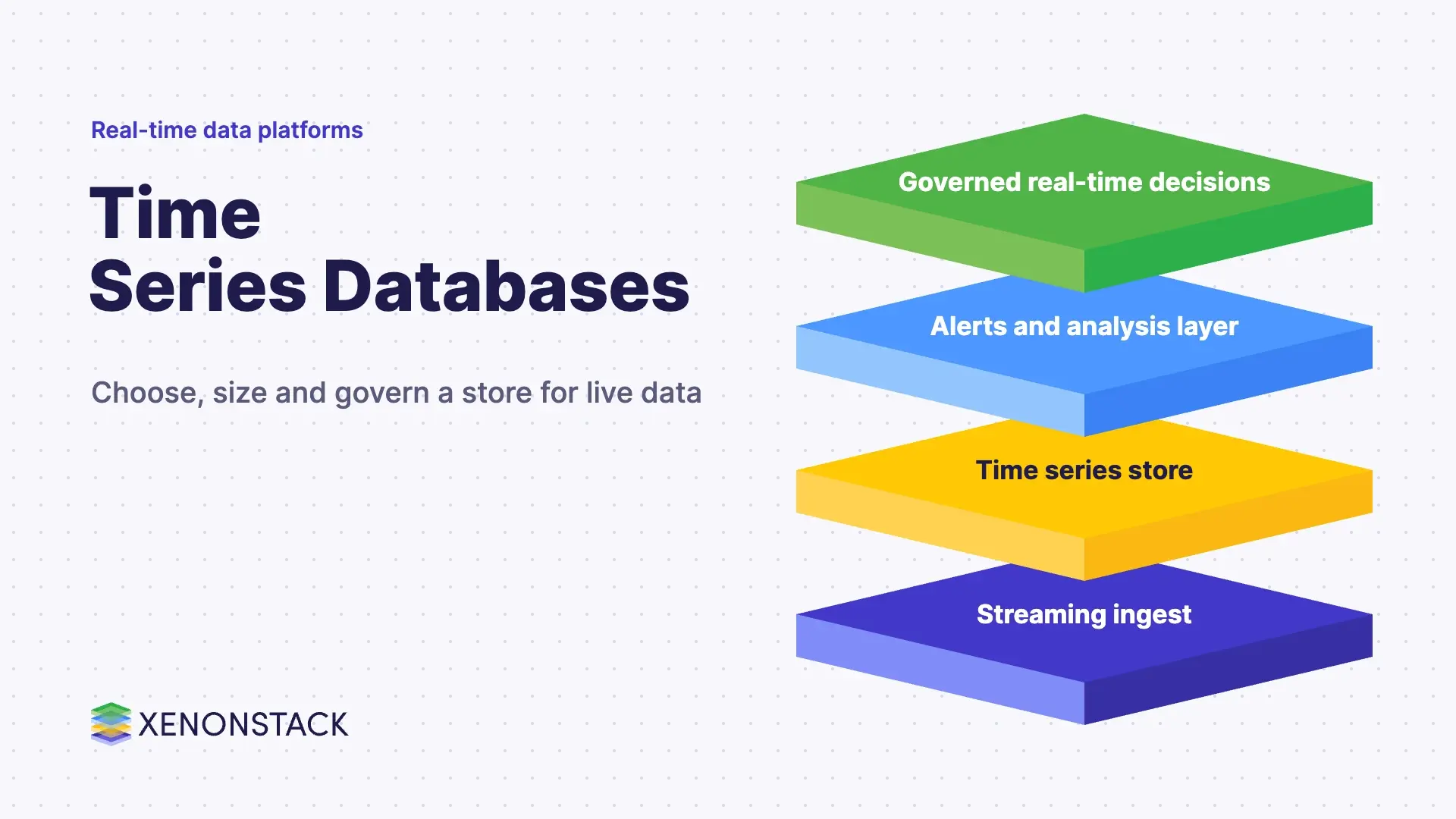
How time series databases fit real-time analytics: when to choose one over a relational database, options, cardinality, retention and governance.
Real-time analytics on AWS explained: how Kinesis, Managed Service for Apache Flink and OpenSearch fit together, best practices and where AI agents ...
Observability explained: the control-theory definition, logs, metrics and traces, instrumentation, SLOs, and what AI agents add. For engineering ...
Distributed systems observability explained: logs, metrics and traces, how context propagation links services, and how AI agents fit into diagnosis.
Combine Amazon CloudWatch, Amazon Managed Service for Prometheus and Amazon Managed Grafana for one view of AWS metrics and logs. Steps, use cases, ...
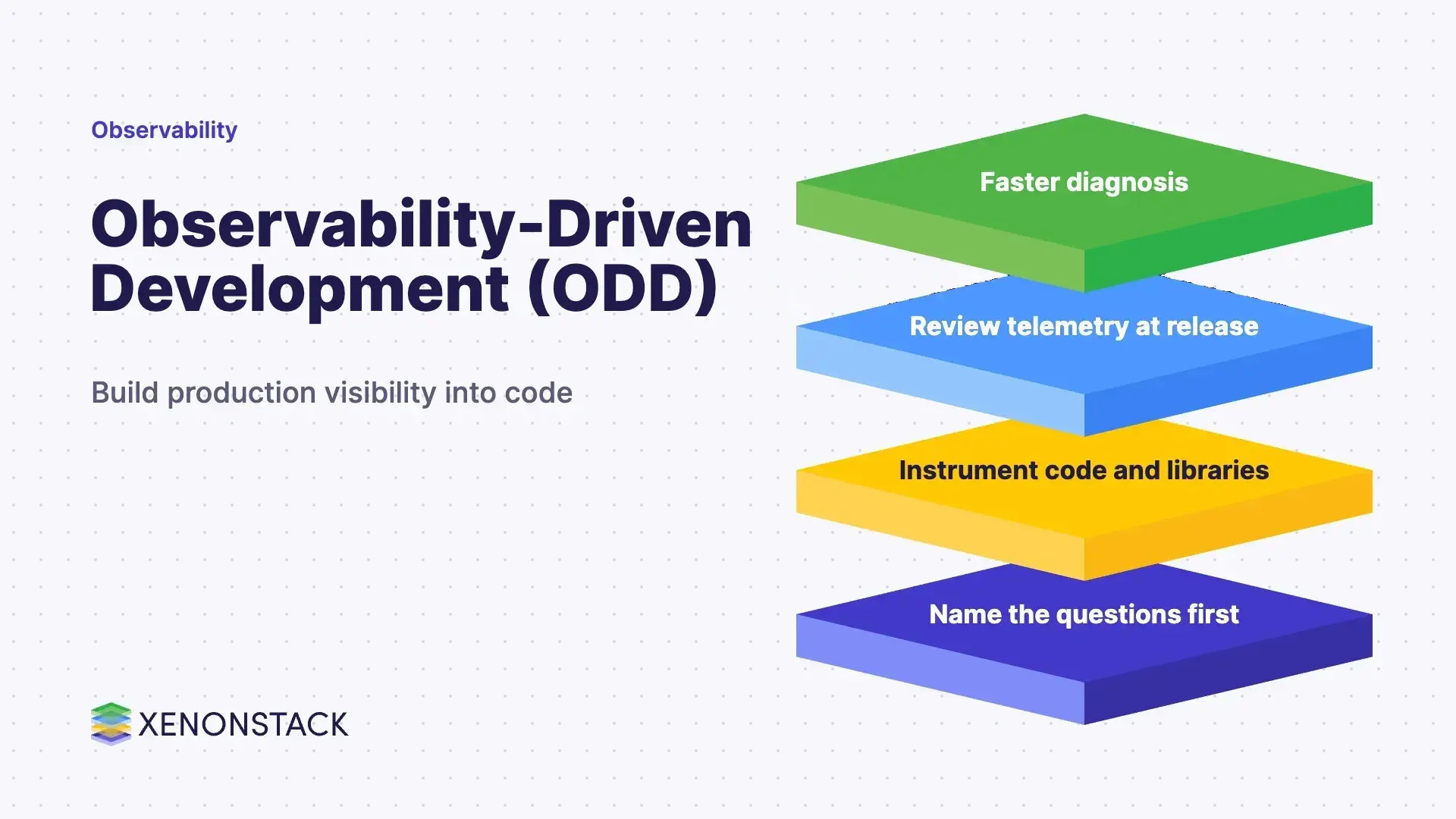
Observability-driven development (ODD) builds production visibility into code. Learn the signals, OpenTelemetry steps, costs and when not to use it.
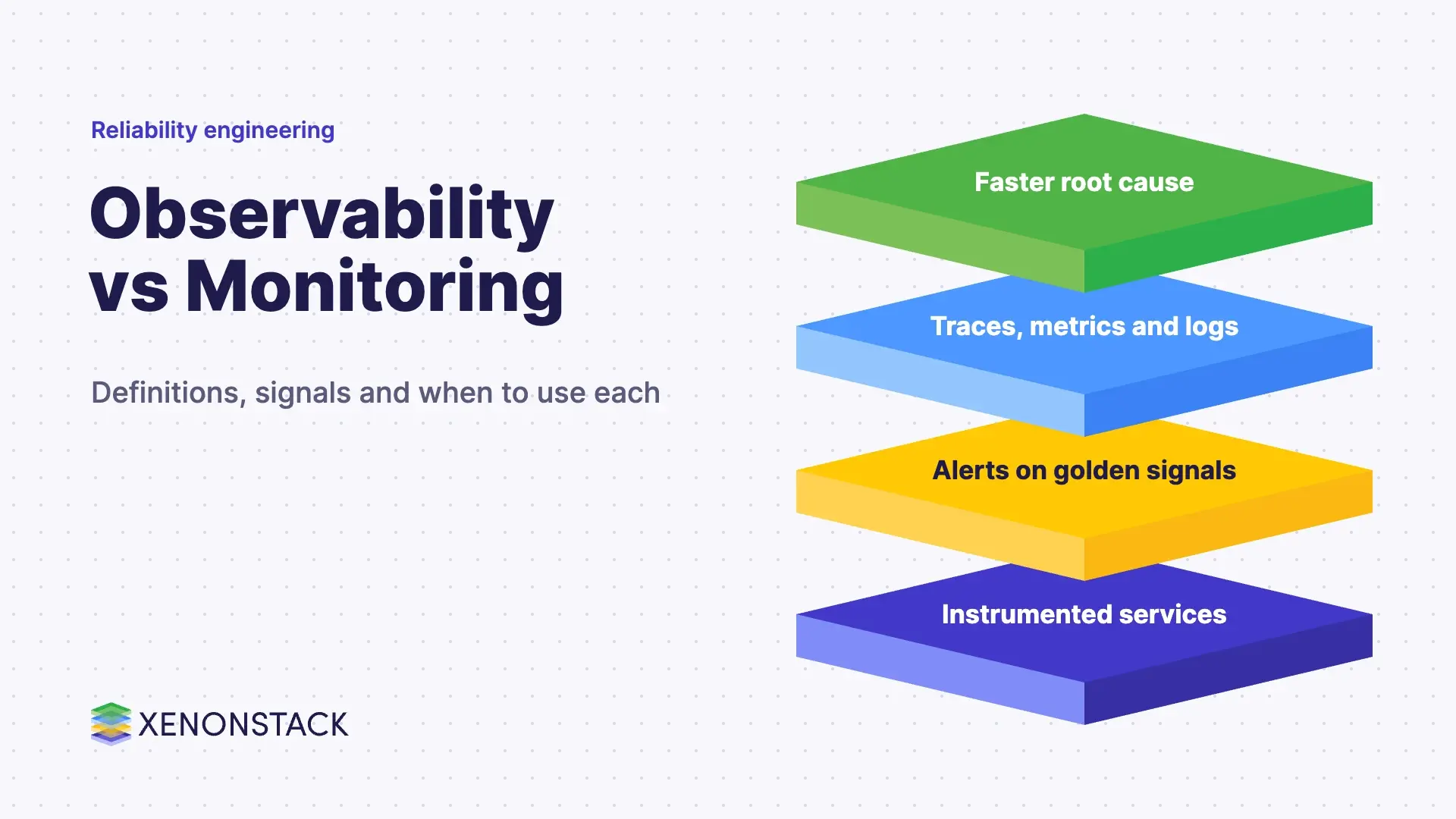
Observability vs monitoring explained: definitions, signals, a decision table and an adoption sequence for enterprise teams, with AI agent telemetry.
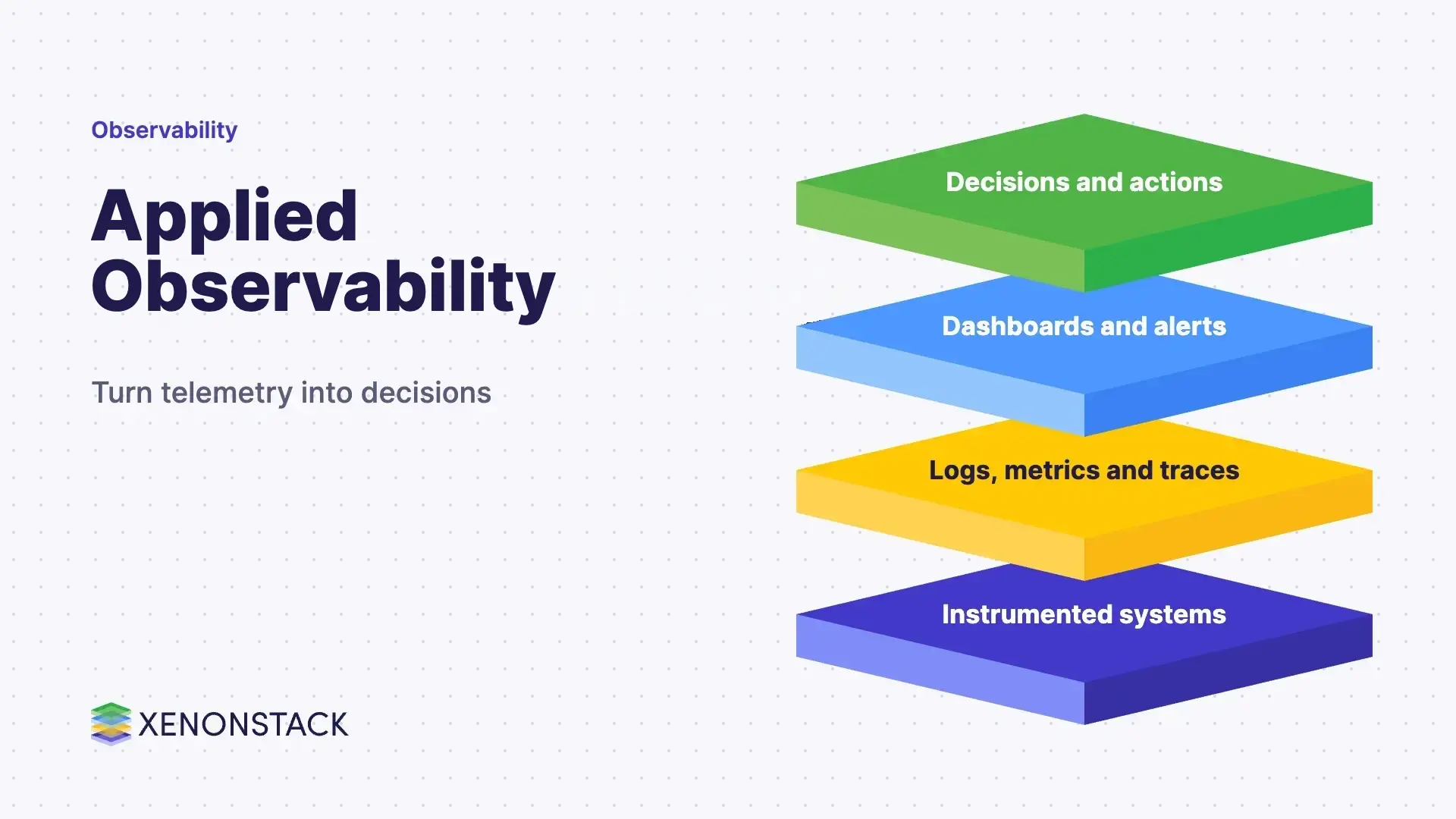
Applied observability uses logs, metrics and traces to guide operational and business decisions. Learn the elements, a checklist and how AI agents ...

Xenonstack has earned the AWS Cloud Operations Competency in Cloud Governance, becoming a recognized partner for this achievement.
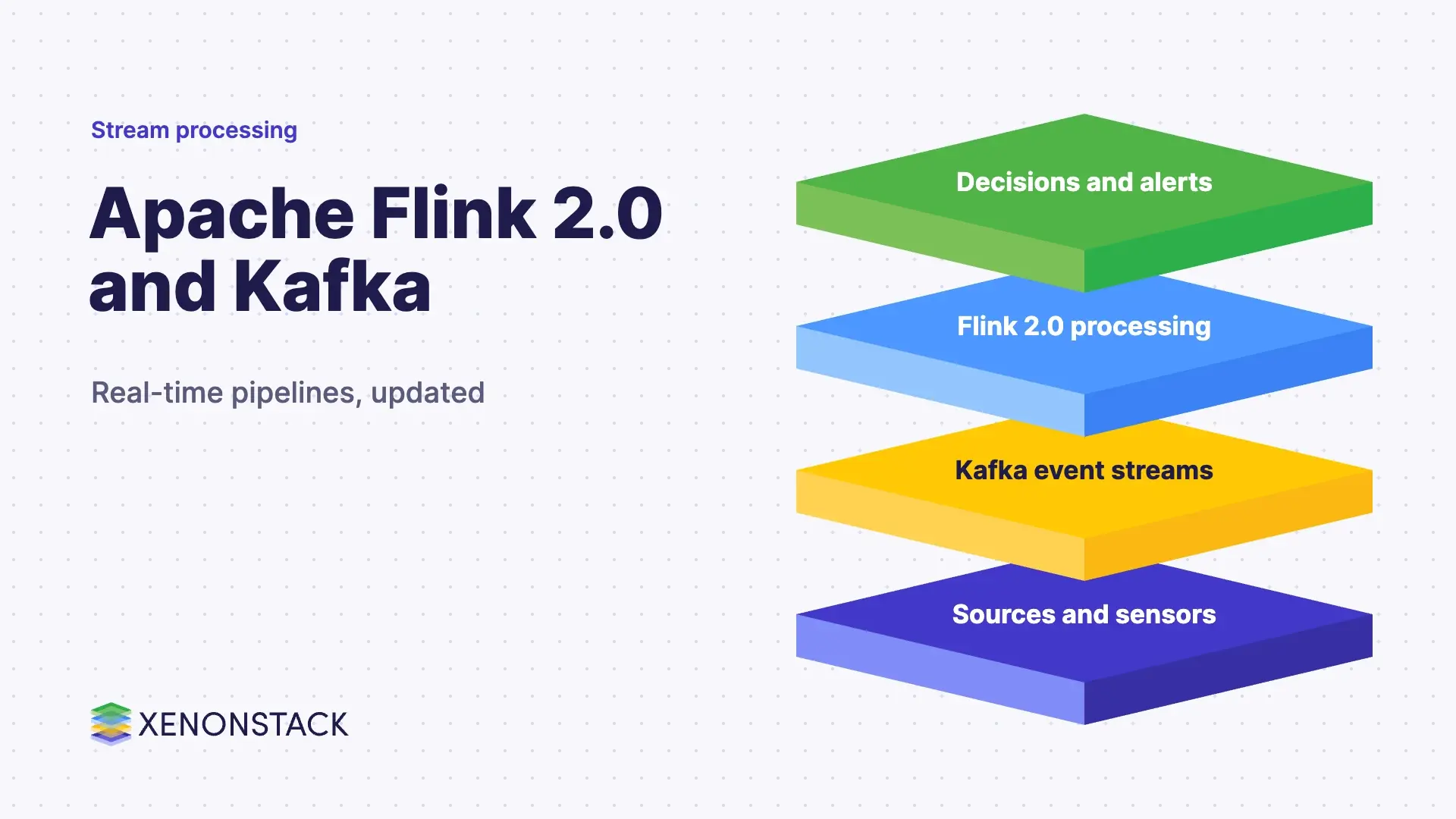
Apache Flink 2.0 changes how streaming jobs are built. See what is new, what broke, and how to connect Kafka and Flink with the current connectors.
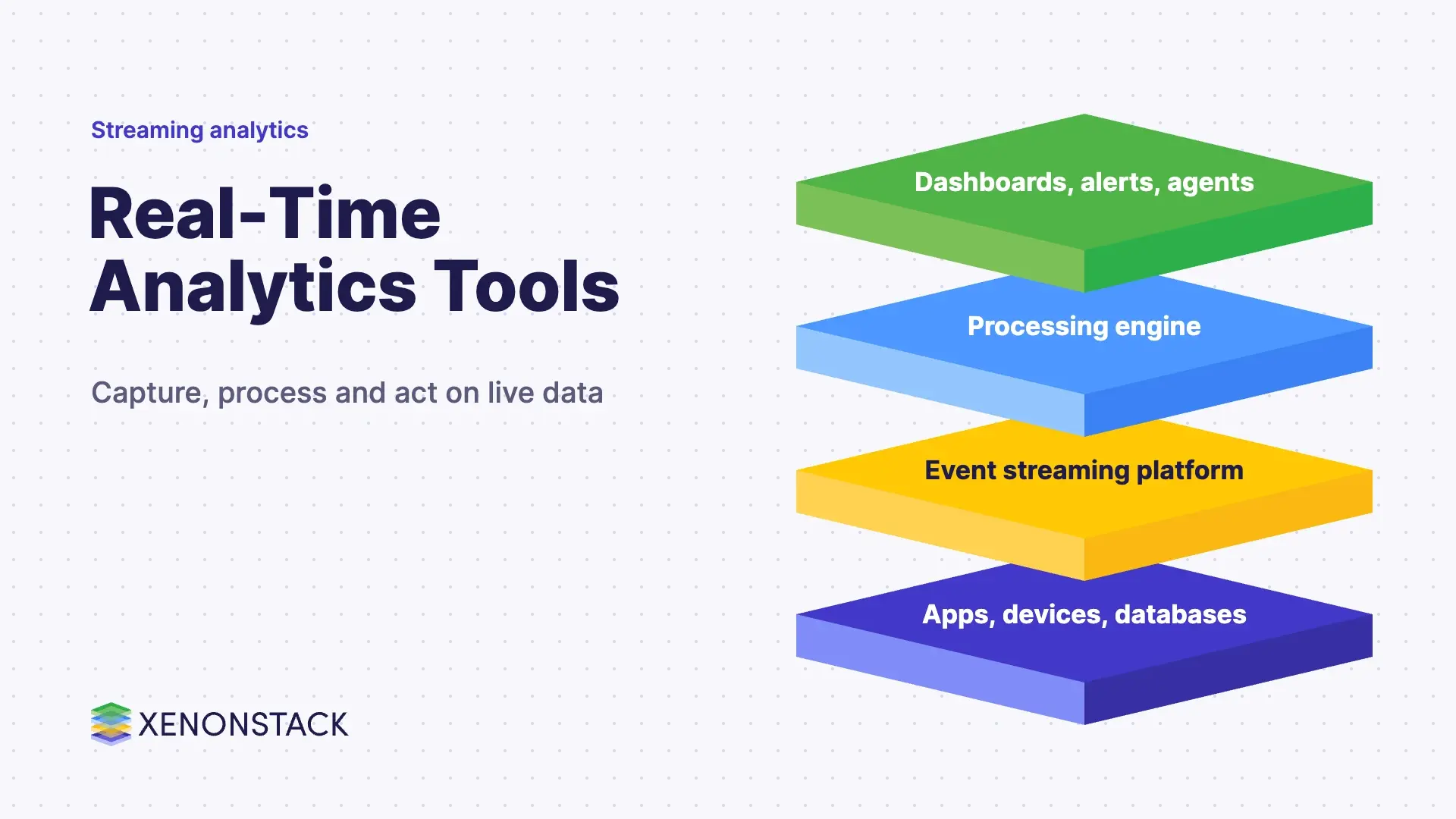
Real-time analytics tools process streaming data as it arrives. Compare Kafka, Flink, Spark, Kinesis, Azure Stream Analytics and Dataflow, with steps.
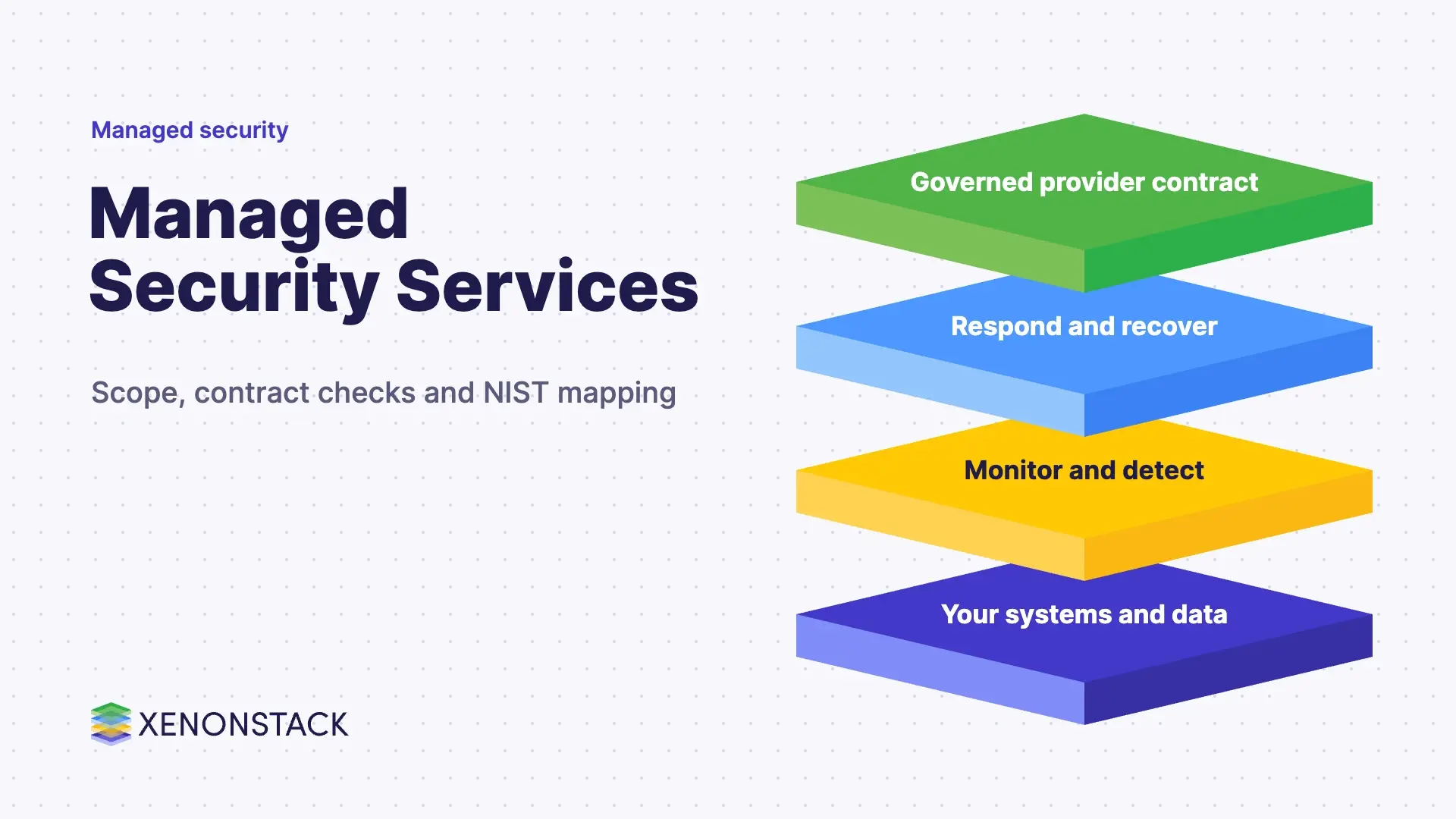
Managed security services outsource monitoring, detection and response to a provider. See what they cover, CISA contract checks and how to start.
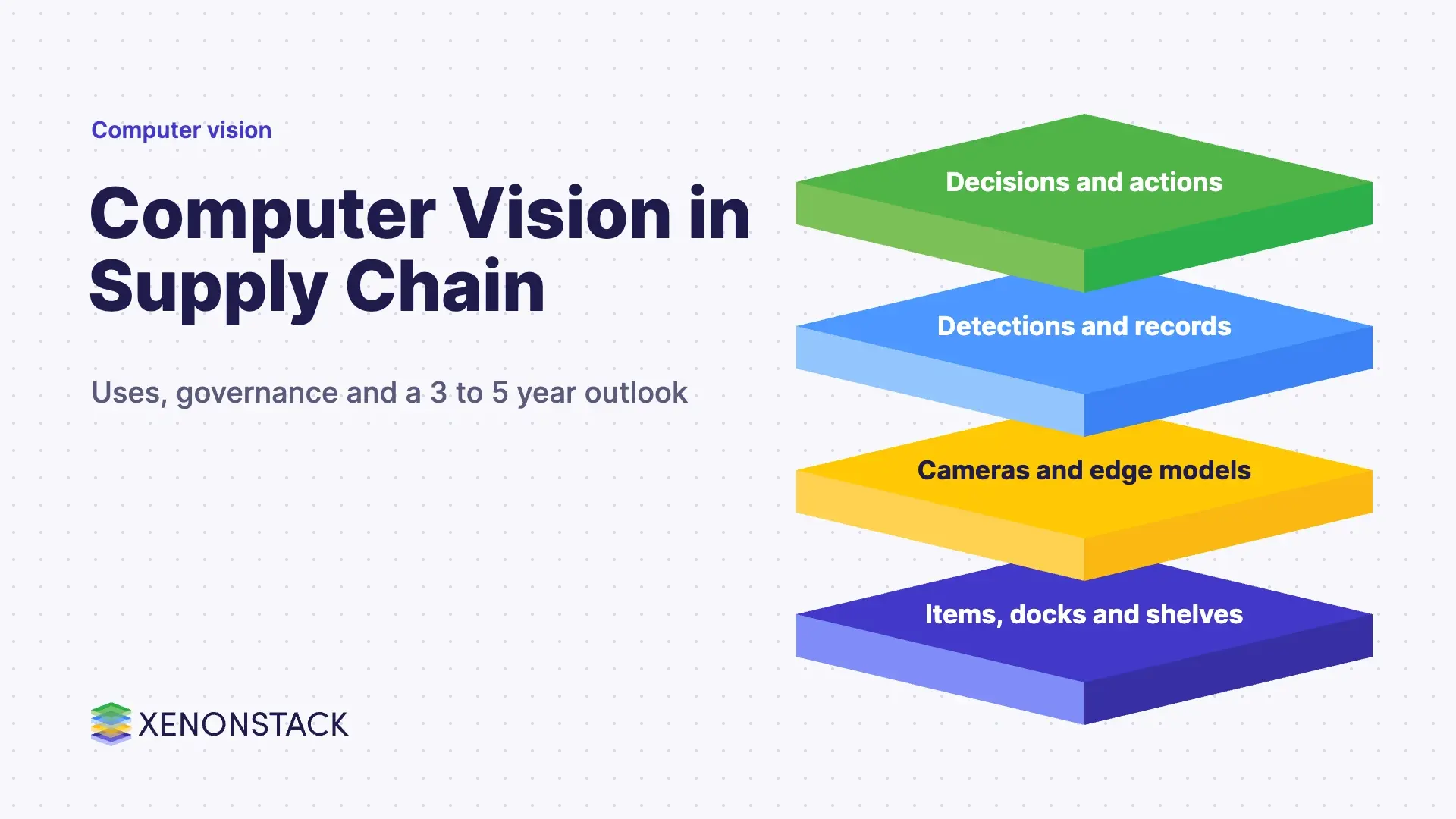
How computer vision works in supply chain and logistics: warehouse counts, inspection, safety, governance and a sourced 3 to 5 year outlook.
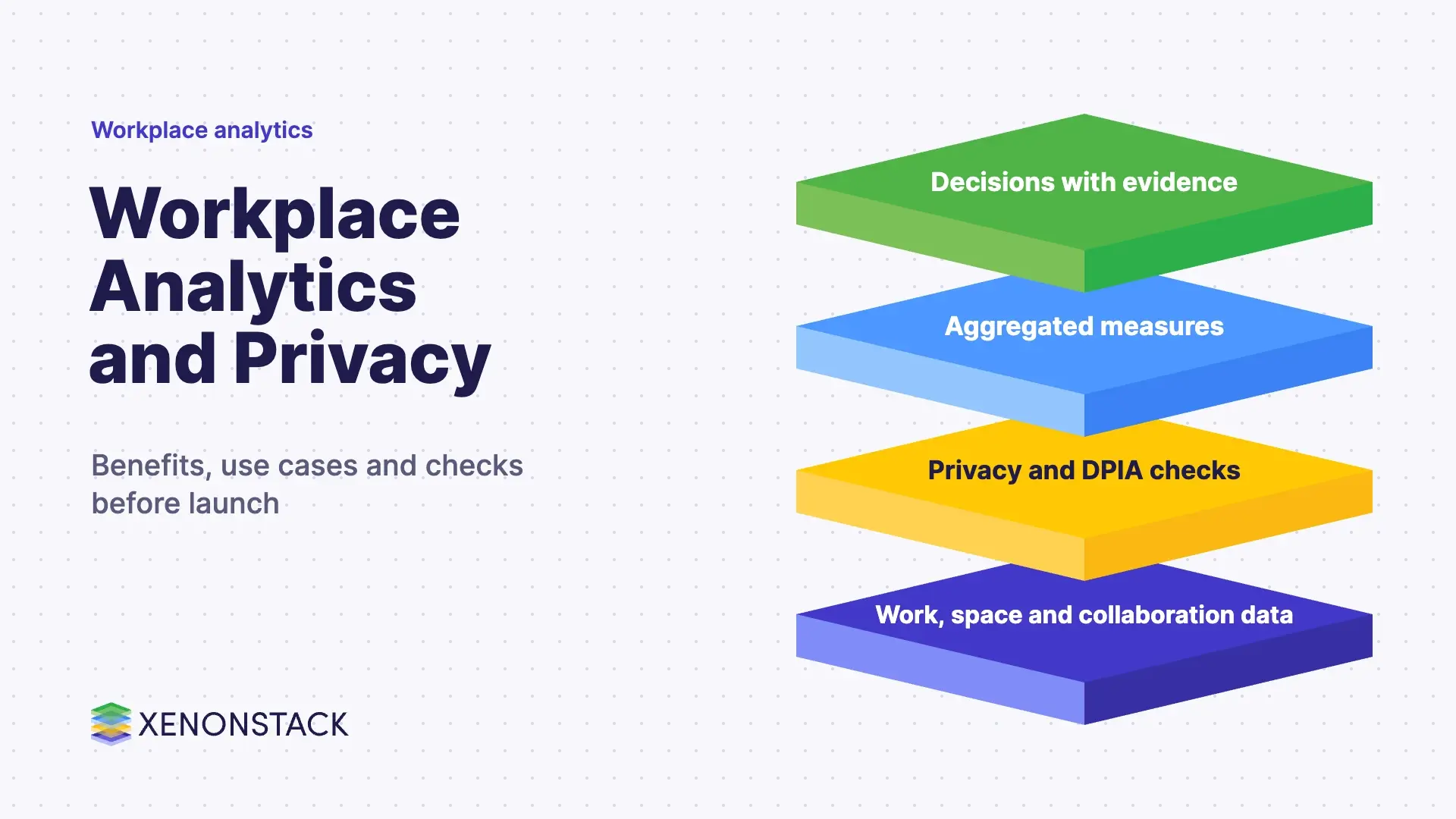
Workplace analytics explained: what it measures, benefits, video-based use cases, Microsoft Viva Insights and the privacy checks to do first.
Apache Airflow explained: Airflow 3 architecture, executors, benefits, install steps, best practices, governance and when to choose another tool.
Continuous testing explained: what it is, how automated tests gate each pipeline stage, which tools fit, how to adopt it and where it does not pay ...
CI/CD in fintech: how to automate releases with audit evidence, DORA metrics, and PCI DSS and EU DORA checks. A guide for engineering leaders.
What an IoT platform is, its key components, how AWS and Azure differ, how to secure and adopt one, and what changes over the next 3 to 5 years.
Understand data discovery, its six stages, key use cases and how catalog, analytics and sensitive-data tools differ, plus how AI agents help.
Virtualization in DevOps explained: types, virtual machines versus containers, benefits, security risks and an adoption sequence for enterprise teams.
Composable applications explained for enterprise leaders: principles, microservices, APIs, MACH, trade-offs and a practical order of adoption.
Data governance sets who owns data and how it is used. See the DAMA and Google Cloud definitions, framework parts, best practices and the AI agent ...
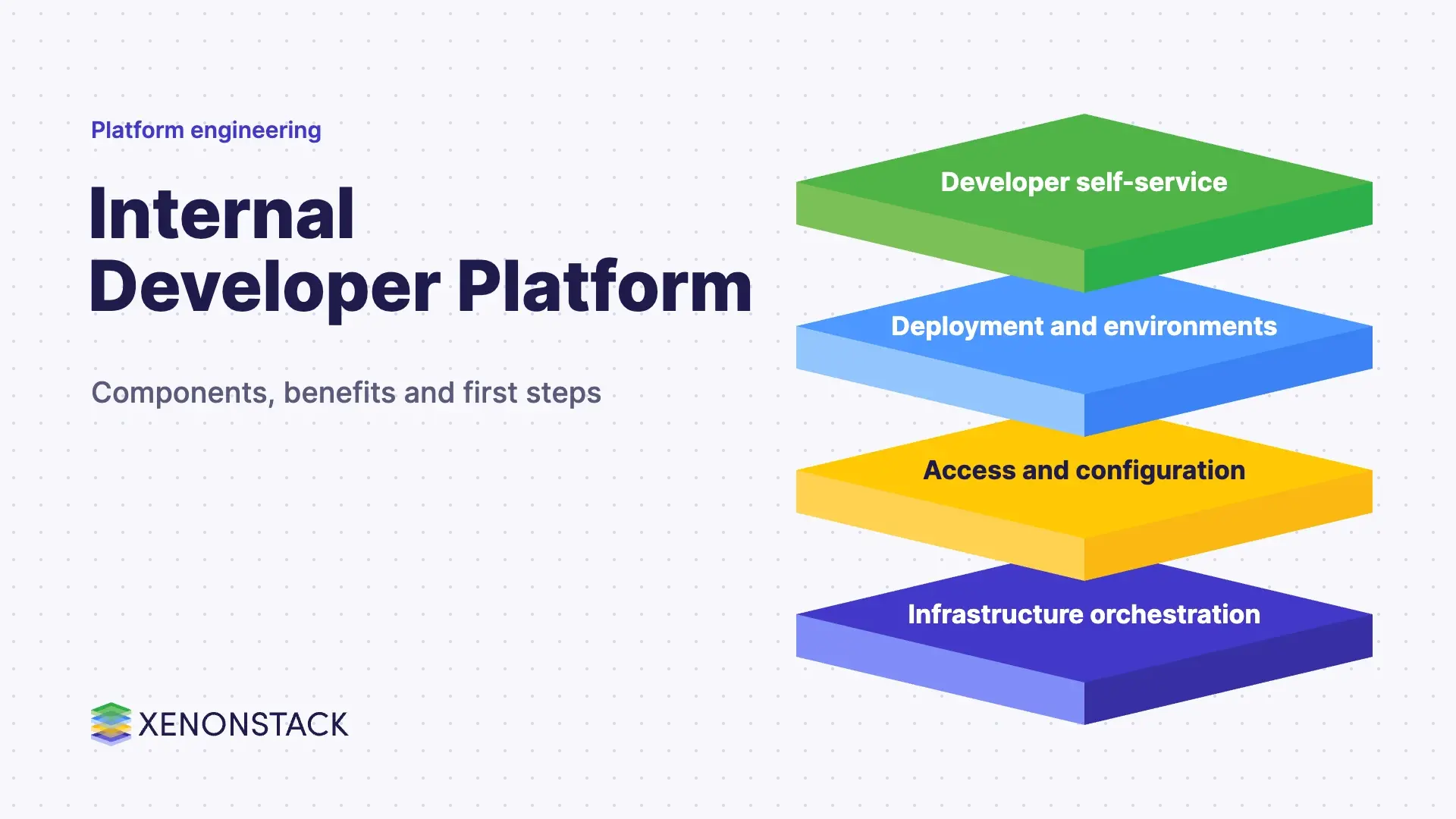
An internal developer platform gives developers self-service environments and deployments. See its components, benefits and how AI agents change it.
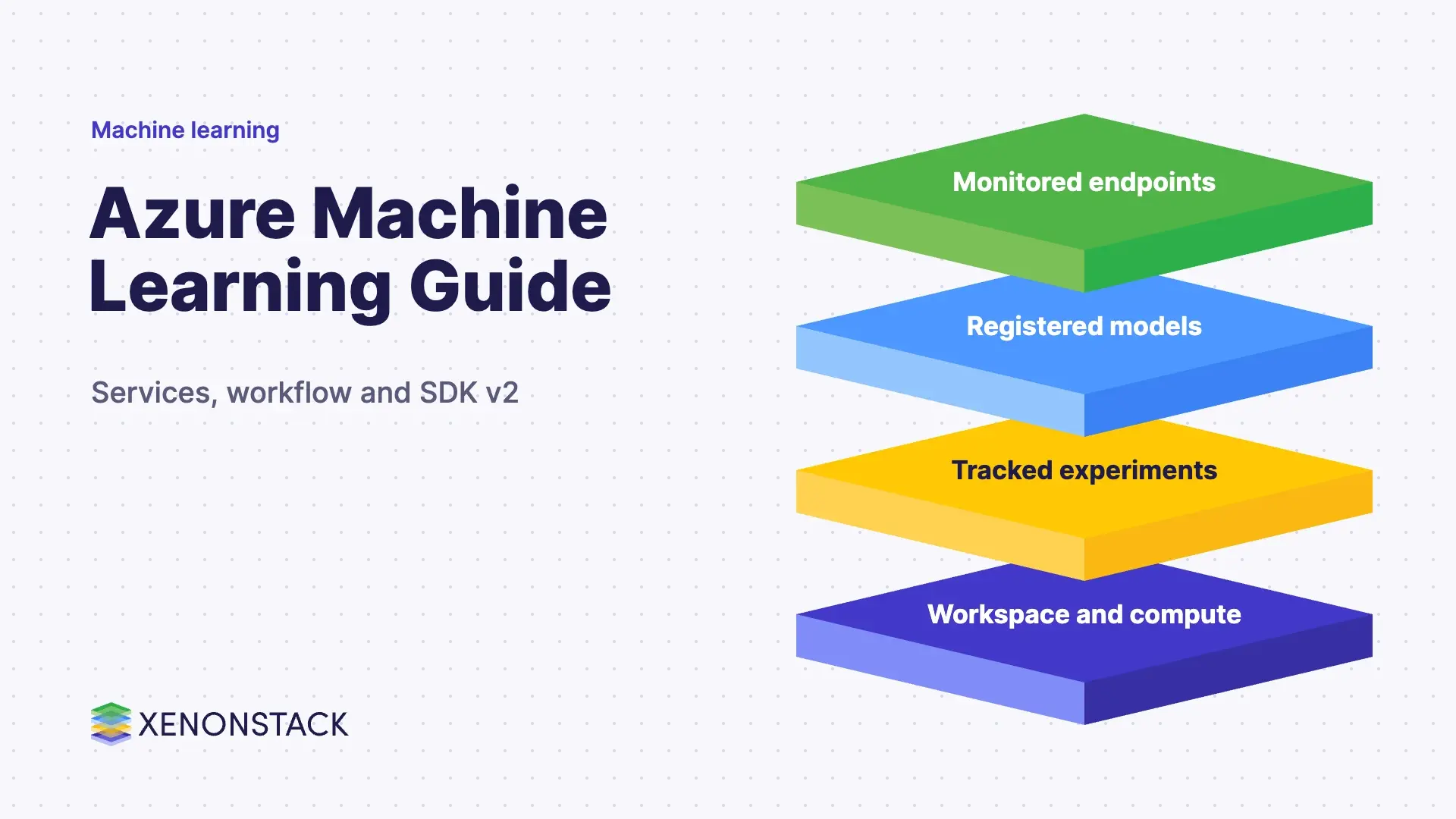
Azure Machine Learning manages the ML project lifecycle. See its services, the train-to-deploy workflow, SDK v2 changes and how AI agents fit in.
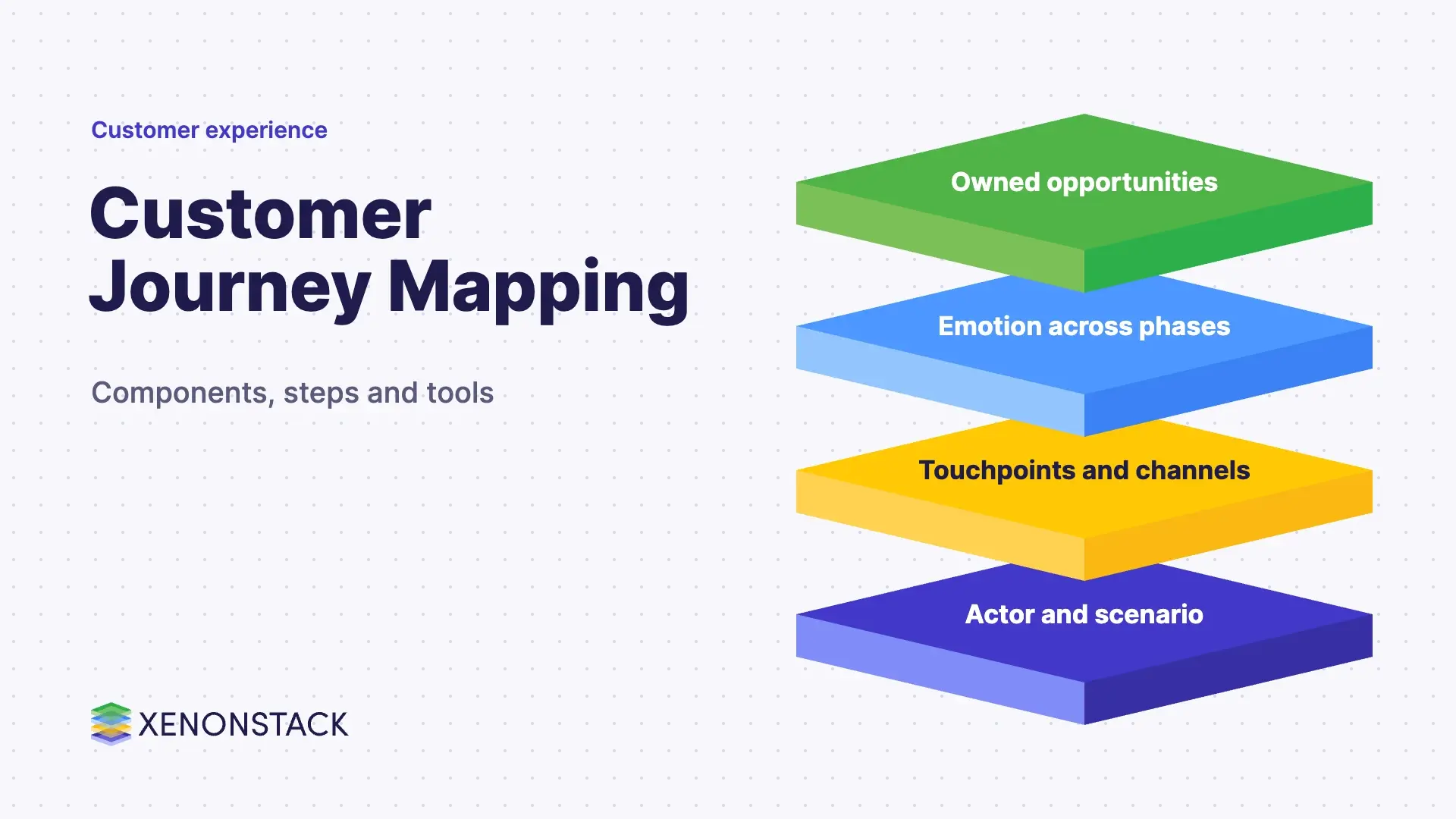
Customer journey mapping shows how people reach a goal with your product. Learn the components, an 8-step process, tools and how AI agents change it.
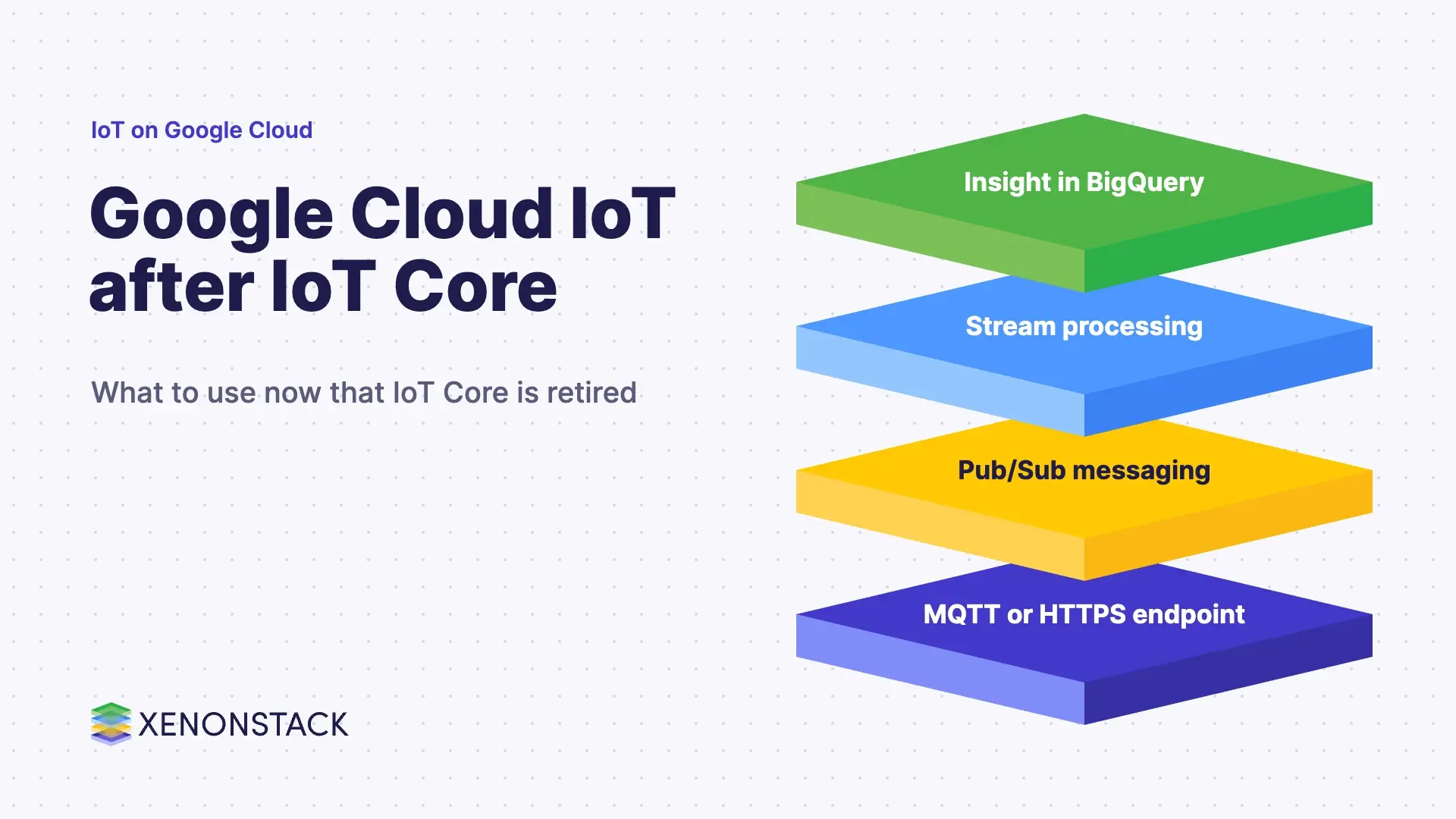
Google Cloud IoT Core was retired in August 2023. See what Google documents today, how Pub/Sub, Dataflow and BigQuery fit, and how to choose.
Cloud-native tools by layer: Kubernetes, Istio, Prometheus, Fluentd and OpenTelemetry, with CNCF status, trade-offs and when not to adopt them.
Container management for enterprise leaders: Docker, Kubernetes, managed and serverless platforms, how to choose, and what to govern in production.
Infrastructure modernization explained: compare lift and shift with replatform and refactor, six key components, governance, cost and an adoption ...
Data catalog architecture explained: components, harvesting workflow, how it differs from a metastore, best practices and what AI agents need from it.
Unit testing explained: what a unit is, how it differs from other test levels, good test traits, frameworks, trade-offs and how AI agents change it.
Cloud orchestration coordinates automated tasks into workflows across multiple clouds. See how it differs from automation, its types and AI agents.
DataOps explained: the 18 manifesto principles, framework, tools and a staged adoption path, plus what agents need from your data operations.
Data validation testing explained: the test types, a step-by-step process, where to run checks in the pipeline and which tools fit, plus the AI angle.
Database testing explained: what to test, structural, functional and non-functional types, tools for SQL Server, Oracle and PostgreSQL, and limits.
Data denormalization adds redundant data to a normalised database to speed up reads. Learn the techniques, risks and when it pays off for your ...
Data modelling for enterprise teams: three levels, model types, six steps, normalised versus dimensional design, tools and how AI agents change it.
Learn how AWS X-Ray traces requests across services and how Grafana visualises them, with setup steps, monitoring use cases and the move to ...
Set up AWS Budgets alerts for actual and forecast spend, send them to email or SNS, add budget actions, and know the update delays before you rely on ...
Learn how Spinnaker works with Kubernetes: pipelines, canary and blue/green, Halyard to Kustomize, and 2026.3 breaking changes, plus when to choose ...
Cloud native databases explained: how they differ from traditional ones, running them on Docker and Kubernetes, and when to choose a managed service.
Apache Arrow explained for enterprise teams: the columnar format, Flight, ADBC, and how it works with Parquet, Spark and pandas, plus trade-offs.
Service-oriented architecture explained: OASIS concepts, design principles, governance, trade-offs, when SOA fits and how AI agents use services.
Edge computing tools compared: AWS Greengrass, Azure IoT Edge, Google Distributed Cloud, KubeEdge and Jetson, with limits and a 3 to 5 year outlook.
Cookies, local storage and session storage compared on lifetime, size, scope and security, with a decision table and security rules for web teams.
Digital engineering explained for enterprise leaders: the DoD definition, tools, digital twins, adoption steps, AI agent governance and risks.
Microservices vs monolithic architecture compared: deployment, scaling, data and teams, when to choose each, role of containers, and how AI agents ...
Eight big data challenges, from skills and integration to security and cost, with practical fixes and a governance view for enterprise leaders.
Compare application orchestration tools: Kubernetes, Nomad, Amazon ECS, Swarm, OpenShift and Rancher, with current status and how to choose.
Database managed services hand monitoring, backups, patching and audits to a provider under an SLA. See what to include and how to compare options.
What is DevSecOps? A plain guide for enterprise teams: meaning, lifecycle stages, SAST, DAST and SCA, NIST and OWASP references and an adoption plan.
Out-of-band application security testing (OAST) explained: how callbacks find blind SSRF, XXE and SQLi, tools, governance, limits and an adoption ...
Generative adversarial networks explained for enterprise leaders: how GANs work, main types, applications, limits against diffusion models and ...
What a security operations center (SOC) does, how to structure one, which tools it needs and how to build it, using NIST CSF 2.0 and MITRE guidance.
ATDD tools compared: Cucumber, Reqnroll, Robot Framework, Gauge and Serenity BDD, the SpecFlow end of life, a four-step cycle and when to avoid ATDD.
Flutter widgets list with 14 categories, stateless vs stateful widgets and the widget hierarchy, plus testing and governance tips for enterprise ...
Rook automates Ceph block, file and object storage on Kubernetes. See how the operator works, what you need to install it and where AI agents can ...
KrakenD API gateway for microservices: what it is, how to run it, features by edition, how it compares with Kong and Nginx, and when to use one.
Compare Java (Spring Boot) and Go (Go kit, Go Micro) for microservices: when each fits, what to measure, and when a modular monolith is the better ...
DevOps best practices for data engineers: CI/CD, infrastructure as code, containers, observability and DORA metrics, with an adoption order for data ...
How to run infrastructure as code in a CI/CD pipeline: plan on pull request, apply on merge, policy checks, drift detection, tool status and ...
Transparent AI makes an AI system's data, logic and decisions open to checking. See the main challenges, practical approaches and what agents change.
DevSecOps in CI/CD explained: where secret scanning, SCA, SAST and DAST sit in the pipeline, how to protect the pipeline, and which standards apply.
DevSecOps for microservices: edge, service-to-service and per-service controls, ownership, trade-offs and an adoption sequence, grounded in NIST and ...
Chatbots vs AI agents for business: where rule-based bots fit, what agents add, current platforms, EU AI Act disclosure and an adoption sequence.
An IDE combines editor, build, debug and source control. See IDE types, AI agent controls, selection criteria and governance for enterprise teams.
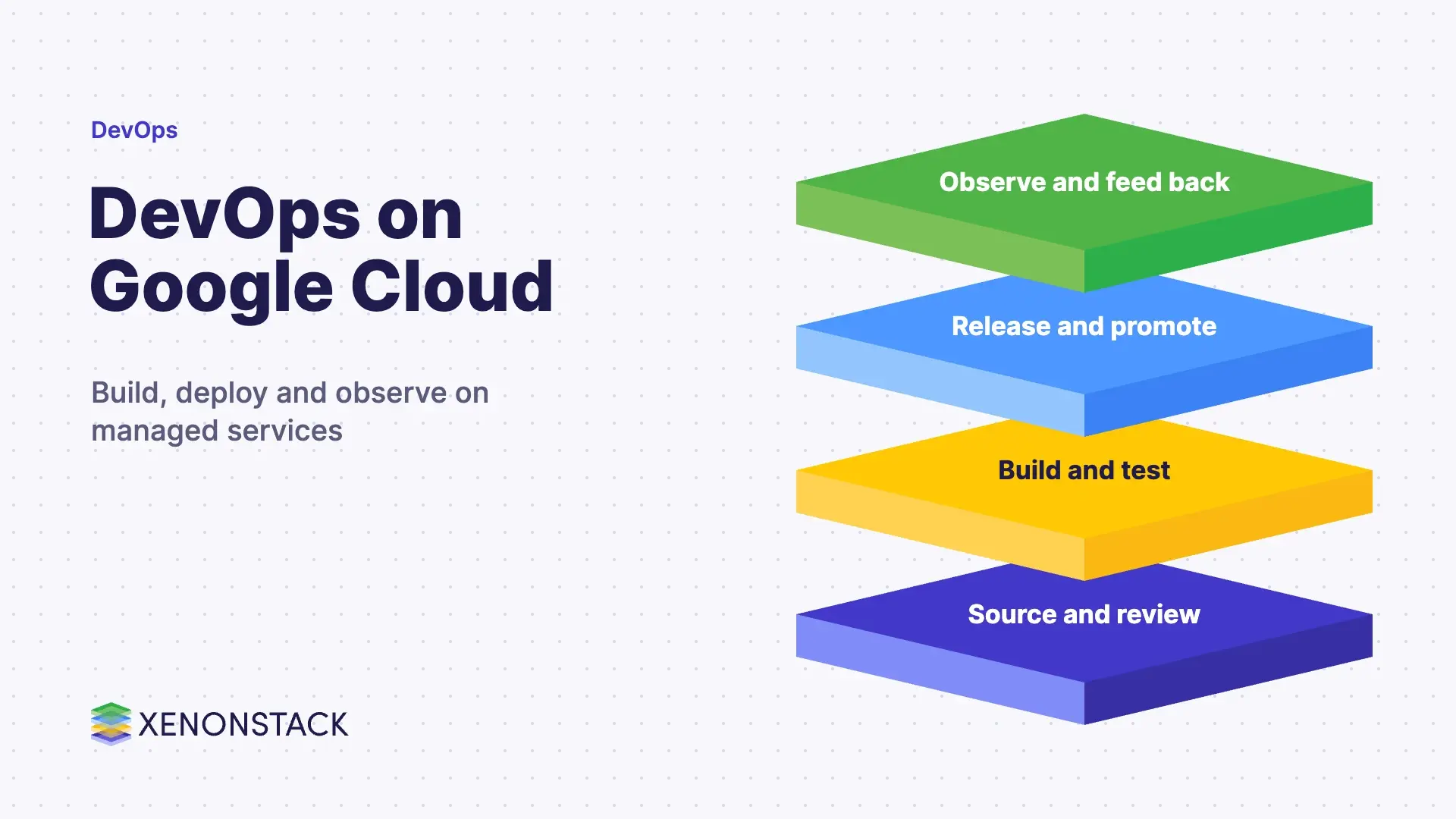
DevOps on Google Cloud links source, build, deploy and monitoring on managed services. See current tools, pipeline stages and what has been retired.
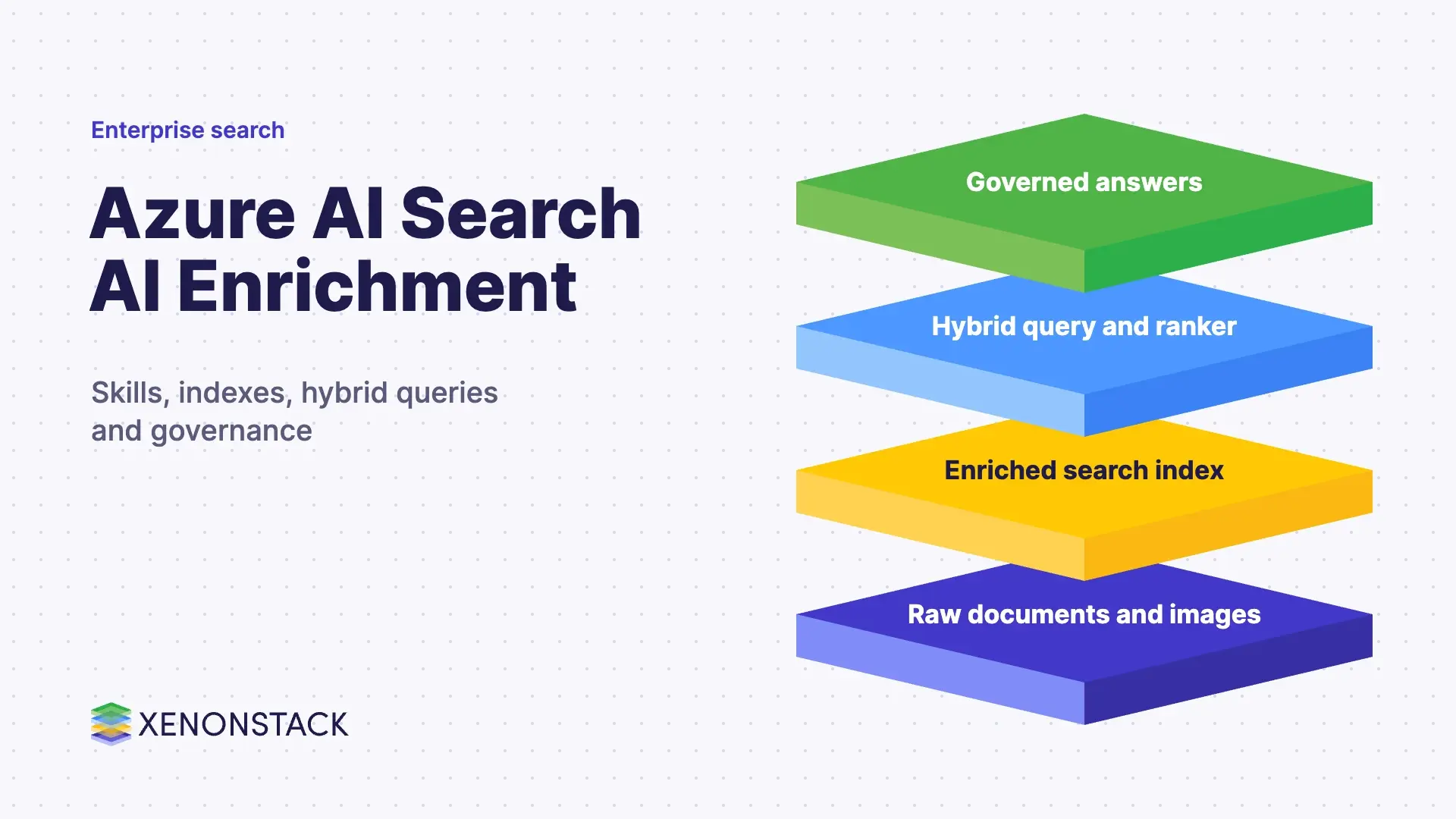
Azure AI Search, formerly Azure Cognitive Search: how AI enrichment, skillsets, hybrid search, limits and governance work, with a sequence to adopt ...
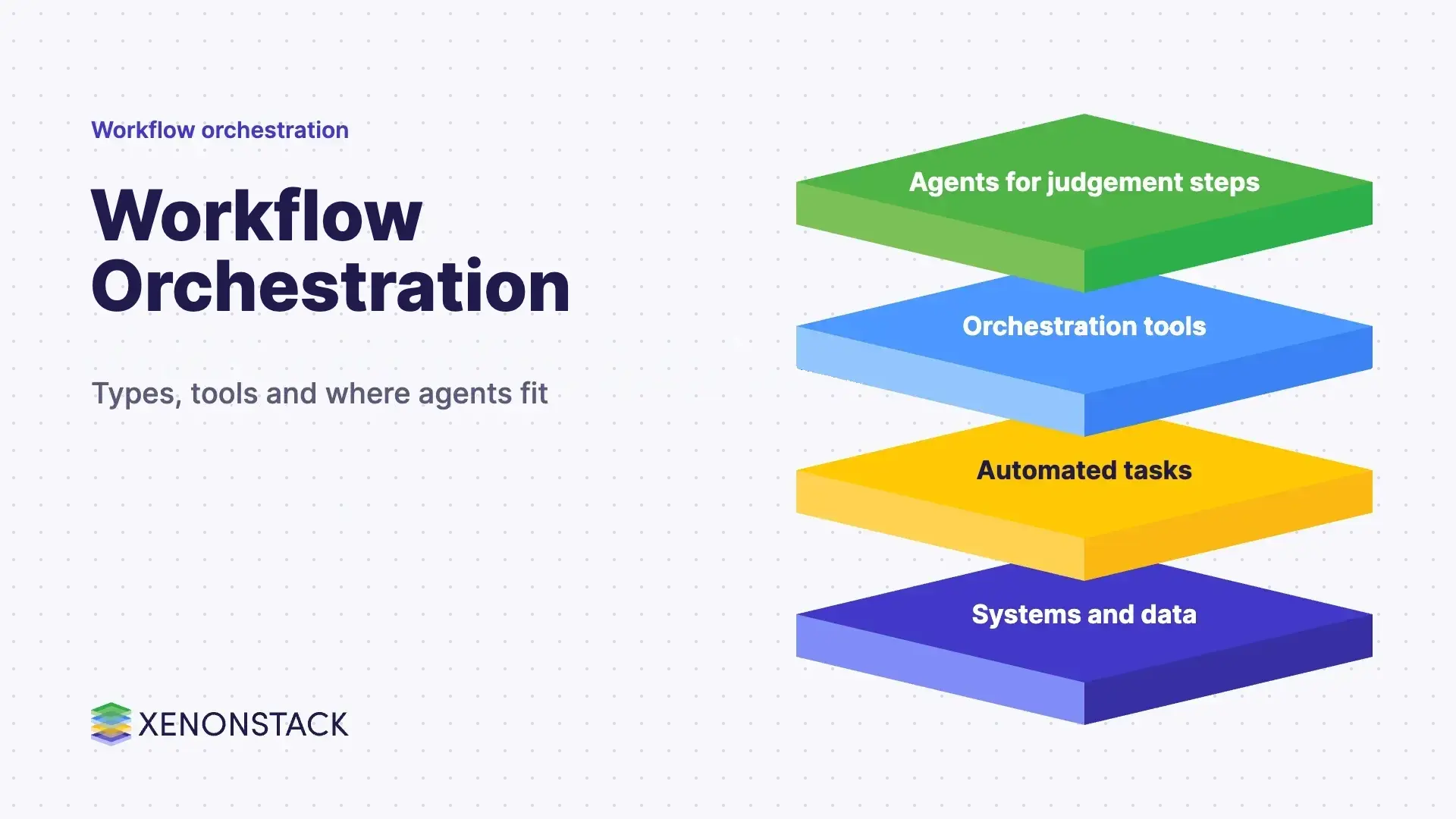
Workflow orchestration coordinates automated tasks into one process. See how it differs from automation, the main types, tools and how AI agents ...
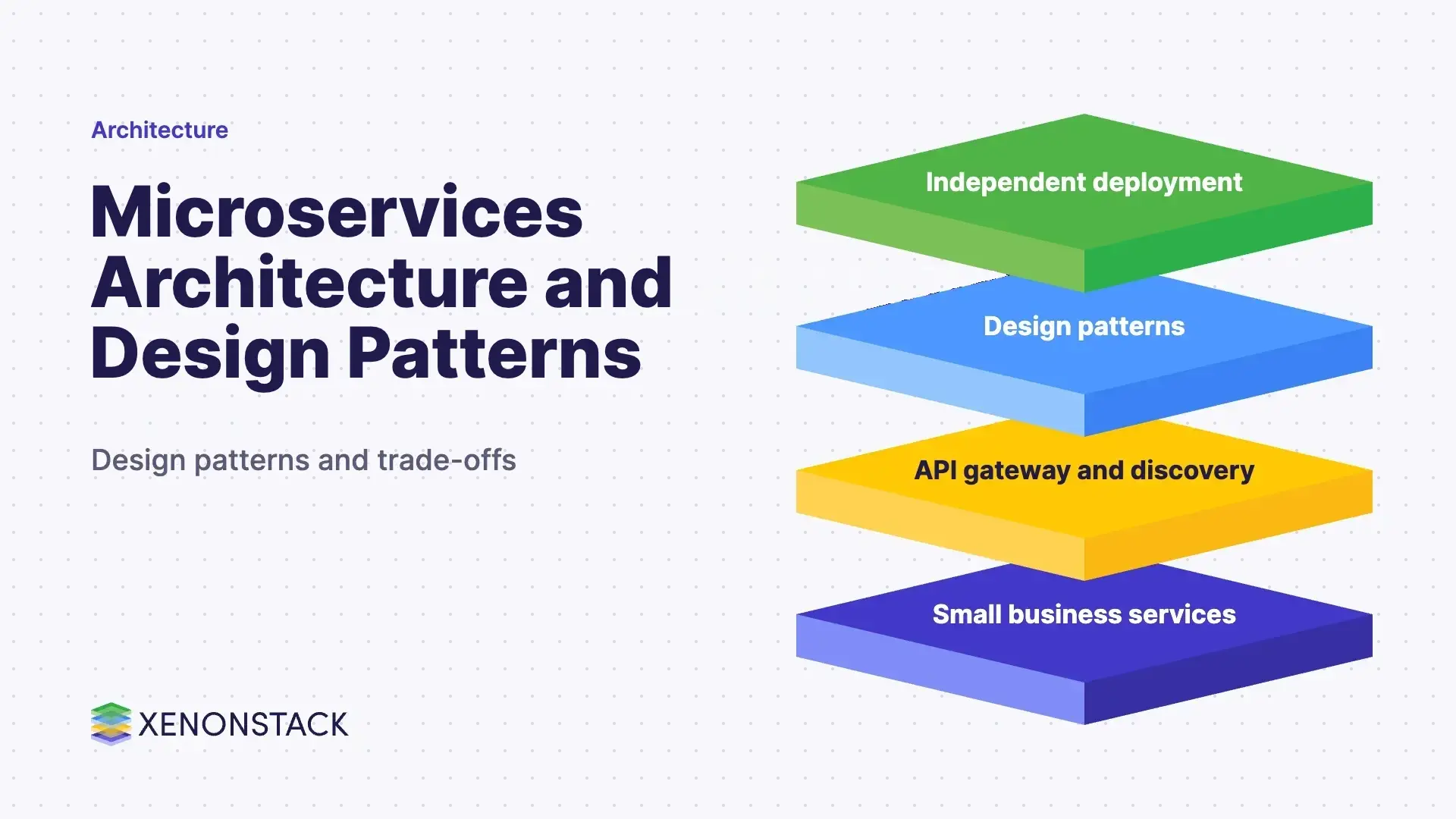
Microservices split an application into small services that deploy independently. See the main design patterns, trade-offs and how AI agents fit in.
Intelligent automation explained for enterprise leaders: how it differs from RPA, the stack, an adoption sequence and how to govern AI agents.
Intelligent RPA adds AI to rule-based bots. Learn how bots work, adoption steps, tool selection criteria and what agentic workflows add beyond fixed ...
Forecasting estimates future values from past data. Compare qualitative, time series and causal methods, benchmark them and measure accuracy.
Cloud security best practices for 2027: shared responsibility, identity, data, network, detection, response, compliance and agent access, mapped to ...
Terraform explained for enterprise leaders: plan and apply, remote state, licensing and OpenTofu, IBM ownership, and how to govern infrastructure ...
Agentic automation lets AI agents plan and run workflow steps beyond fixed RPA rules. See how it differs, where it fits, the risks and how to start ...
Micro frontend architecture explained: integration methods, design principles, trade-offs and when to use it, with a step-by-step adoption path for ...
Augmented intelligence uses AI to support human judgement, not replace it. See how it works, how it differs from AI, use cases and the role of AI ...
Big data managed services explained: what providers run, how they compare with cloud-managed options, how AI agents change operations and what to ask.
Continuous intelligence builds real-time analytics into operations. Learn how it works, how it differs from BI, key use cases and how AI agents ...
Edge computing processes data near its source. See uses in manufacturing, healthcare, transport, finance, retail and energy, and how AI agents help.
Multi-access edge computing (MEC) explained: ETSI architecture, 5G links, benefits, limits, vendor status and a 3 to 5 year outlook for enterprise ...
Probability forecasting gives a range of outcomes, not one number. Learn how it is built, scored and used in supply chains and by AI agents.

XenonStack recognized as AWS Machine Learning Competency Partner for experience in Applied AI, ML Platform Solutions,Generative AI and ML Operations.
Six DevOps adoption challenges and how to fix them: legacy migration, tool integration, process change, training and culture, measured with DORA ...
Security testing in DevOps explained: which tests to run (SCA, SAST, DAST, penetration), tools, OWASP and NIST standards, and how to build a ...
Continuous security for CTOs and CISOs: controls by pipeline stage, NIST SSDF and SLSA, container hardening, myths, trade-offs and an adoption ...
How a convolutional recurrent neural network (CRNN) reads text from images, its limits, alternatives such as TrOCR, and governance for enterprise use.
A modern data warehouse separates storage from compute and queries lakes in parallel. Compare Azure, AWS and Snowflake and learn best practices.
Data warehouse modernisation explained: public, private and hybrid cloud models, a migration plan, lake versus warehouse and what AI agents need.
XOps groups DevOps, DataOps, MLOps, ModelOps and PlatformOps. See each component, how they connect, and how enterprises should sequence adoption.
Cloud data warehouse guide: how Snowflake, BigQuery, Redshift and Microsoft options differ on billing, scale and fit, with use cases, risks, a ...
Implement DataOps on AWS, Azure and GCP: map practices to managed services, compare platform choices and follow a staged adoption path for data teams.
Learn what continuous delivery is, how it differs from continuous deployment, the DORA practices behind it, and how to choose and govern CD tools.
Deployment automation moves software to test and production with a repeatable pipeline. See the practices, common challenges and how AI agents help.
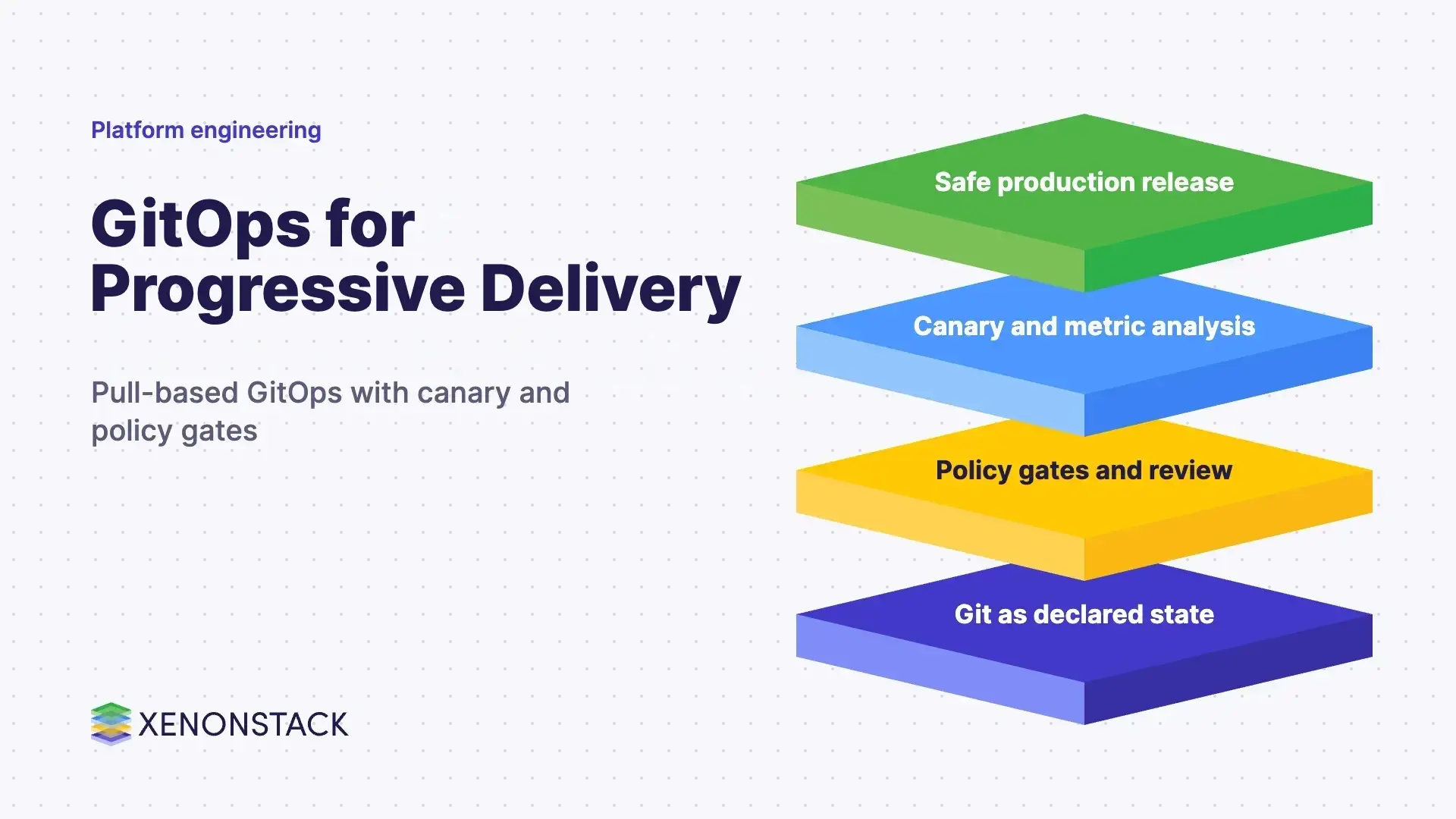
GitOps for progressive delivery in 2027: OpenGitOps principles, Argo CD and Flux, Argo Rollouts vs Flagger, drift, policy gates and agents under ...
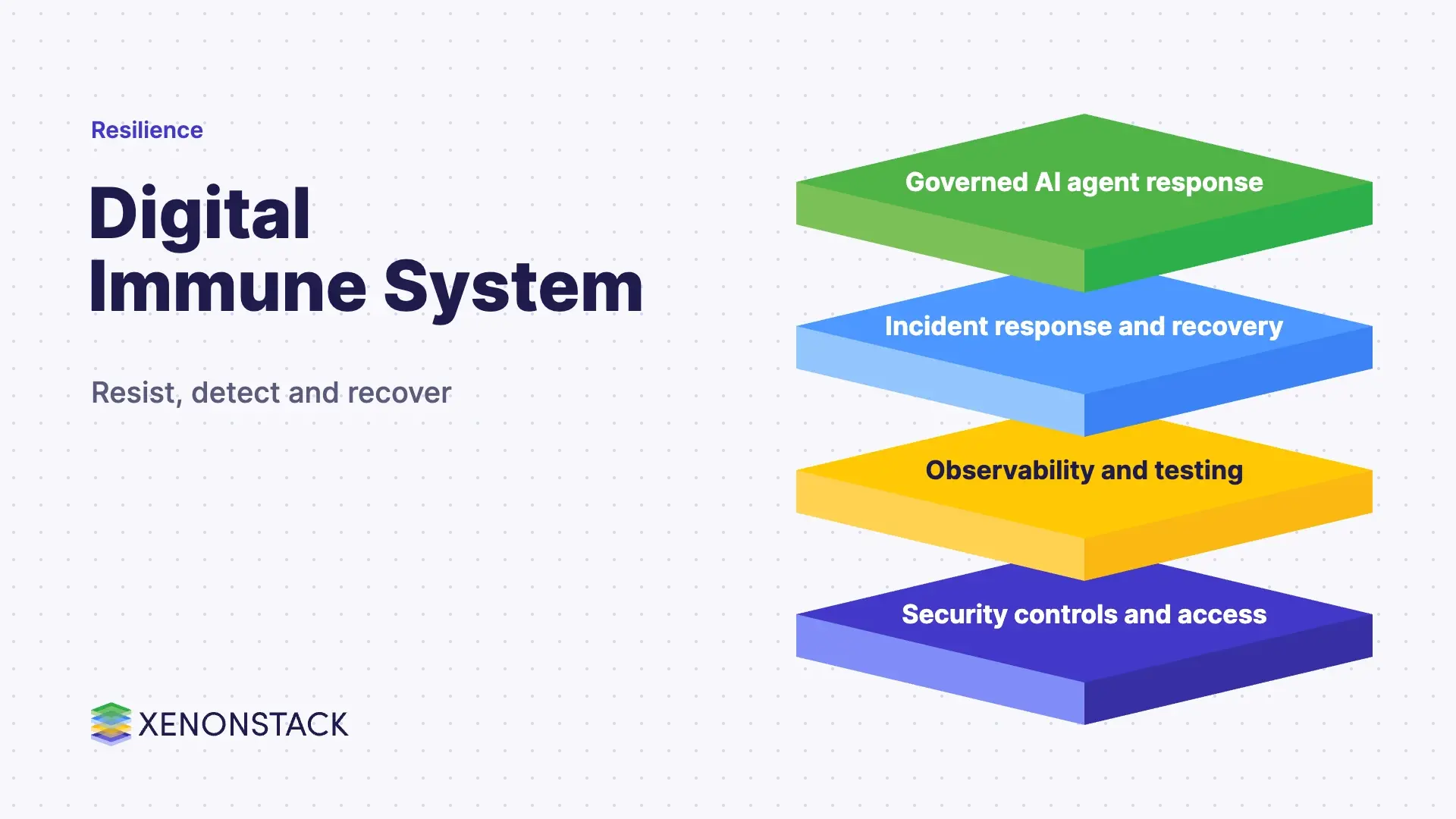
A digital immune system combines practices that help software resist failure and attack. See its components, a build plan and the role of agents.
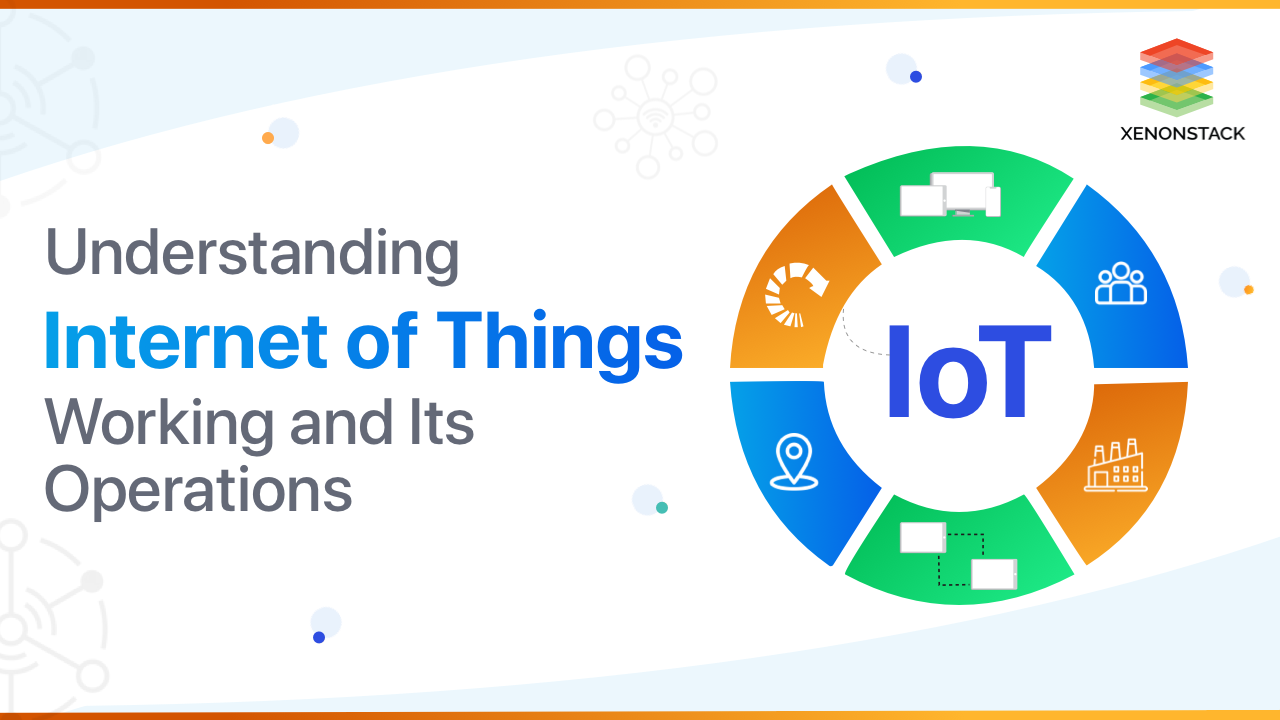
Internet of Things Working, Tools and Use Cases for Enterprises to Operate in Network with connected devices to gather and share data using sensors.
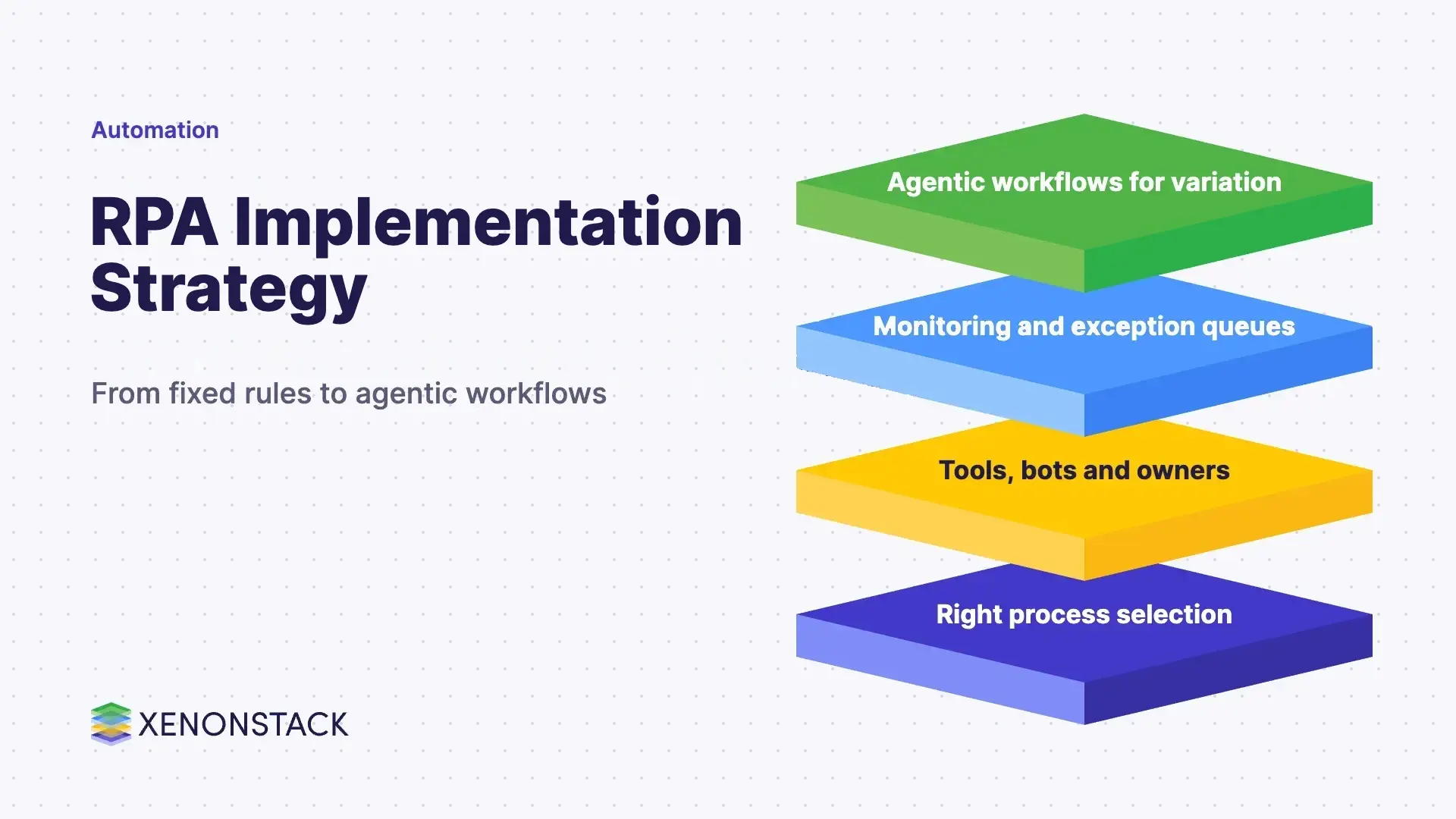
An RPA implementation strategy starts with the right process, owners and exception handling. See the key elements and where agentic workflows add ...
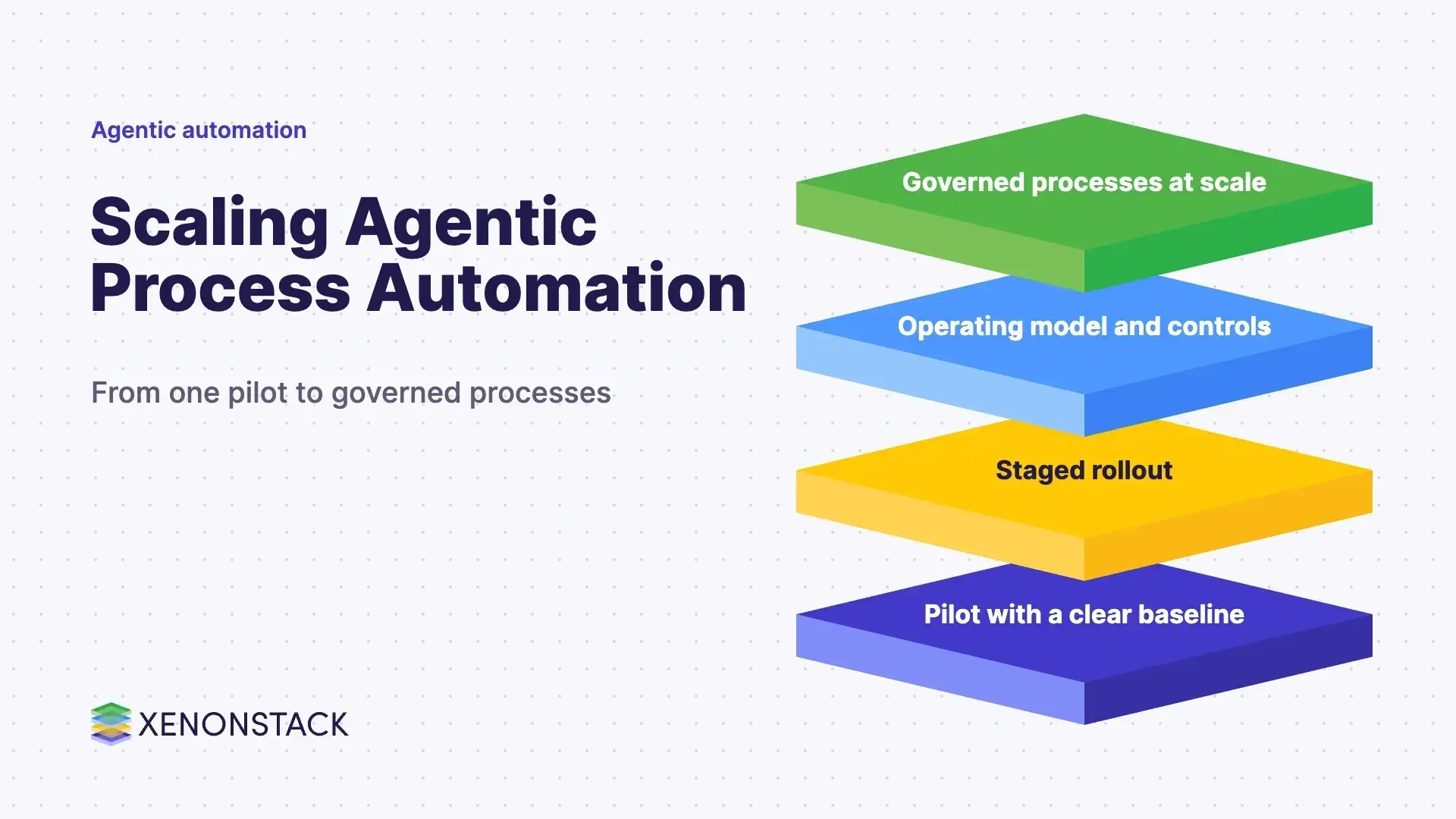
How to scale agentic process automation from one pilot to many governed processes: when to use agents, a staged rollout, operating model and controls.
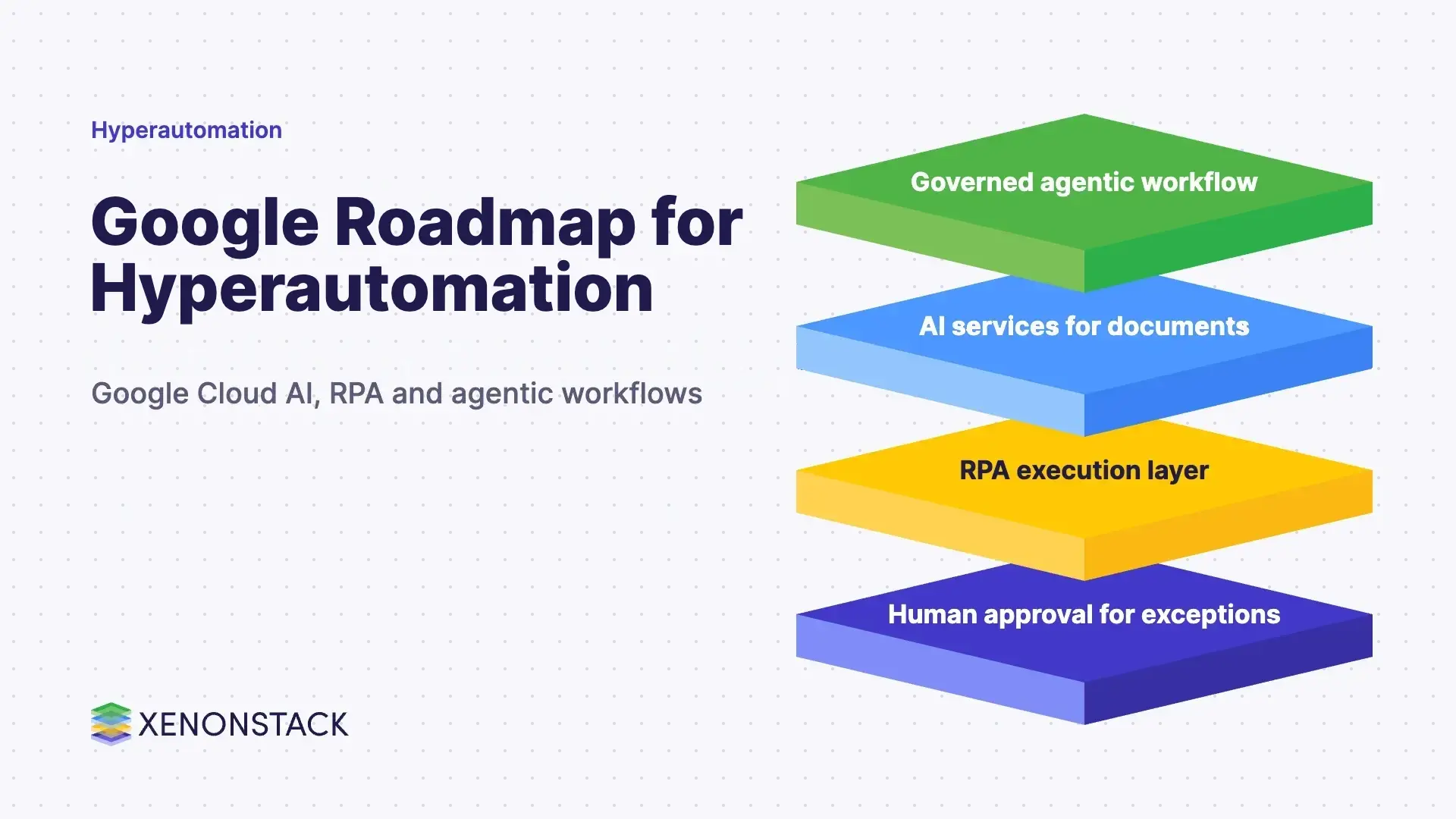
Google Cloud AI plus RPA, explained for enterprise leaders: Document AI, Vision and Language services, vendor status, agentic workflows and ...
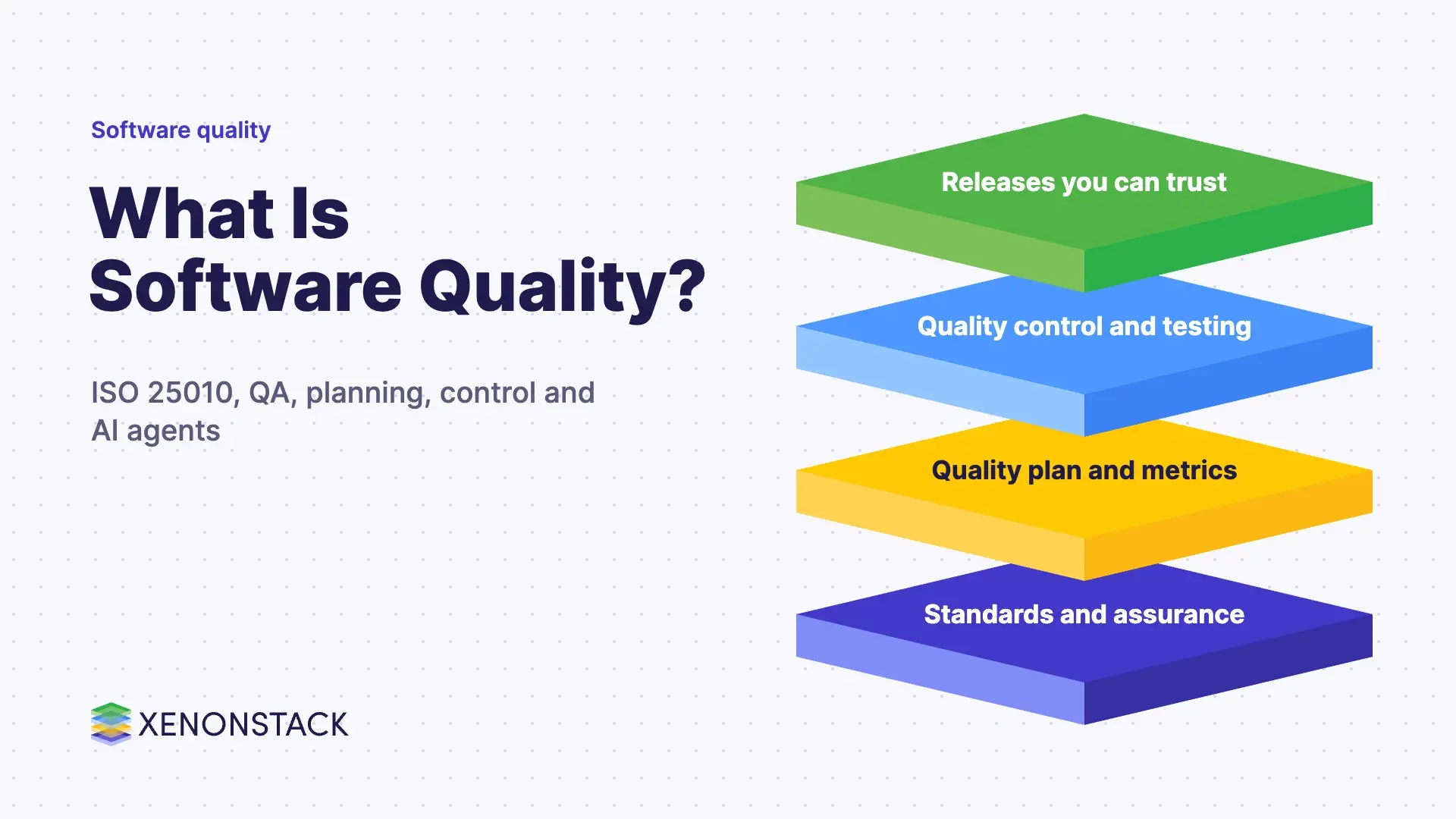
Software quality explained: the ISO/IEC 25010 model, QA vs planning vs control, a staged adoption plan, common tools and how AI agents change QA work.
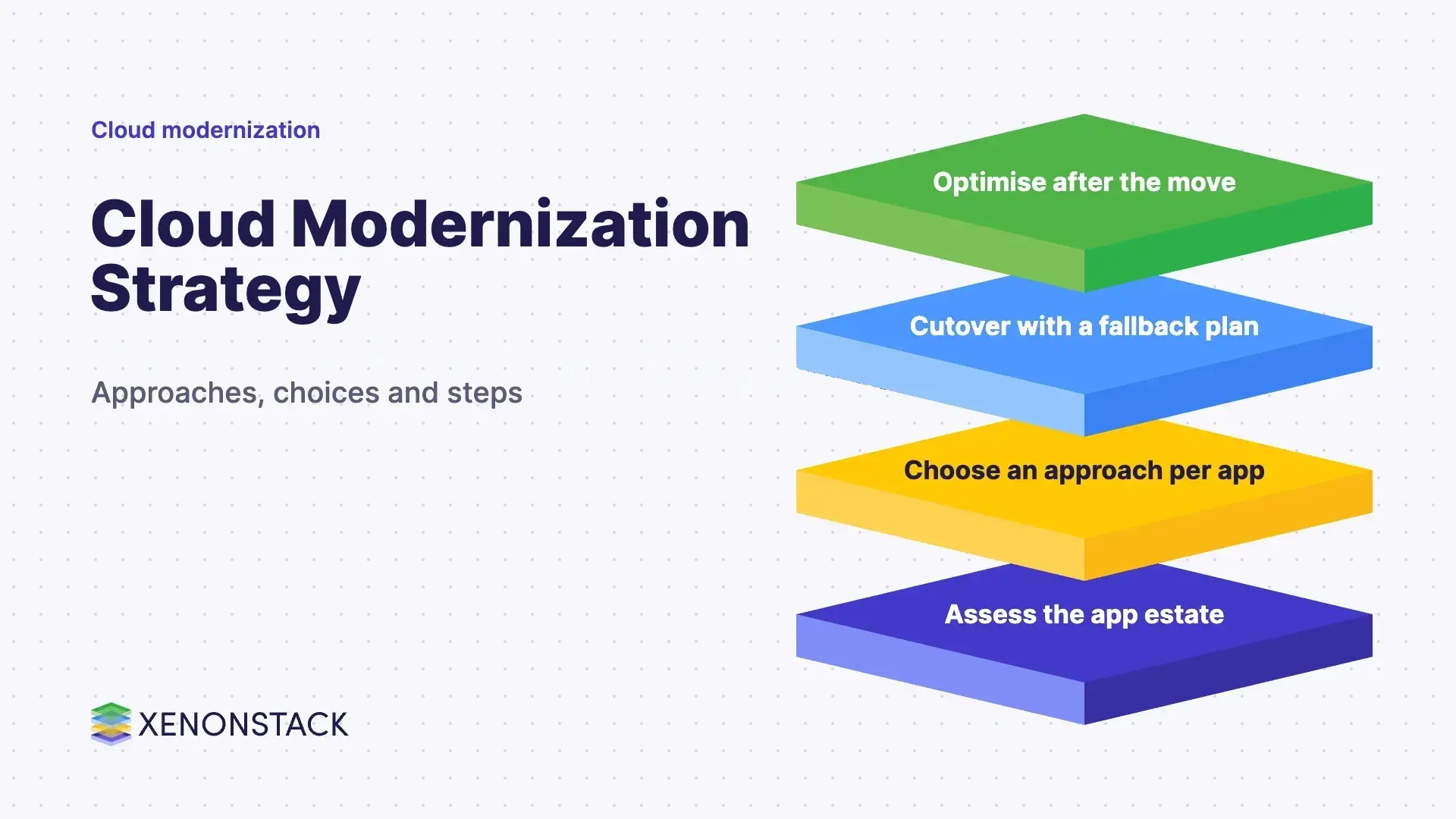
A cloud modernization strategy explained: the rehost, replatform, refactor and other approaches, how to choose per application, and a step by step ...
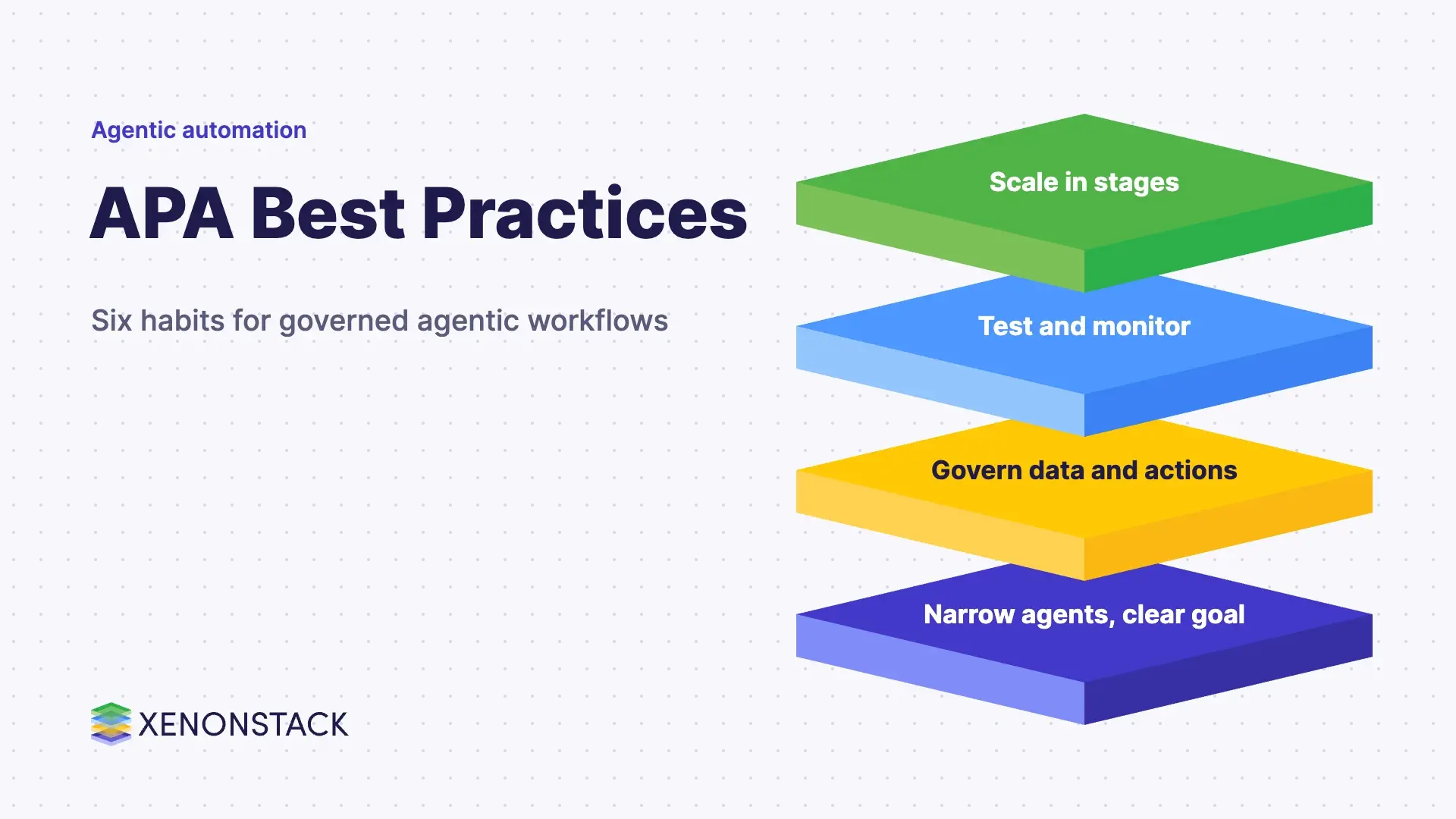
Agentic process automation best practices for enterprise leaders: set goals, govern agents, keep humans in charge, test, monitor and scale in stages.
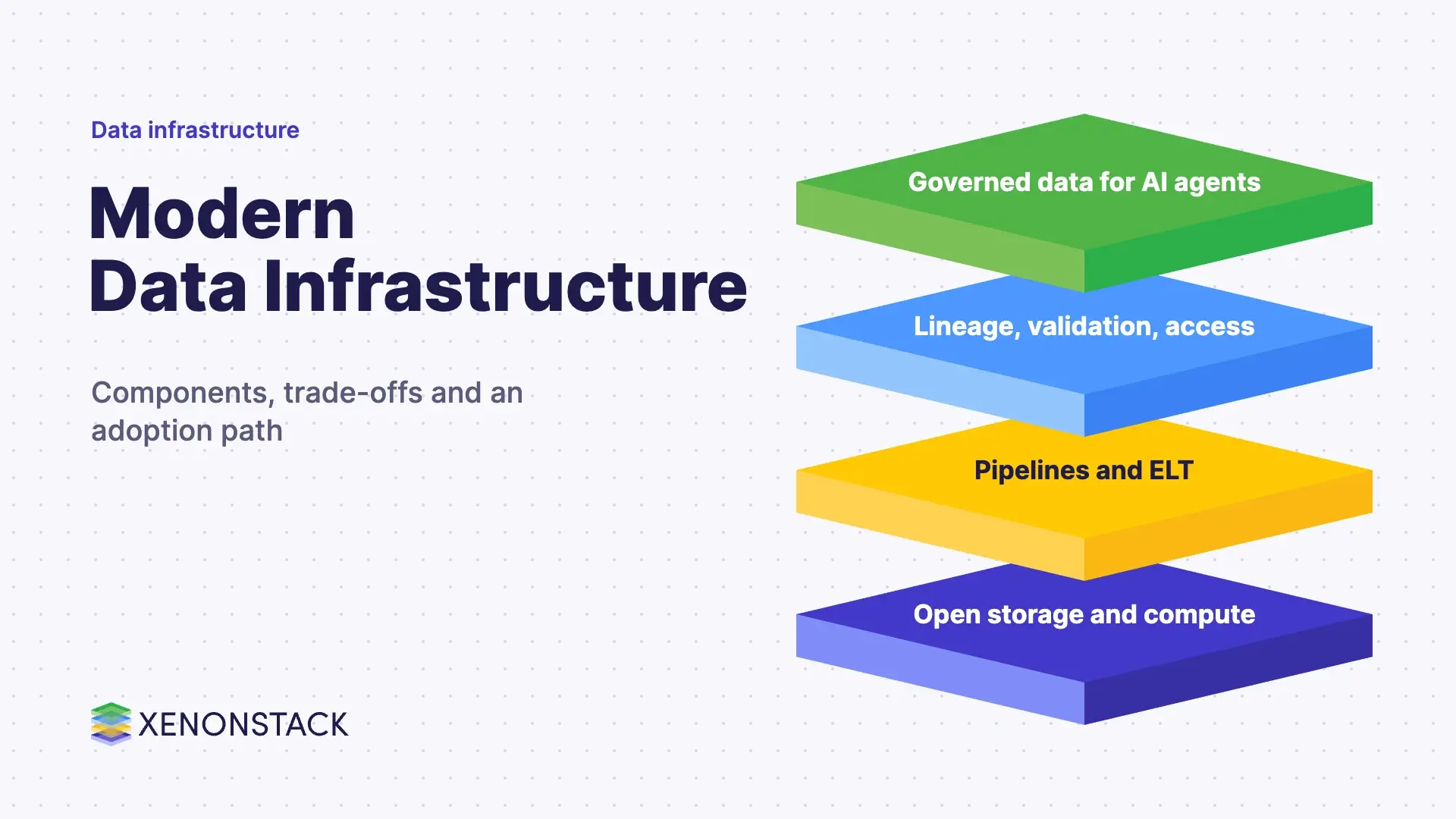
Modern data infrastructure explained: components, warehouse vs lakehouse, ELT, validation, governance, cost and a five-step adoption path for data ...
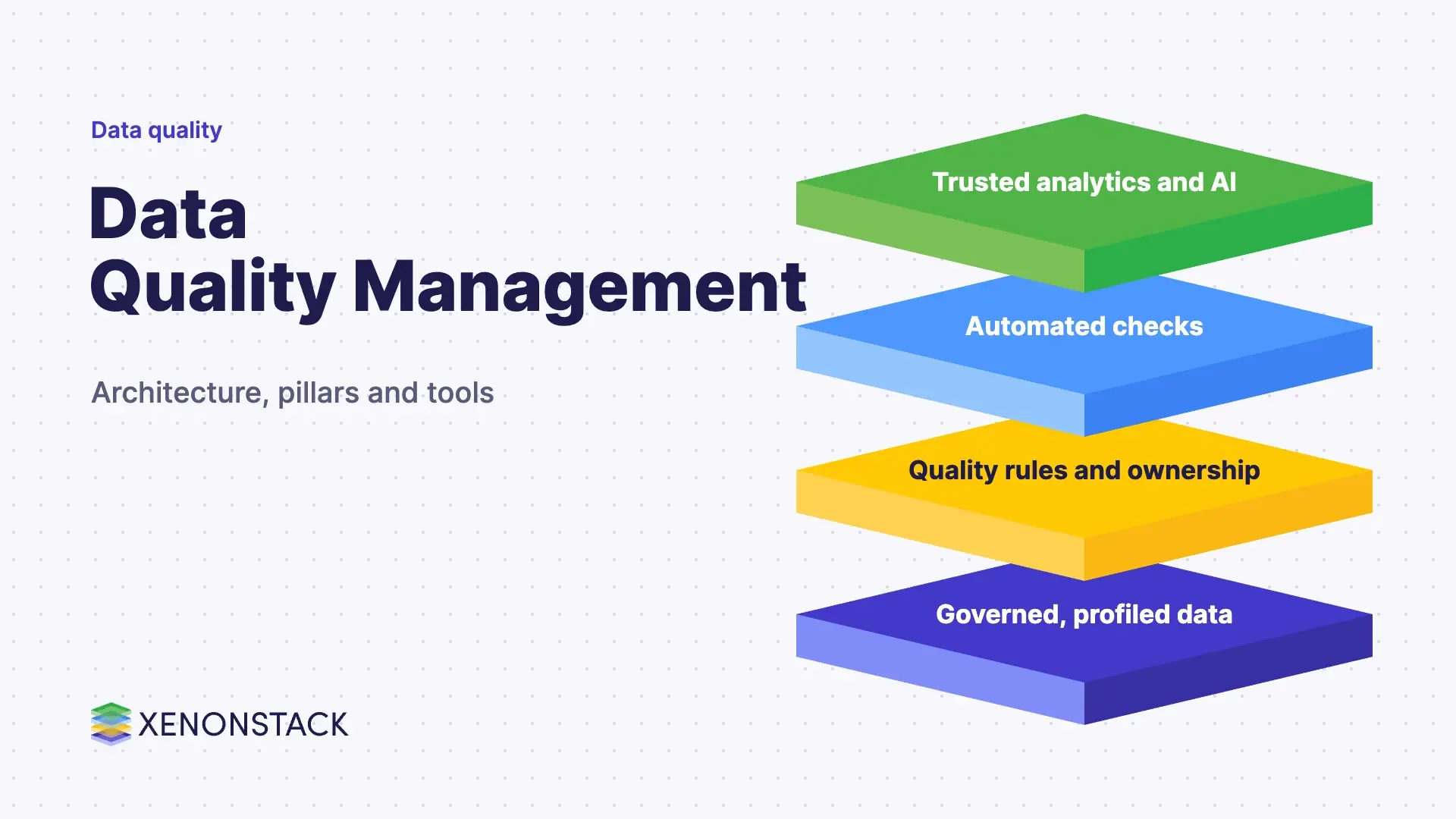
Data quality management explained: the architecture, five quality pillars, tools such as Deequ and the status of Griffin and DQS, plus practices that ...

We have taken a big step forward for our customers and community as we officially joined the Linux Foundation and Cloud Native Computing Foundation.
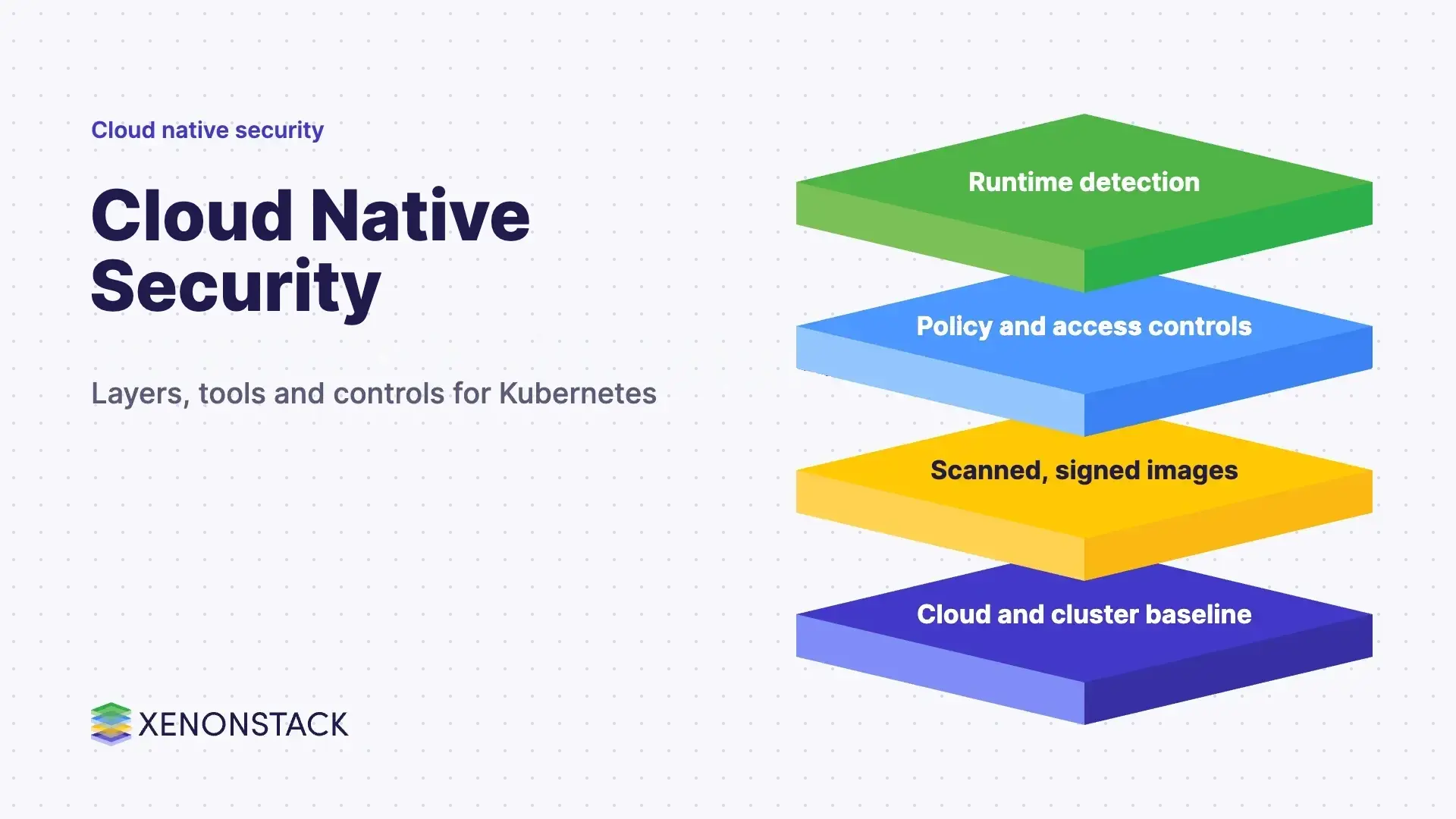
Cloud native security protects containers, clusters and pipelines across their lifecycle. See the 3 Rs, four layers, tools, controls and first steps.
Where AI agents fit in user acceptance testing: tasks to hand over, tasks that stay with business users, OWASP and NIST controls and a staged rollout.
Learn how Open Policy Agent works, how to add it to cloud native services and Kubernetes with Gatekeeper, and where policy as code fits. Updated for ...
How 3D and multidimensional data visualization works: when 3D helps, techniques for many variables, three.js and WebGL basics, tools and governance.
Cloud native vs traditional applications: compare architecture, release speed, resilience and cost, and decide which workloads to modernise first.
Business process automation uses software to run repeatable processes end to end. Compare its types, see where RPA and AI agents fit, and start.
Data lineage explained: what it is, how it is captured, the 5 W's, best practices and open tools, plus why it matters for governed data and AI agents.
The productivity paradox asks why technology spend does not always raise output. See how RPA and AI agents help, where they cannot, and what to do ...
A responsible metaverse builds privacy, safety and interoperability into immersive worlds. See its characteristics, risks, use cases and what to do ...
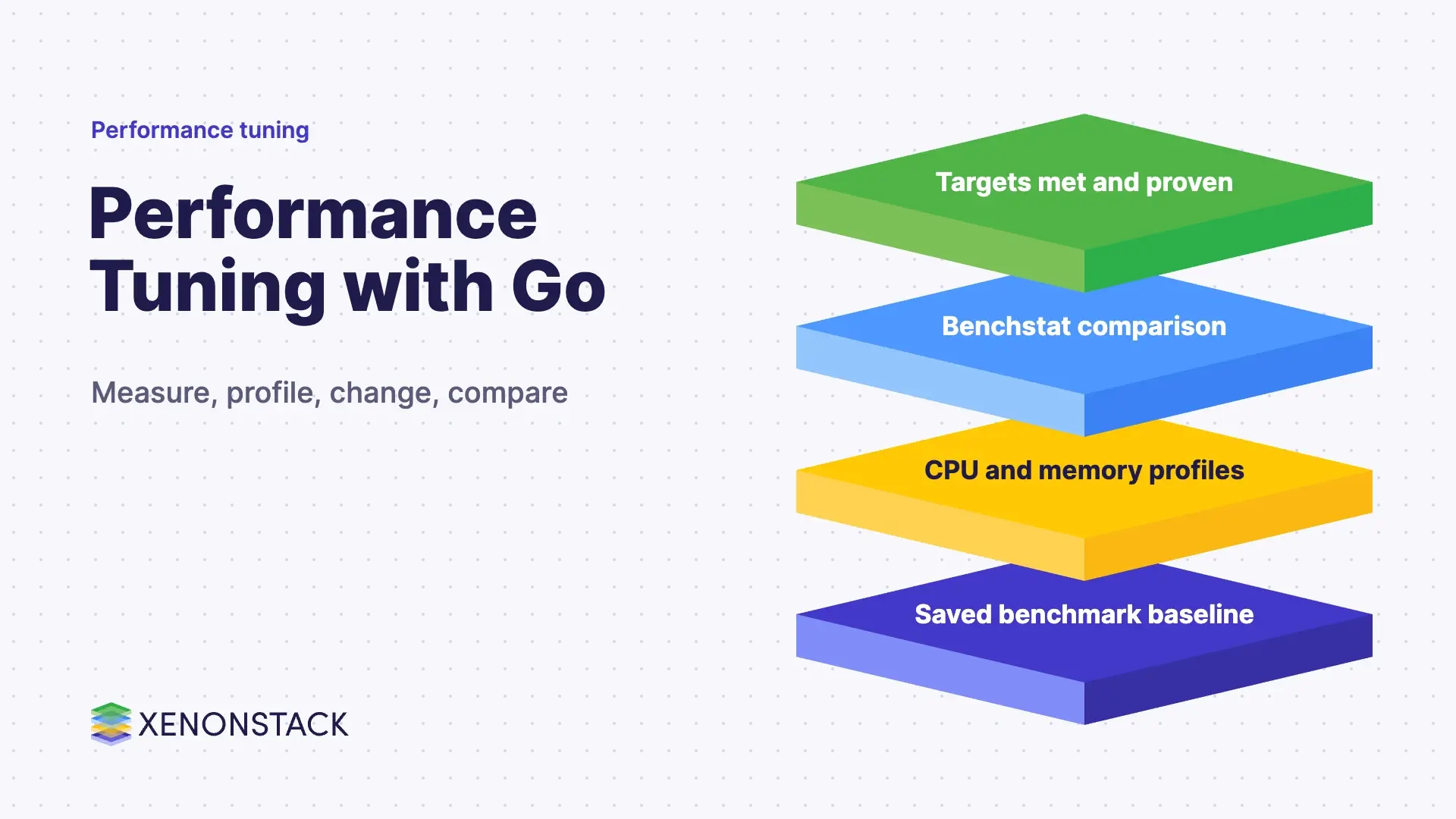
Performance tuning explained: find the bottleneck, profile CPU and memory, benchmark in Go, compare runs with benchstat, and see how AI agents help.
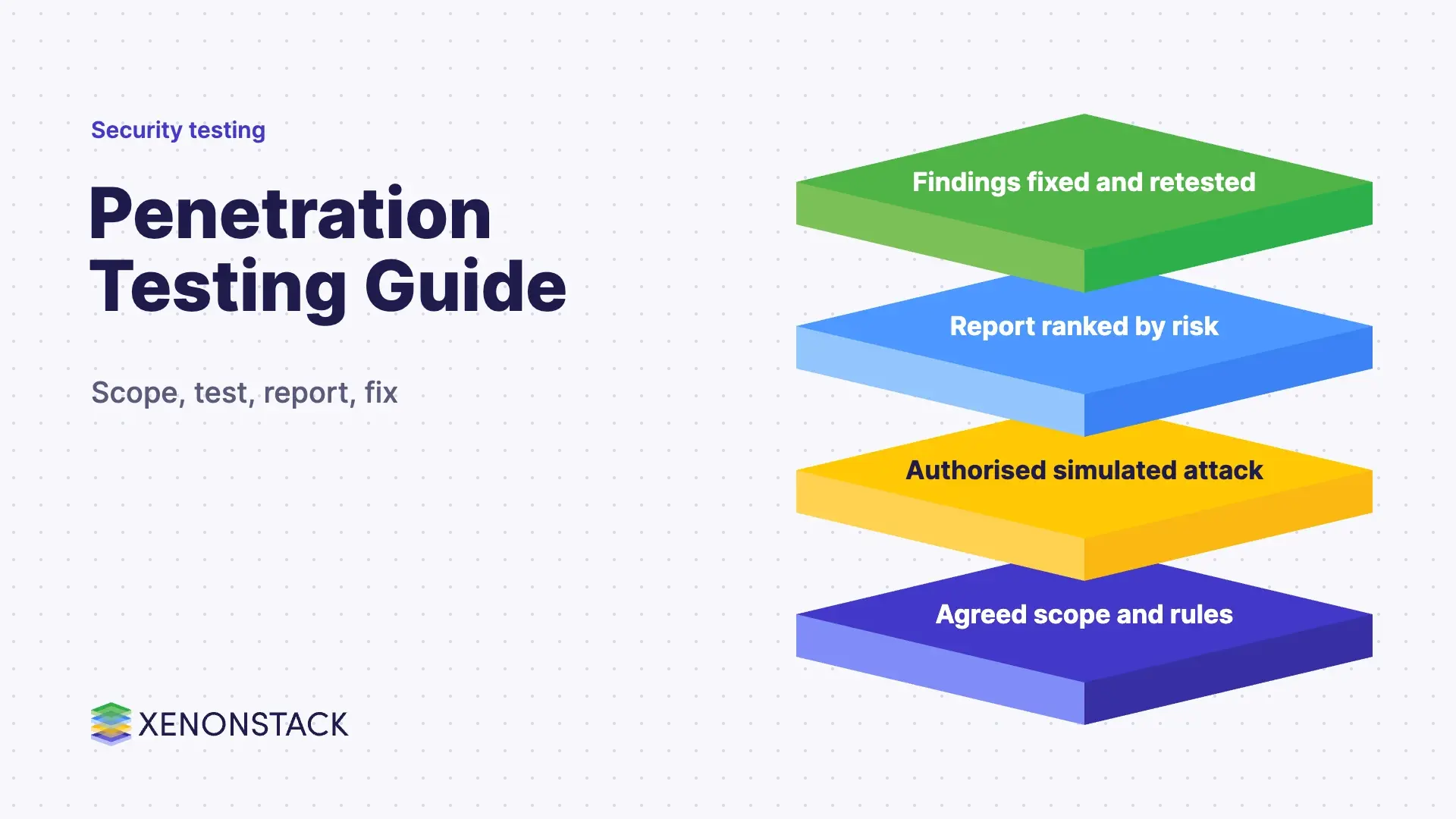
Penetration testing explained: what it is and is not, black, grey and white box types, the stages of a test, scoping, and how AI agents change it.
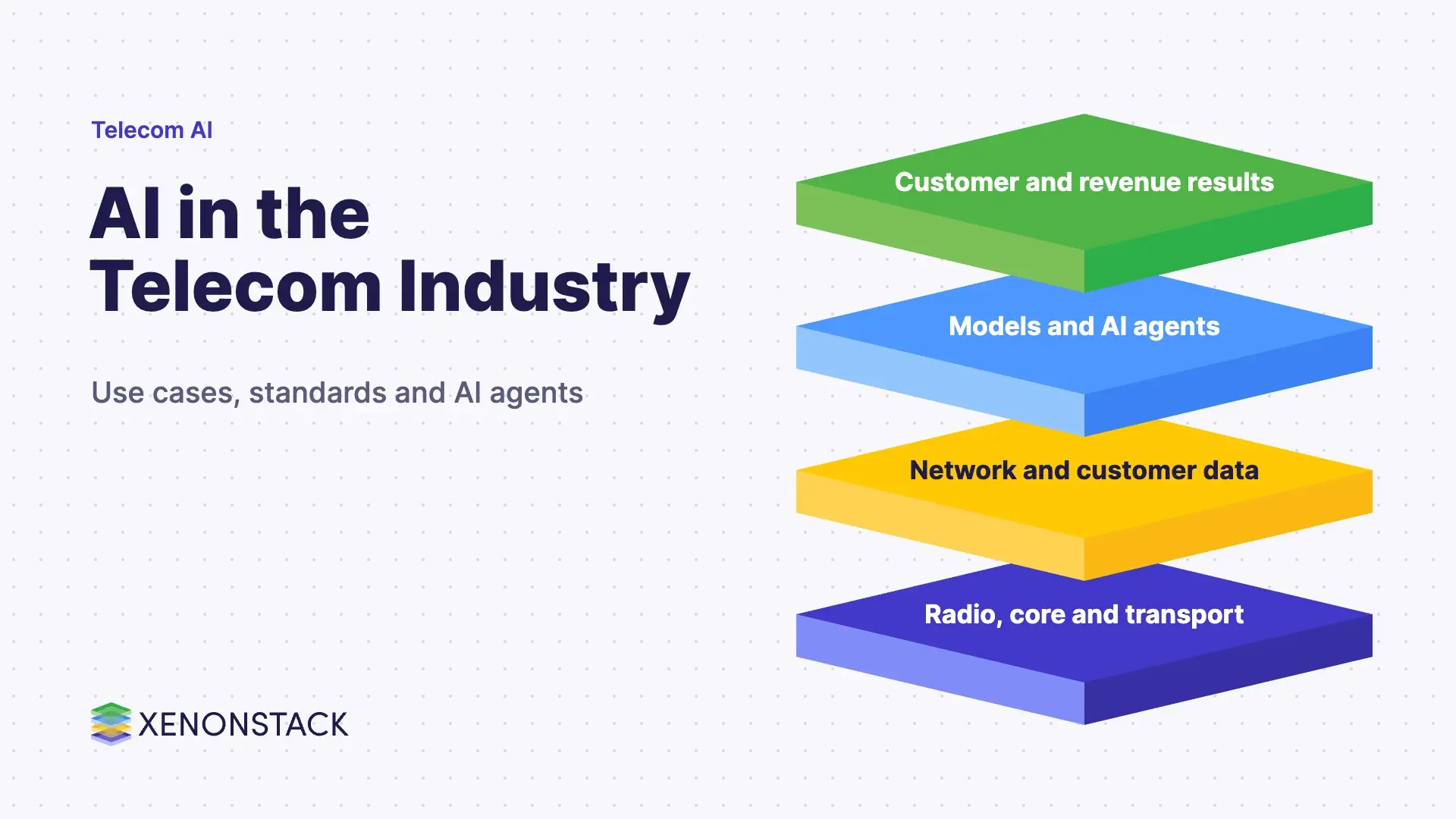
AI in telecom covers network operations, fraud, maintenance and customer service. See the main use cases, what 3GPP and ETSI say, and how AI agents ...
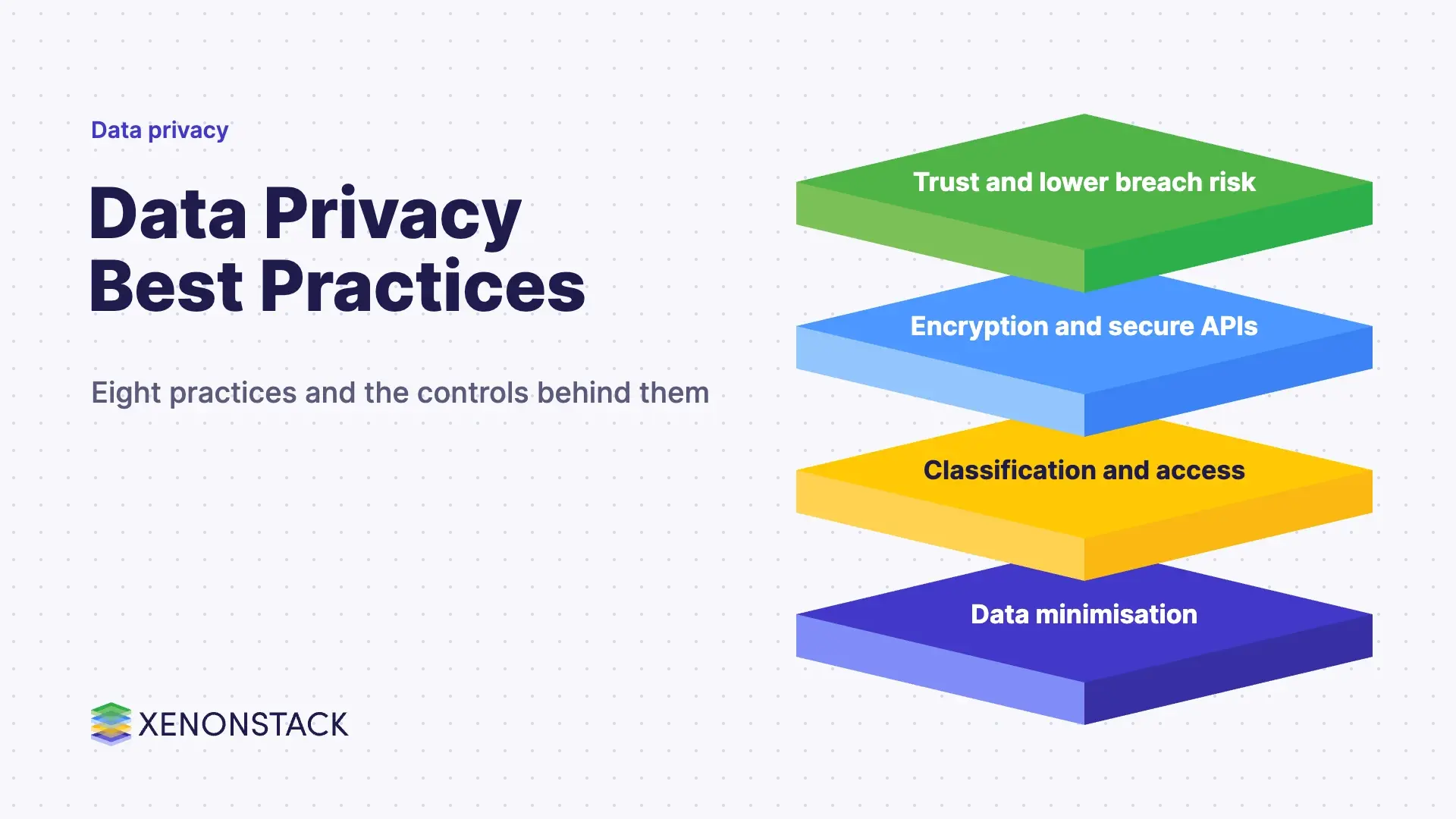
Eight data privacy best practices for business: minimise, classify, protect endpoints, encrypt with current standards, detect PII, and secure APIs.
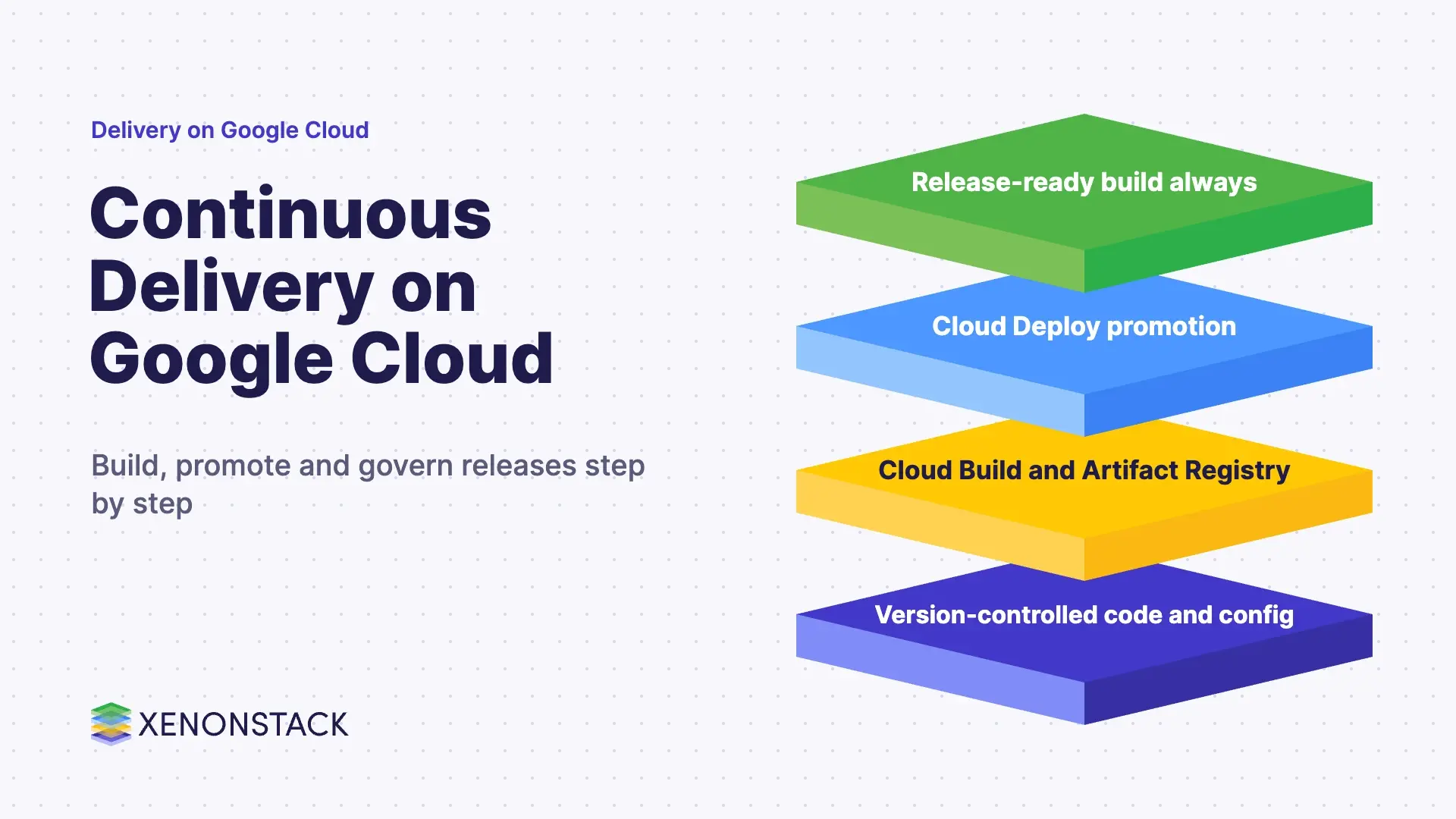
Build a continuous delivery pipeline on Google Cloud with Cloud Build, Artifact Registry, Cloud Deploy and Binary Authorization, with canary and ...
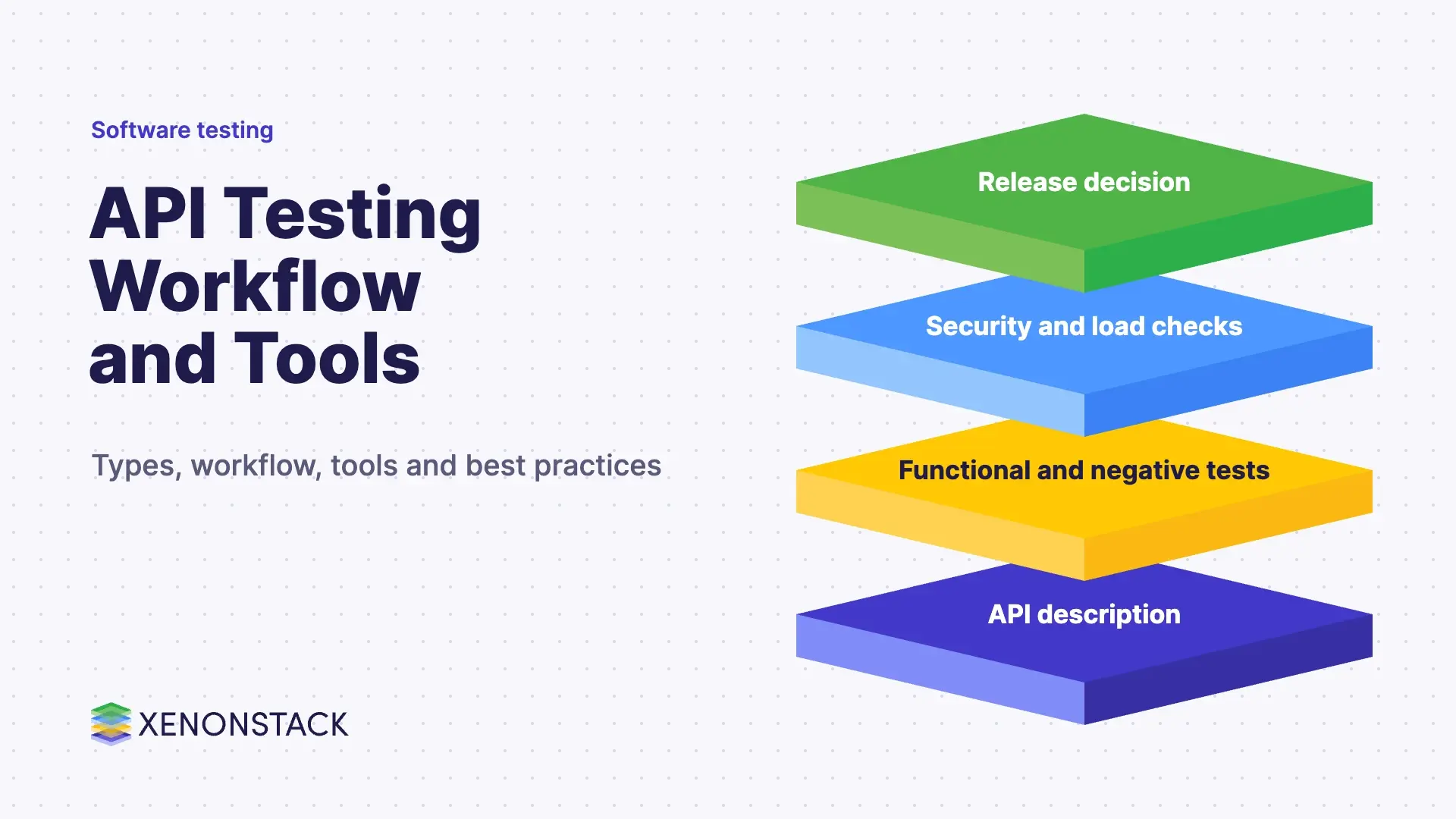
API testing explained for enterprise leaders: types of test, request and response basics, OWASP checks, a CI workflow and how to choose tools like ...
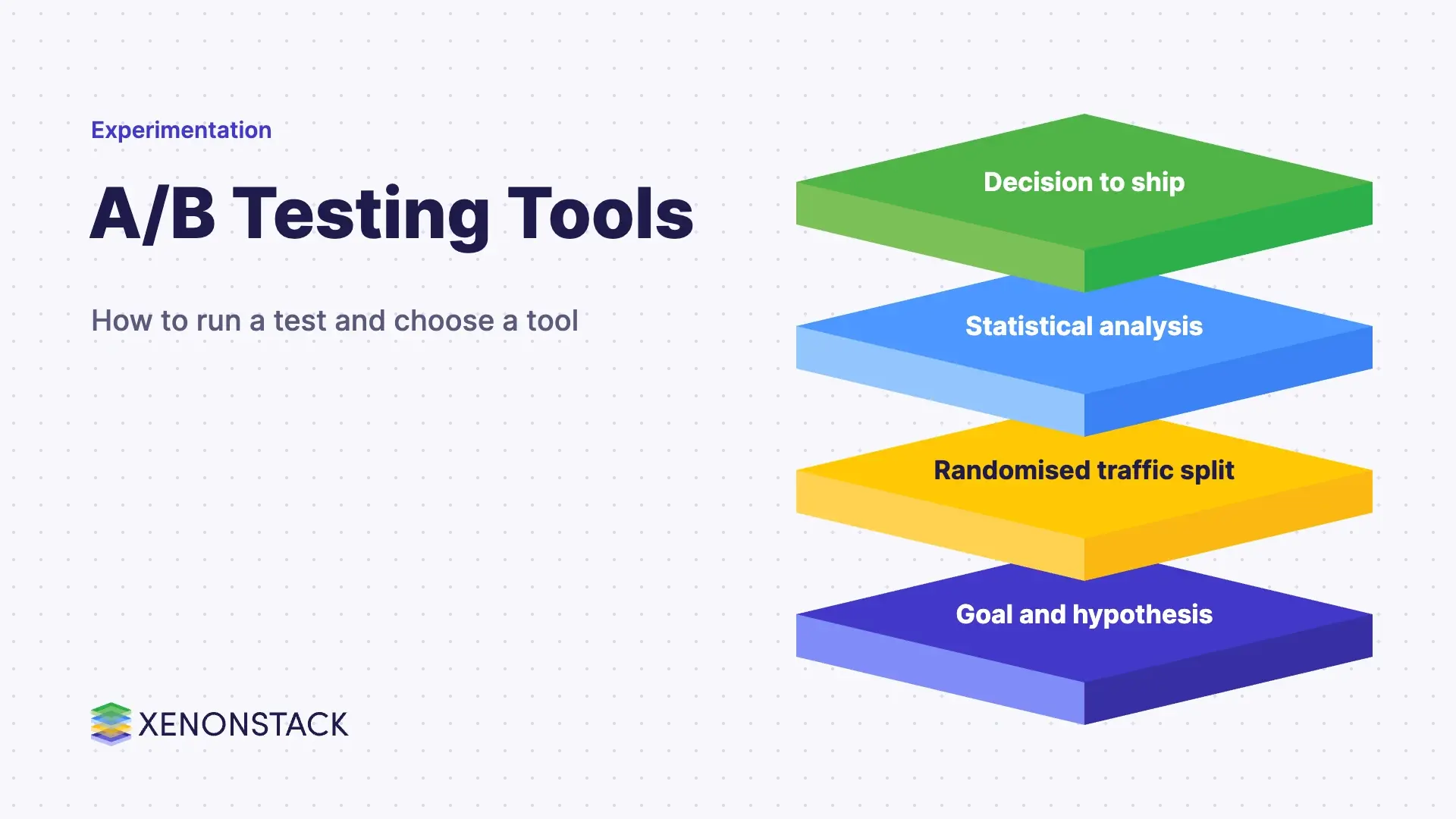
A/B testing shows two versions to users at random and measures which wins. See how to run a test, current tools, Google Optimize status and SEO rules.
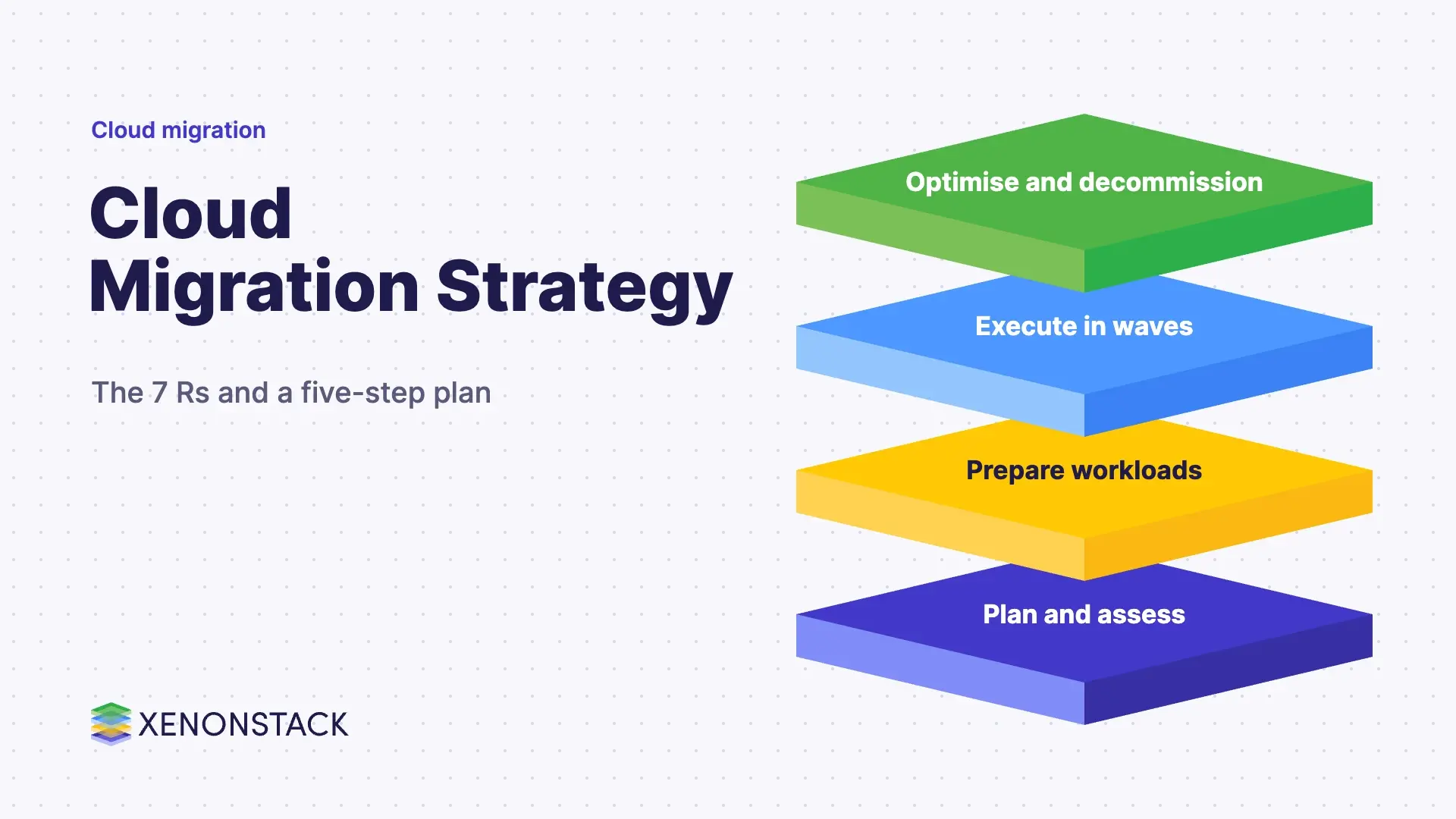
A cloud migration strategy decides what moves, how and in what order. See the 7 Rs, a five-step plan, security, testing and where AI agents help.
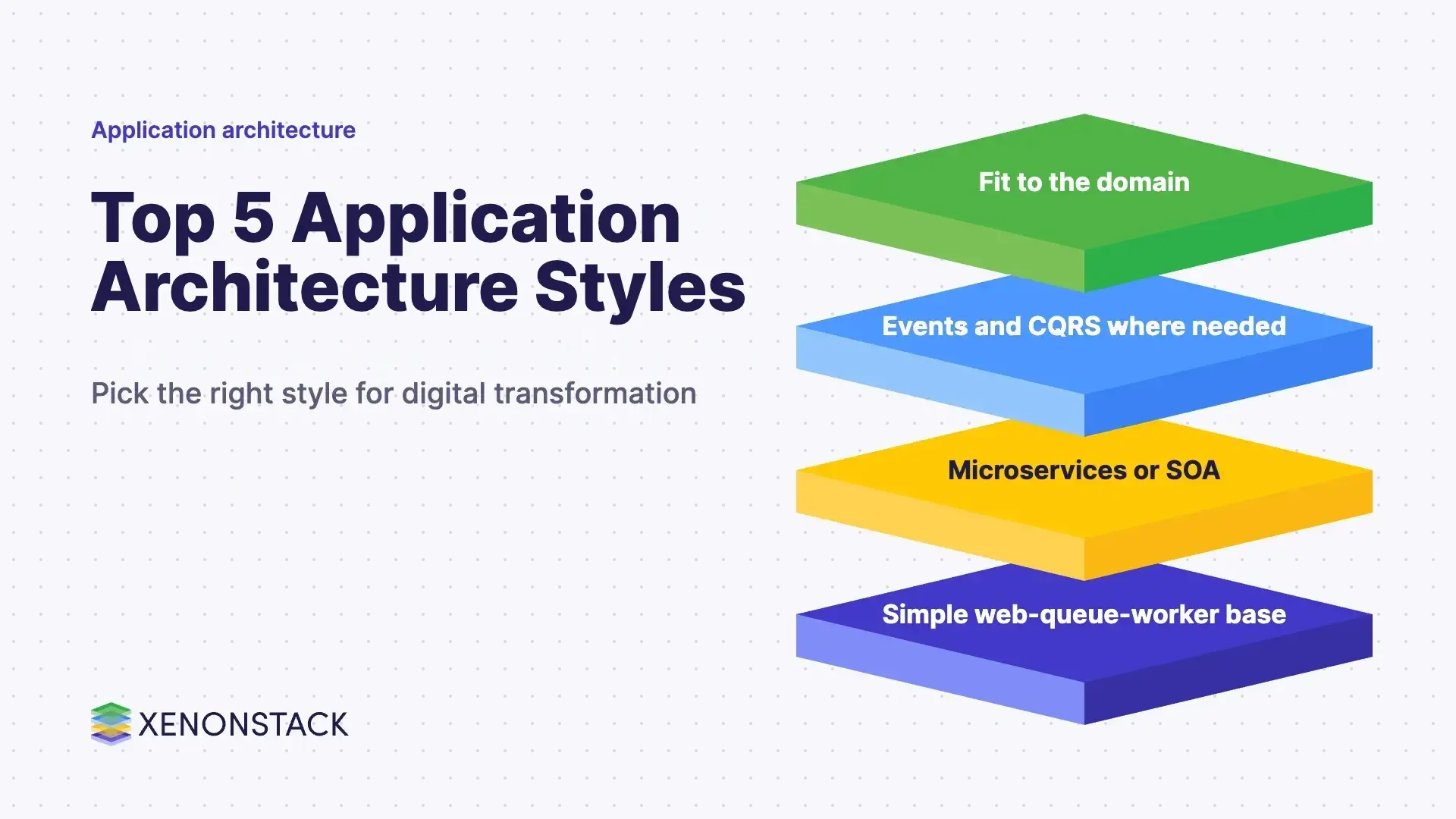
Compare five application architecture styles (microservices, event-driven, CQRS, SOA, web-queue-worker) and pick the right one for digital ...
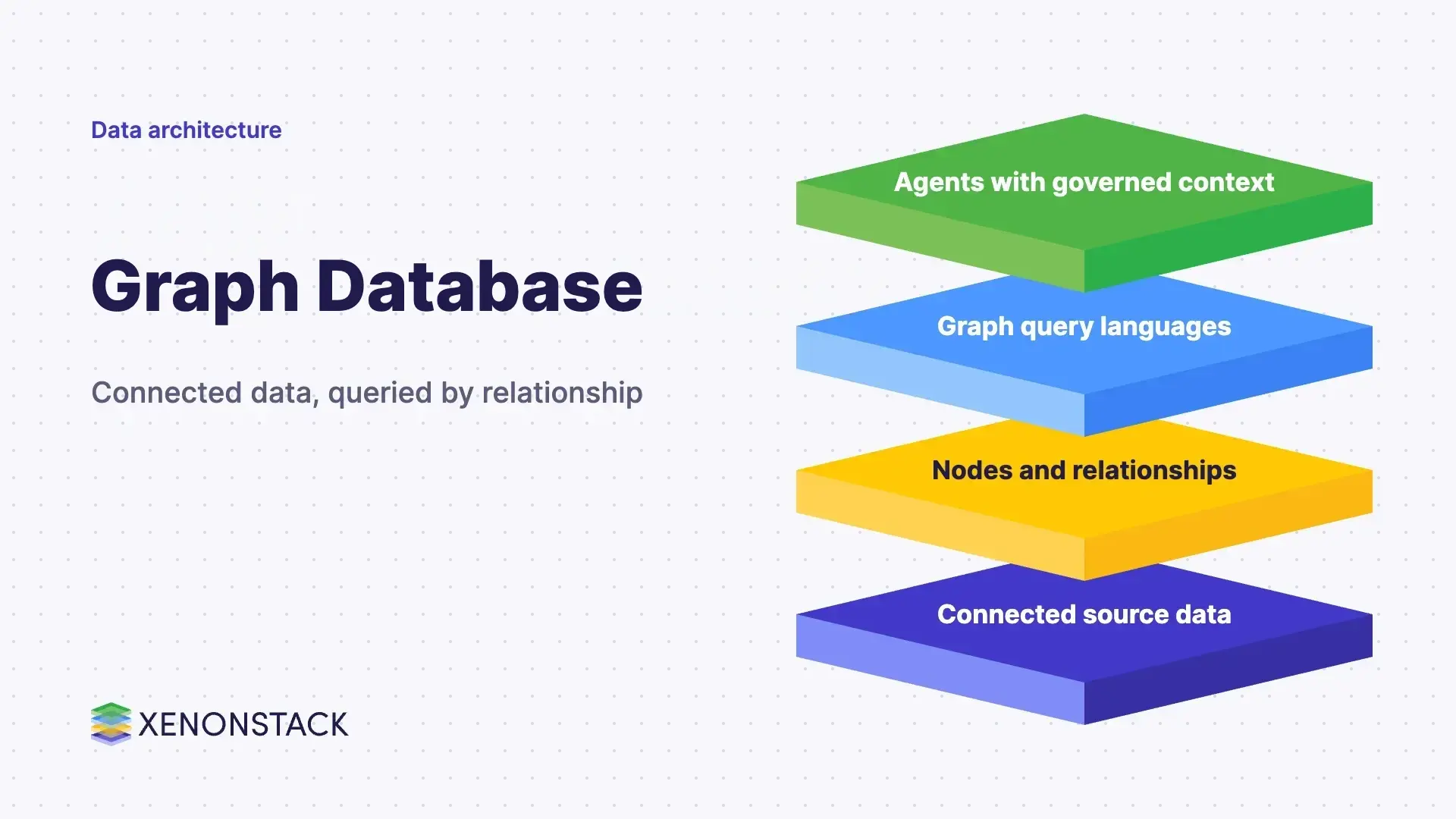
Graph databases store data as nodes and relationships. Compare property graph and RDF models, query languages, use cases and Azure Cosmos DB Gremlin.
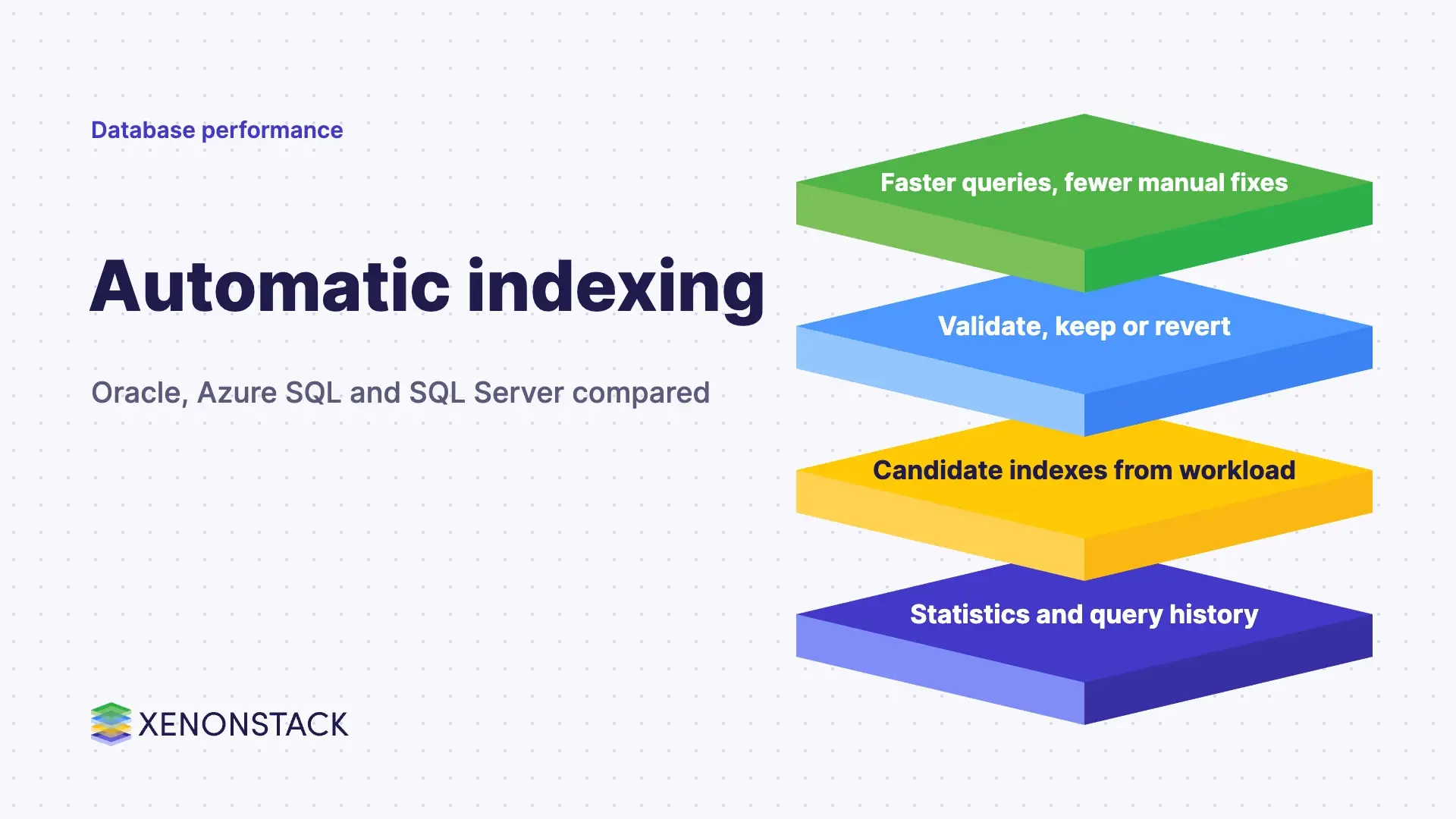
How automatic indexing works in Oracle and Azure SQL, what SQL Server offers, defaults, limits and a safe adoption sequence for enterprise teams.
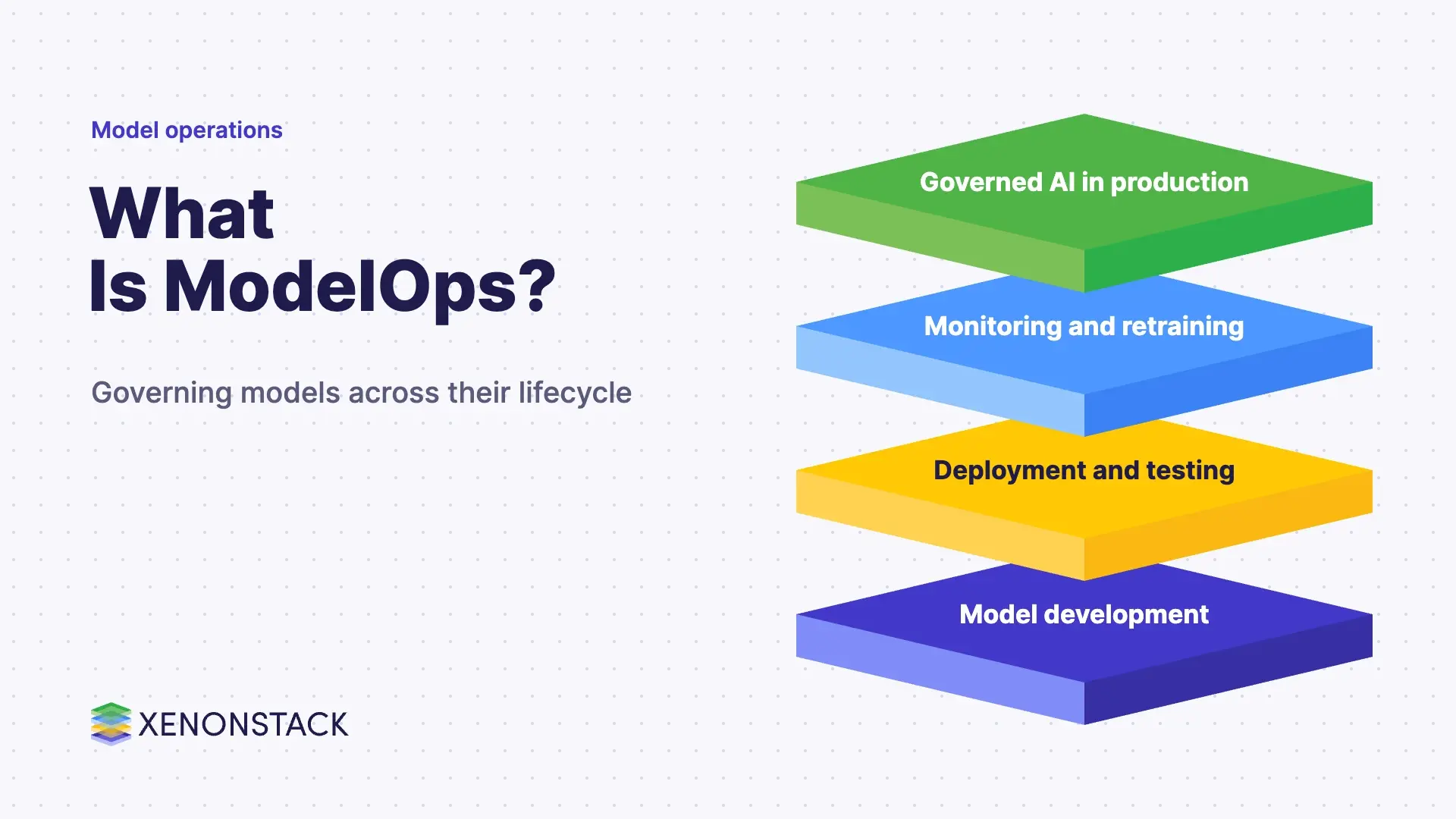
ModelOps governs the lifecycle of AI, analytics and decision models in production. See how it differs from MLOps, its stages and where to start.
Machine learning observability and monitoring guide: data skew, model drift, lifecycle phases, tools like Evidently and a strategy for ML in ...
AI governance strategy for enterprise leaders: NIST AI RMF, ISO/IEC 42001, EU AI Act dates, agent controls and a six-step adoption sequence.
DevTestOps explained: how automated testing fits each pipeline stage, its advantages and risks, and best practices for CI, delivery and deployment.
How AI helps data-driven enterprises act on trusted data, with the five Vs, an adoption sequence and NIST AI RMF governance for enterprise leaders.
Learn the main AI adoption challenges, from bias and opacity to security, and the NIST-based controls and steps enterprises use to scale AI ...
See how agentic process automation handles bookings, guest service and pricing in travel and hospitality, and how it differs from rule-based RPA.
RPA in SAP explained: advantages, how bots work, the move to SAP Build Process Automation and how agentic workflows handle exceptions with control.
Digital transformation in retail joins cloud, AI, IoT and data to serve customers across channels. See the technologies, privacy rules and first ...
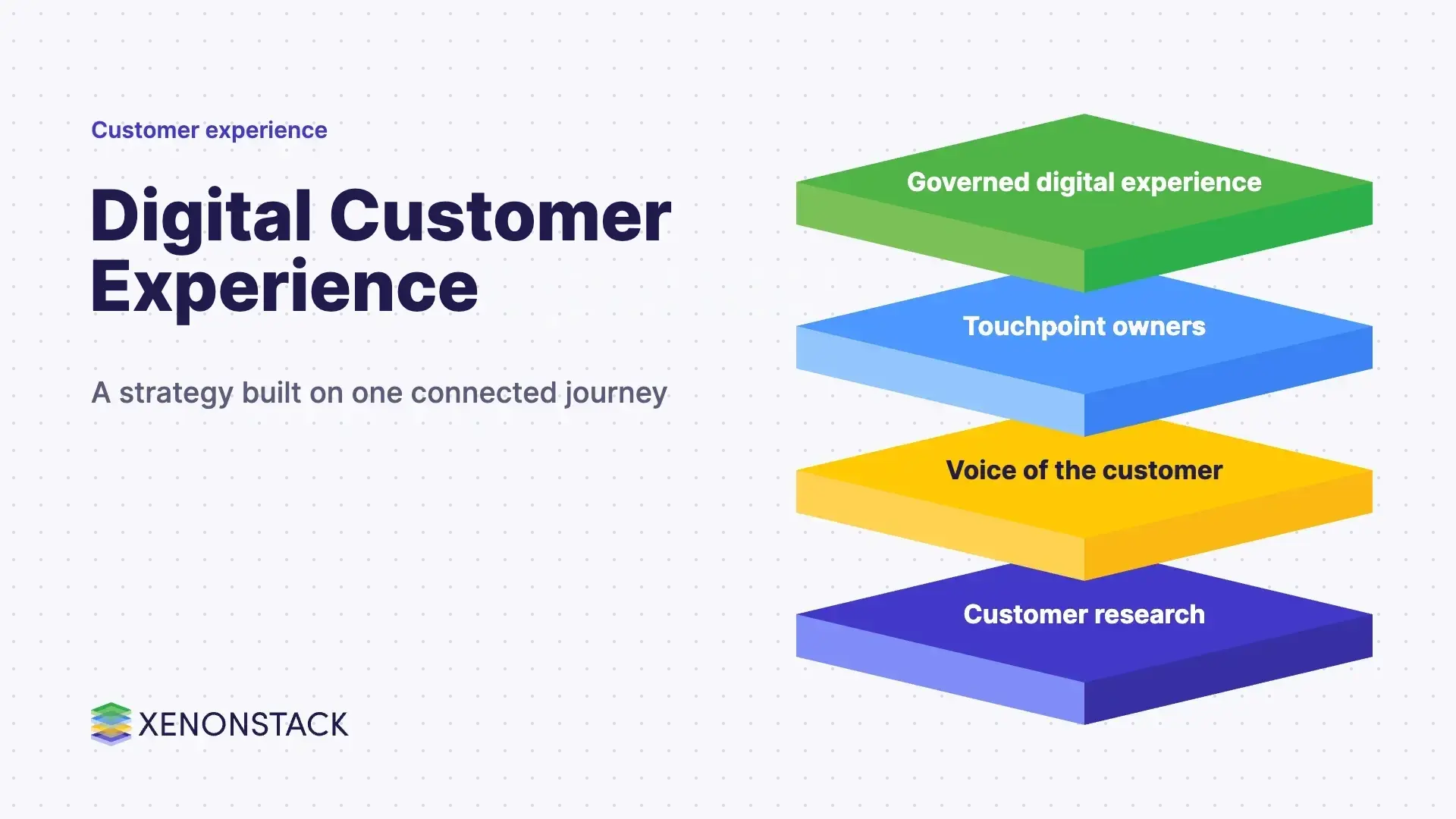
A digital customer experience strategy joins every online touchpoint into one journey. Learn how to build one, how it differs from CX and where ...
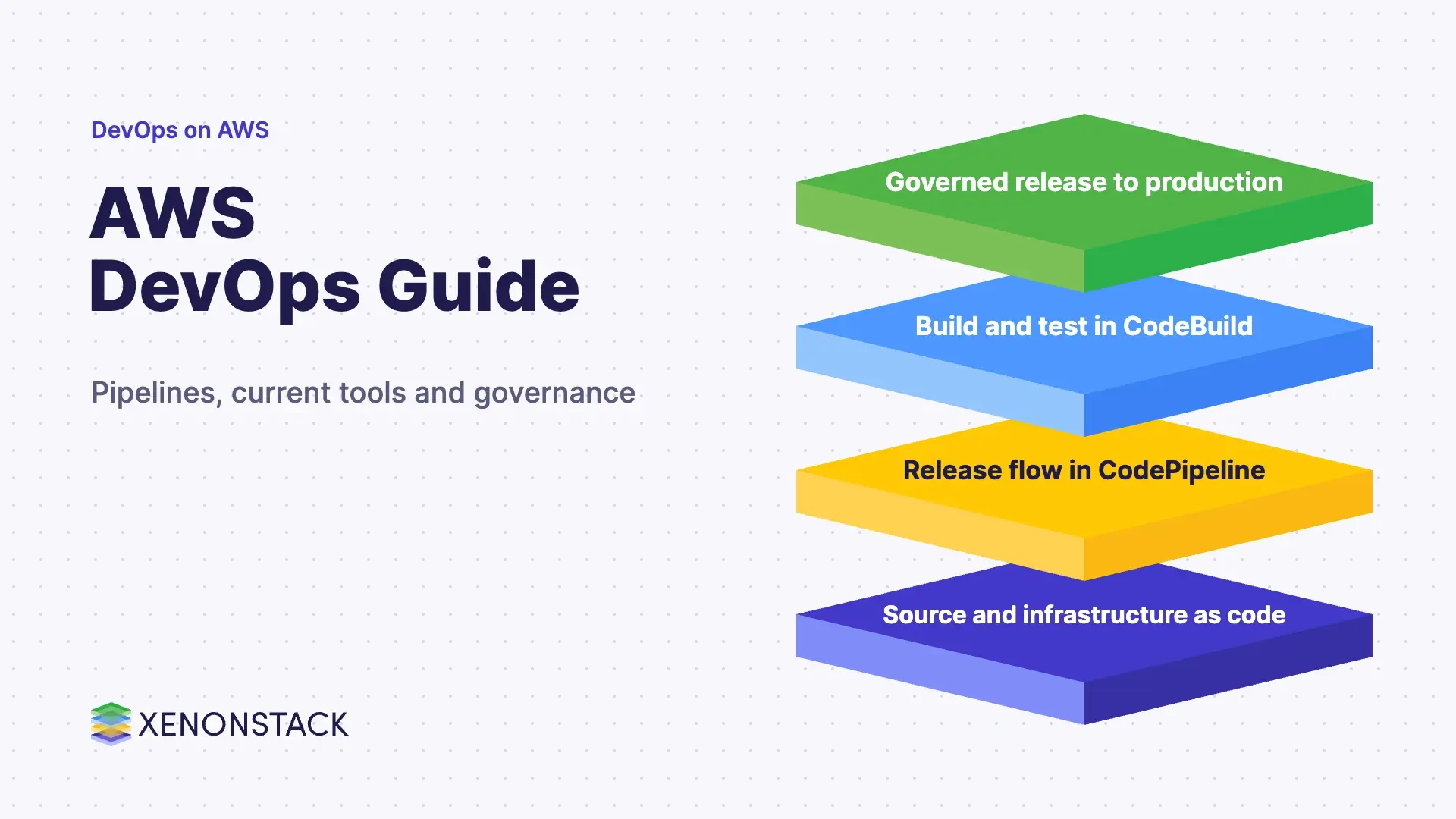
Learn how AWS DevOps works with CodePipeline and CodeBuild, which tools are current (CodeCommit is back, OpsWorks is retired) and how to govern ...
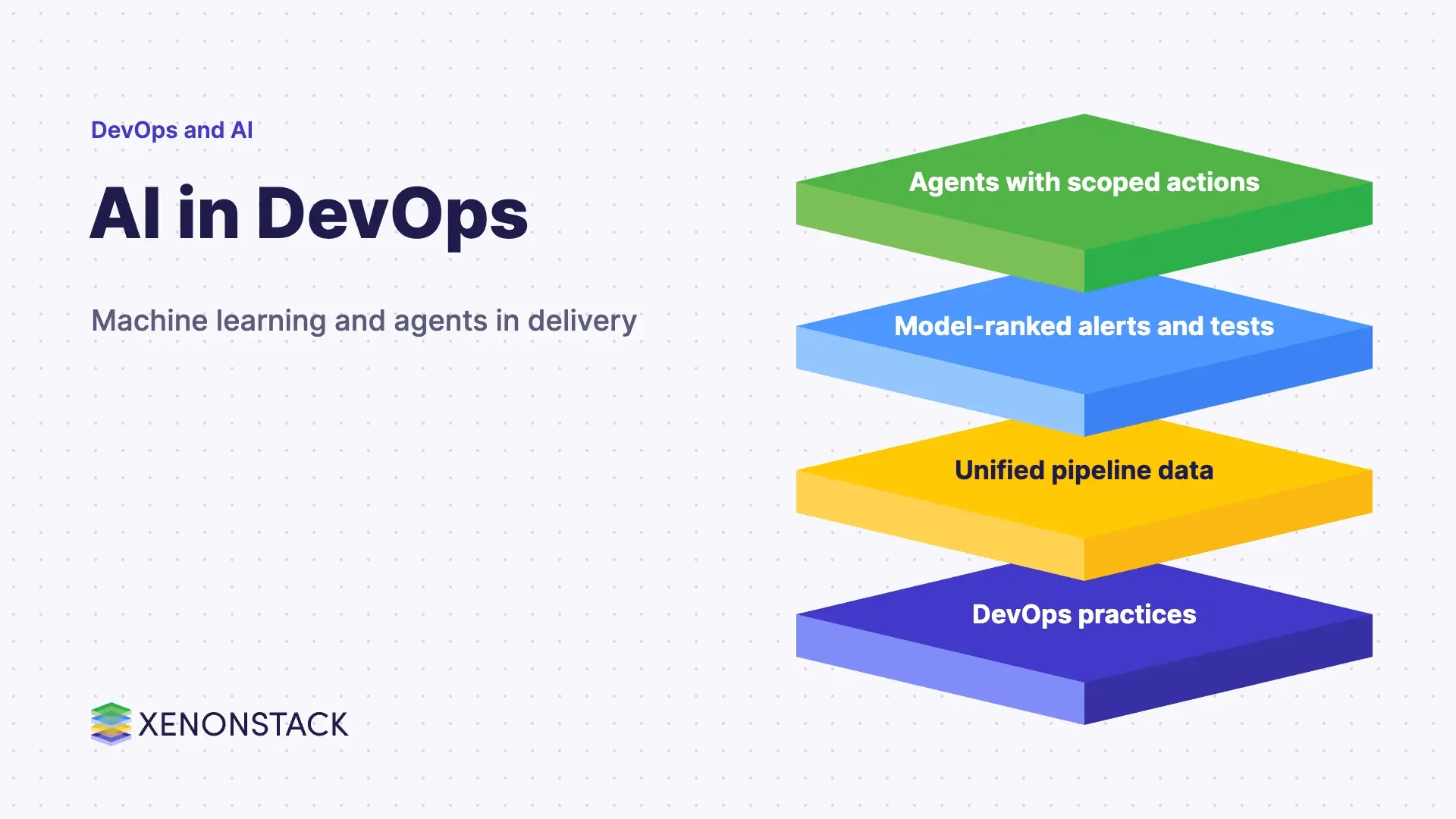
AI in DevOps applies machine learning and AI agents to pipeline data. See where it helps, what DORA says to prepare first, and how to limit risk.
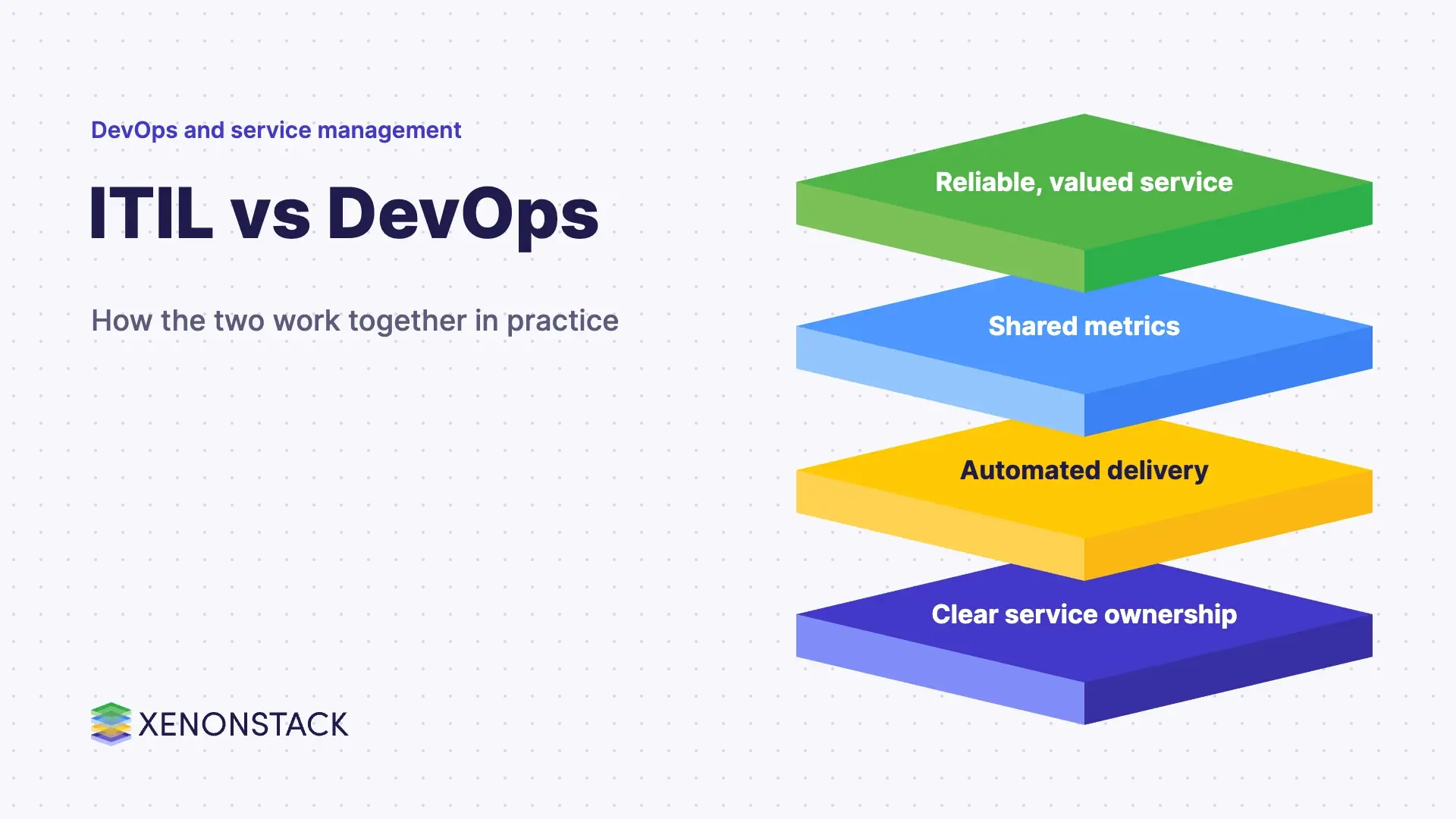
ITIL vs DevOps explained: how the service framework and delivery practices differ, how they work together, and which DORA metrics to track first.
Beta testing lets real users try a near-final product before launch. Compare alpha and beta, closed and open types, and TestFlight and Google Play ...
A DevOps checklist of 12 auditable checks across teams, pipelines and feedback, with DORA metrics, AI impact and an adoption order for leaders.
Apache Storm has no authentication by default. See how to enable Kerberos, secure ZooKeeper and the UI, and review the defaults that stay open.
CloudTrail records who did what in your AWS account and AWS Config tracks how resources are configured. See how they differ and work together.
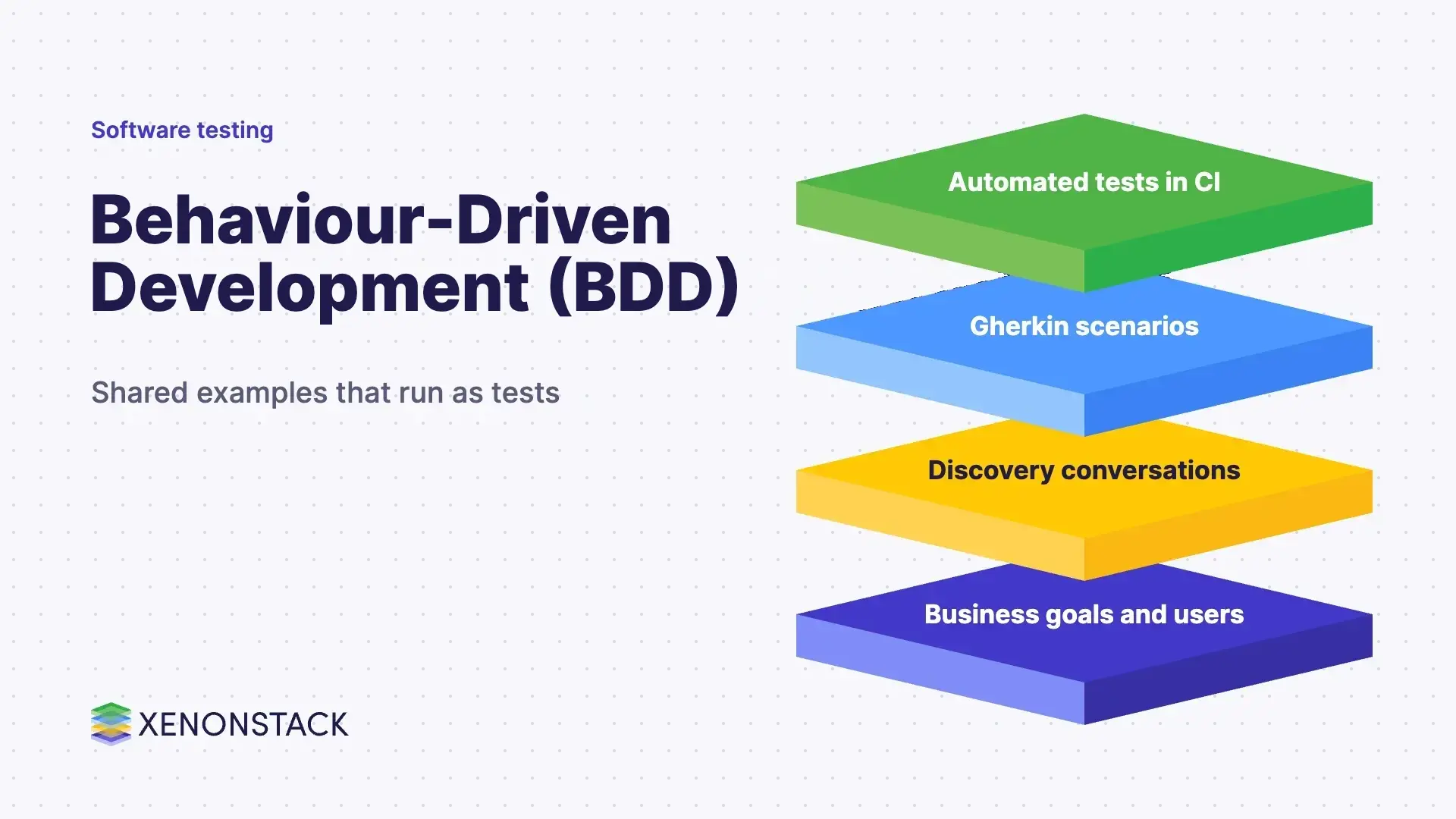
Behaviour-driven development turns shared examples into automated tests. Learn the three practices, Given-When-Then, tools and how AI agents fit in.
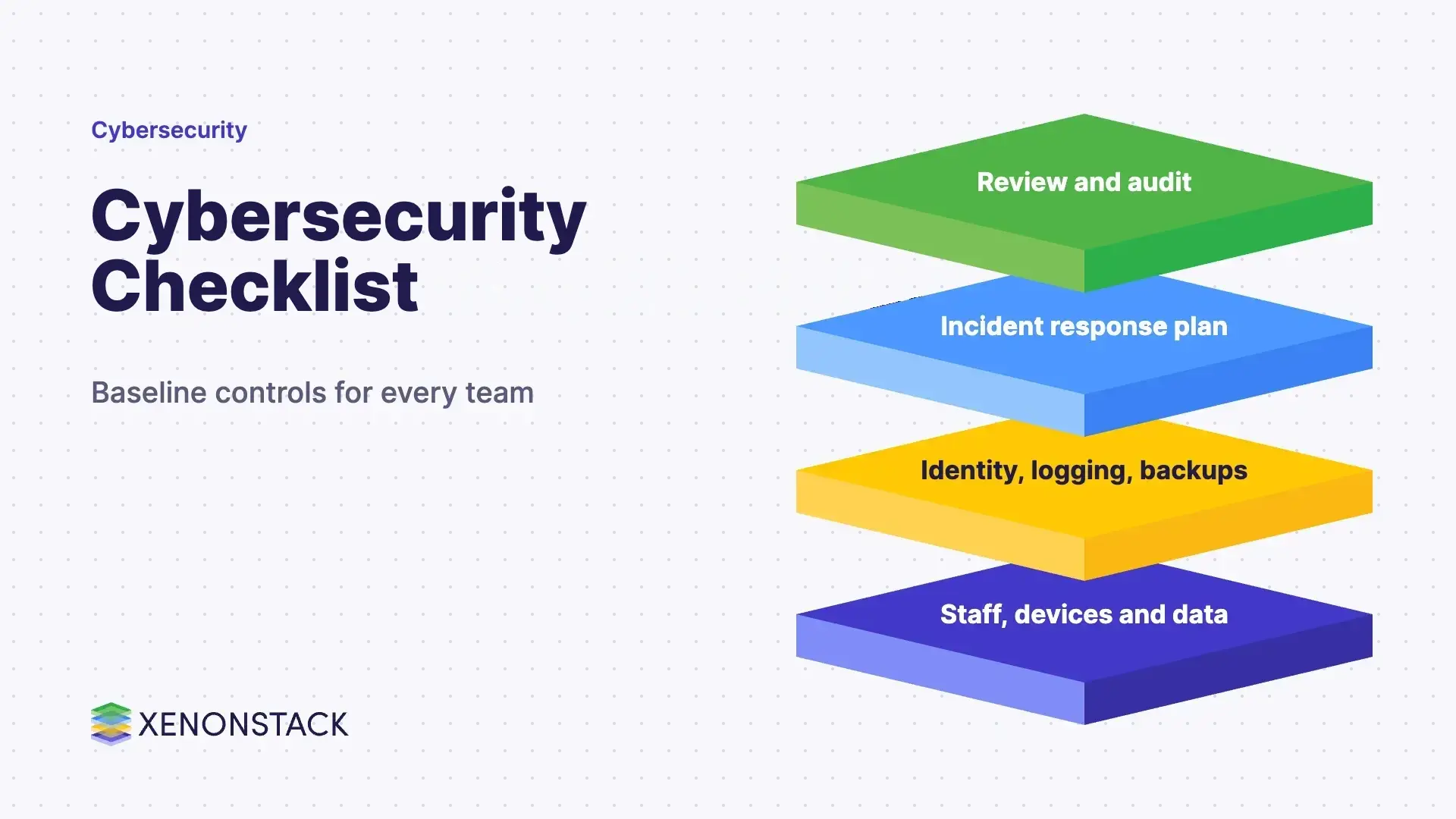
A practical cybersecurity checklist built on CISA and NIST guidance: MFA, logging, backups, incident response, and how AI agents change the list.
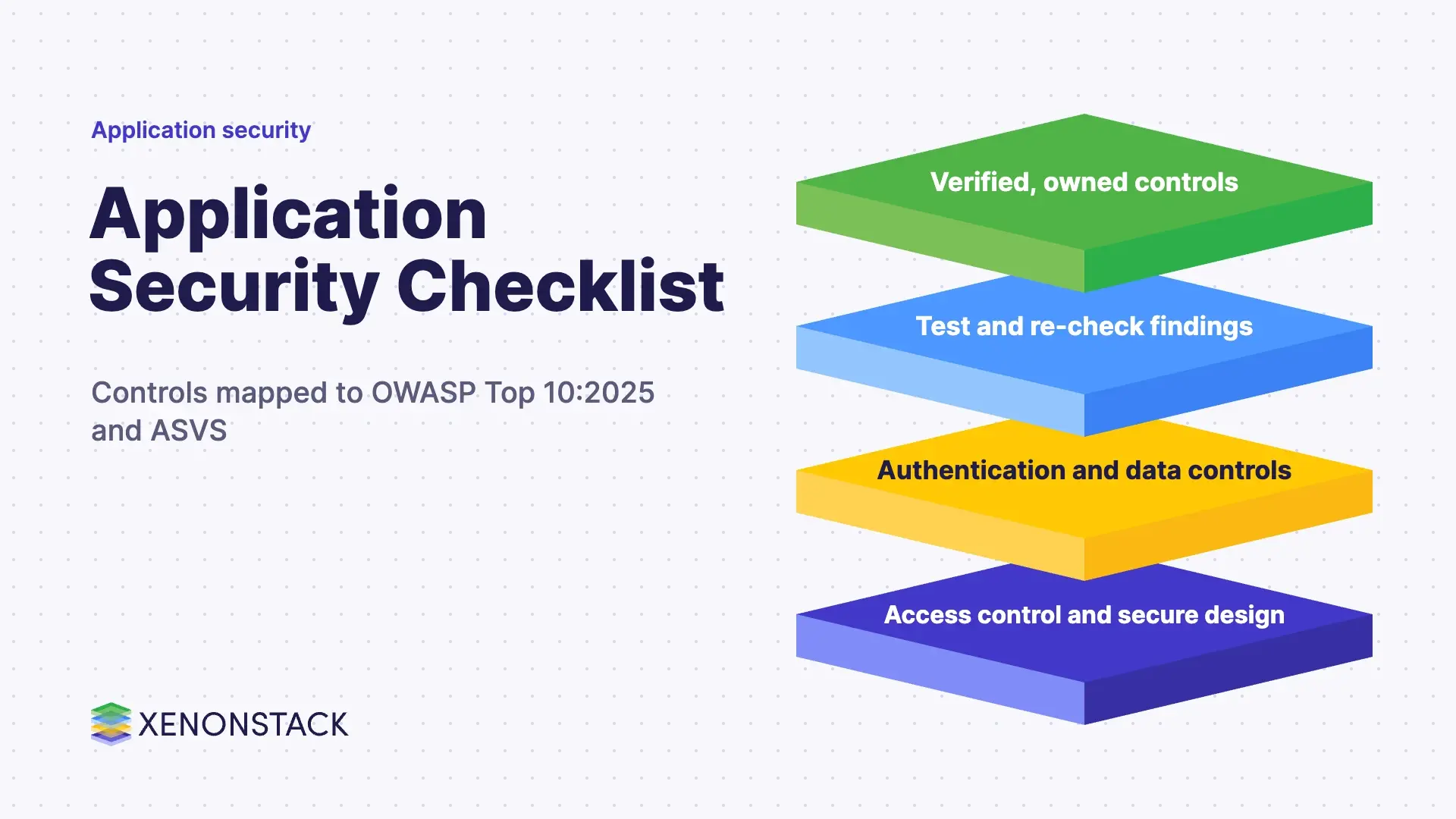
Application security checklist for enterprise leaders: controls mapped to OWASP Top 10:2025 and ASVS, with ownership, testing, rollout and AI agent ...
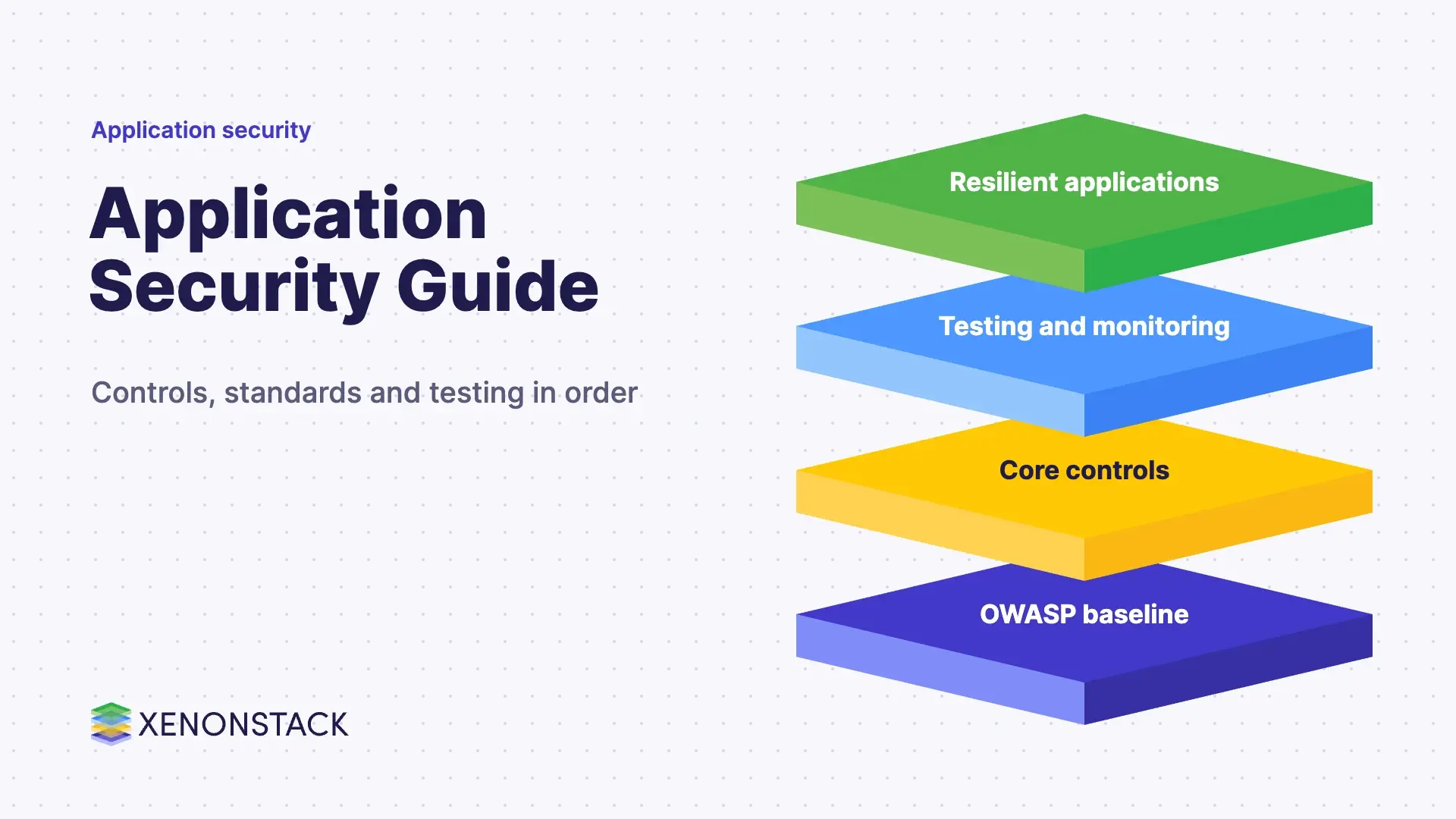
Application security guide for 2027: what it covers, the current OWASP Top 10 edition, ASVS 5.0.0, SAST, DAST, IAST, RASP and a practical adoption ...
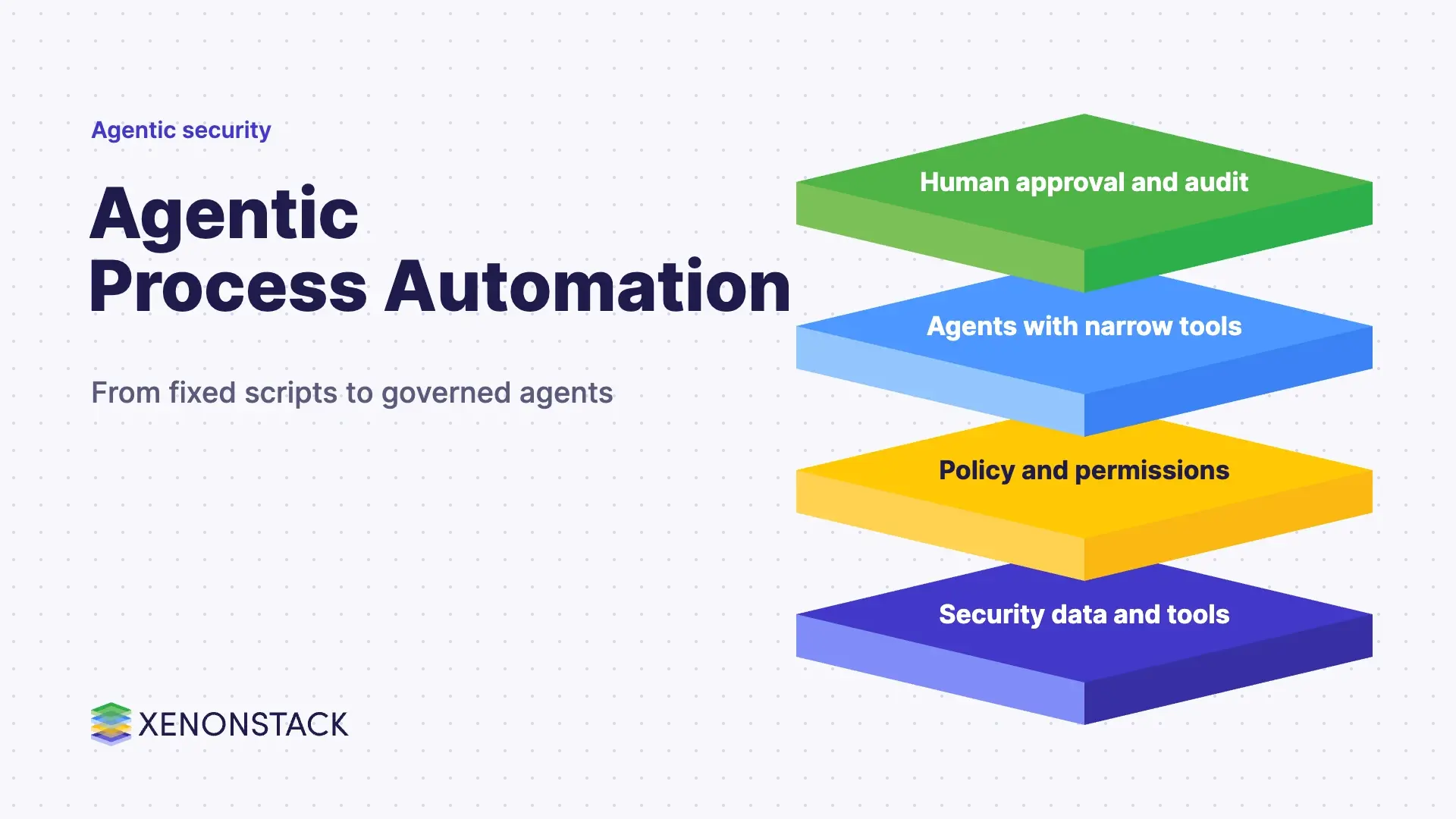
How agentic process automation differs from RPA in security operations, where AI agents help, which risks to control and what to do first in 2027.
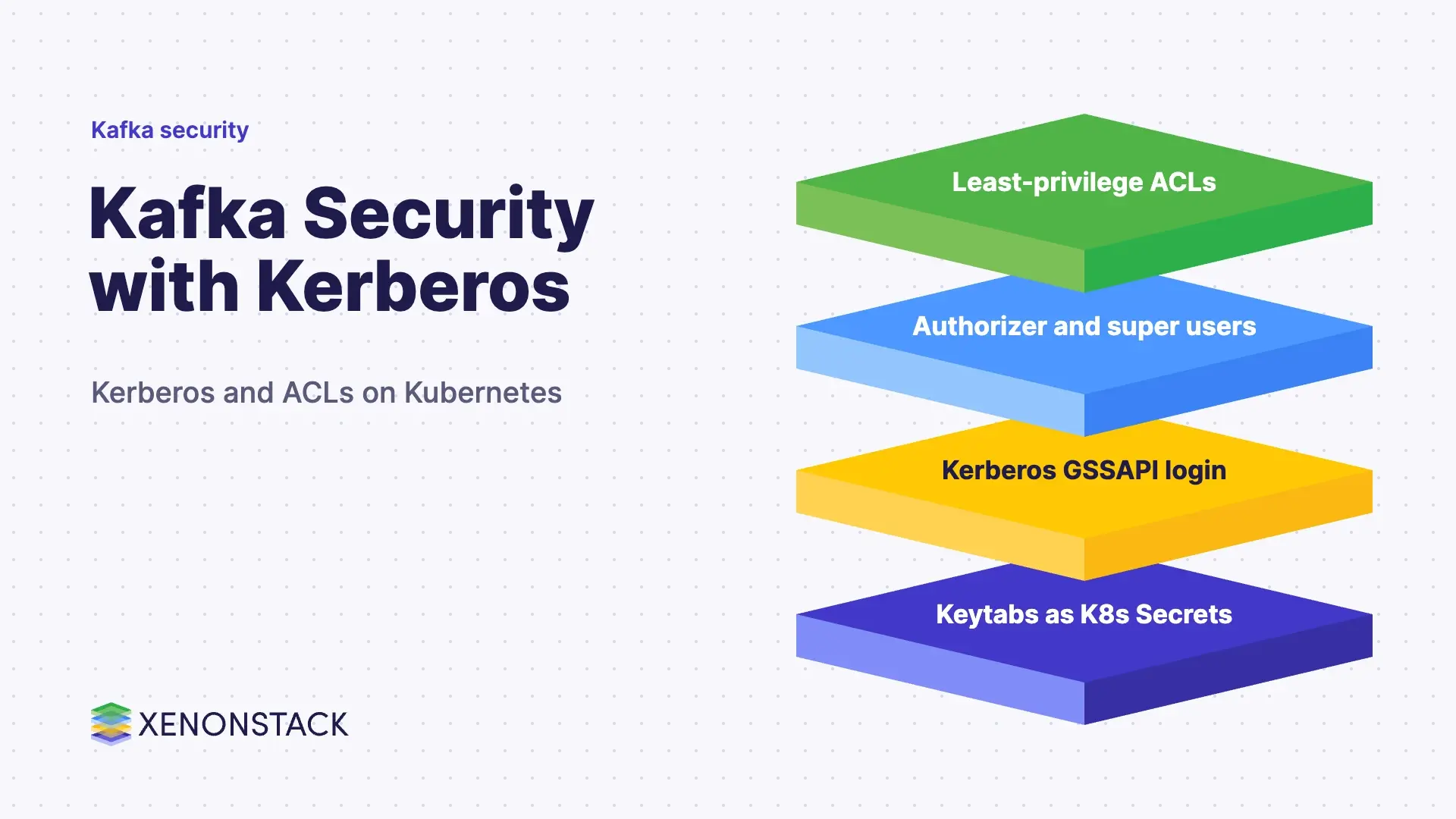
Learn how to secure Apache Kafka with Kerberos (SASL/GSSAPI) and ACLs, what changes on Kubernetes, and what is different in Kafka 4.0 and later.
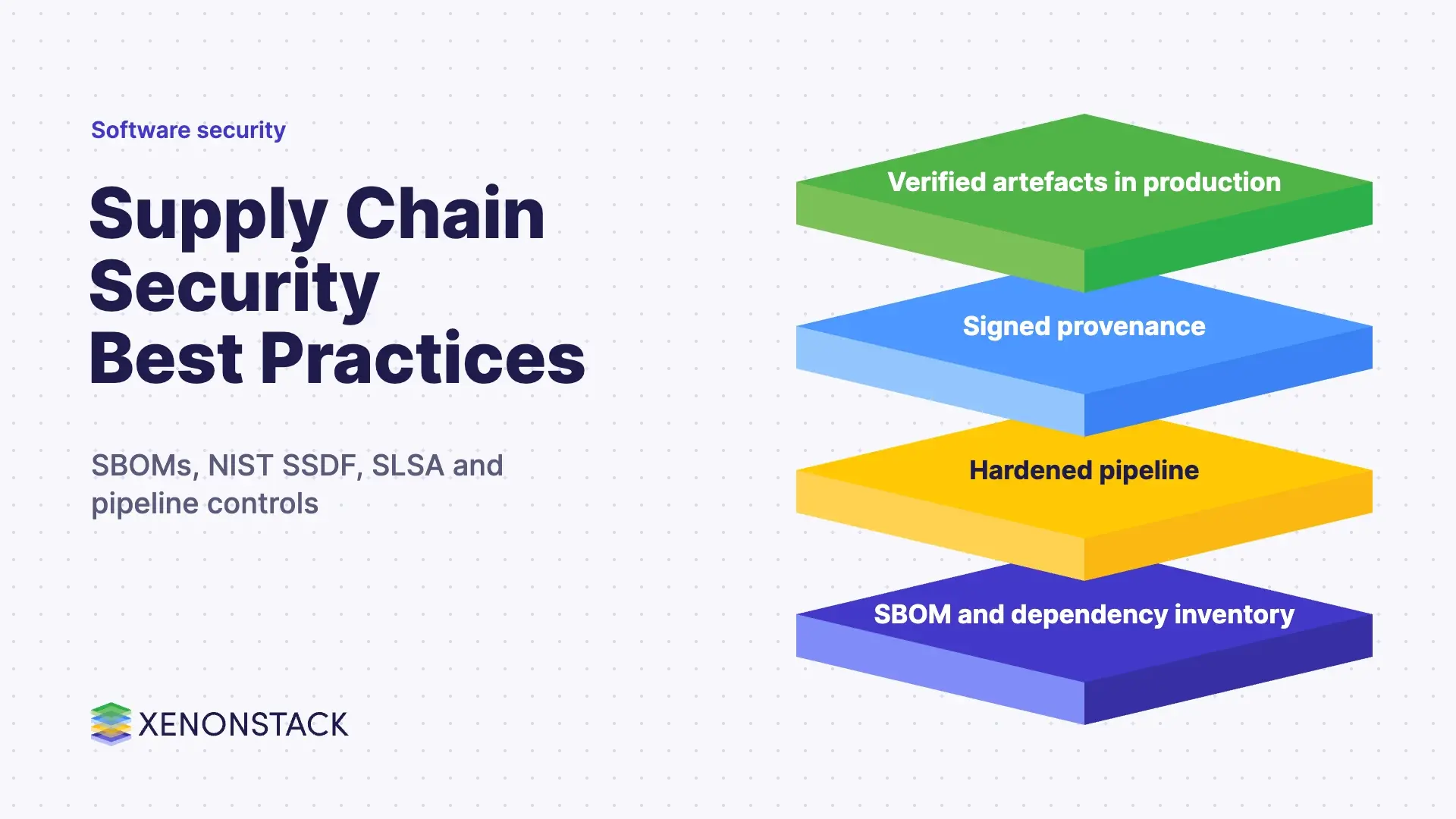
Software supply chain security best practices for enterprises: SBOMs, NIST SSDF, SLSA levels, pipeline controls and where AI agents fit, with sources.
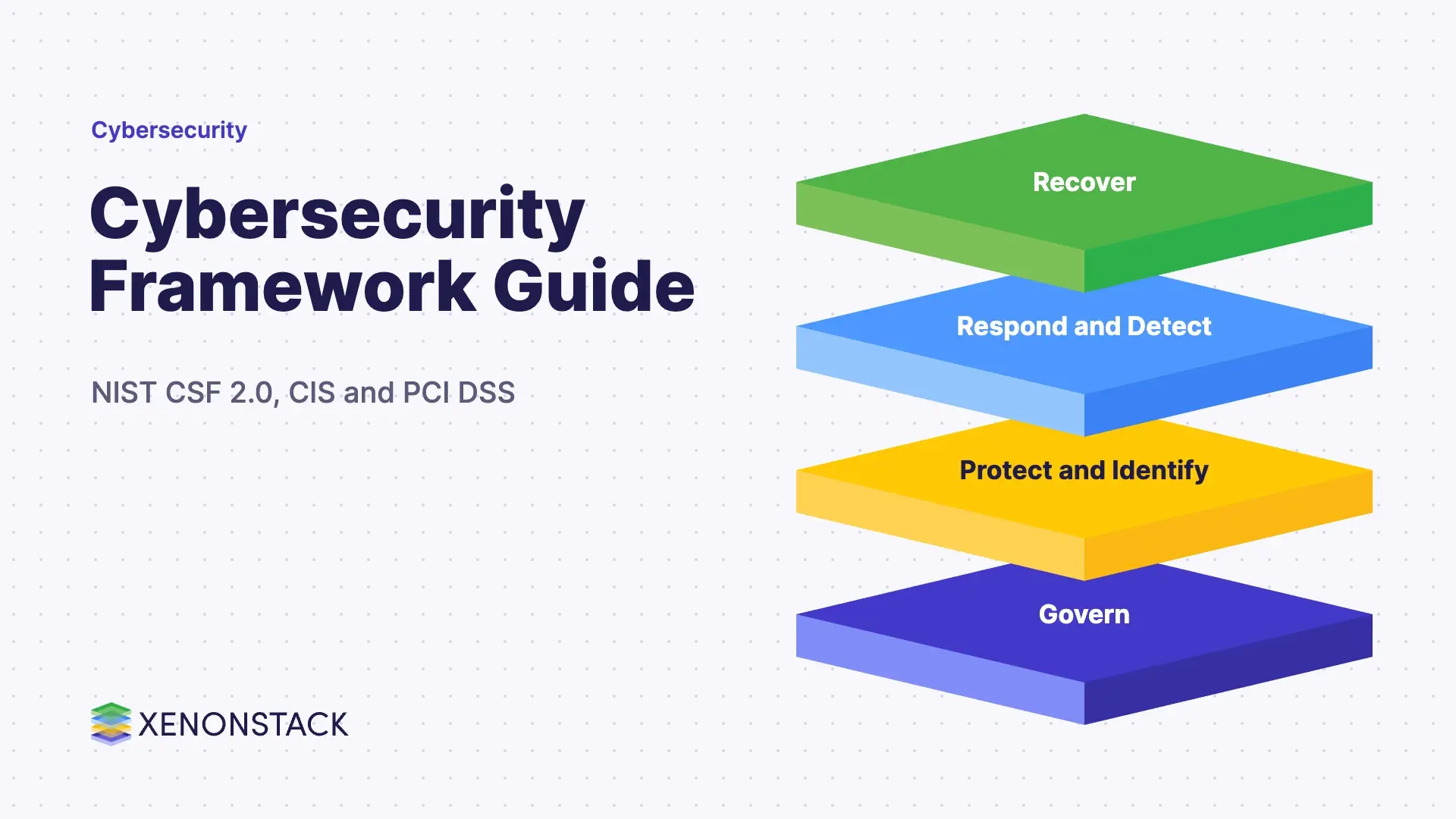
A cybersecurity framework guide: NIST CSF 2.0 functions, Profiles and Tiers, how CIS Controls and PCI DSS compare, and how AI agents fit in.
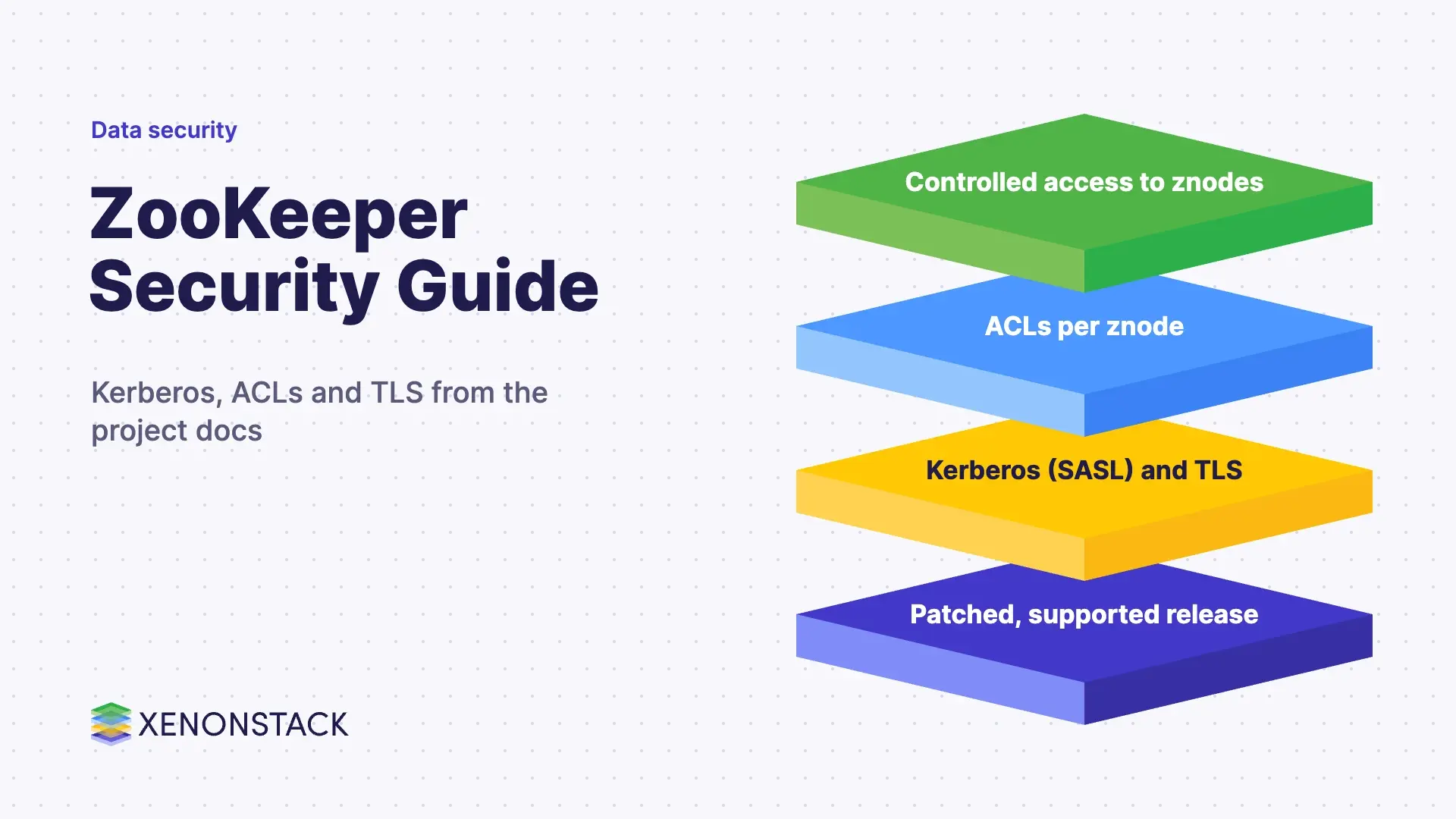
Secure Apache ZooKeeper with Kerberos (SASL), quorum authentication, ACLs and TLS. Steps from the project docs, plus version and advisory checks.
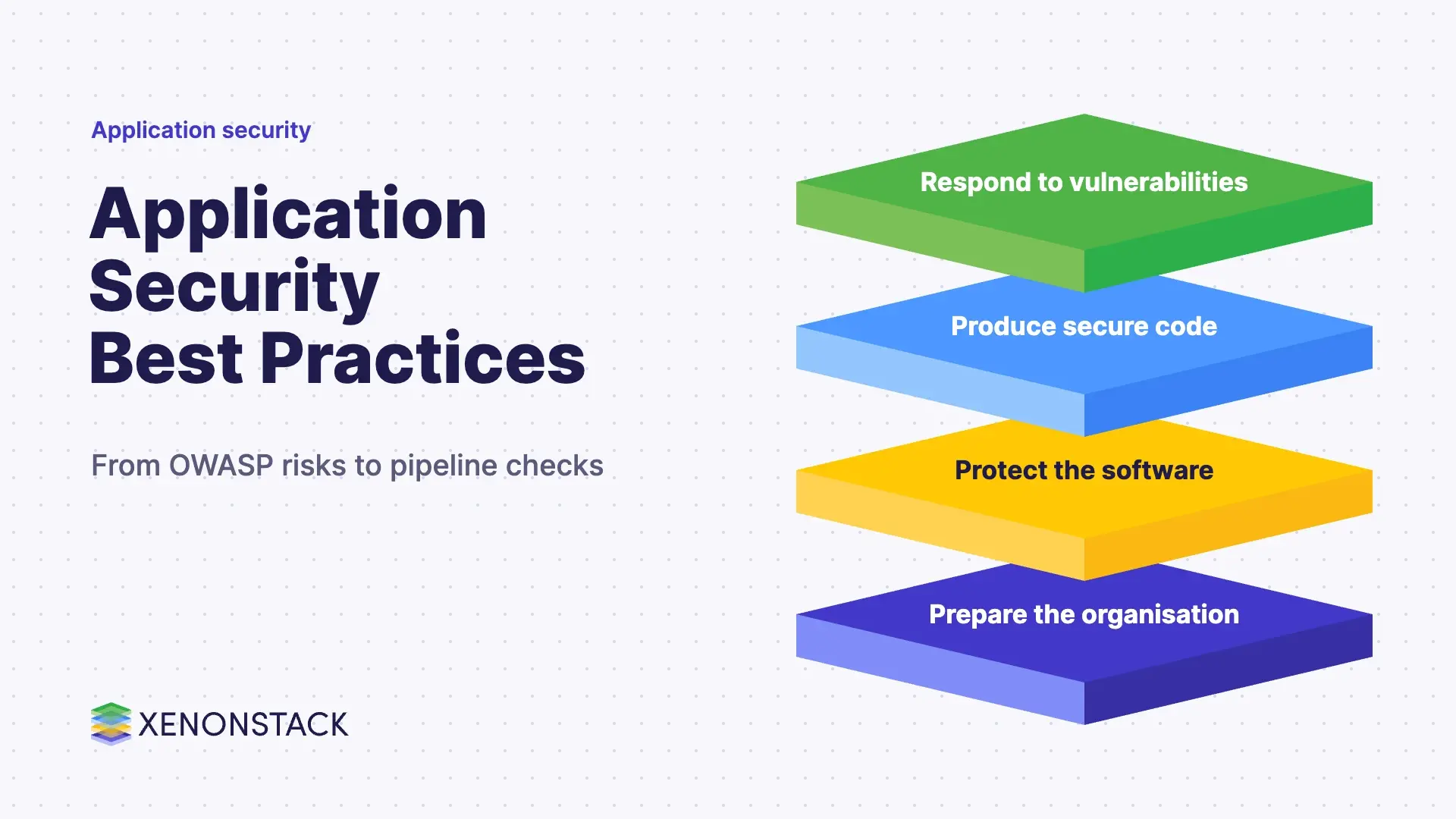
Application security best practices: the OWASP Top 10:2025 risks, NIST SSDF practices, how SAST, DAST and pen testing differ, and how AI agents ...
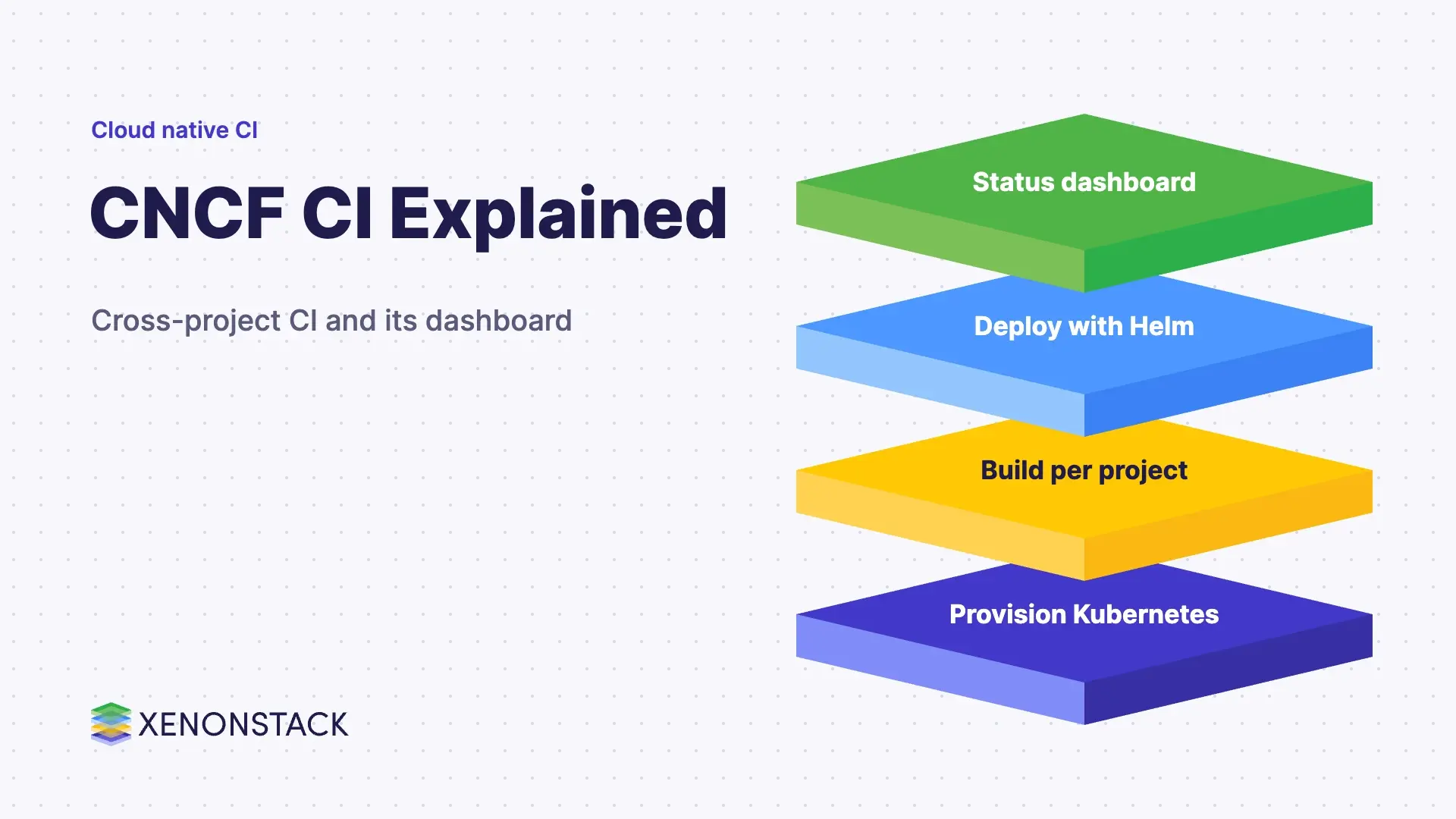
CNCF CI explained: how the cross-project CI system and dashboard work, its stages and tools, what is dated, and where AI agents help in CI pipelines.
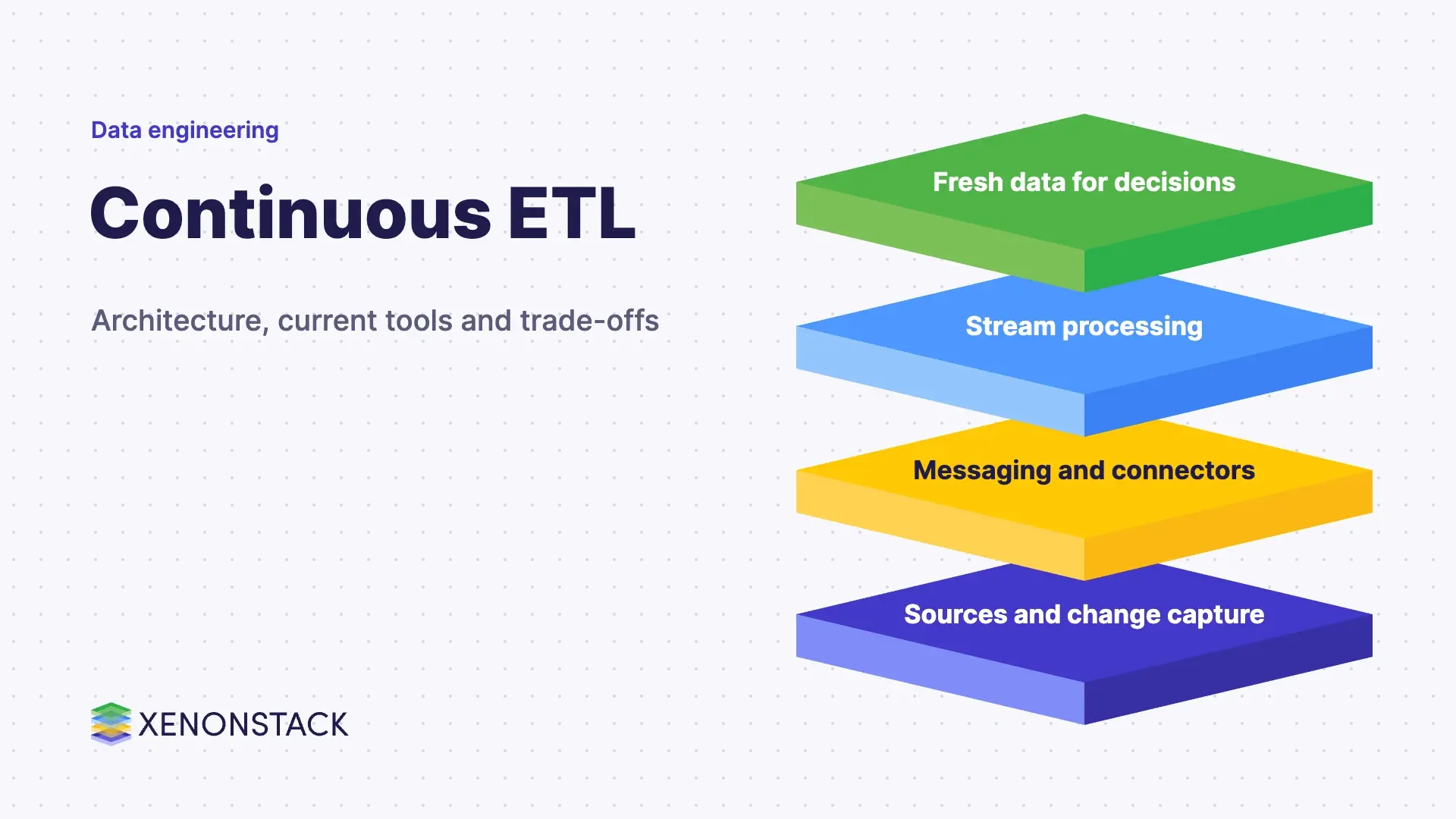
Continuous ETL explained: architecture, current streaming tools (Kafka Connect, AWS Glue, Lakeflow) and when batch is still the better choice.
Run Spark, Flink, Kafka and HDFS on Kubernetes: which workloads fit, StatefulSets, security, cost trade-offs and an adoption sequence for enterprise ...
Amazon EKS explained for 2027: Auto Mode versus standard, Kubernetes version support dates, ECS versus EKS, and how to govern Kubernetes on AWS.
Multi-cloud security for CISOs and architects: shared responsibility on AWS, Azure and Google Cloud, zero trust, CSA CCM and what to fix first.
Serverless computing explained for enterprise teams: how it works, AWS, Azure and Google Cloud options, trade-offs, cold starts and when not to use ...
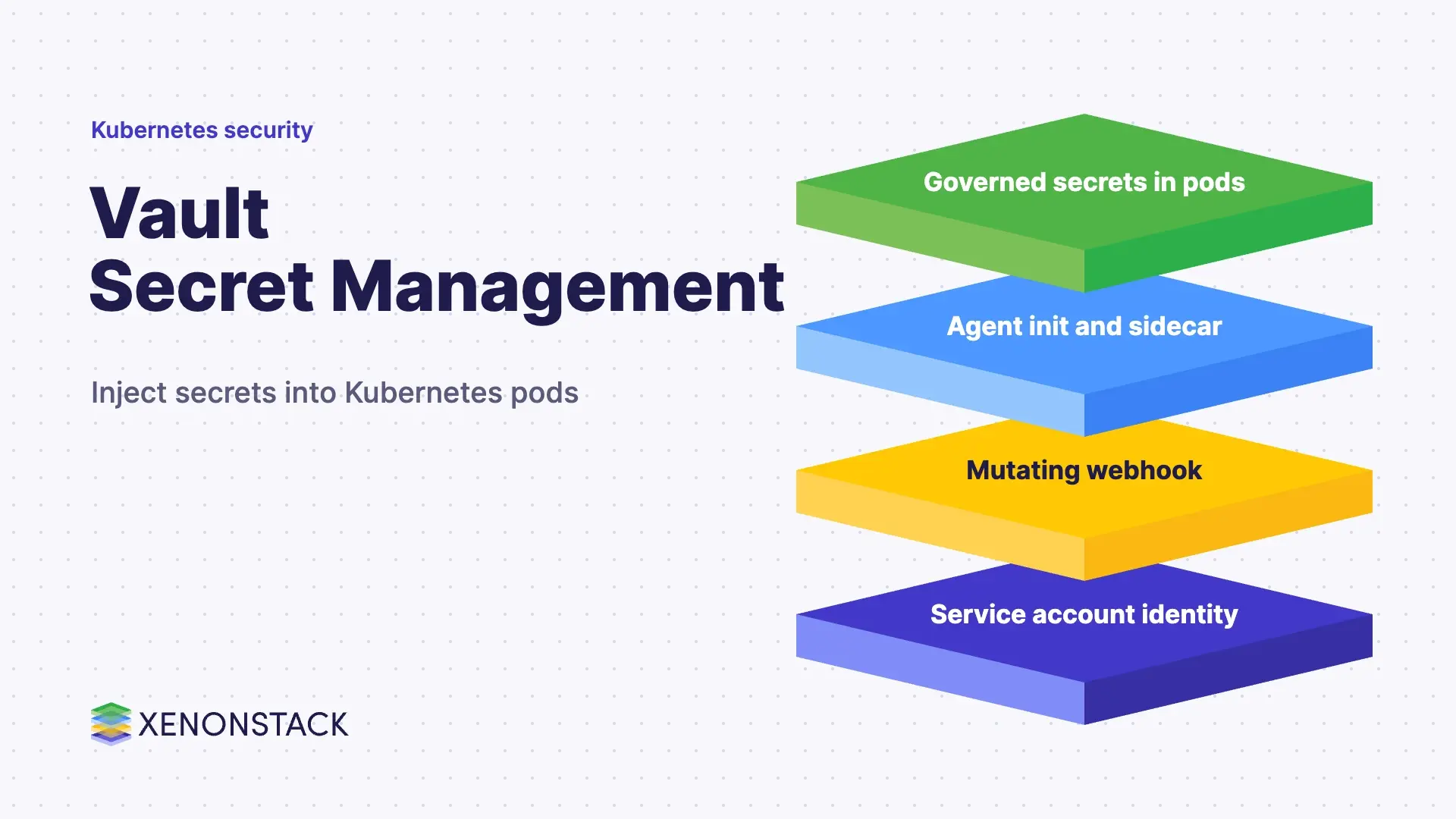
Vault secret management for Kubernetes explained: how the Agent Injector works, how pods authenticate, the main limits and what to decide first.
Application release engineering explained: branching, pipelines, rolling, blue/green and canary releases, tooling and DORA metrics for enterprise ...
Agentic process automation in logistics and supply chain: where APA beats RPA, which processes suit it, the controls it needs and how to adopt it.
Application modernization explained: the seven migration strategies AWS lists, how to choose between them, the steps to follow and where AI agents ...
The transformative impact of ai and emergingtechnologies on the world of finance and banking
6 min | Dr. Jagreet Kaur
Comprehensive approach combines cost forecasting, resource optimization, and financial accountability
4 min | Dr. Jagreet Kaur
Unleashing data agents empowers real-time insights, driving smarter decisions and transforming business operations effectively
5 min | Dr. Jagreet Kaur
Featured Series
Integrating monitoring, assessment, and improvements ensures systems remain resilient, adapting proactively to evolving cyber threats throughout their lifecycles
Application release engineering explained: branching, pipelines, rolling, blue/green and canary releases, tooling and DORA metrics for enterprise ...
Agentic process automation in logistics and supply chain: where APA beats RPA, which processes suit it, the controls it needs and how to adopt it.
Application modernization explained: the seven migration strategies AWS lists, how to choose between them, the steps to follow and where AI agents ...
DataOps as a service is a managed way to run pipelines, quality checks and monitoring. See what it includes, how it works and when to buy or build.
Conversational UI best practices for enterprise teams: how CUIs work, design rules, governance, current tools and when not to use a chatbot.
Real-time intelligence turns streaming events into decisions in seconds. See the architecture, use cases, trade-offs and how to govern automated ...
Shift left testing explained for engineering leaders: how it differs from late testing, pipeline stages, adoption steps, limits and the role of AI ...
Site reliability engineering explained for enterprise leaders: SLIs, SLOs, error budgets, toil limits, on-call rules, SRE vs DevOps and how to adopt ...
WebAssembly explained: how Wasm works with JavaScript, its core concepts, sandbox security, Wasm 3.0 and WASI, and when enterprise teams should use ...
A data strategy sets out the people, processes and technology needed to use data for business goals. See the 7 key elements, a roadmap and agent ...
A governed data lake in 2027: table formats, catalogue access control, lineage, quality, retention and rules for AI agents that read and write lake ...
Software testing automation trends in 2027: AI-assisted tests, agent loops, parallel runs, how Selenium and Playwright compare, and how to choose ...
User experience design explained for enterprise teams: principles, the five-stage process, accessibility, tools and how to adopt UX with AI agents.
Functional programming explained: pure functions, immutability, higher-order functions and composition, how it compares with OOP, and how AI agents ...
Stateful vs stateless applications explained: how they differ, when to use each, how Kubernetes runs them, and best practices for architects.
User acceptance testing explained: what UAT is, who runs it, alpha and beta types, entry and exit criteria, a checklist, tools and where AI agents ...
How AI runbook automation works with agentic workflows: approvals, least-privilege roles, audit trails and an adoption path for IT and platform ...
Augmented intelligence vs artificial intelligence: definitions, a decision table, human oversight controls and when to keep a person in charge.
Predictive analytics uses historical data and machine learning to forecast outcomes. See the steps, techniques, tools, use cases and the agent angle.
Managed analytics services explained: what a provider runs, how to test it with the APMM, GDPR Article 28 contract points and tool choices for ...
Kubernetes Deployment explained: rollout and rollback, production best practices, security controls and which tools are still maintained in 2026.
A practical React project structure for 2027: feature folders, components, state, testing and code splitting, plus how to start without Create React ...
Hyperautomation links RPA, AI, process discovery and integration. See its components, where AI agents fit, the main risks, and how to start well.
A practical guide to Go application performance monitoring: runtime metrics, pprof, tracing, OpenTelemetry, APM tools and what AI agents add to ...
How ServiceNow AI agents support governance, risk and compliance: policy, controls, reporting and risk work, plus the limits and the governance they ...
A DevSecOps pipeline adds security checks to every CI/CD stage. See the stages, SAST versus DAST, false-positive handling and where AI agents fit.
A stage-by-stage DevSecOps checklist: pre-commit to production checks, pipeline hardening, threat modelling and NIST and OWASP standards for ...
CloudOps runs cloud estates securely and cost-effectively. See its five areas, how FinOps and managed services fit, and where AI agents help ...
Digital platform strategy explained: platform types, network effects, internal platform attributes, an adoption sequence, and governance for AI ...
Platform engineering vs DevOps vs SRE: what each team owns, where they overlap and how to run one governed, agent-ready delivery platform at scale.
Platform engineering explained: what it is, how it differs from DevOps and SRE, which tools platform teams use, and how to start, measure and govern ...
Ten common fallacies in platform engineering, from build it and they will come to one size fits all, with the fix for each and how AI agents change ...
Serverless platform engineering explained: how functions, triggers and golden paths work, how it differs from microservices, and where AI agents fit.
Edge AI architecture for architects: the five layers, how to pick a runtime, the cloud and edge split, security, trade-offs and a 3 to 5 year outlook.
Augmented data quality explained: what it automates, what Databricks and Snowflake document, six best practices and an adoption plan for data leaders.
Supply chain master data management explained: which data is in scope, MDM design options, governance, AI readiness and a phased start for data ...
Learn how to implement Edge AI: the three-layer architecture, the edge stack, how models reach devices with LiteRT and ONNX Runtime, and where to ...
Google Cloud real-time analytics: how Pub/Sub, Dataflow, BigQuery and Datastream fit together, what is renamed or retired, and how to adopt them.
Azure real-time analytics explained: Event Hubs, Stream Analytics, HDInsight and Fabric Real-Time Intelligence, a pipeline walkthrough and what ...
How time series databases fit real-time analytics: when to choose one over a relational database, options, cardinality, retention and governance.
Real-time analytics on AWS explained: how Kinesis, Managed Service for Apache Flink and OpenSearch fit together, best practices and where AI agents ...
Observability explained: the control-theory definition, logs, metrics and traces, instrumentation, SLOs, and what AI agents add. For engineering ...
Distributed systems observability explained: logs, metrics and traces, how context propagation links services, and how AI agents fit into diagnosis.
Combine Amazon CloudWatch, Amazon Managed Service for Prometheus and Amazon Managed Grafana for one view of AWS metrics and logs. Steps, use cases, ...
Observability-driven development (ODD) builds production visibility into code. Learn the signals, OpenTelemetry steps, costs and when not to use it.
Observability vs monitoring explained: definitions, signals, a decision table and an adoption sequence for enterprise teams, with AI agent telemetry.
Applied observability uses logs, metrics and traces to guide operational and business decisions. Learn the elements, a checklist and how AI agents ...
Xenonstack has earned the AWS Cloud Operations Competency in Cloud Governance, becoming a recognized partner for this achievement.
Apache Flink 2.0 changes how streaming jobs are built. See what is new, what broke, and how to connect Kafka and Flink with the current connectors.
Real-time analytics tools process streaming data as it arrives. Compare Kafka, Flink, Spark, Kinesis, Azure Stream Analytics and Dataflow, with steps.
Managed security services outsource monitoring, detection and response to a provider. See what they cover, CISA contract checks and how to start.
How computer vision works in supply chain and logistics: warehouse counts, inspection, safety, governance and a sourced 3 to 5 year outlook.
Workplace analytics explained: what it measures, benefits, video-based use cases, Microsoft Viva Insights and the privacy checks to do first.
Apache Airflow explained: Airflow 3 architecture, executors, benefits, install steps, best practices, governance and when to choose another tool.
Continuous testing explained: what it is, how automated tests gate each pipeline stage, which tools fit, how to adopt it and where it does not pay ...
CI/CD in fintech: how to automate releases with audit evidence, DORA metrics, and PCI DSS and EU DORA checks. A guide for engineering leaders.
What an IoT platform is, its key components, how AWS and Azure differ, how to secure and adopt one, and what changes over the next 3 to 5 years.
Understand data discovery, its six stages, key use cases and how catalog, analytics and sensitive-data tools differ, plus how AI agents help.
Virtualization in DevOps explained: types, virtual machines versus containers, benefits, security risks and an adoption sequence for enterprise teams.
Composable applications explained for enterprise leaders: principles, microservices, APIs, MACH, trade-offs and a practical order of adoption.
Data governance sets who owns data and how it is used. See the DAMA and Google Cloud definitions, framework parts, best practices and the AI agent ...
An internal developer platform gives developers self-service environments and deployments. See its components, benefits and how AI agents change it.
Azure Machine Learning manages the ML project lifecycle. See its services, the train-to-deploy workflow, SDK v2 changes and how AI agents fit in.
Customer journey mapping shows how people reach a goal with your product. Learn the components, an 8-step process, tools and how AI agents change it.
Google Cloud IoT Core was retired in August 2023. See what Google documents today, how Pub/Sub, Dataflow and BigQuery fit, and how to choose.
Cloud-native tools by layer: Kubernetes, Istio, Prometheus, Fluentd and OpenTelemetry, with CNCF status, trade-offs and when not to adopt them.
Container management for enterprise leaders: Docker, Kubernetes, managed and serverless platforms, how to choose, and what to govern in production.
Infrastructure modernization explained: compare lift and shift with replatform and refactor, six key components, governance, cost and an adoption ...
Data catalog architecture explained: components, harvesting workflow, how it differs from a metastore, best practices and what AI agents need from it.
Unit testing explained: what a unit is, how it differs from other test levels, good test traits, frameworks, trade-offs and how AI agents change it.
Cloud orchestration coordinates automated tasks into workflows across multiple clouds. See how it differs from automation, its types and AI agents.
DataOps explained: the 18 manifesto principles, framework, tools and a staged adoption path, plus what agents need from your data operations.
Data validation testing explained: the test types, a step-by-step process, where to run checks in the pipeline and which tools fit, plus the AI angle.
Database testing explained: what to test, structural, functional and non-functional types, tools for SQL Server, Oracle and PostgreSQL, and limits.
Data denormalization adds redundant data to a normalised database to speed up reads. Learn the techniques, risks and when it pays off for your ...
Data modelling for enterprise teams: three levels, model types, six steps, normalised versus dimensional design, tools and how AI agents change it.
Learn how AWS X-Ray traces requests across services and how Grafana visualises them, with setup steps, monitoring use cases and the move to ...
Set up AWS Budgets alerts for actual and forecast spend, send them to email or SNS, add budget actions, and know the update delays before you rely on ...
Learn how Spinnaker works with Kubernetes: pipelines, canary and blue/green, Halyard to Kustomize, and 2026.3 breaking changes, plus when to choose ...
Cloud native databases explained: how they differ from traditional ones, running them on Docker and Kubernetes, and when to choose a managed service.
Apache Arrow explained for enterprise teams: the columnar format, Flight, ADBC, and how it works with Parquet, Spark and pandas, plus trade-offs.
Service-oriented architecture explained: OASIS concepts, design principles, governance, trade-offs, when SOA fits and how AI agents use services.
Edge computing tools compared: AWS Greengrass, Azure IoT Edge, Google Distributed Cloud, KubeEdge and Jetson, with limits and a 3 to 5 year outlook.
Cookies, local storage and session storage compared on lifetime, size, scope and security, with a decision table and security rules for web teams.
Digital engineering explained for enterprise leaders: the DoD definition, tools, digital twins, adoption steps, AI agent governance and risks.
Microservices vs monolithic architecture compared: deployment, scaling, data and teams, when to choose each, role of containers, and how AI agents ...
Eight big data challenges, from skills and integration to security and cost, with practical fixes and a governance view for enterprise leaders.
Compare application orchestration tools: Kubernetes, Nomad, Amazon ECS, Swarm, OpenShift and Rancher, with current status and how to choose.
Database managed services hand monitoring, backups, patching and audits to a provider under an SLA. See what to include and how to compare options.
What is DevSecOps? A plain guide for enterprise teams: meaning, lifecycle stages, SAST, DAST and SCA, NIST and OWASP references and an adoption plan.
Out-of-band application security testing (OAST) explained: how callbacks find blind SSRF, XXE and SQLi, tools, governance, limits and an adoption ...
Generative adversarial networks explained for enterprise leaders: how GANs work, main types, applications, limits against diffusion models and ...
What a security operations center (SOC) does, how to structure one, which tools it needs and how to build it, using NIST CSF 2.0 and MITRE guidance.
ATDD tools compared: Cucumber, Reqnroll, Robot Framework, Gauge and Serenity BDD, the SpecFlow end of life, a four-step cycle and when to avoid ATDD.
Flutter widgets list with 14 categories, stateless vs stateful widgets and the widget hierarchy, plus testing and governance tips for enterprise ...
Rook automates Ceph block, file and object storage on Kubernetes. See how the operator works, what you need to install it and where AI agents can ...
KrakenD API gateway for microservices: what it is, how to run it, features by edition, how it compares with Kong and Nginx, and when to use one.
Compare Java (Spring Boot) and Go (Go kit, Go Micro) for microservices: when each fits, what to measure, and when a modular monolith is the better ...
DevOps best practices for data engineers: CI/CD, infrastructure as code, containers, observability and DORA metrics, with an adoption order for data ...
How to run infrastructure as code in a CI/CD pipeline: plan on pull request, apply on merge, policy checks, drift detection, tool status and ...
Transparent AI makes an AI system's data, logic and decisions open to checking. See the main challenges, practical approaches and what agents change.
DevSecOps in CI/CD explained: where secret scanning, SCA, SAST and DAST sit in the pipeline, how to protect the pipeline, and which standards apply.
DevSecOps for microservices: edge, service-to-service and per-service controls, ownership, trade-offs and an adoption sequence, grounded in NIST and ...
Chatbots vs AI agents for business: where rule-based bots fit, what agents add, current platforms, EU AI Act disclosure and an adoption sequence.
An IDE combines editor, build, debug and source control. See IDE types, AI agent controls, selection criteria and governance for enterprise teams.
DevOps on Google Cloud links source, build, deploy and monitoring on managed services. See current tools, pipeline stages and what has been retired.
Azure AI Search, formerly Azure Cognitive Search: how AI enrichment, skillsets, hybrid search, limits and governance work, with a sequence to adopt ...
Workflow orchestration coordinates automated tasks into one process. See how it differs from automation, the main types, tools and how AI agents ...
Microservices split an application into small services that deploy independently. See the main design patterns, trade-offs and how AI agents fit in.
Intelligent automation explained for enterprise leaders: how it differs from RPA, the stack, an adoption sequence and how to govern AI agents.
Intelligent RPA adds AI to rule-based bots. Learn how bots work, adoption steps, tool selection criteria and what agentic workflows add beyond fixed ...
Forecasting estimates future values from past data. Compare qualitative, time series and causal methods, benchmark them and measure accuracy.
Cloud security best practices for 2027: shared responsibility, identity, data, network, detection, response, compliance and agent access, mapped to ...
Terraform explained for enterprise leaders: plan and apply, remote state, licensing and OpenTofu, IBM ownership, and how to govern infrastructure ...
Agentic automation lets AI agents plan and run workflow steps beyond fixed RPA rules. See how it differs, where it fits, the risks and how to start ...
Micro frontend architecture explained: integration methods, design principles, trade-offs and when to use it, with a step-by-step adoption path for ...
Augmented intelligence uses AI to support human judgement, not replace it. See how it works, how it differs from AI, use cases and the role of AI ...
Big data managed services explained: what providers run, how they compare with cloud-managed options, how AI agents change operations and what to ask.
Continuous intelligence builds real-time analytics into operations. Learn how it works, how it differs from BI, key use cases and how AI agents ...
Edge computing processes data near its source. See uses in manufacturing, healthcare, transport, finance, retail and energy, and how AI agents help.
Multi-access edge computing (MEC) explained: ETSI architecture, 5G links, benefits, limits, vendor status and a 3 to 5 year outlook for enterprise ...
Probability forecasting gives a range of outcomes, not one number. Learn how it is built, scored and used in supply chains and by AI agents.
XenonStack recognized as AWS Machine Learning Competency Partner for experience in Applied AI, ML Platform Solutions,Generative AI and ML Operations.
Six DevOps adoption challenges and how to fix them: legacy migration, tool integration, process change, training and culture, measured with DORA ...
Security testing in DevOps explained: which tests to run (SCA, SAST, DAST, penetration), tools, OWASP and NIST standards, and how to build a ...
Continuous security for CTOs and CISOs: controls by pipeline stage, NIST SSDF and SLSA, container hardening, myths, trade-offs and an adoption ...
How a convolutional recurrent neural network (CRNN) reads text from images, its limits, alternatives such as TrOCR, and governance for enterprise use.
A modern data warehouse separates storage from compute and queries lakes in parallel. Compare Azure, AWS and Snowflake and learn best practices.
Data warehouse modernisation explained: public, private and hybrid cloud models, a migration plan, lake versus warehouse and what AI agents need.
XOps groups DevOps, DataOps, MLOps, ModelOps and PlatformOps. See each component, how they connect, and how enterprises should sequence adoption.
Cloud data warehouse guide: how Snowflake, BigQuery, Redshift and Microsoft options differ on billing, scale and fit, with use cases, risks, a ...
Implement DataOps on AWS, Azure and GCP: map practices to managed services, compare platform choices and follow a staged adoption path for data teams.
Learn what continuous delivery is, how it differs from continuous deployment, the DORA practices behind it, and how to choose and govern CD tools.
Deployment automation moves software to test and production with a repeatable pipeline. See the practices, common challenges and how AI agents help.
GitOps for progressive delivery in 2027: OpenGitOps principles, Argo CD and Flux, Argo Rollouts vs Flagger, drift, policy gates and agents under ...
A digital immune system combines practices that help software resist failure and attack. See its components, a build plan and the role of agents.
Internet of Things Working, Tools and Use Cases for Enterprises to Operate in Network with connected devices to gather and share data using sensors.
An RPA implementation strategy starts with the right process, owners and exception handling. See the key elements and where agentic workflows add ...
How to scale agentic process automation from one pilot to many governed processes: when to use agents, a staged rollout, operating model and controls.
Google Cloud AI plus RPA, explained for enterprise leaders: Document AI, Vision and Language services, vendor status, agentic workflows and ...
Software quality explained: the ISO/IEC 25010 model, QA vs planning vs control, a staged adoption plan, common tools and how AI agents change QA work.
A cloud modernization strategy explained: the rehost, replatform, refactor and other approaches, how to choose per application, and a step by step ...
Agentic process automation best practices for enterprise leaders: set goals, govern agents, keep humans in charge, test, monitor and scale in stages.
Modern data infrastructure explained: components, warehouse vs lakehouse, ELT, validation, governance, cost and a five-step adoption path for data ...
Data quality management explained: the architecture, five quality pillars, tools such as Deequ and the status of Griffin and DQS, plus practices that ...
We have taken a big step forward for our customers and community as we officially joined the Linux Foundation and Cloud Native Computing Foundation.
Cloud native security protects containers, clusters and pipelines across their lifecycle. See the 3 Rs, four layers, tools, controls and first steps.
Where AI agents fit in user acceptance testing: tasks to hand over, tasks that stay with business users, OWASP and NIST controls and a staged rollout.
Learn how Open Policy Agent works, how to add it to cloud native services and Kubernetes with Gatekeeper, and where policy as code fits. Updated for ...
How 3D and multidimensional data visualization works: when 3D helps, techniques for many variables, three.js and WebGL basics, tools and governance.
Cloud native vs traditional applications: compare architecture, release speed, resilience and cost, and decide which workloads to modernise first.
Business process automation uses software to run repeatable processes end to end. Compare its types, see where RPA and AI agents fit, and start.
Data lineage explained: what it is, how it is captured, the 5 W's, best practices and open tools, plus why it matters for governed data and AI agents.
The productivity paradox asks why technology spend does not always raise output. See how RPA and AI agents help, where they cannot, and what to do ...
A responsible metaverse builds privacy, safety and interoperability into immersive worlds. See its characteristics, risks, use cases and what to do ...
Performance tuning explained: find the bottleneck, profile CPU and memory, benchmark in Go, compare runs with benchstat, and see how AI agents help.
Penetration testing explained: what it is and is not, black, grey and white box types, the stages of a test, scoping, and how AI agents change it.
AI in telecom covers network operations, fraud, maintenance and customer service. See the main use cases, what 3GPP and ETSI say, and how AI agents ...
Eight data privacy best practices for business: minimise, classify, protect endpoints, encrypt with current standards, detect PII, and secure APIs.
Build a continuous delivery pipeline on Google Cloud with Cloud Build, Artifact Registry, Cloud Deploy and Binary Authorization, with canary and ...
API testing explained for enterprise leaders: types of test, request and response basics, OWASP checks, a CI workflow and how to choose tools like ...
A/B testing shows two versions to users at random and measures which wins. See how to run a test, current tools, Google Optimize status and SEO rules.
A cloud migration strategy decides what moves, how and in what order. See the 7 Rs, a five-step plan, security, testing and where AI agents help.
Compare five application architecture styles (microservices, event-driven, CQRS, SOA, web-queue-worker) and pick the right one for digital ...
Graph databases store data as nodes and relationships. Compare property graph and RDF models, query languages, use cases and Azure Cosmos DB Gremlin.
How automatic indexing works in Oracle and Azure SQL, what SQL Server offers, defaults, limits and a safe adoption sequence for enterprise teams.
ModelOps governs the lifecycle of AI, analytics and decision models in production. See how it differs from MLOps, its stages and where to start.
Machine learning observability and monitoring guide: data skew, model drift, lifecycle phases, tools like Evidently and a strategy for ML in ...
AI governance strategy for enterprise leaders: NIST AI RMF, ISO/IEC 42001, EU AI Act dates, agent controls and a six-step adoption sequence.
DevTestOps explained: how automated testing fits each pipeline stage, its advantages and risks, and best practices for CI, delivery and deployment.
How AI helps data-driven enterprises act on trusted data, with the five Vs, an adoption sequence and NIST AI RMF governance for enterprise leaders.
Learn the main AI adoption challenges, from bias and opacity to security, and the NIST-based controls and steps enterprises use to scale AI ...
See how agentic process automation handles bookings, guest service and pricing in travel and hospitality, and how it differs from rule-based RPA.
RPA in SAP explained: advantages, how bots work, the move to SAP Build Process Automation and how agentic workflows handle exceptions with control.
Digital transformation in retail joins cloud, AI, IoT and data to serve customers across channels. See the technologies, privacy rules and first ...
A digital customer experience strategy joins every online touchpoint into one journey. Learn how to build one, how it differs from CX and where ...
Learn how AWS DevOps works with CodePipeline and CodeBuild, which tools are current (CodeCommit is back, OpsWorks is retired) and how to govern ...
AI in DevOps applies machine learning and AI agents to pipeline data. See where it helps, what DORA says to prepare first, and how to limit risk.
ITIL vs DevOps explained: how the service framework and delivery practices differ, how they work together, and which DORA metrics to track first.
Beta testing lets real users try a near-final product before launch. Compare alpha and beta, closed and open types, and TestFlight and Google Play ...
A DevOps checklist of 12 auditable checks across teams, pipelines and feedback, with DORA metrics, AI impact and an adoption order for leaders.
Apache Storm has no authentication by default. See how to enable Kerberos, secure ZooKeeper and the UI, and review the defaults that stay open.
CloudTrail records who did what in your AWS account and AWS Config tracks how resources are configured. See how they differ and work together.
Behaviour-driven development turns shared examples into automated tests. Learn the three practices, Given-When-Then, tools and how AI agents fit in.
A practical cybersecurity checklist built on CISA and NIST guidance: MFA, logging, backups, incident response, and how AI agents change the list.
Application security checklist for enterprise leaders: controls mapped to OWASP Top 10:2025 and ASVS, with ownership, testing, rollout and AI agent ...
Application security guide for 2027: what it covers, the current OWASP Top 10 edition, ASVS 5.0.0, SAST, DAST, IAST, RASP and a practical adoption ...
How agentic process automation differs from RPA in security operations, where AI agents help, which risks to control and what to do first in 2027.
Learn how to secure Apache Kafka with Kerberos (SASL/GSSAPI) and ACLs, what changes on Kubernetes, and what is different in Kafka 4.0 and later.
Software supply chain security best practices for enterprises: SBOMs, NIST SSDF, SLSA levels, pipeline controls and where AI agents fit, with sources.
A cybersecurity framework guide: NIST CSF 2.0 functions, Profiles and Tiers, how CIS Controls and PCI DSS compare, and how AI agents fit in.
Secure Apache ZooKeeper with Kerberos (SASL), quorum authentication, ACLs and TLS. Steps from the project docs, plus version and advisory checks.
Application security best practices: the OWASP Top 10:2025 risks, NIST SSDF practices, how SAST, DAST and pen testing differ, and how AI agents ...
CNCF CI explained: how the cross-project CI system and dashboard work, its stages and tools, what is dated, and where AI agents help in CI pipelines.
Continuous ETL explained: architecture, current streaming tools (Kafka Connect, AWS Glue, Lakeflow) and when batch is still the better choice.
Run Spark, Flink, Kafka and HDFS on Kubernetes: which workloads fit, StatefulSets, security, cost trade-offs and an adoption sequence for enterprise ...
Amazon EKS explained for 2027: Auto Mode versus standard, Kubernetes version support dates, ECS versus EKS, and how to govern Kubernetes on AWS.
Multi-cloud security for CISOs and architects: shared responsibility on AWS, Azure and Google Cloud, zero trust, CSA CCM and what to fix first.
Serverless computing explained for enterprise teams: how it works, AWS, Azure and Google Cloud options, trade-offs, cold starts and when not to use ...
Vault secret management for Kubernetes explained: how the Agent Injector works, how pods authenticate, the main limits and what to decide first.
AI continuously monitors systems for risks before they escalate. It correlates signals across logs, metrics, and traces. This ensures faster detection, fewer incidents, and stronger reliability
 Proactive detection of performance and availability issues
 Root-cause analysis across microservices and environments
 Automated remediation playbooks to reduce MTTR

AI converts camera feeds into instant situational awareness. It detects unusual motion and unsafe behavior in real time. Long hours of video become searchable and summarized instantly
 Real-time detection of suspicious motion or intrusion
 Natural language video search and instant playback
 Smart summaries for audits, investigations, and compliance

Your data stack becomes intelligent and conversational. Agents surface insights, detect anomalies, and explain trends. Move from dashboards to autonomous, always-on analytics
 Connects to warehouses, lakes, and streaming sources
 Question-answering in natural language
 Continuous monitoring for anomalies and KPI deviations

Agents identify recurring failures and performance issues. They trigger workflows that resolve common problems automatically. Your infrastructure evolves into a self-healing environment
 Automated diagnostics for recurring errors
 Playbook execution: restart services, scale pods, clear queues
 Feedback loop for improving remediation strategies

AI continuously checks controls and compliance posture. It detects misconfigurations and risks before they escalate. Evidence collection becomes automatic and audit-ready
 Continuous control checks across infrastructure and SaaS
 Automated evidence collection for audits
 Risk scoring and prioritized remediation recommendations

Financial and procurement workflows become proactive and insight-driven. Agents monitor spend, vendors, and contracts in real time. Approvals and sourcing decisions become faster and smarter
 Real-time visibility into spend and commitments
 Anomaly detection on invoices and vendor performance
 Intelligent workflows for approvals and sourcing decisions


