What are your key focus areas? *
AI Workflow and Operations
Data Management and Operations
AI Governance
Analytics and Insights
Observability
Security Operations
Risk and Compliance
Procurement and Supply Chain
Private Cloud AI
Vision AI

Tell us about you and your priorities so we can prepare the right conversation. It takes about 2 minutes.

Observability explained: the control-theory definition, logs, metrics and traces, instrumentation, SLOs, and what AI agents add. For engineering ...
Observability-driven development (ODD) builds production visibility into code. Learn the signals, OpenTelemetry steps, costs and when not to use it.
Observability vs monitoring explained: definitions, signals, a decision table and an adoption sequence for enterprise teams, with AI agent telemetry.
Applied observability uses logs, metrics and traces to guide operational and business decisions. Learn the elements, a checklist and how AI agents ...
Performance engineering explained: how it differs from performance testing, which metrics to track, and how to fail a build on poor performance.
Application performance management in 2027: what to measure, how OpenTelemetry fits, sampling, vendor checks, and how to run APM in DevOps with SLOs.
Set up Jenkins on Kubernetes with persistent storage, a NodePort service and Helm. Checked against Jenkins and Kubernetes docs, with security advice.
Kubeless was archived in December 2021. See how it works, what to use instead on Kubernetes, and how to plan a safe migration of your functions.
Kubernetes cost analysis explained: how to allocate spend by namespace and team, compare OpenCost with IBM Kubecost, and set up showback step by step.
ASIC monitoring tracks accelerator health, performance and traces. See how Meta built ASICmon, Asimov and Atrace and what to do first in your own ...
What Linkerd is, how its control plane and Rust proxy work, what it adds to Kubernetes services, how to adopt it step by step and where AI agents fit.
Kubernetes virtualization explained: how KubeVirt and Virtlet run VMs beside containers, what live migration needs, and which project is maintained.
What performance monitoring is, which metrics matter, how Prometheus and Grafana fit together, best practices and how AI agents change monitoring.

We are now Kubernetes Certified Service Provider. We support and are dedicated towards contributing to Kubernetes Community and serve our customers ...


Application release engineering explained: branching, pipelines, rolling, blue/green and canary releases, tooling and DORA metrics for enterprise ...
Agentic process automation in logistics and supply chain: where APA beats RPA, which processes suit it, the controls it needs and how to adopt it.
Application modernization explained: the seven migration strategies AWS lists, how to choose between them, the steps to follow and where AI agents ...
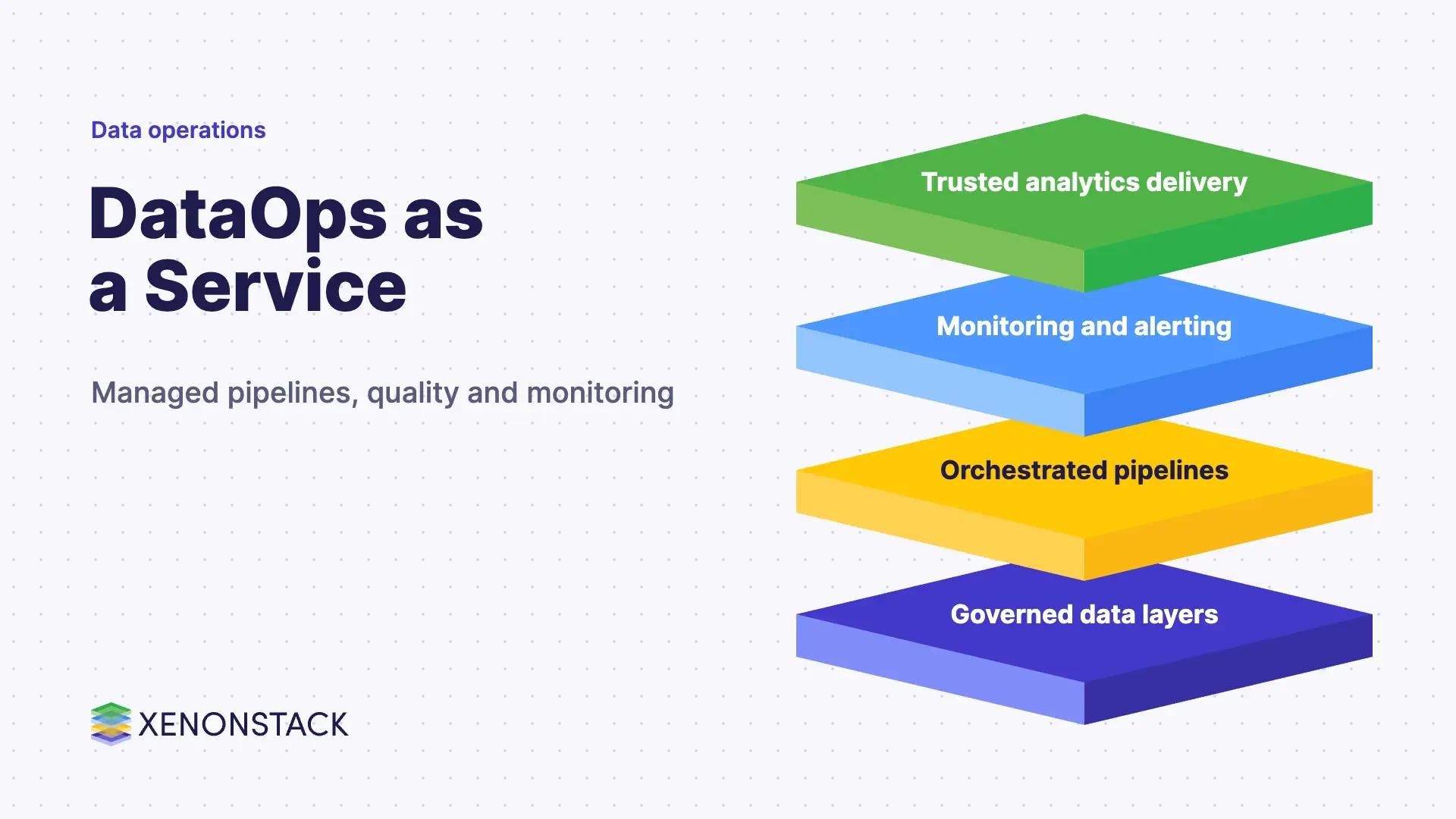
DataOps as a service is a managed way to run pipelines, quality checks and monitoring. See what it includes, how it works and when to buy or build.
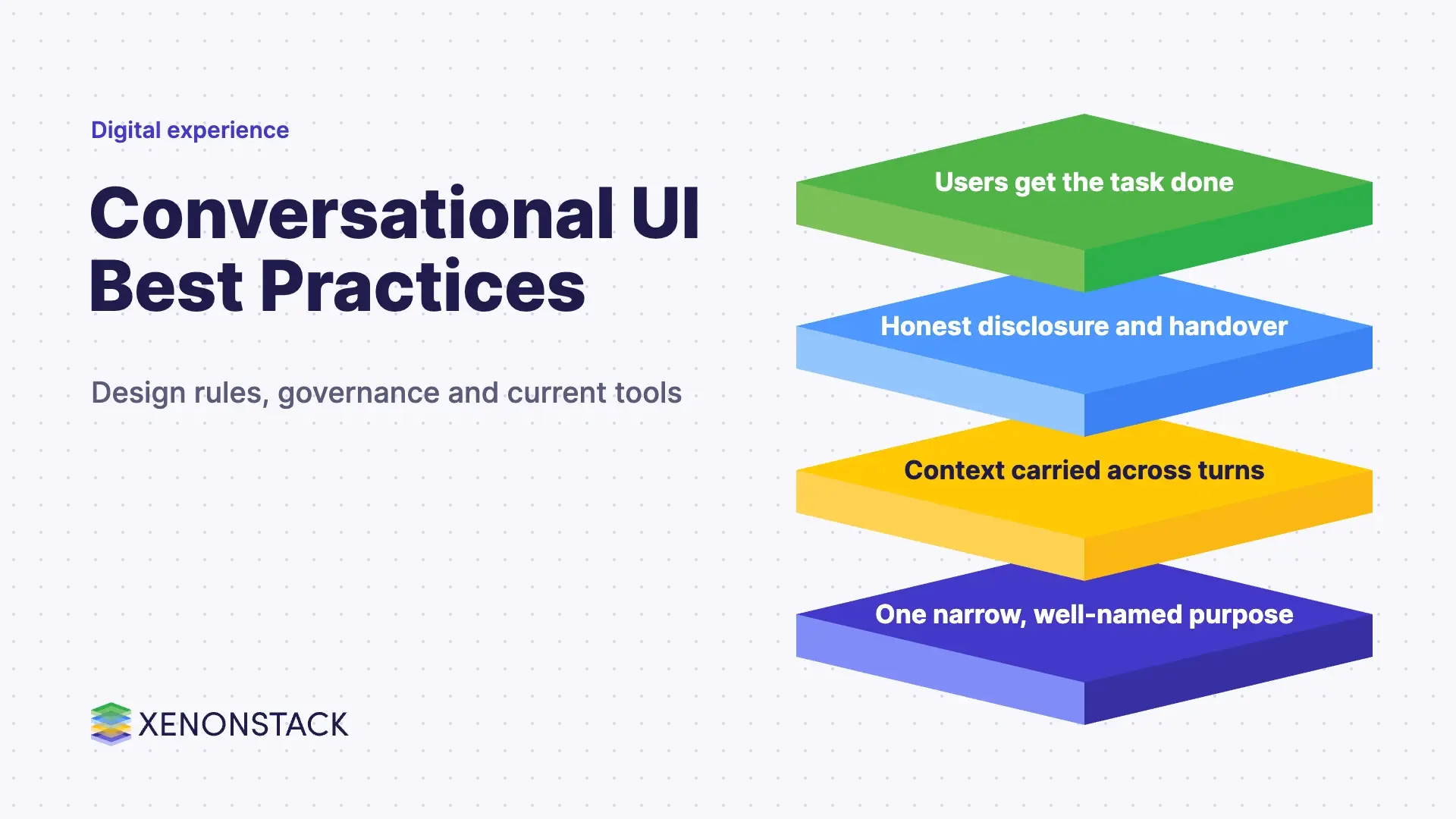
Conversational UI best practices for enterprise teams: how CUIs work, design rules, governance, current tools and when not to use a chatbot.
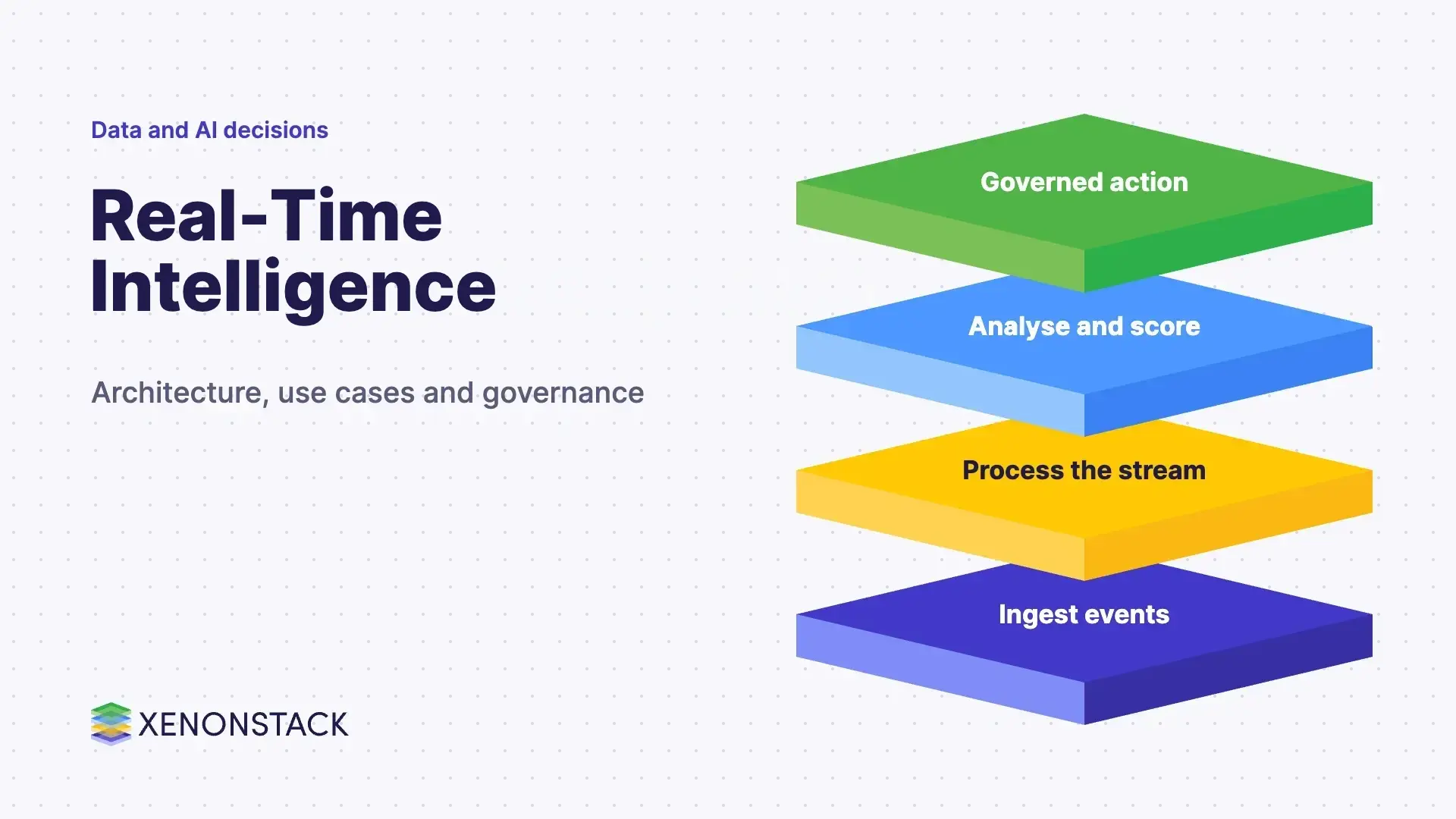
Real-time intelligence turns streaming events into decisions in seconds. See the architecture, use cases, trade-offs and how to govern automated ...
The transformative impact of ai and emergingtechnologies on the world of finance and banking
6 min | Dr. Jagreet Kaur
Comprehensive approach combines cost forecasting, resource optimization, and financial accountability
4 min | Dr. Jagreet Kaur
Unleashing data agents empowers real-time insights, driving smarter decisions and transforming business operations effectively
5 min | Dr. Jagreet Kaur
AI continuously monitors systems for risks before they escalate. It correlates signals across logs, metrics, and traces. This ensures faster detection, fewer incidents, and stronger reliability
 Proactive detection of performance and availability issues
 Root-cause analysis across microservices and environments
 Automated remediation playbooks to reduce MTTR

AI converts camera feeds into instant situational awareness. It detects unusual motion and unsafe behavior in real time. Long hours of video become searchable and summarized instantly
 Real-time detection of suspicious motion or intrusion
 Natural language video search and instant playback
 Smart summaries for audits, investigations, and compliance

Your data stack becomes intelligent and conversational. Agents surface insights, detect anomalies, and explain trends. Move from dashboards to autonomous, always-on analytics
 Connects to warehouses, lakes, and streaming sources
 Question-answering in natural language
 Continuous monitoring for anomalies and KPI deviations

Agents identify recurring failures and performance issues. They trigger workflows that resolve common problems automatically. Your infrastructure evolves into a self-healing environment
 Automated diagnostics for recurring errors
 Playbook execution: restart services, scale pods, clear queues
 Feedback loop for improving remediation strategies

AI continuously checks controls and compliance posture. It detects misconfigurations and risks before they escalate. Evidence collection becomes automatic and audit-ready
 Continuous control checks across infrastructure and SaaS
 Automated evidence collection for audits
 Risk scoring and prioritized remediation recommendations

Financial and procurement workflows become proactive and insight-driven. Agents monitor spend, vendors, and contracts in real time. Approvals and sourcing decisions become faster and smarter
 Real-time visibility into spend and commitments
 Anomaly detection on invoices and vendor performance
 Intelligent workflows for approvals and sourcing decisions


