What are your key focus areas? *
AI Workflow and Operations
Data Management and Operations
AI Governance
Analytics and Insights
Observability
Security Operations
Risk and Compliance
Procurement and Supply Chain
Private Cloud AI
Vision AI

Tell us about you and your priorities so we can prepare the right conversation. It takes about 2 minutes.

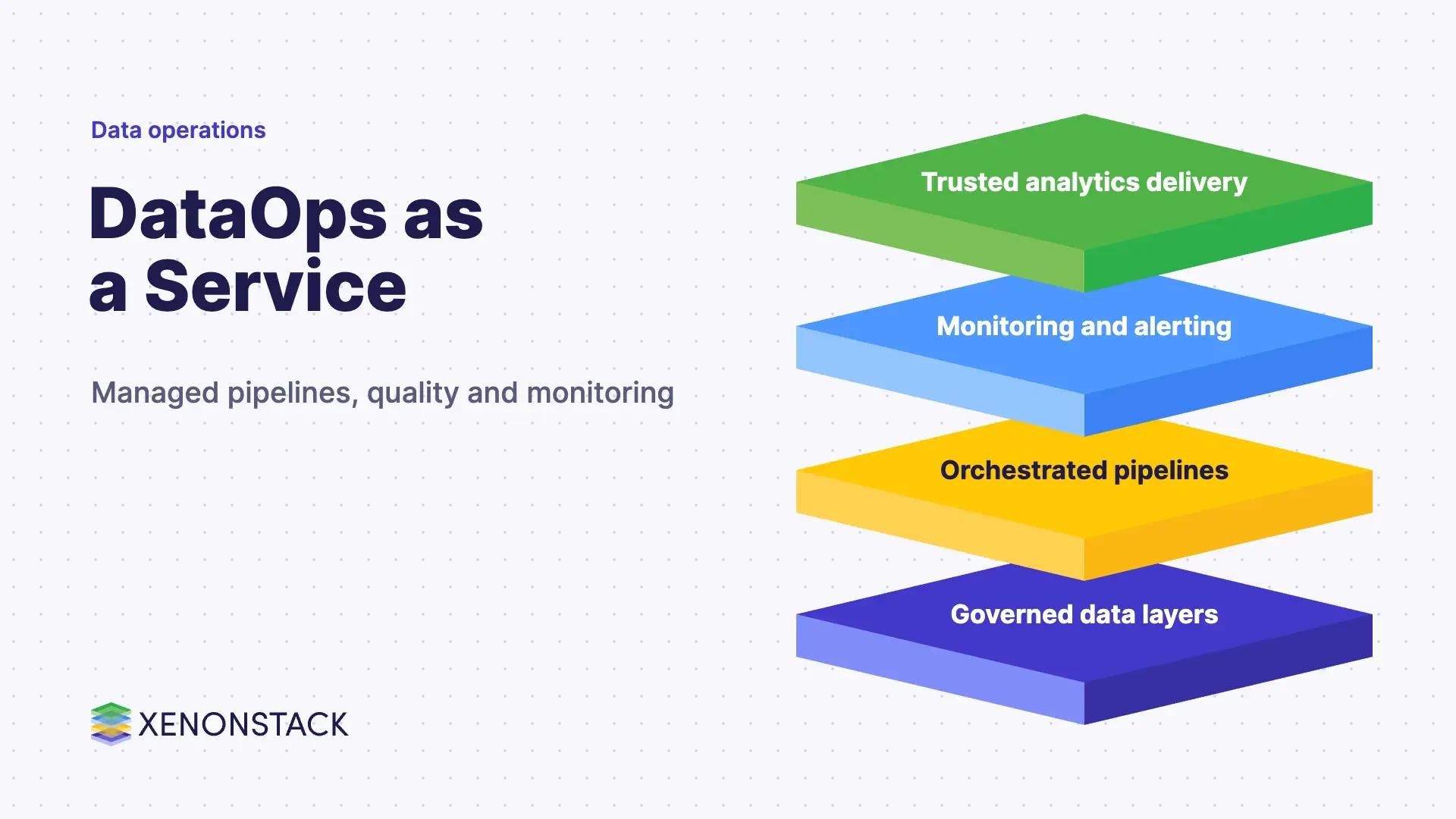
DataOps as a service is a managed way to run pipelines, quality checks and monitoring. See what it includes, how it works and when to buy or build.
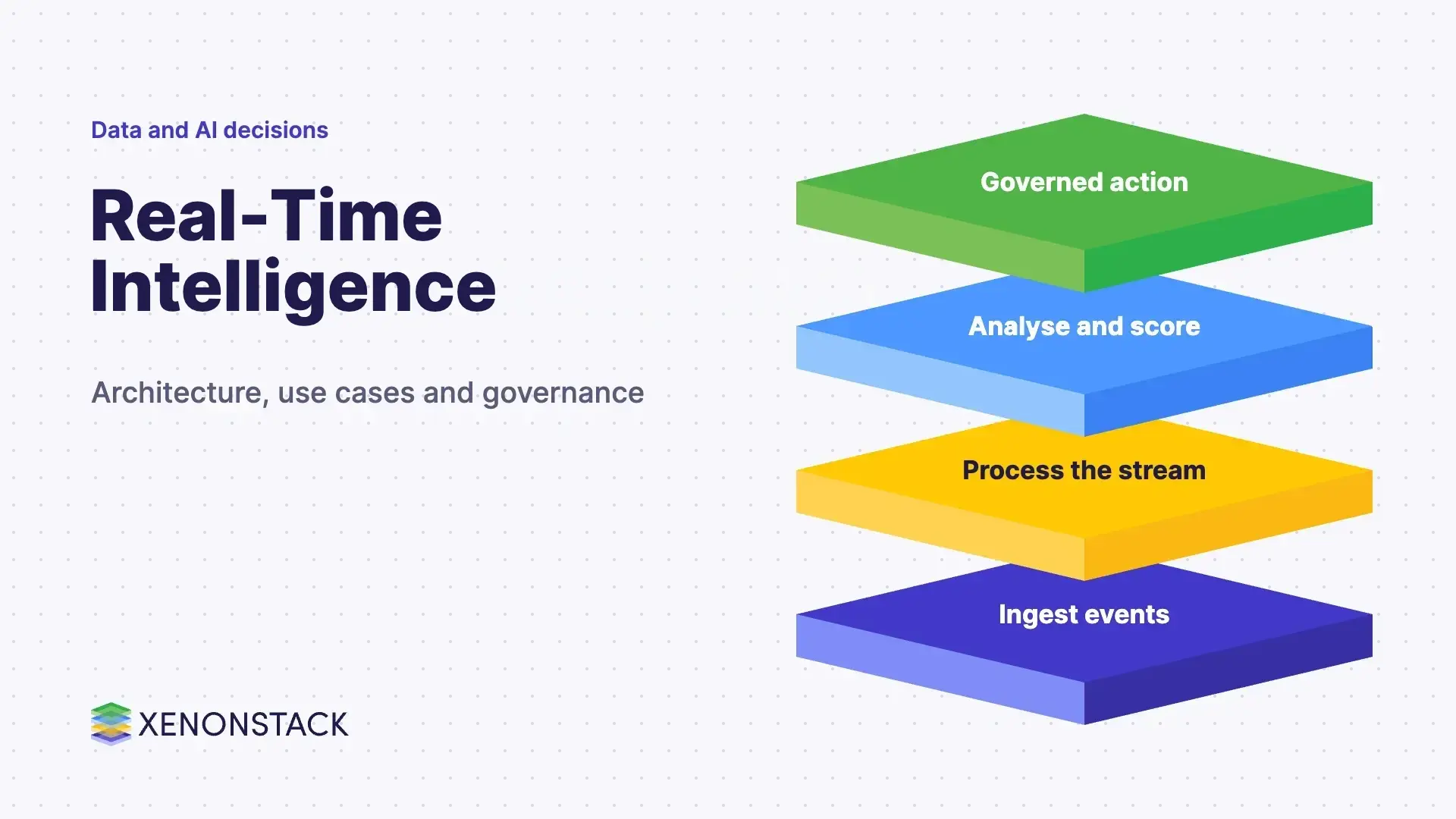
Real-time intelligence turns streaming events into decisions in seconds. See the architecture, use cases, trade-offs and how to govern automated ...
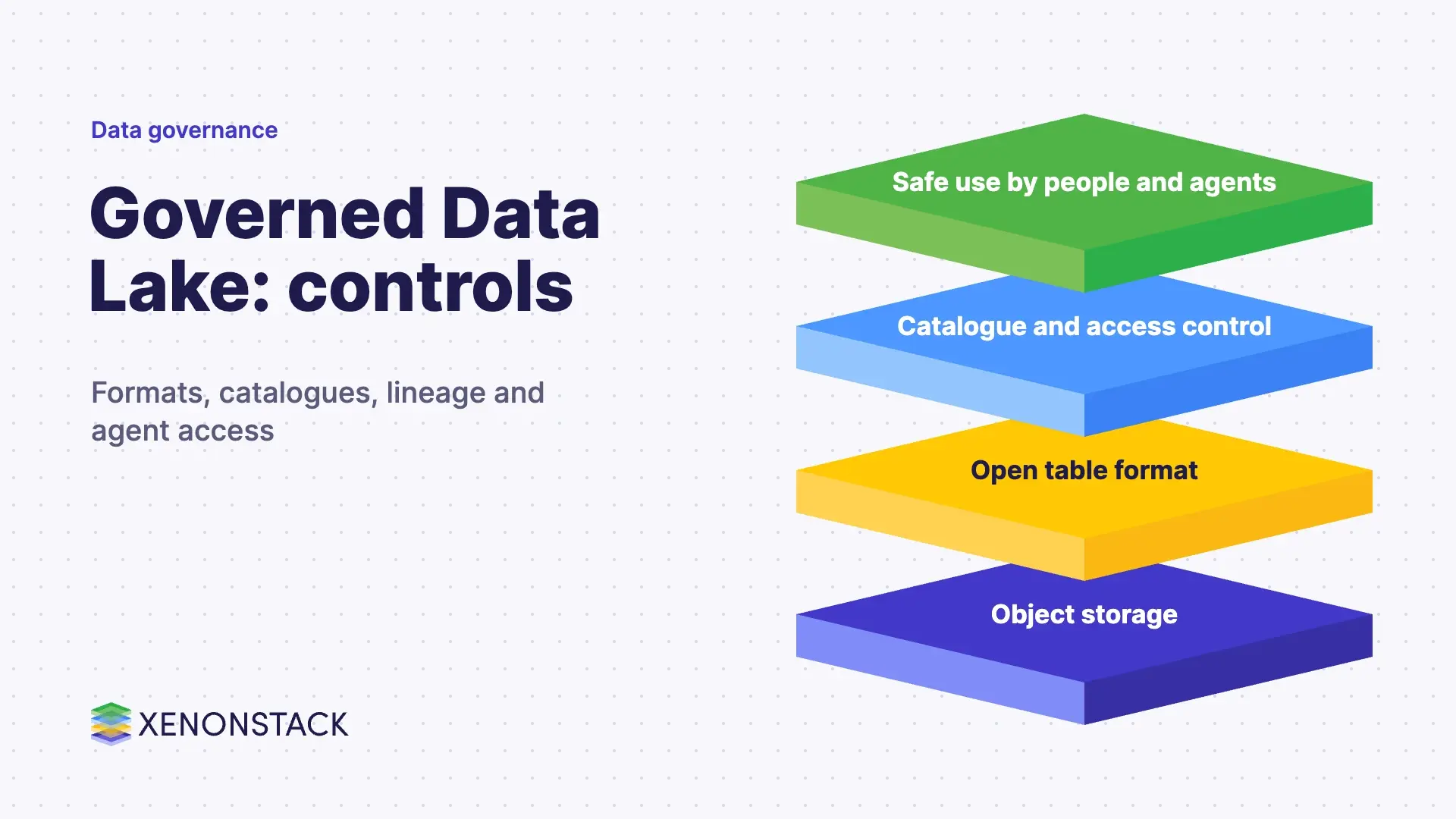
A governed data lake in 2027: table formats, catalogue access control, lineage, quality, retention and rules for AI agents that read and write lake ...
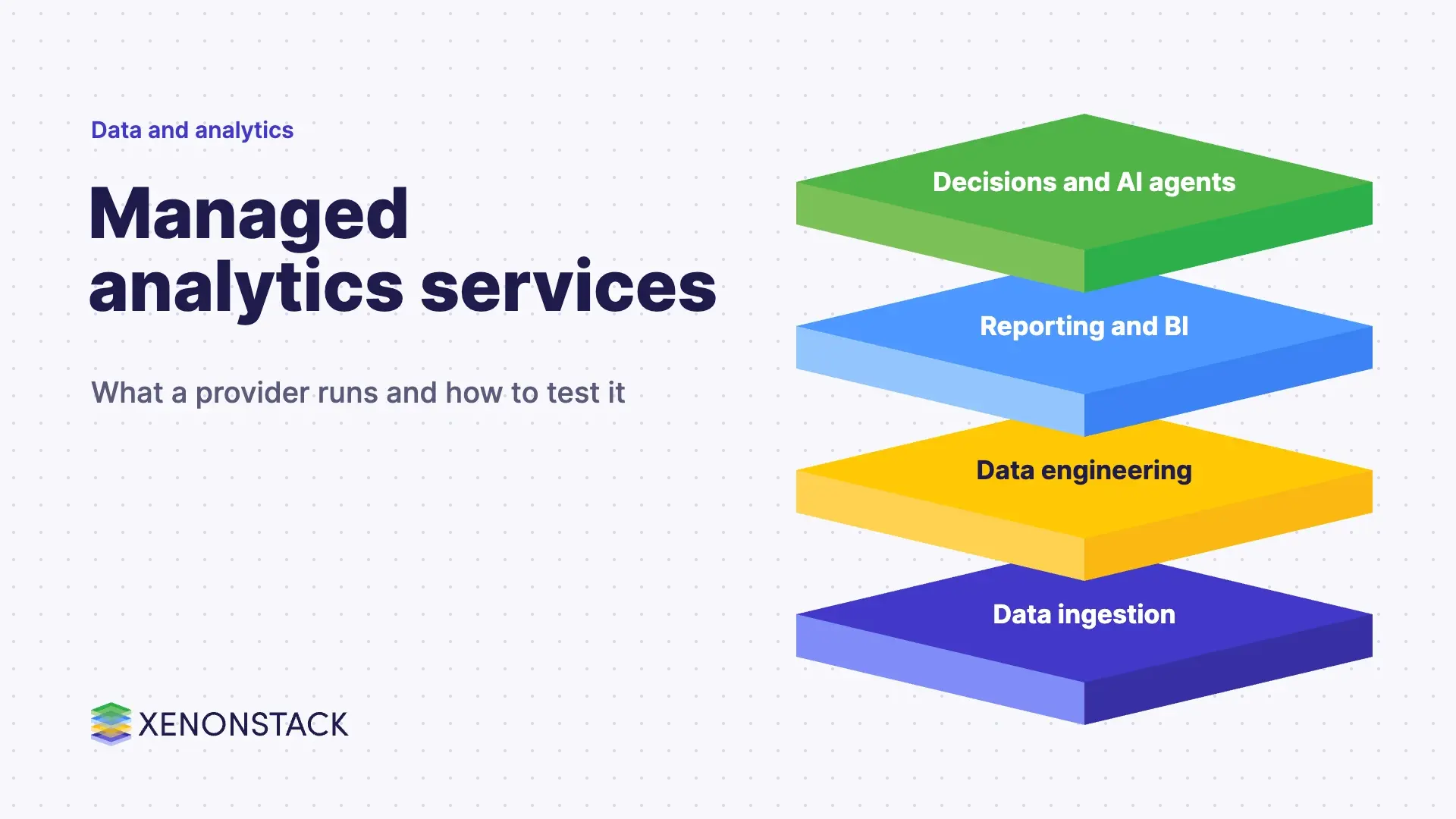
Managed analytics services explained: what a provider runs, how to test it with the APMM, GDPR Article 28 contract points and tool choices for ...
Augmented data quality explained: what it automates, what Databricks and Snowflake document, six best practices and an adoption plan for data leaders.
Supply chain master data management explained: which data is in scope, MDM design options, governance, AI readiness and a phased start for data ...
Google Cloud real-time analytics: how Pub/Sub, Dataflow, BigQuery and Datastream fit together, what is renamed or retired, and how to adopt them.
How time series databases fit real-time analytics: when to choose one over a relational database, options, cardinality, retention and governance.
Distributed systems observability explained: logs, metrics and traces, how context propagation links services, and how AI agents fit into diagnosis.
Apache Flink 2.0 changes how streaming jobs are built. See what is new, what broke, and how to connect Kafka and Flink with the current connectors.
Apache Airflow explained: Airflow 3 architecture, executors, benefits, install steps, best practices, governance and when to choose another tool.
What an IoT platform is, its key components, how AWS and Azure differ, how to secure and adopt one, and what changes over the next 3 to 5 years.
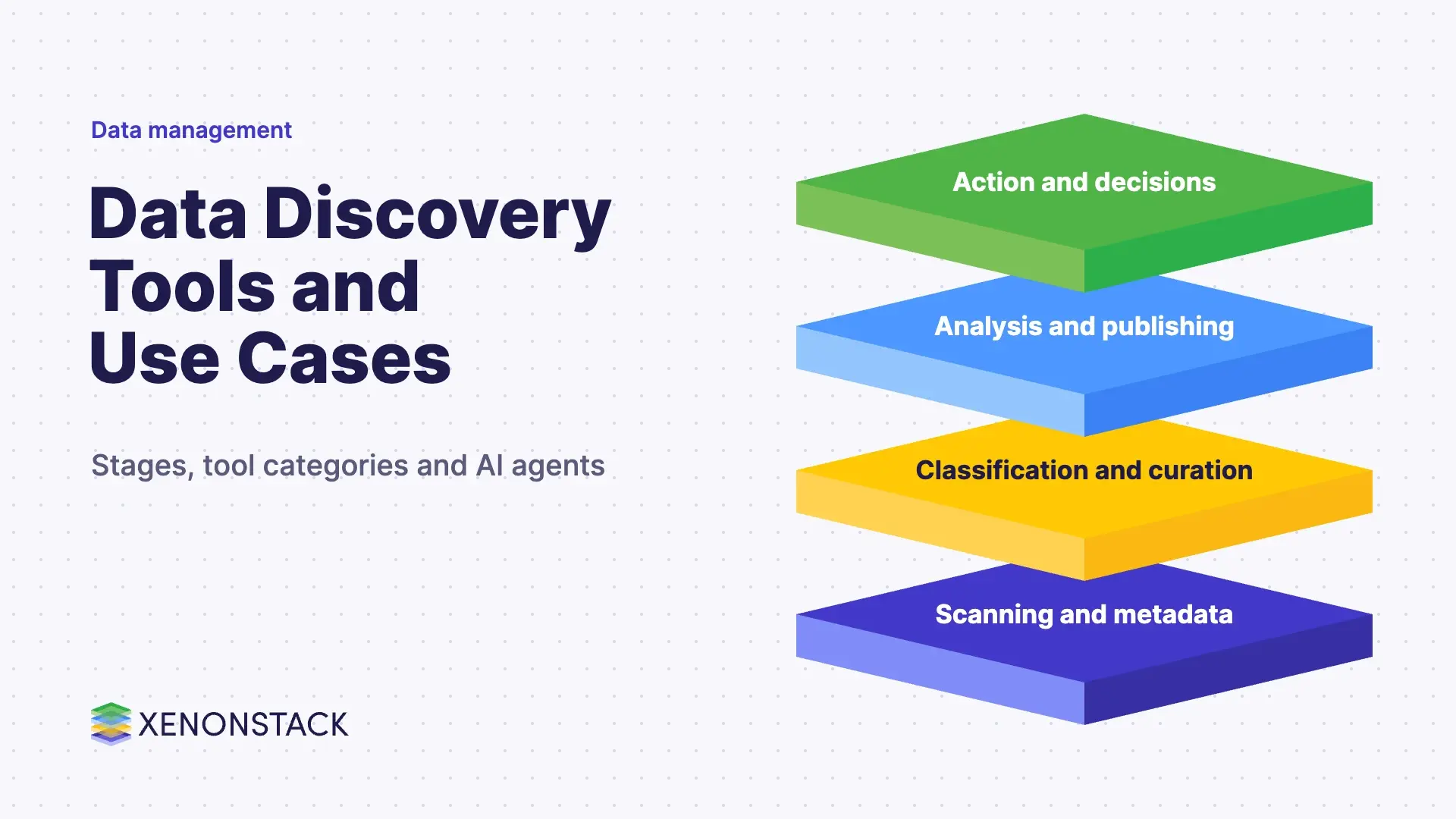
Understand data discovery, its six stages, key use cases and how catalog, analytics and sensitive-data tools differ, plus how AI agents help.
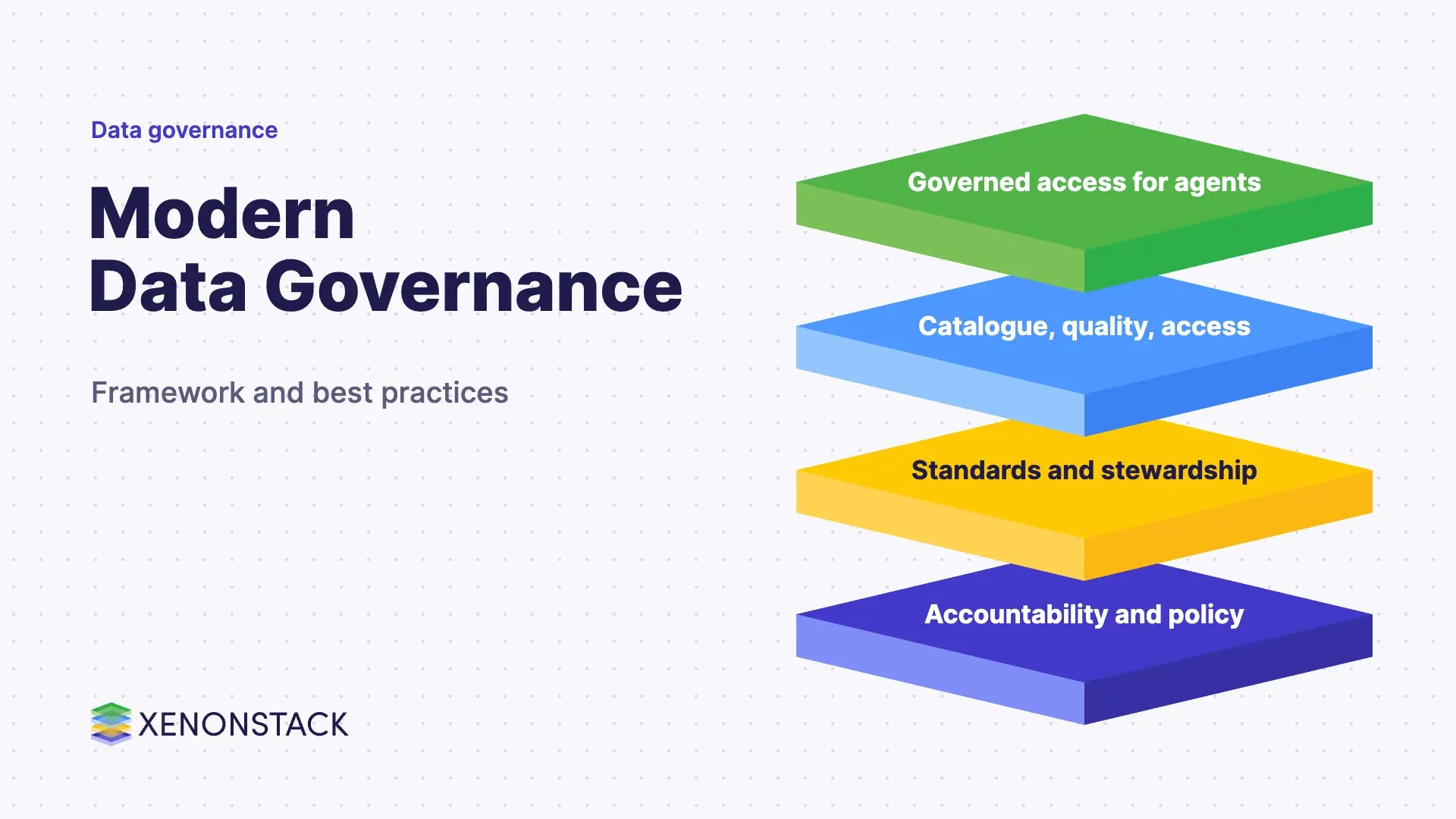
Data governance sets who owns data and how it is used. See the DAMA and Google Cloud definitions, framework parts, best practices and the AI agent ...
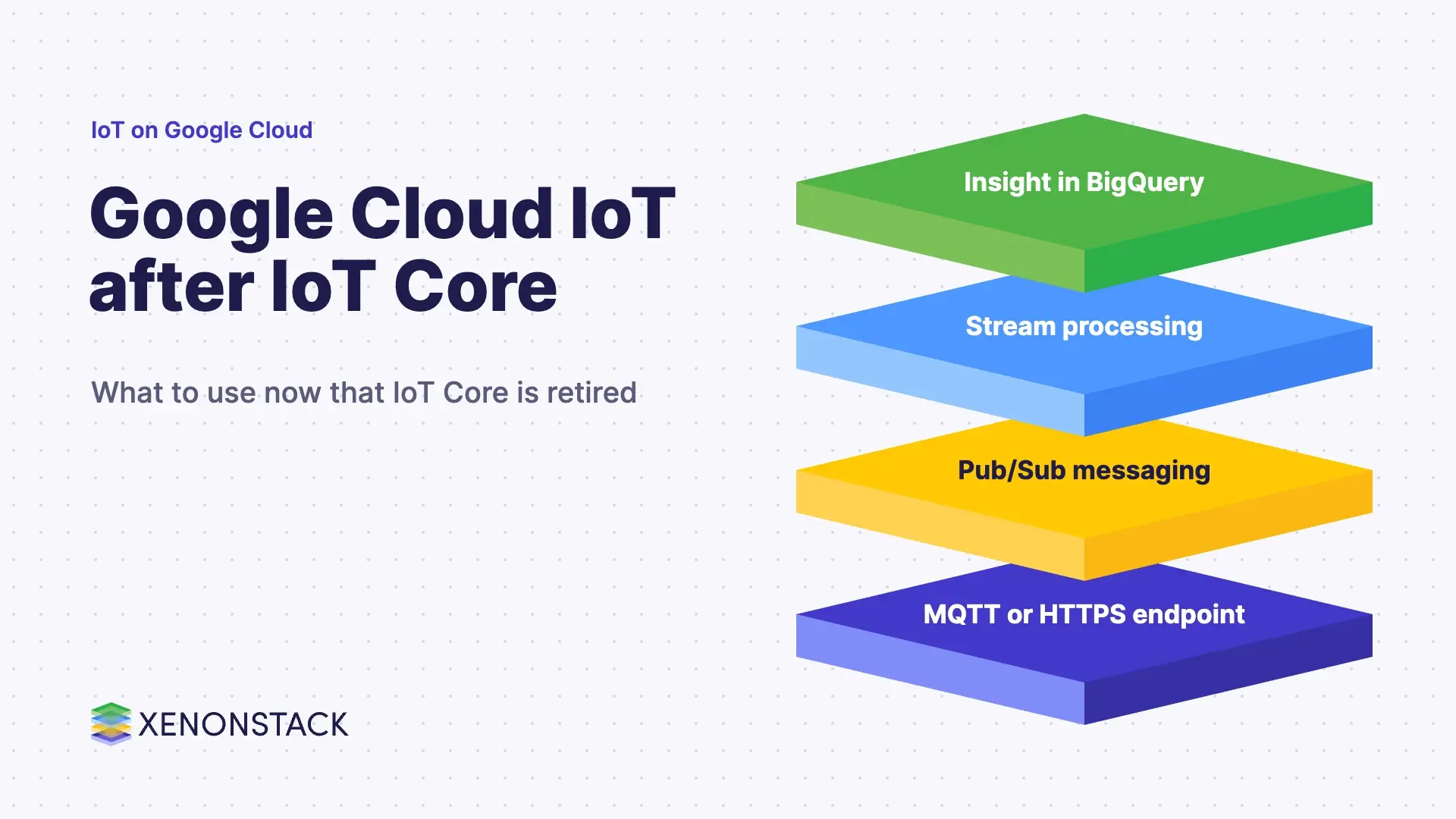
Google Cloud IoT Core was retired in August 2023. See what Google documents today, how Pub/Sub, Dataflow and BigQuery fit, and how to choose.
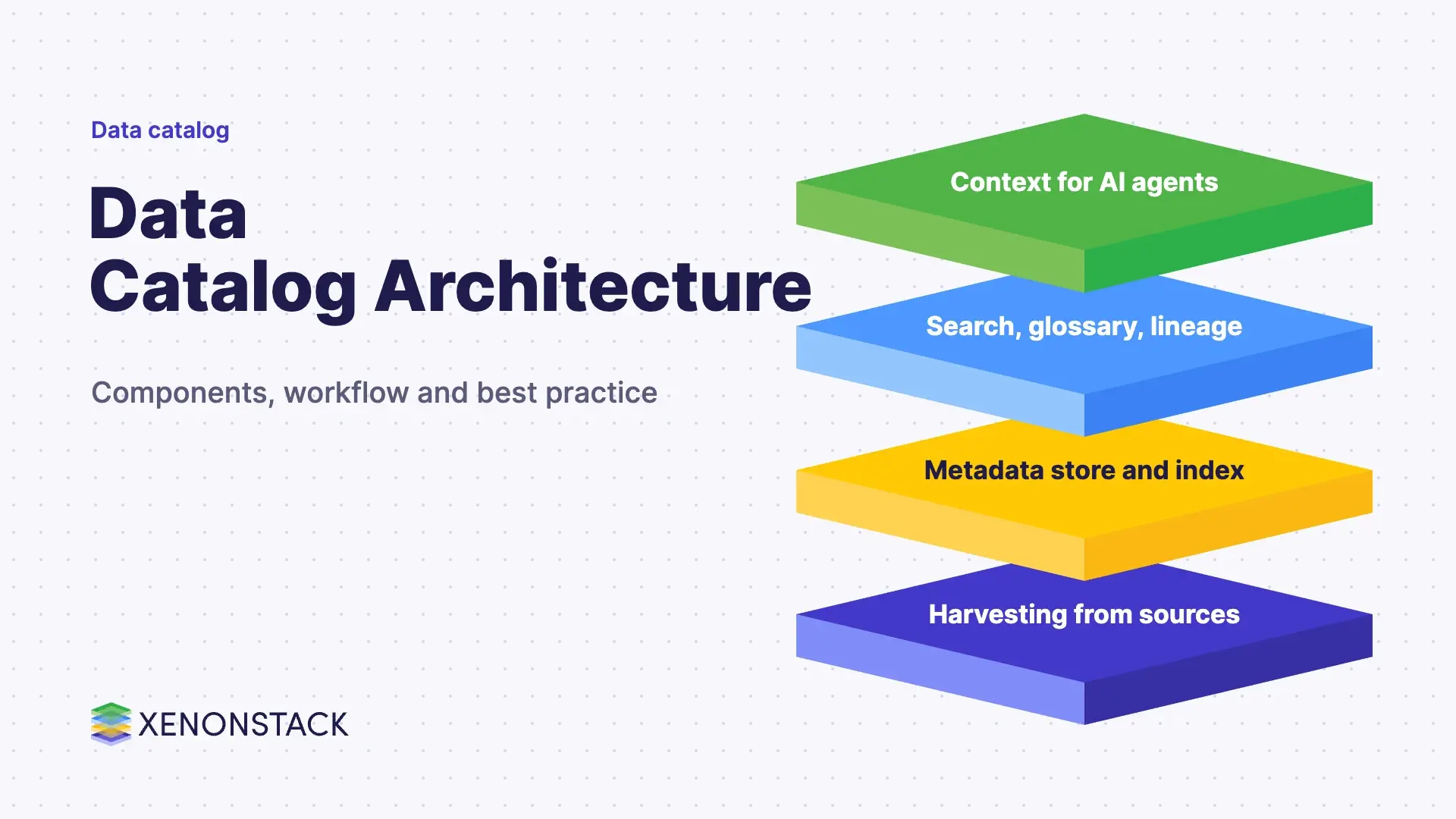
Data catalog architecture explained: components, harvesting workflow, how it differs from a metastore, best practices and what AI agents need from it.
DataOps explained: the 18 manifesto principles, framework, tools and a staged adoption path, plus what agents need from your data operations.
Data validation testing explained: the test types, a step-by-step process, where to run checks in the pipeline and which tools fit, plus the AI angle.
Data denormalization adds redundant data to a normalised database to speed up reads. Learn the techniques, risks and when it pays off for your ...
Data modelling for enterprise teams: three levels, model types, six steps, normalised versus dimensional design, tools and how AI agents change it.
Apache Arrow explained for enterprise teams: the columnar format, Flight, ADBC, and how it works with Parquet, Spark and pandas, plus trade-offs.
Cookies, local storage and session storage compared on lifetime, size, scope and security, with a decision table and security rules for web teams.
Eight big data challenges, from skills and integration to security and cost, with practical fixes and a governance view for enterprise leaders.
Database managed services hand monitoring, backups, patching and audits to a provider under an SLA. See what to include and how to compare options.
DevOps best practices for data engineers: CI/CD, infrastructure as code, containers, observability and DORA metrics, with an adoption order for data ...
A modern data warehouse separates storage from compute and queries lakes in parallel. Compare Azure, AWS and Snowflake and learn best practices.
Data warehouse modernisation explained: public, private and hybrid cloud models, a migration plan, lake versus warehouse and what AI agents need.
Cloud data warehouse guide: how Snowflake, BigQuery, Redshift and Microsoft options differ on billing, scale and fit, with use cases, risks, a ...
Implement DataOps on AWS, Azure and GCP: map practices to managed services, compare platform choices and follow a staged adoption path for data teams.
Modern data infrastructure explained: components, warehouse vs lakehouse, ELT, validation, governance, cost and a five-step adoption path for data ...
Data quality management explained: the architecture, five quality pillars, tools such as Deequ and the status of Griffin and DQS, plus practices that ...
Data lineage explained: what it is, how it is captured, the 5 W's, best practices and open tools, plus why it matters for governed data and AI agents.
Eight data privacy best practices for business: minimise, classify, protect endpoints, encrypt with current standards, detect PII, and secure APIs.
Graph databases store data as nodes and relationships. Compare property graph and RDF models, query languages, use cases and Azure Cosmos DB Gremlin.
Continuous ETL explained: architecture, current streaming tools (Kafka Connect, AWS Glue, Lakeflow) and when batch is still the better choice.
Run Spark, Flink, Kafka and HDFS on Kubernetes: which workloads fit, StatefulSets, security, cost trade-offs and an adoption sequence for enterprise ...
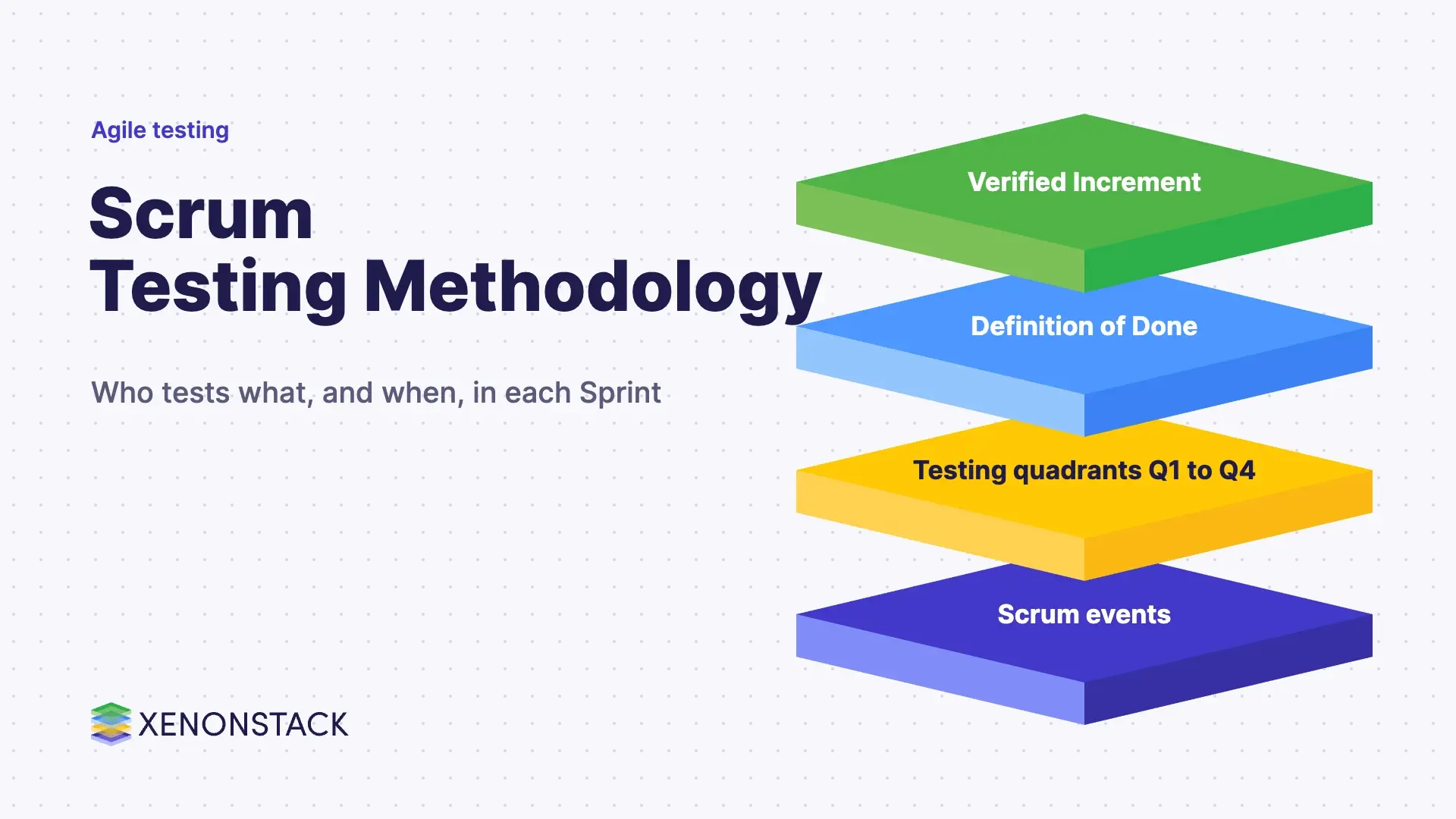
How testing works in Scrum: events, who tests, the four agile testing quadrants, a Definition of Done checklist, challenges and the role of AI agents.
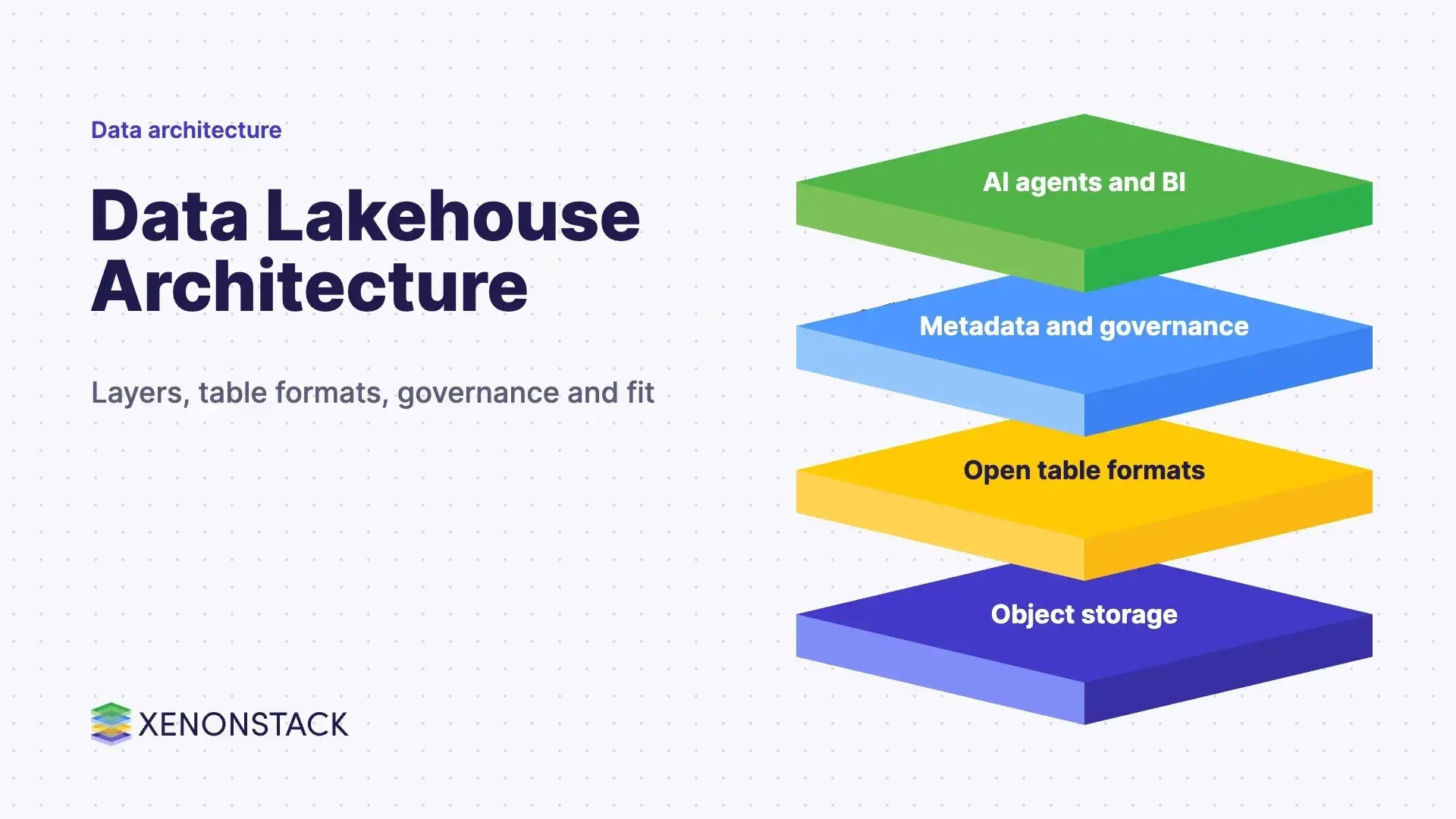
Data lakehouse architecture explained for enterprise teams: layers, Delta Lake vs Iceberg vs Hudi, governance, industry use cases and when not to use ...
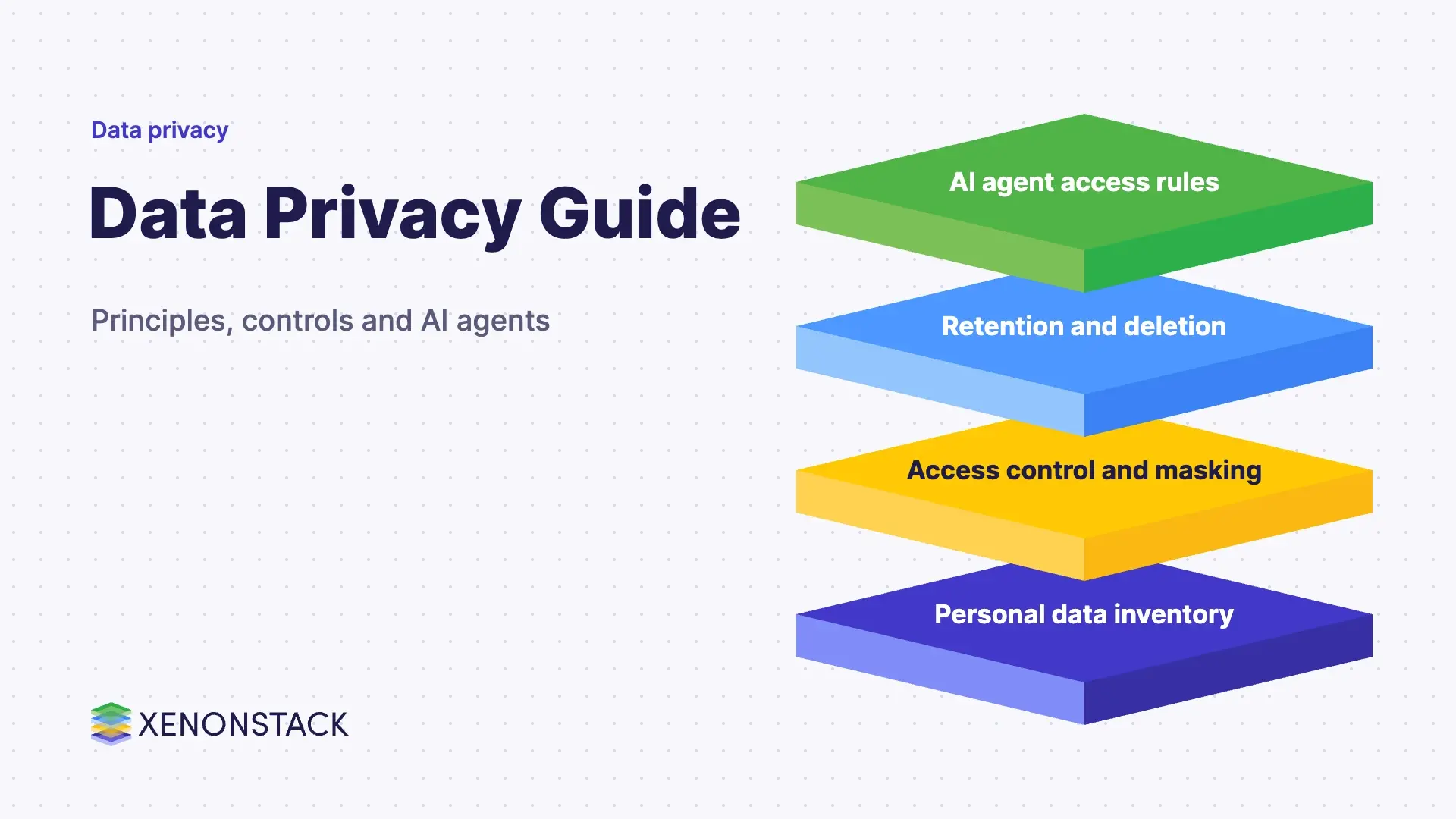
Data privacy explained: what personal data is, the principles to follow, controls that enforce them, how it differs from security, and what AI agents ...
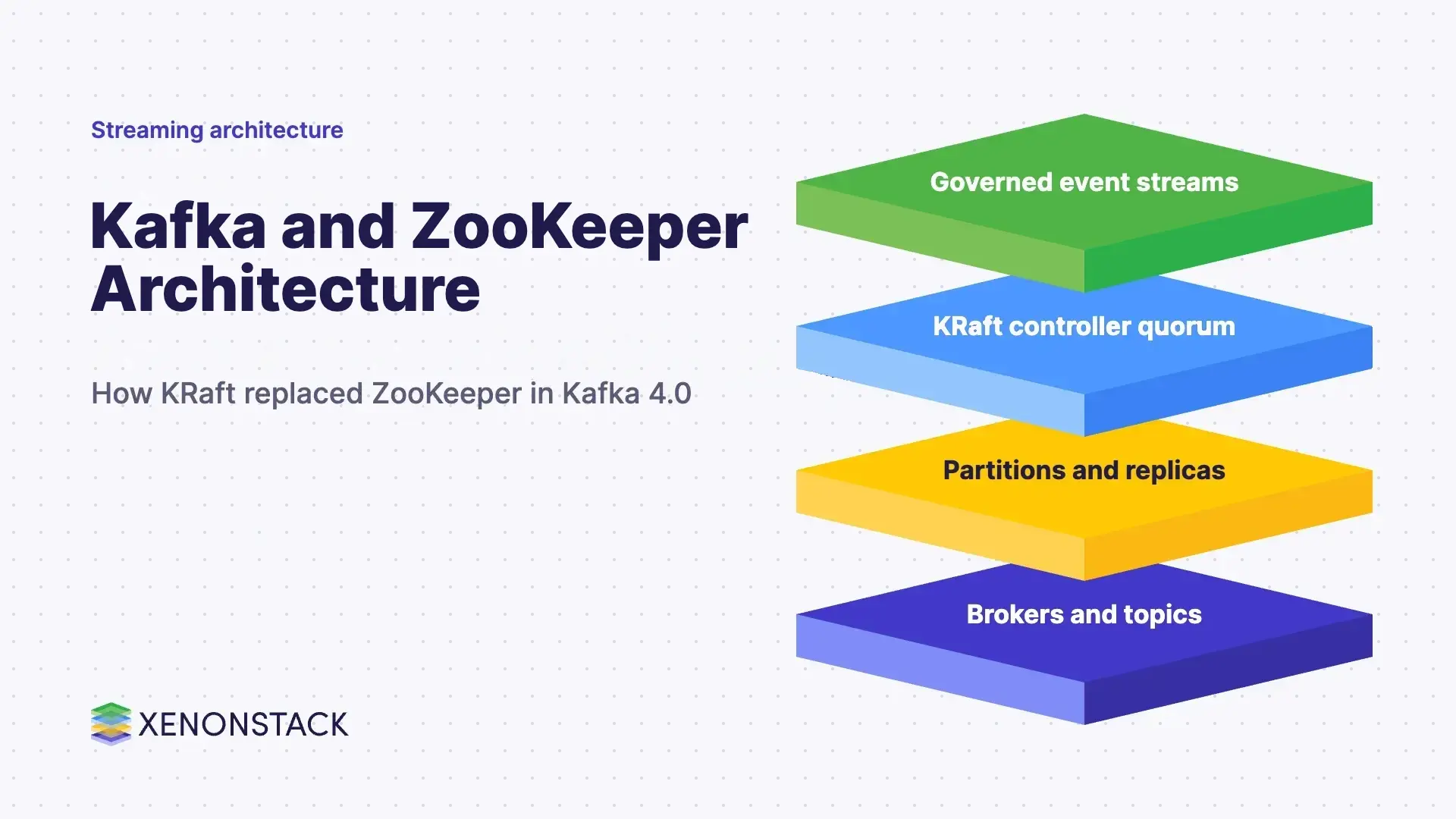
Kafka and ZooKeeper architecture explained: brokers, partitions, replicas, the controller, KRaft and the Kafka 4.0 ZooKeeper removal, with a ...
A data pipeline moves and validates data from sources to a destination. Learn the types, components, benefits, ETL difference and best practices.
Azure Cosmos DB for enterprise leaders: APIs, five consistency levels, partitioning, RU limits, availability, cost controls and where AI agents fit.
Start automated data processing in 2027: batch vs streaming, Airflow, Dagster, Prefect, dbt, Fivetran, Airbyte, quality checks, reruns and governance.
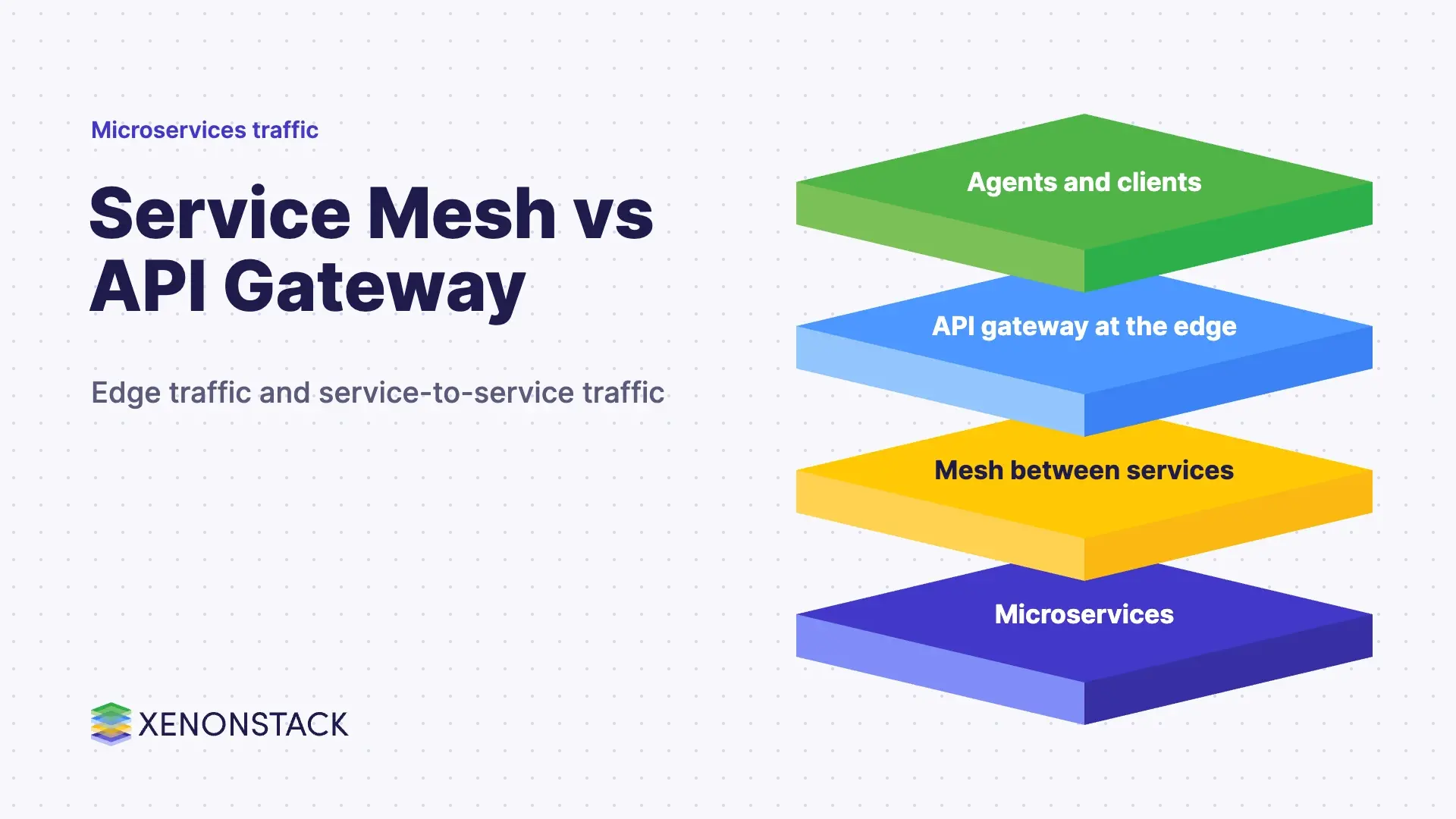
A service mesh manages traffic between services, an API gateway manages client traffic at the edge. See the differences and when to use both.
A cloud data integration platform combines data movement, quality and governance. See what it covers, what to look for and what changed in Oracle ...
Nine big data architecture challenges, from storage and quality to security and tool choice, with fixes, a Lambda vs Kappa table and an adoption ...
GCP Data Catalog is deprecated. See what Knowledge Catalog (ex Dataplex Universal Catalog) does, how tags map to aspects, and what to decide before ...
AresDB is Uber's GPU-powered real-time analytics engine. See why it was built, how fact and dimension tables work, the AQL query format and its ...
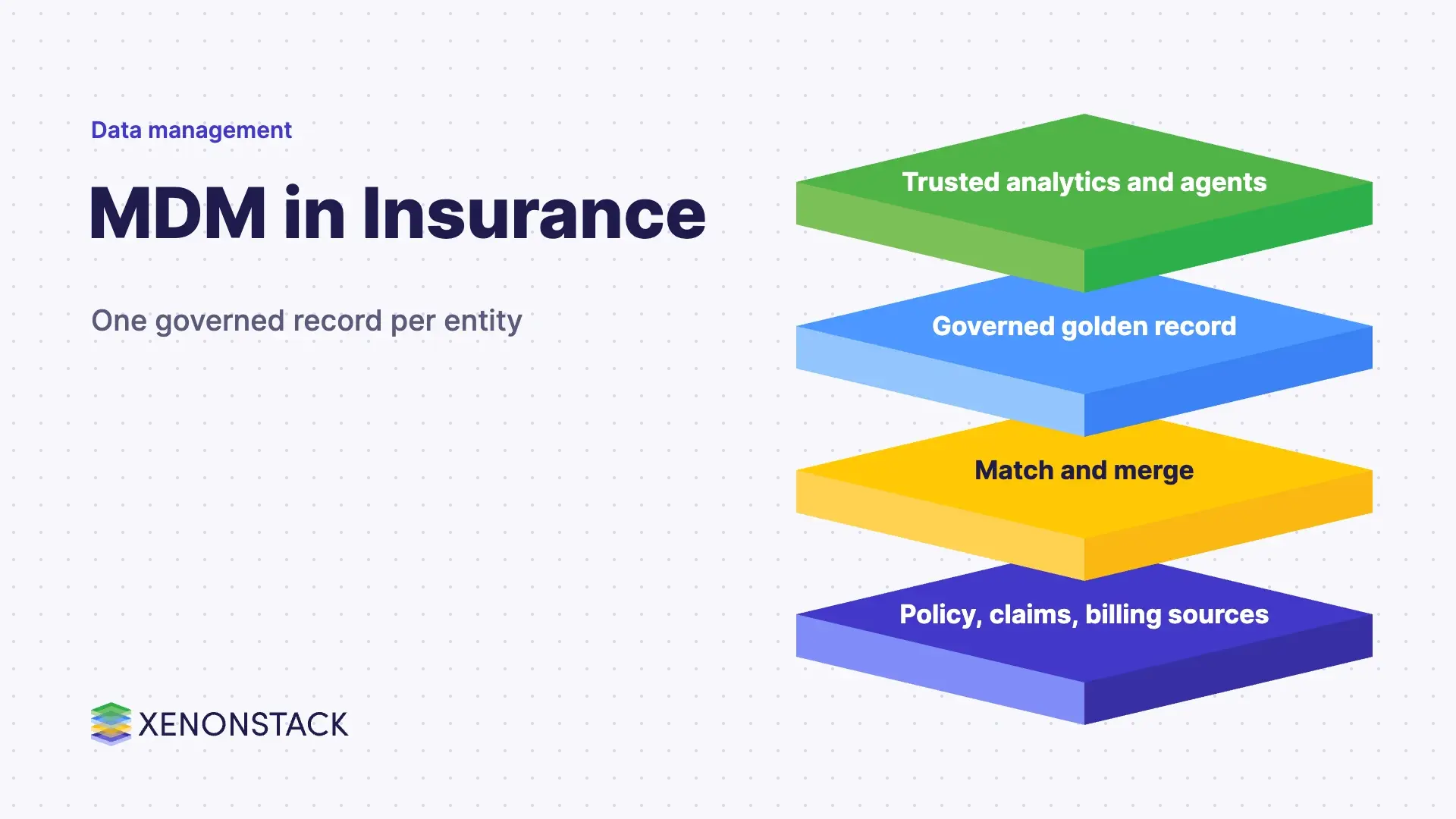
Master data management in insurance gives policyholder, product and agent data one governed record. See how it works, why it matters and where to ...
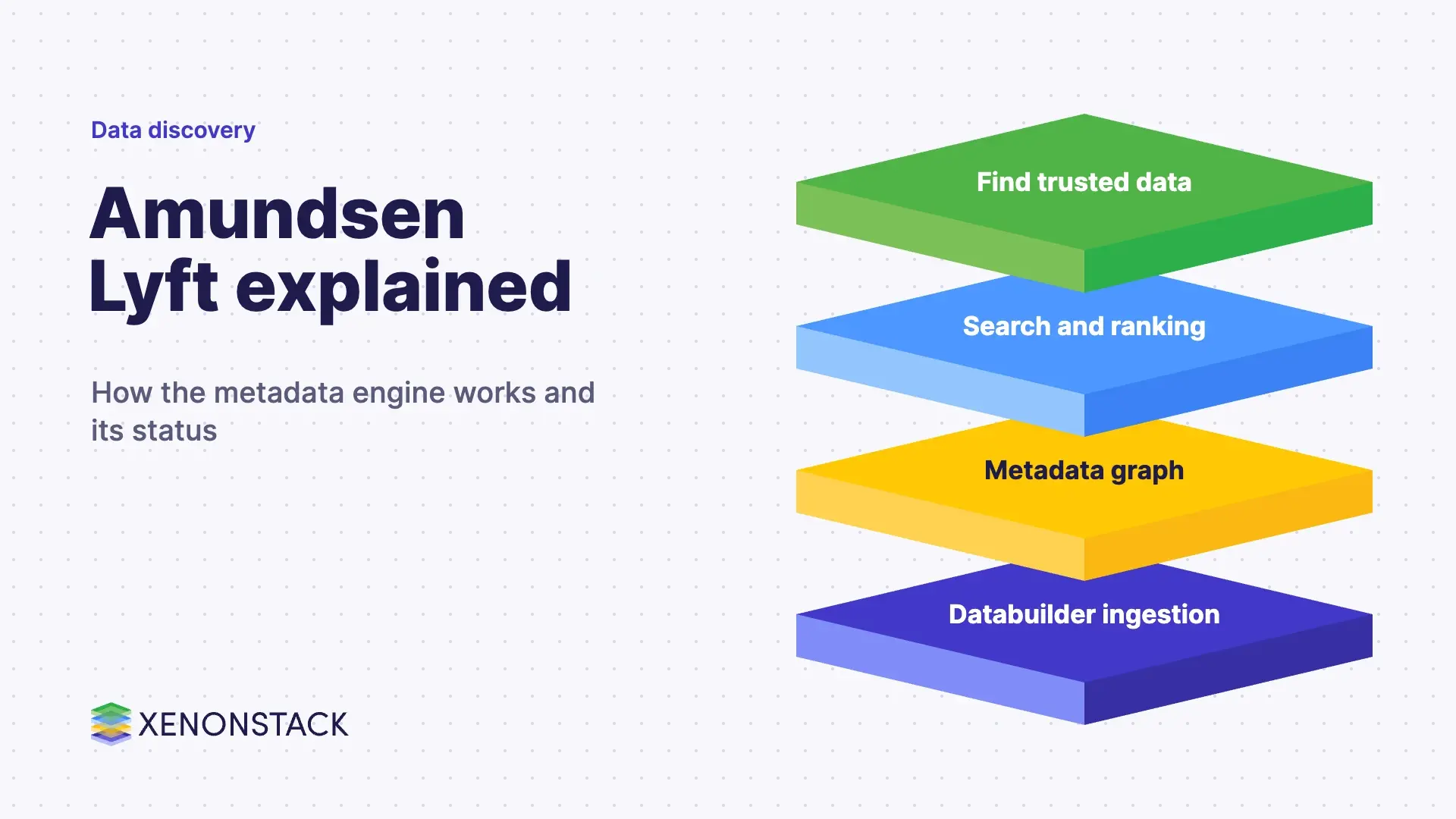
Amundsen is Lyft's open-source data discovery and metadata engine. See how it works, its archived status and what to check before adopting it.
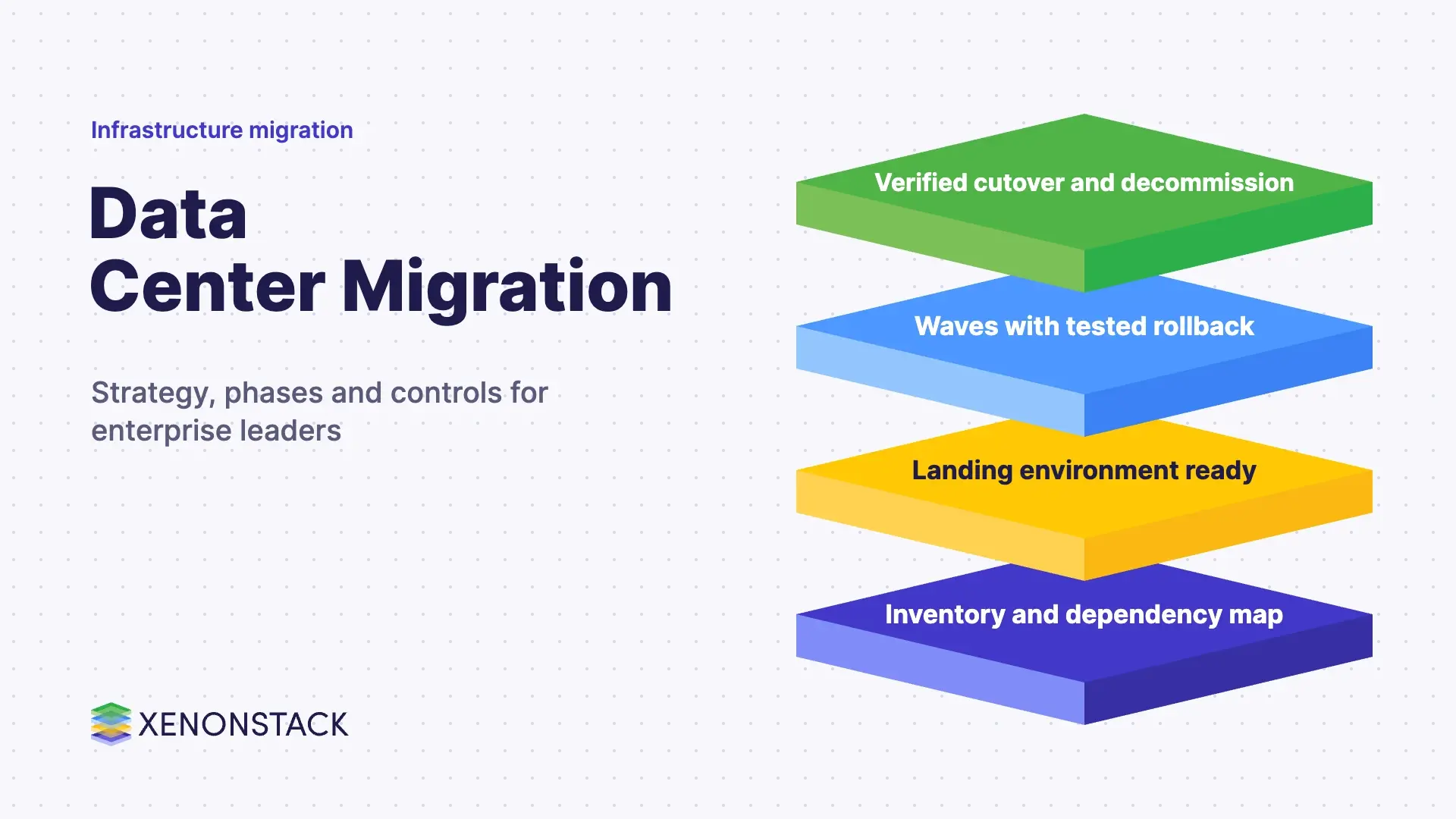
Data center migration strategy: the 7 Rs, phases from AWS, Microsoft and Google, wave planning, rollback, KPIs and governance for CIOs and CDOs.
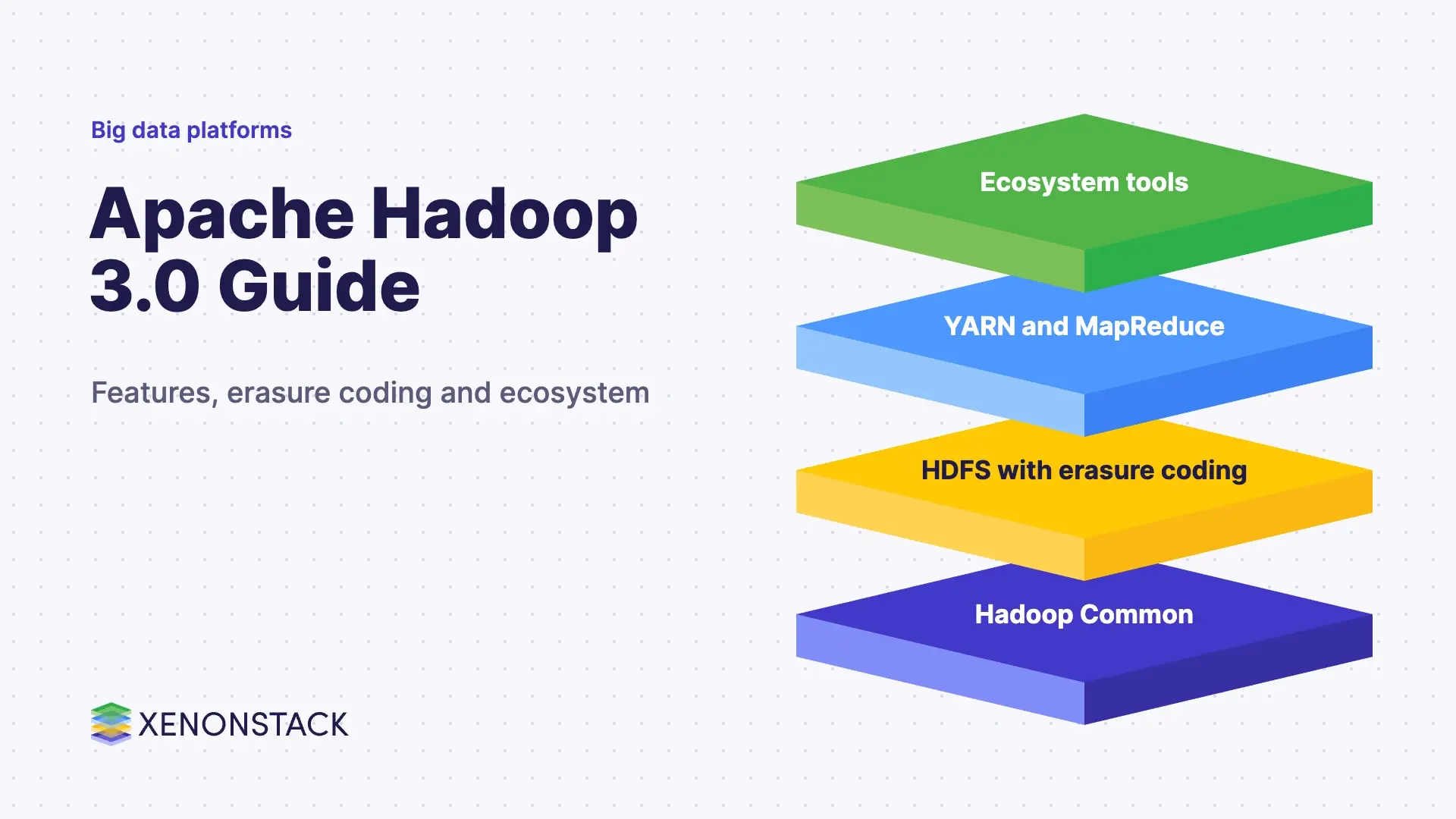
Apache Hadoop 3.0 explained: new features, HDFS erasure coding versus replication, ecosystem tools, adoption steps and AI agents in cluster ...
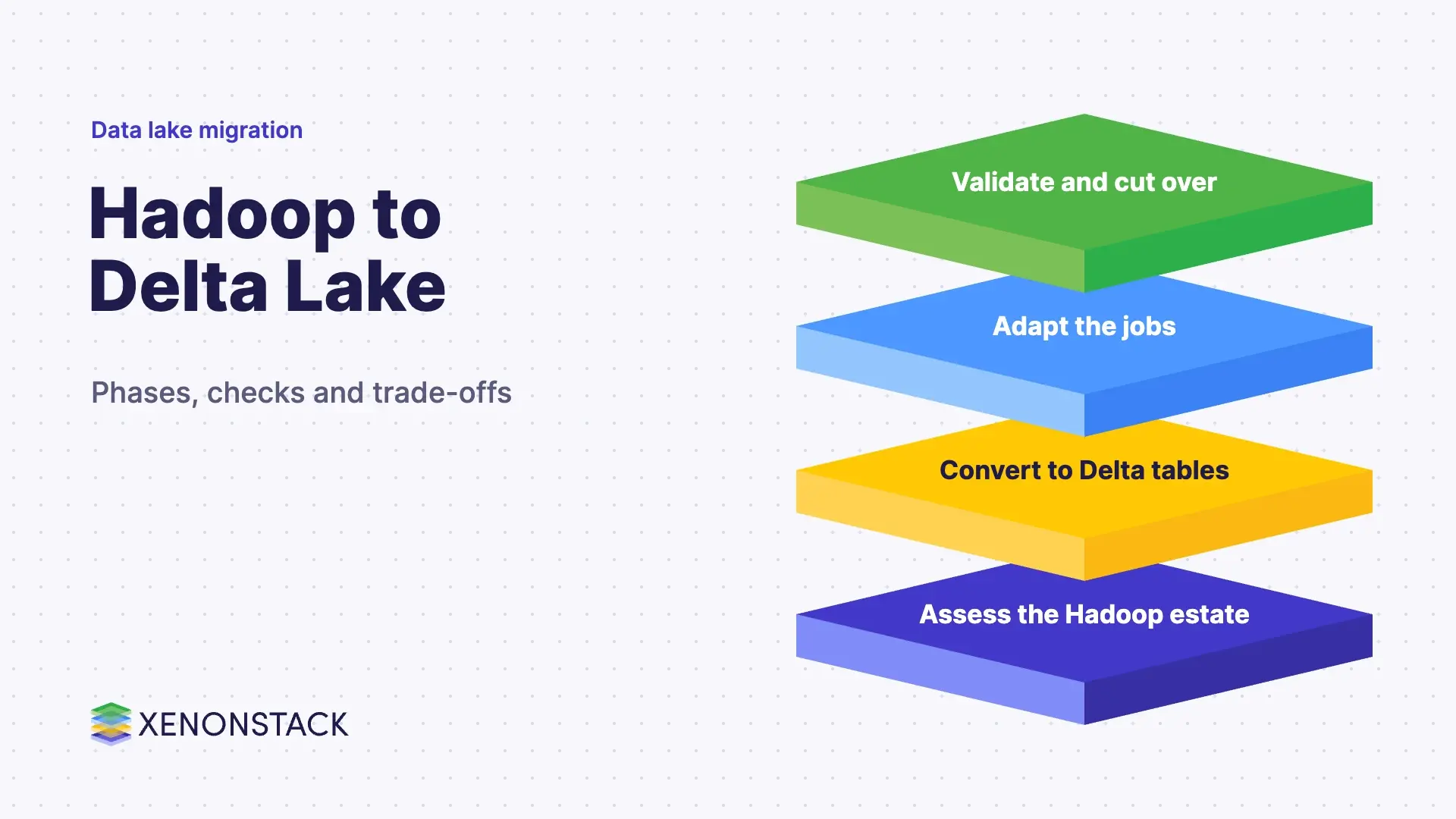
Hadoop to Delta Lake migration explained: why teams move, how the two compare, a phased plan, checks before you start and how AI agents help.
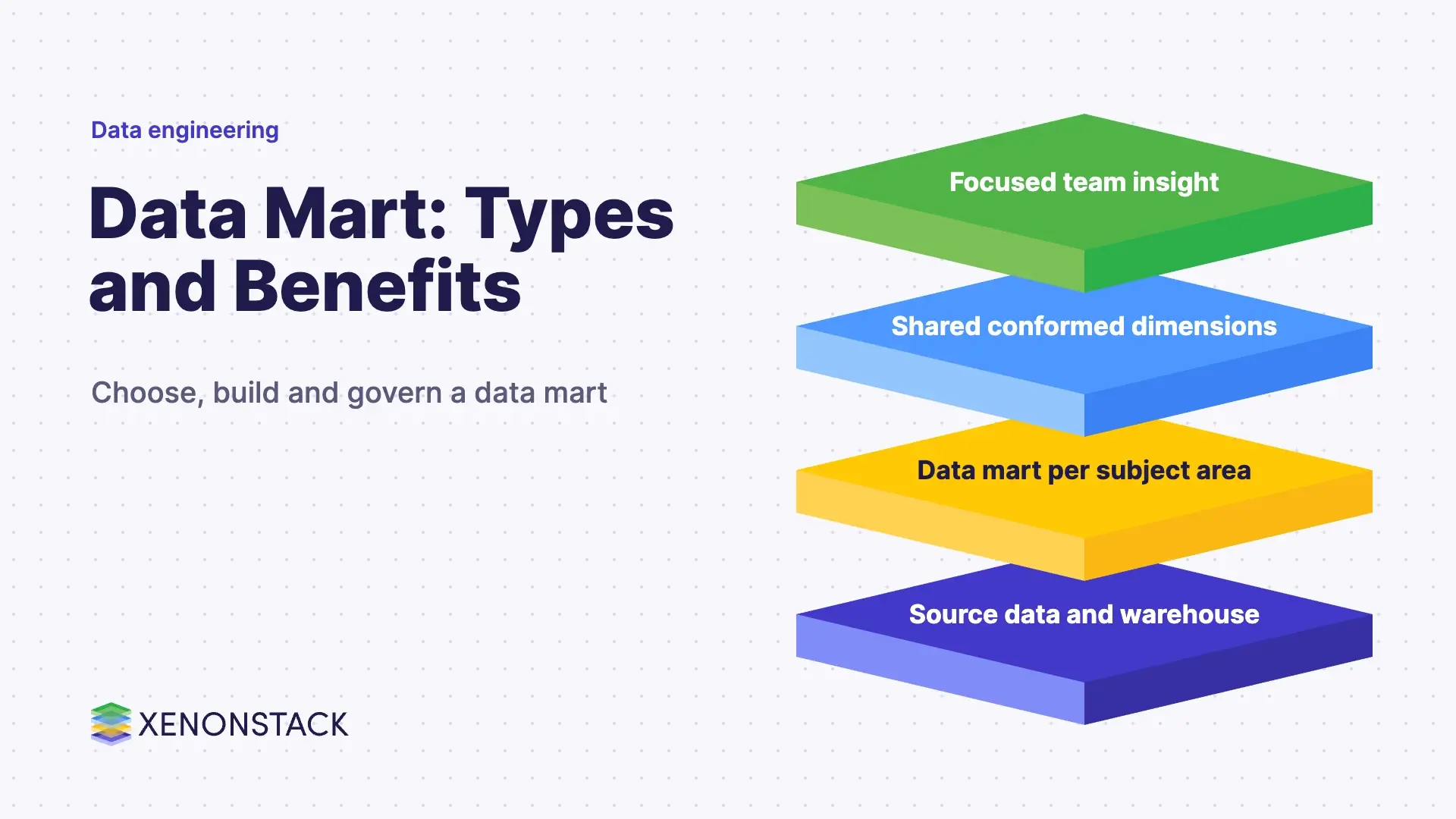
A data mart is a subset of a data warehouse for one team. Learn the three types, build steps, benefits, limits and how to keep marts consistent.
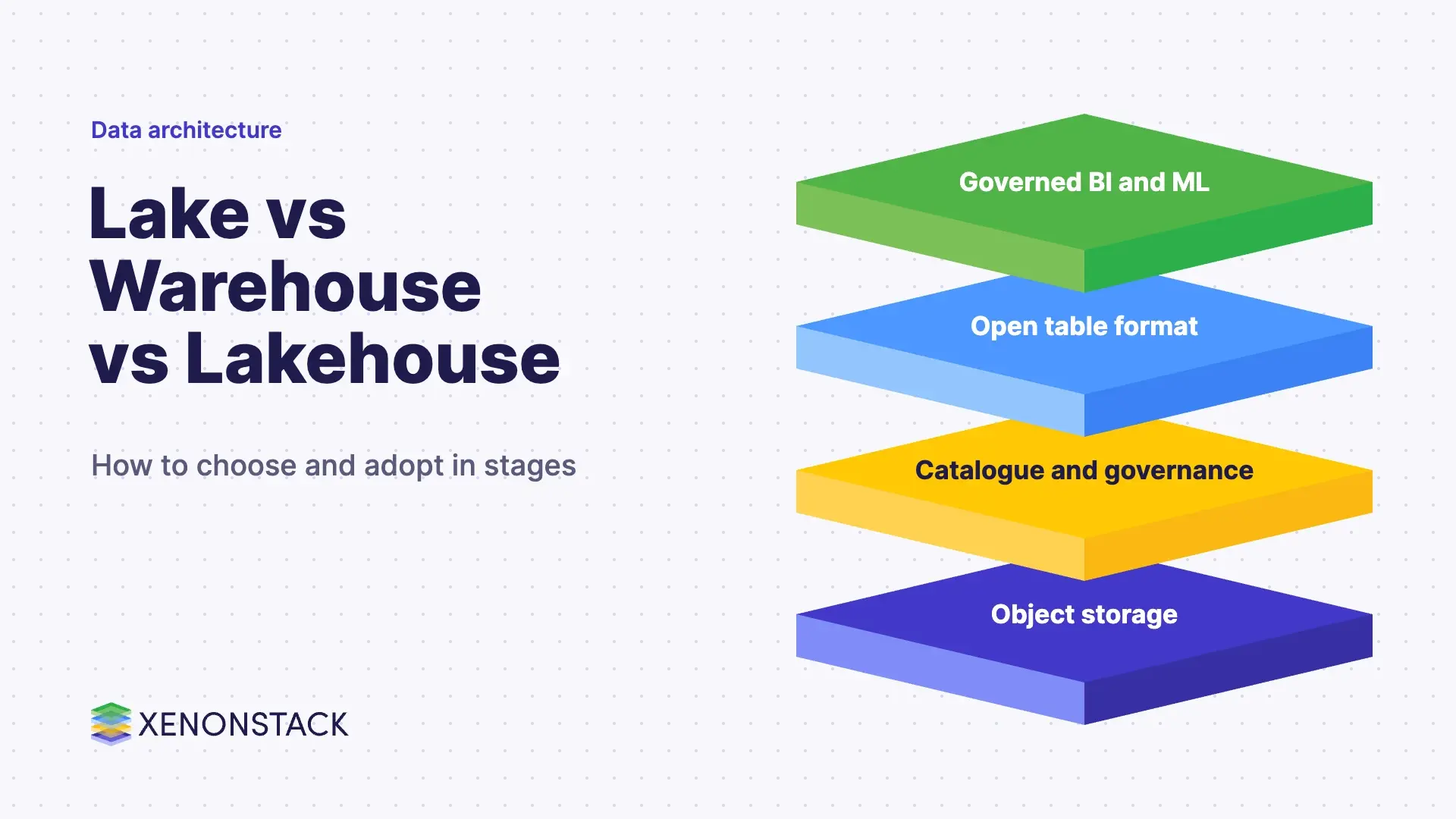
Data lake vs data warehouse vs data lakehouse: how they differ, when each fits, and how enterprises can choose, govern and adopt a lakehouse in ...
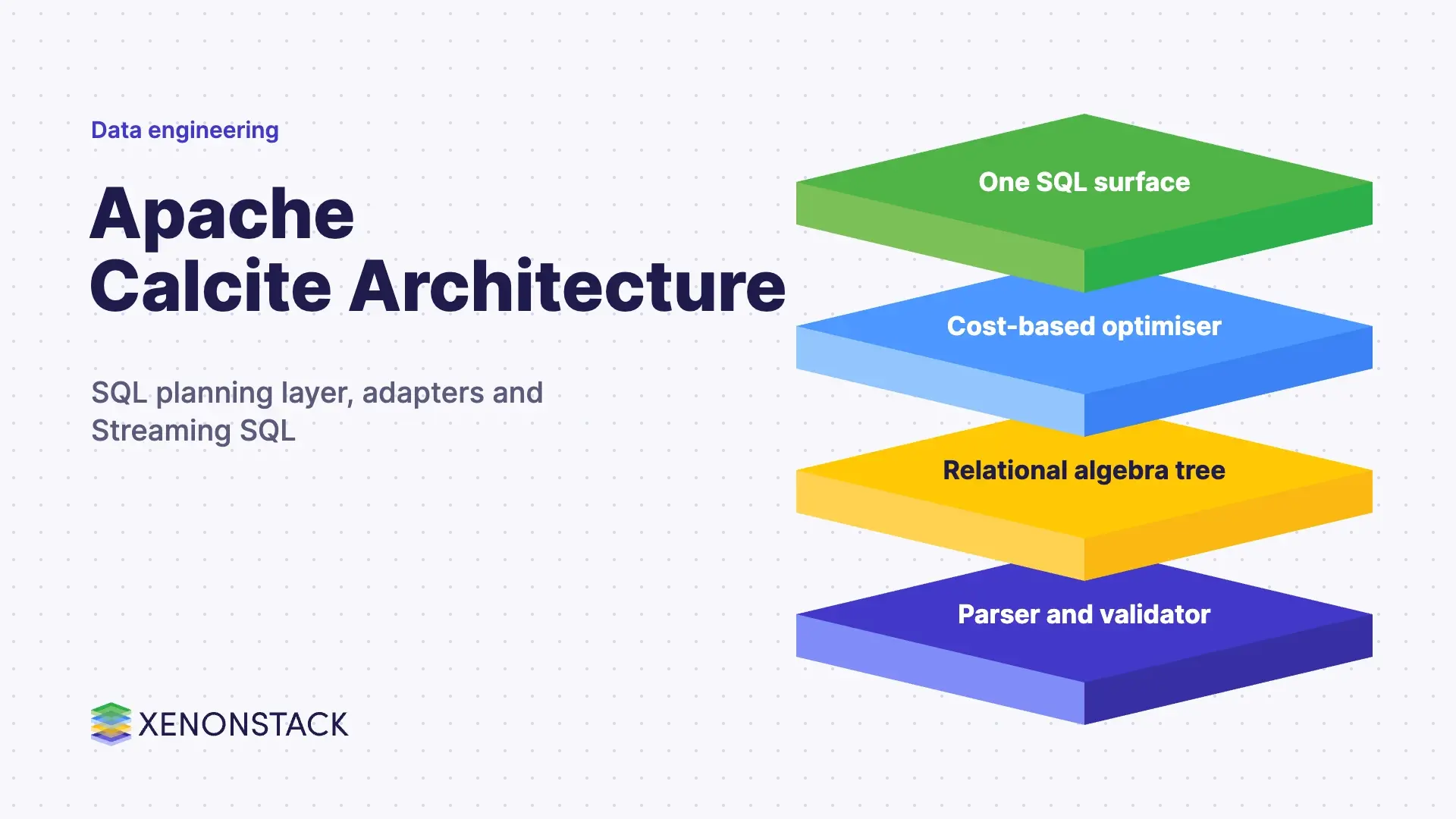
Apache Calcite explained for architects: SQL parser, optimiser, adapters and Streaming SQL, which engines embed it, and when to use it or not.
Test data management explained: data types, masking, synthetic data, tools and a practical adoption sequence for enterprise QA and engineering ...
Graph databases in big data analytics: models, query languages (GQL, SPARQL, Gremlin), analytics techniques, architecture fit and when not to use one.
Azure Data Lake Storage explained: Gen2 architecture, Gen1 and Analytics retirement, file formats, RBAC and ACL security, cost control and governance.
Apache Hive security in 2027: how Kerberos authentication, SQL standard and Ranger authorisation work, where Hive fits beside Iceberg, and agent ...
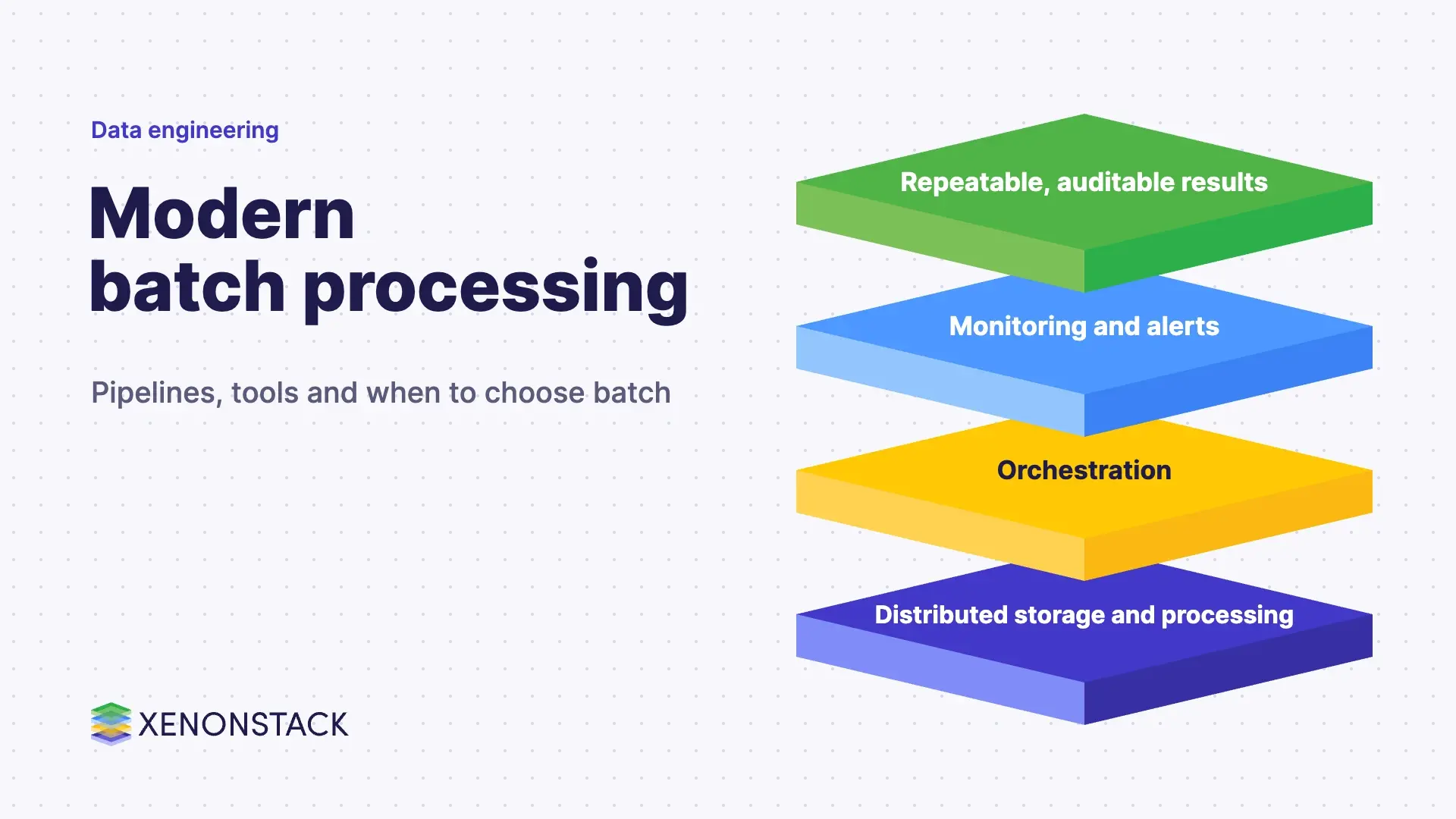
Modern batch processing explained: how pipelines work, batch vs streaming, current tools going into 2027, retired tools to avoid, and how to adopt it.
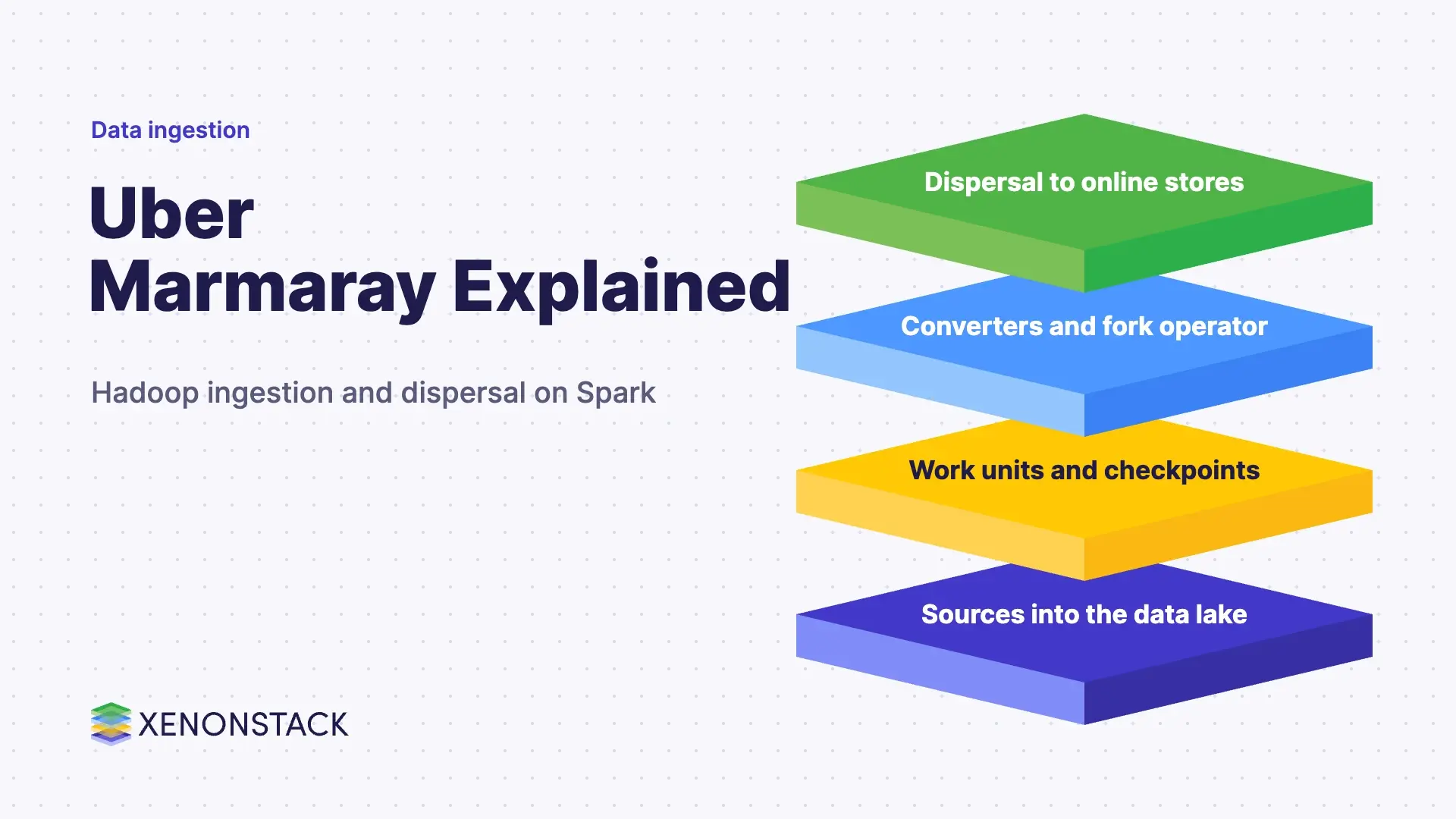
Marmaray is Uber's open-source Hadoop ingestion and dispersal framework on Spark. See its components, how it differs from Gobblin, and its archived ...
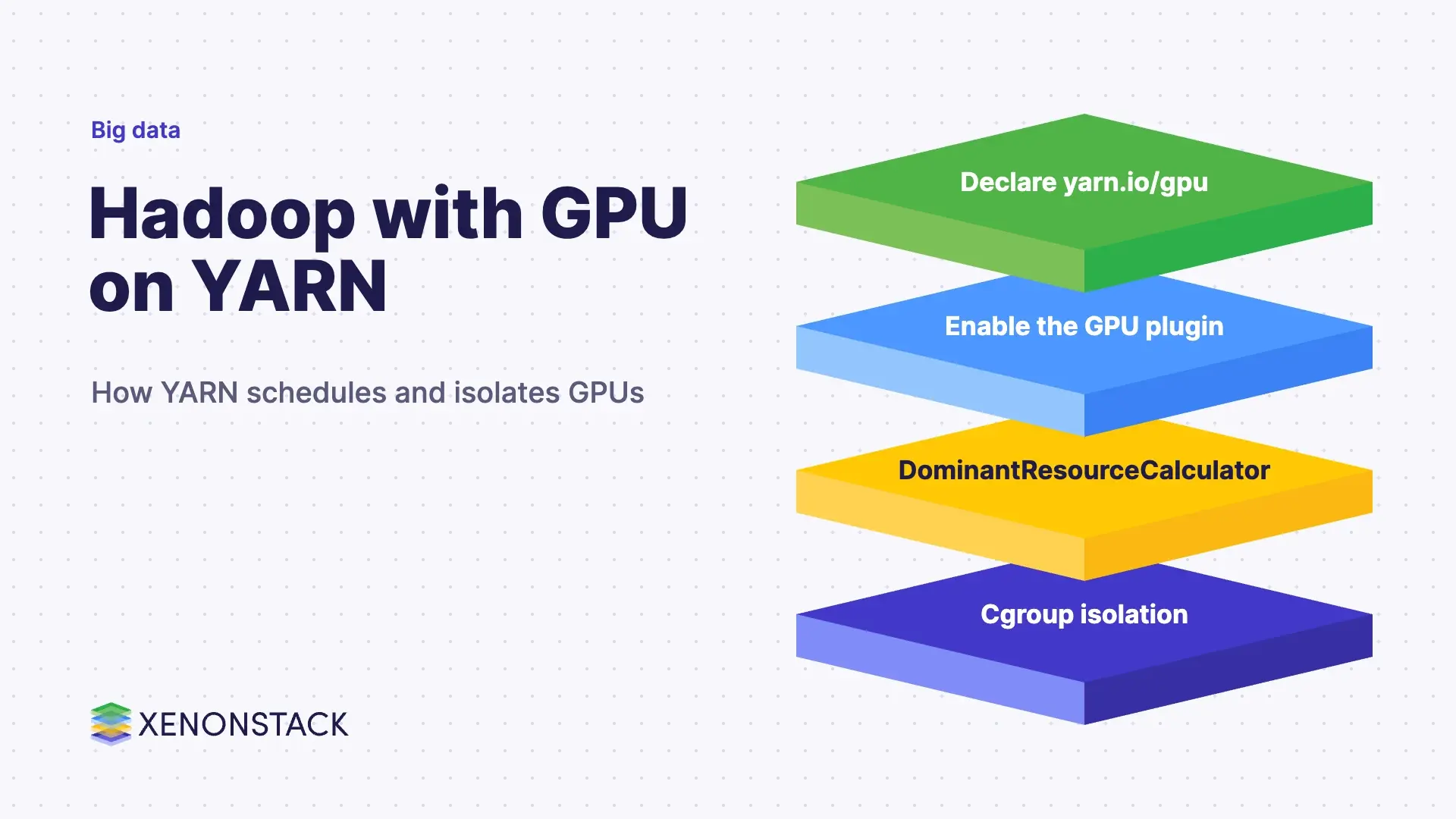
Hadoop can schedule NVIDIA GPUs through YARN. See the requirements, key settings, Docker risks and Java versions by release, plus when GPU on YARN ...
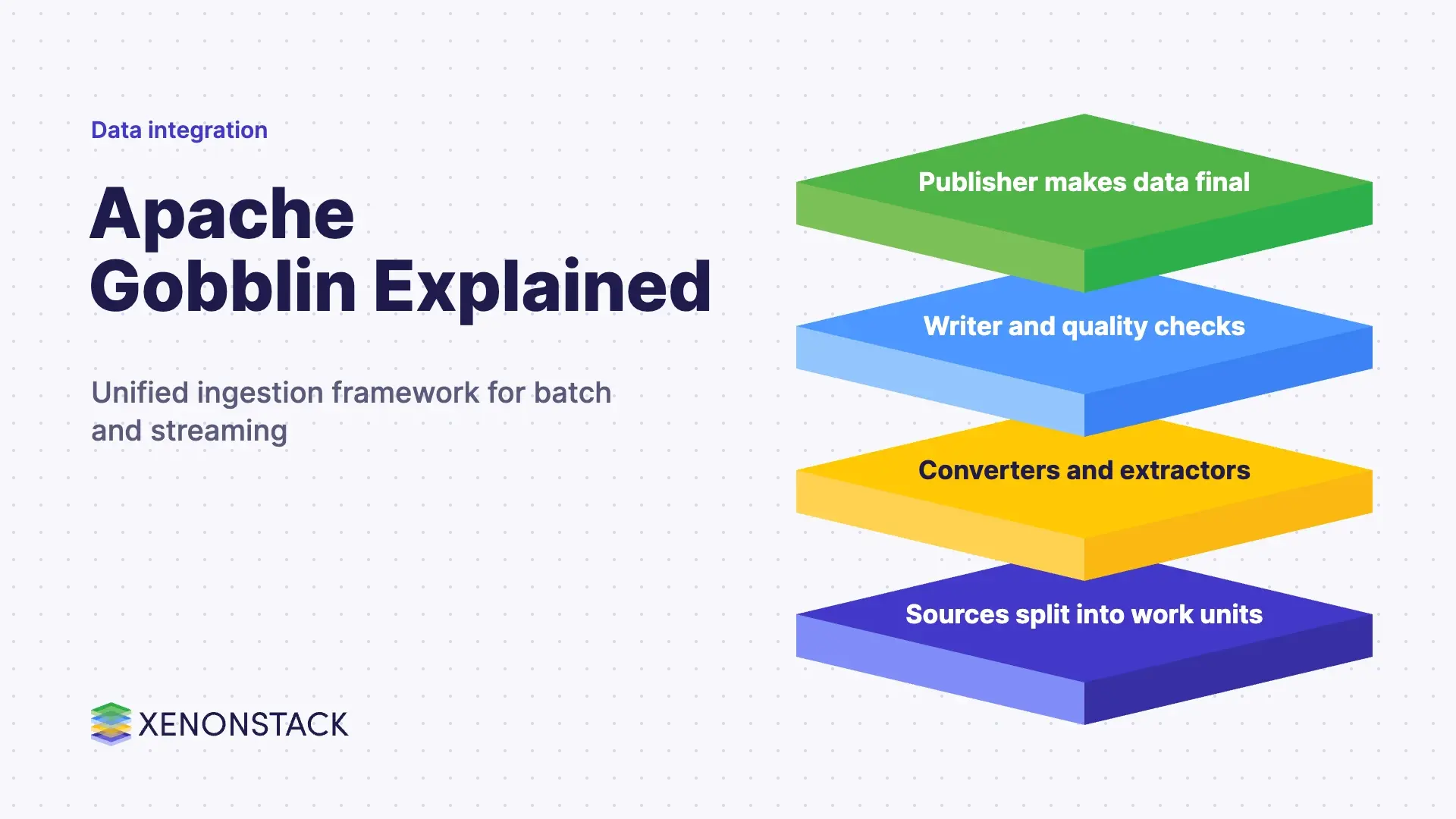
Apache Gobblin is a distributed data integration framework. See its six components, job state, deployment modes and how it compares with Marmaray.
Compare Hadoop storage formats: text, SequenceFile, Avro, ORC and Parquet. A decision table, trade-offs and an adoption sequence for data platform ...
Apache Hudi explained for data leaders: timeline, copy-on-write vs merge-on-read, indexes, query types, concurrency and current Spark support, per ...
A data catalog for Snowflake helps teams find, understand and govern data. See how Horizon Catalog works, core features, use cases and first steps.
Database as a Service (DBaaS) is a managed cloud database. See what the provider runs, what you own, pricing, risks and an adoption path for ...
Master data management in manufacturing: key data domains, ISO 8000 and GS1 standards, 2026 tooling changes, AI readiness and a 7-step rollout plan.
Data transformation with ETL: the extract, transform and load steps, ETL versus ELT, a Python and SQL example, and how AI agents change pipelines.
Protocol Buffers serialise structured data into compact binary using a .proto schema. See how Protobuf works, how to evolve schemas, and when to ...
M3DB is an open-source distributed time series database for metrics that works with Prometheus and Grafana. See its parts, fit, limits and how to ...


Application release engineering explained: branching, pipelines, rolling, blue/green and canary releases, tooling and DORA metrics for enterprise ...
Agentic process automation in logistics and supply chain: where APA beats RPA, which processes suit it, the controls it needs and how to adopt it.
Application modernization explained: the seven migration strategies AWS lists, how to choose between them, the steps to follow and where AI agents ...
DataOps as a service is a managed way to run pipelines, quality checks and monitoring. See what it includes, how it works and when to buy or build.
Conversational UI best practices for enterprise teams: how CUIs work, design rules, governance, current tools and when not to use a chatbot.
Real-time intelligence turns streaming events into decisions in seconds. See the architecture, use cases, trade-offs and how to govern automated ...
The transformative impact of ai and emergingtechnologies on the world of finance and banking
6 min | Dr. Jagreet Kaur
Comprehensive approach combines cost forecasting, resource optimization, and financial accountability
4 min | Dr. Jagreet Kaur
Unleashing data agents empowers real-time insights, driving smarter decisions and transforming business operations effectively
5 min | Dr. Jagreet Kaur
AI continuously monitors systems for risks before they escalate. It correlates signals across logs, metrics, and traces. This ensures faster detection, fewer incidents, and stronger reliability
 Proactive detection of performance and availability issues
 Root-cause analysis across microservices and environments
 Automated remediation playbooks to reduce MTTR

AI converts camera feeds into instant situational awareness. It detects unusual motion and unsafe behavior in real time. Long hours of video become searchable and summarized instantly
 Real-time detection of suspicious motion or intrusion
 Natural language video search and instant playback
 Smart summaries for audits, investigations, and compliance

Your data stack becomes intelligent and conversational. Agents surface insights, detect anomalies, and explain trends. Move from dashboards to autonomous, always-on analytics
 Connects to warehouses, lakes, and streaming sources
 Question-answering in natural language
 Continuous monitoring for anomalies and KPI deviations

Agents identify recurring failures and performance issues. They trigger workflows that resolve common problems automatically. Your infrastructure evolves into a self-healing environment
 Automated diagnostics for recurring errors
 Playbook execution: restart services, scale pods, clear queues
 Feedback loop for improving remediation strategies

AI continuously checks controls and compliance posture. It detects misconfigurations and risks before they escalate. Evidence collection becomes automatic and audit-ready
 Continuous control checks across infrastructure and SaaS
 Automated evidence collection for audits
 Risk scoring and prioritized remediation recommendations

Financial and procurement workflows become proactive and insight-driven. Agents monitor spend, vendors, and contracts in real time. Approvals and sourcing decisions become faster and smarter
 Real-time visibility into spend and commitments
 Anomaly detection on invoices and vendor performance
 Intelligent workflows for approvals and sourcing decisions


