What are your key focus areas? *
AI Workflow and Operations
Data Management and Operations
AI Governance
Analytics and Insights
Observability
Security Operations
Risk and Compliance
Procurement and Supply Chain
Private Cloud AI
Vision AI

Get Started with your requirements and primary focus, that will help us to make your solution
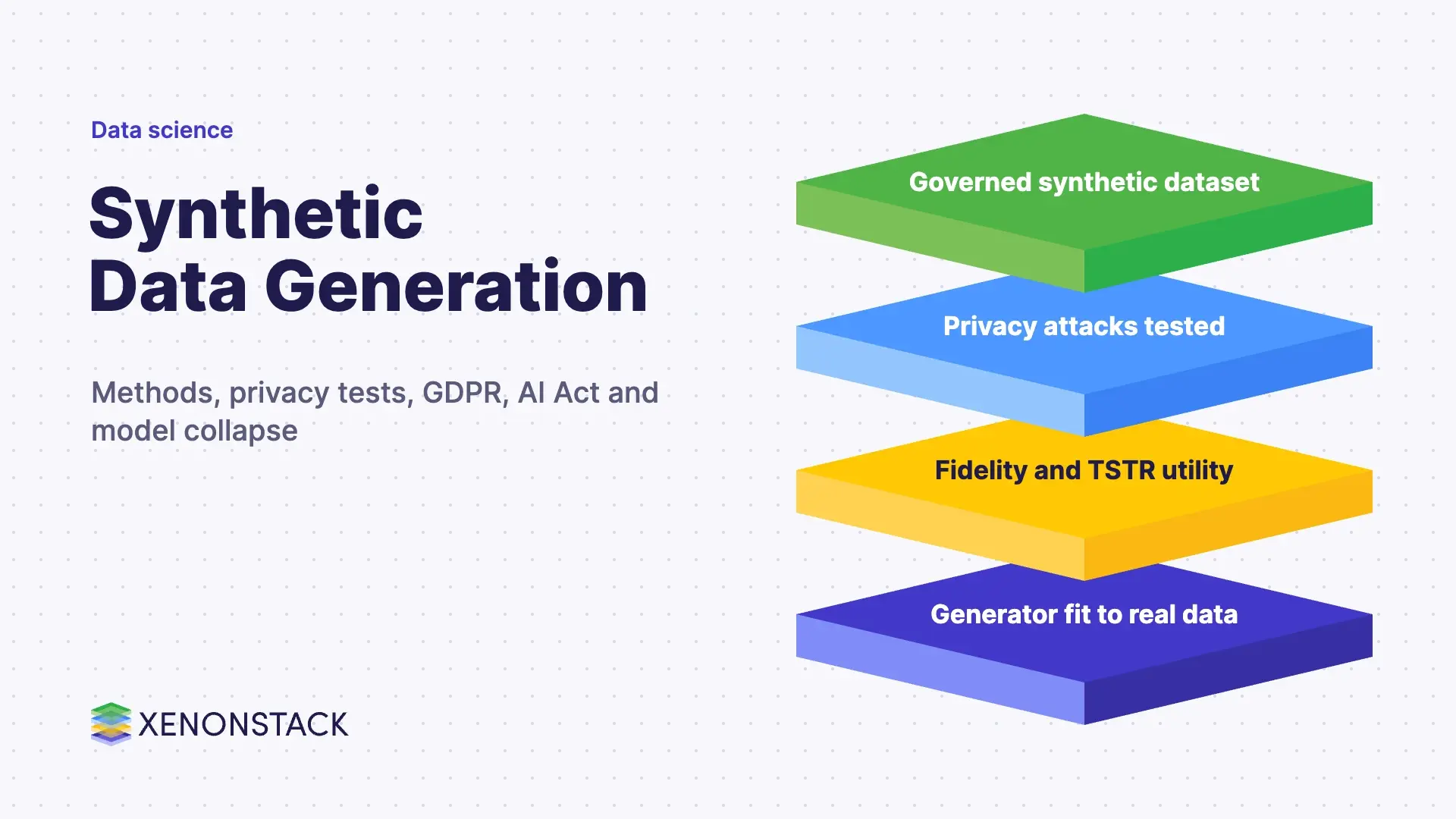
Synthetic data generation for enterprise AI: methods compared, fidelity and privacy tests, GDPR and EU AI Act rules, and model-collapse risk ...
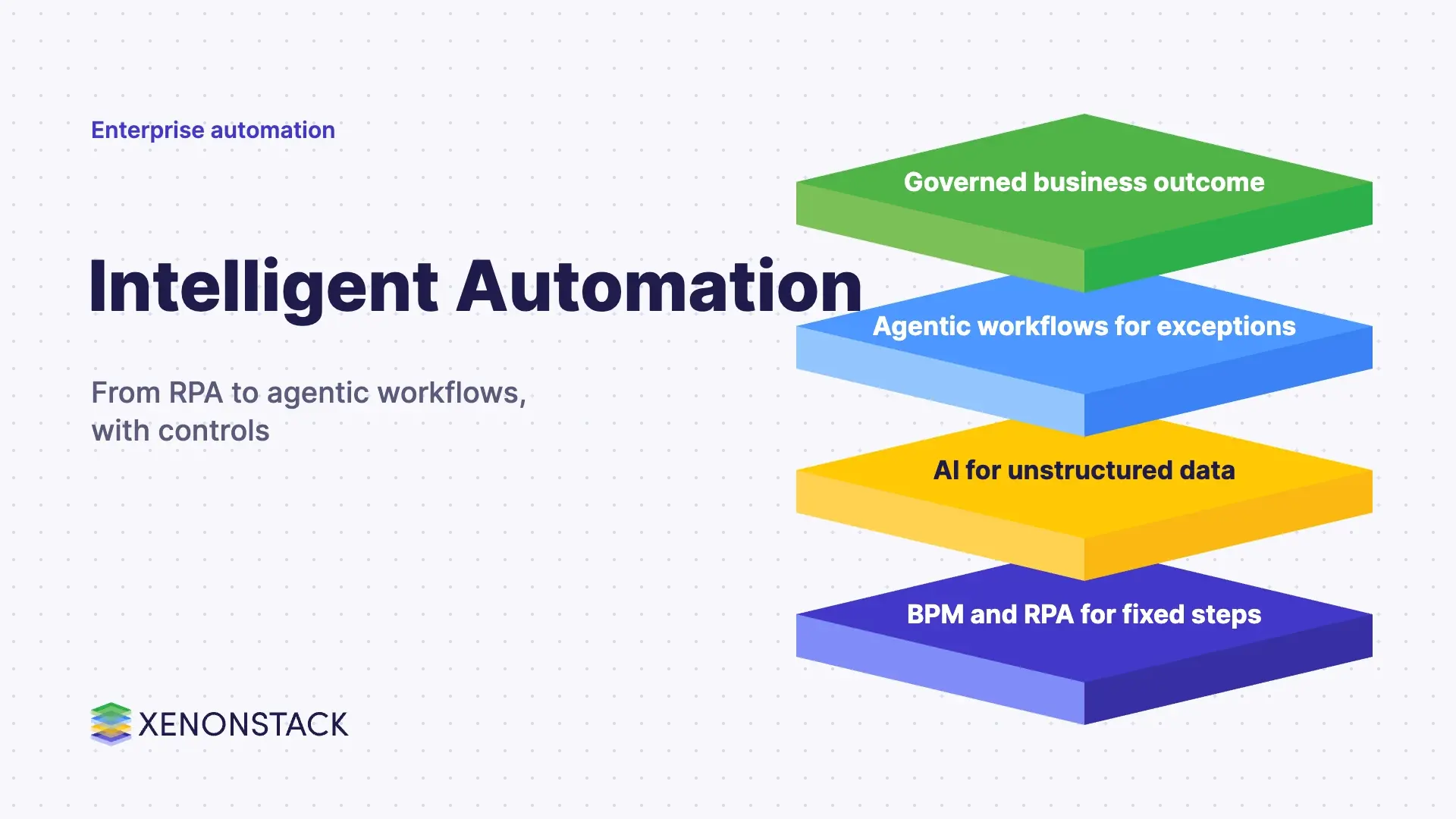
Intelligent automation explained for enterprise leaders: AI, BPM and RPA layers, when to use agentic workflows, key risks, controls and adoption ...
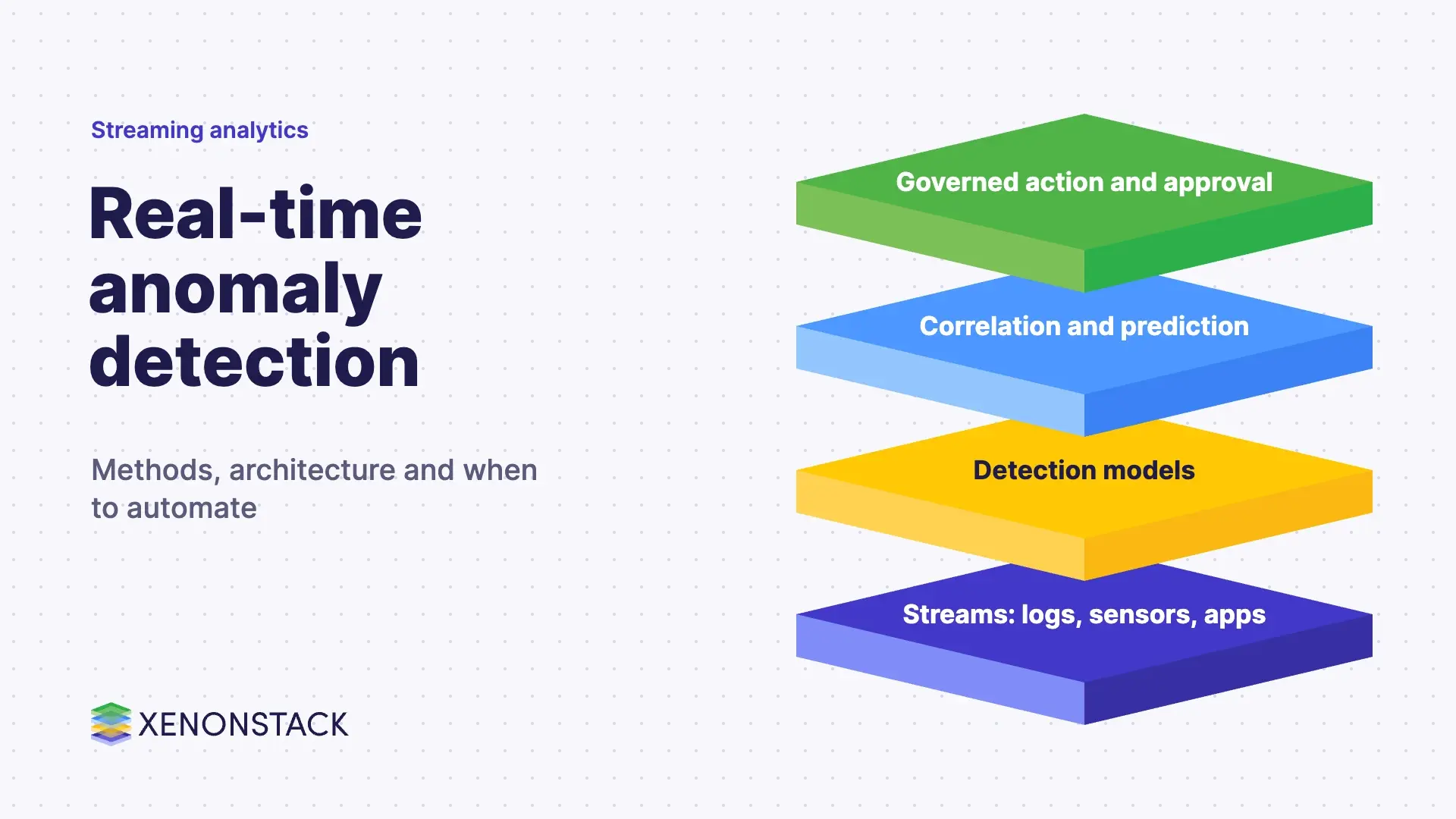
Real-time anomaly detection explained for enterprise teams: methods, architecture, root cause, prediction and the managed services now retired.
Edge AI vs federated learning for enterprise leaders: where each runs, what stays private, the trade-offs, and how to combine them in one ...
Machine vision explained for 2026: components, inspection applications, deep learning and VLMs, GigE Vision 3.0, GenICam and EU AI Act timing.
Explore natural language processing in SOC to enhance threat detection, incident response, and security automation efficiency.
Discover Top real time analytics use cases, showcasing how instant insight drive better decision-making and operational efficiency across industries ...
How to run MLOps on Amazon SageMaker AI: Pipelines, Model Registry, safe deployment and monitoring, plus which features are now closed to new ...
Build computer vision solutions with Amazon Rekognition: capabilities, steps, quotas, governance, cost, 2026 changes and a sourced 3 to 5 year ...
Large language models in AI agents explained for enterprise leaders: architecture, tool calling, patterns, evaluation and the controls agents need.
NLP vs NLU vs NLG explained: how understanding and generation differ, how LLMs merge them, GLUE, BLEU and ROUGE evaluation, and EU AI Act Article 50 ...
Databricks orchestrates data analytics with unified workflows for ETL, ML, streaming, and data quality.
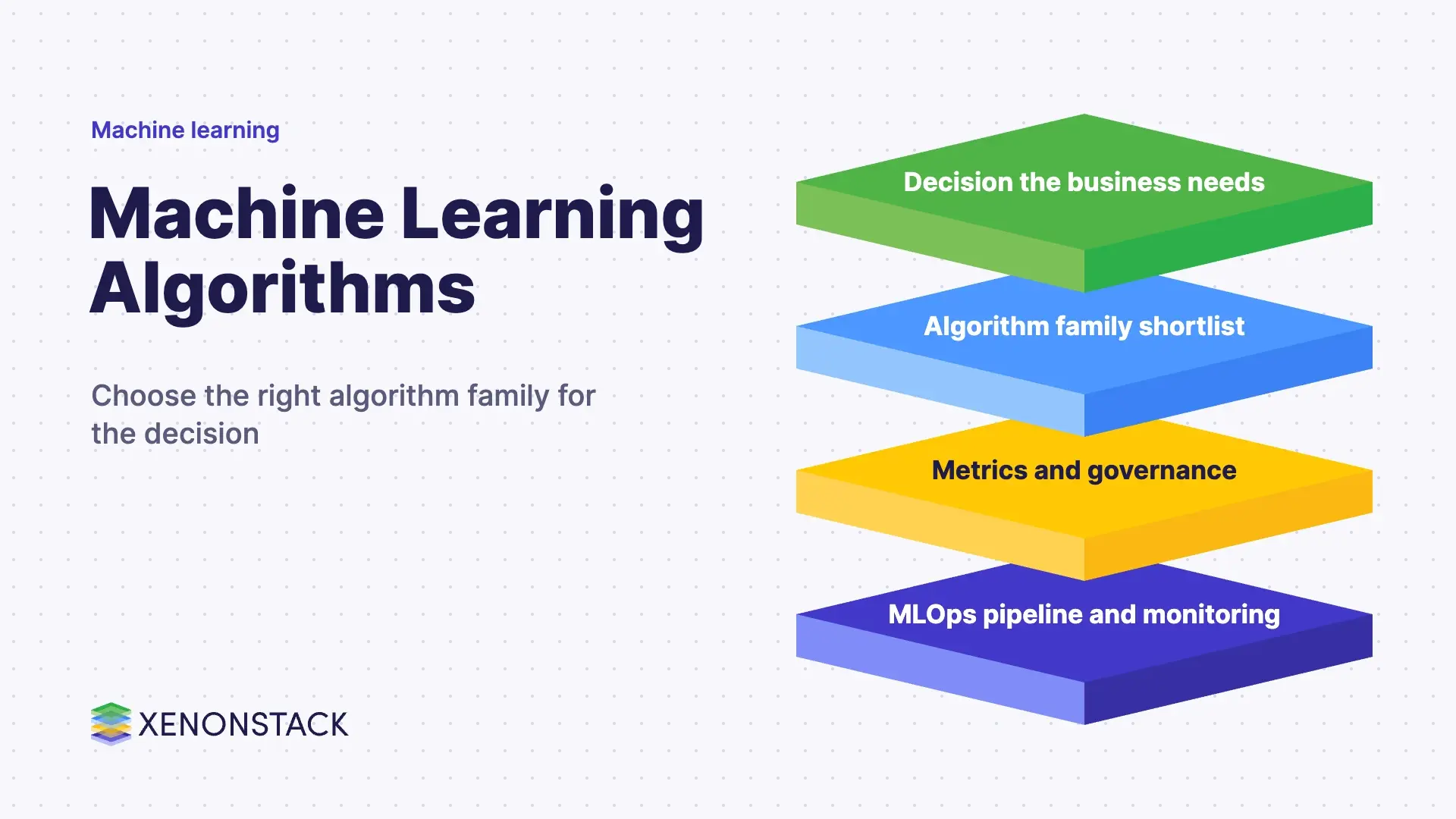
Choose machine learning algorithm families for business problems: linear, tree ensembles, deep learning and clustering, with metrics, governance and ...
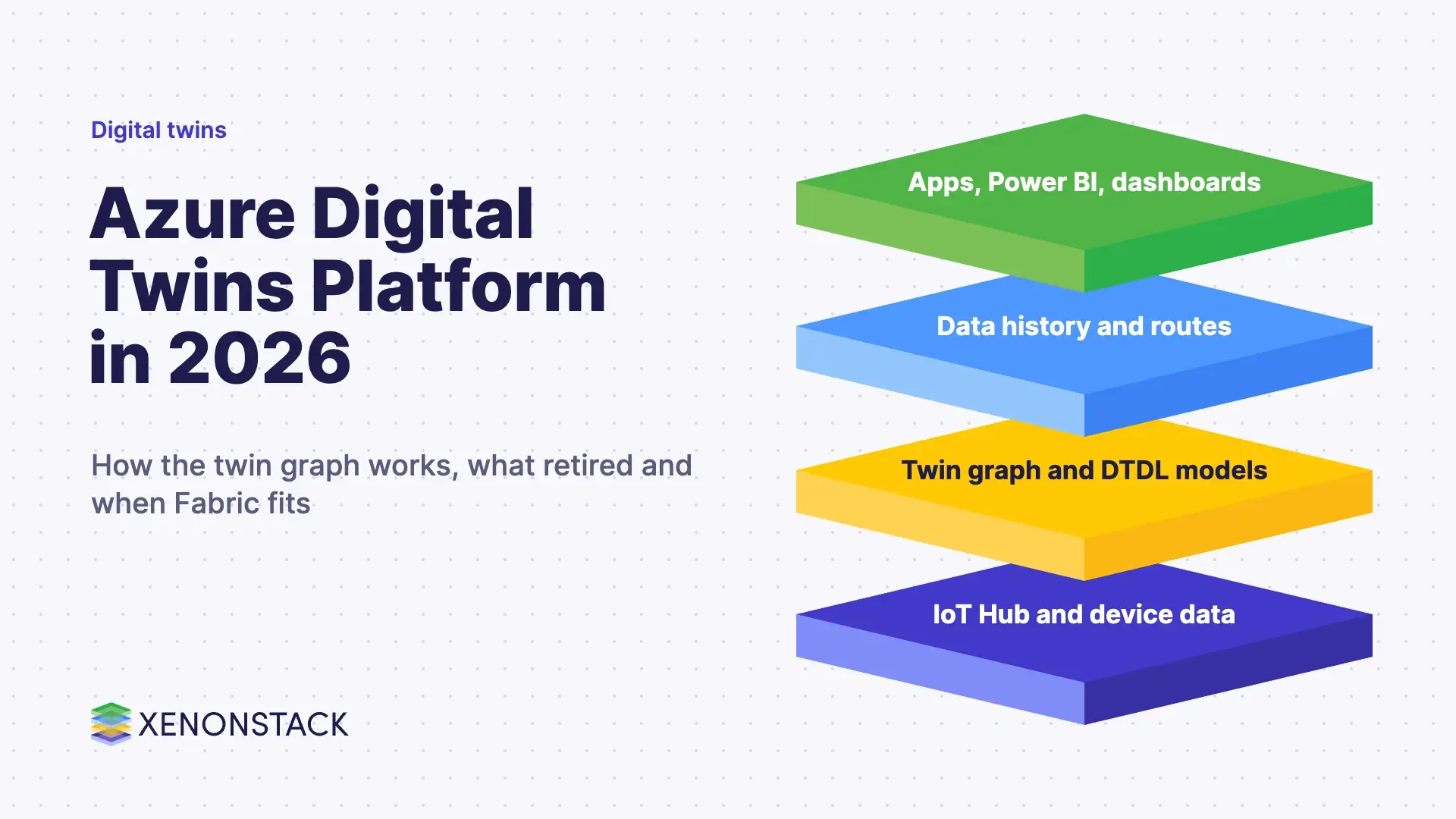
Azure Digital Twins in 2026: how DTDL, the twin graph, IoT Hub and data history work, what retired, and when Fabric digital twin builder fits better.
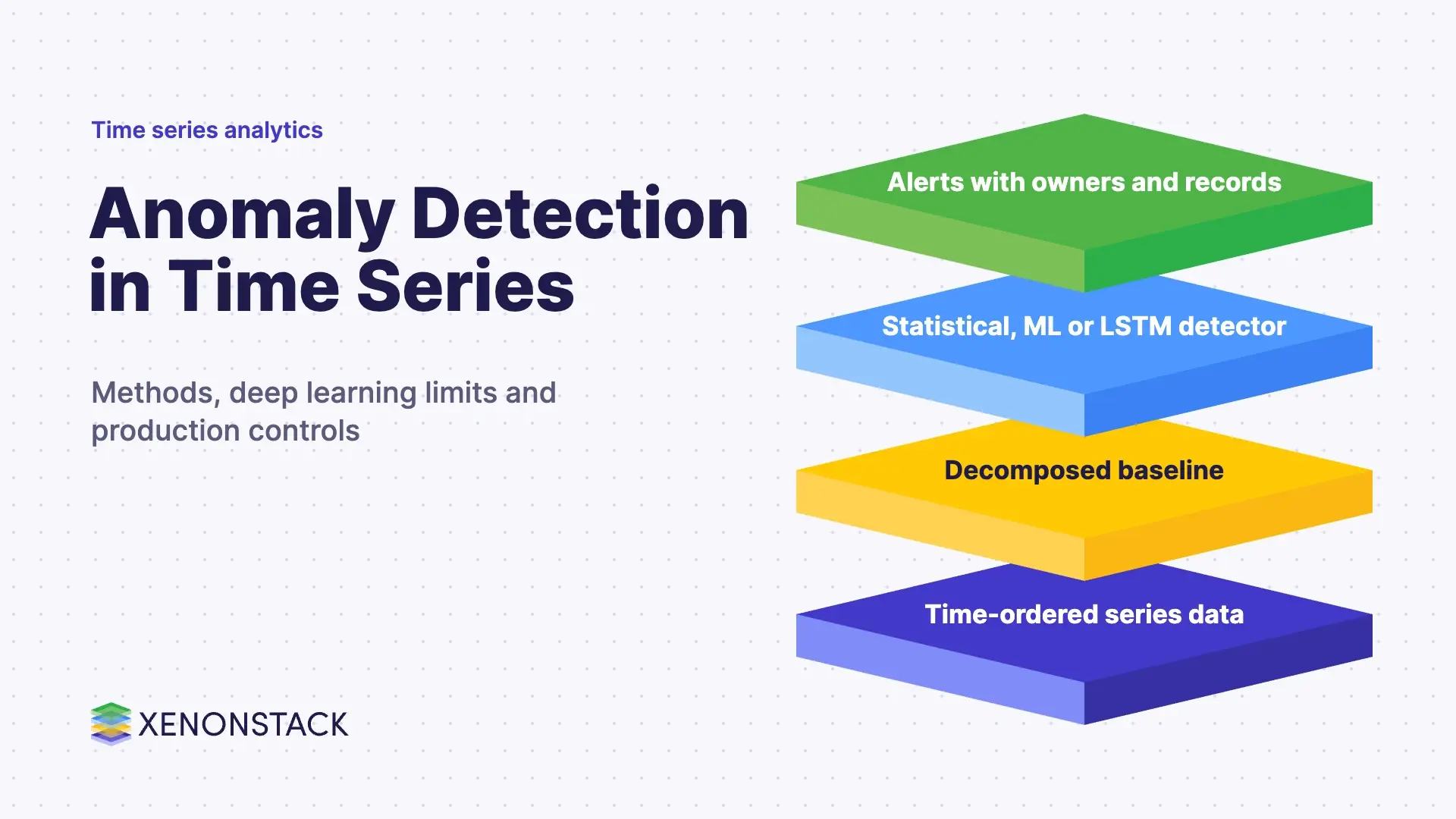
Learn how to detect anomalies in time series: components, anomaly types, statistical, ML and LSTM methods, tool status and a production checklist.
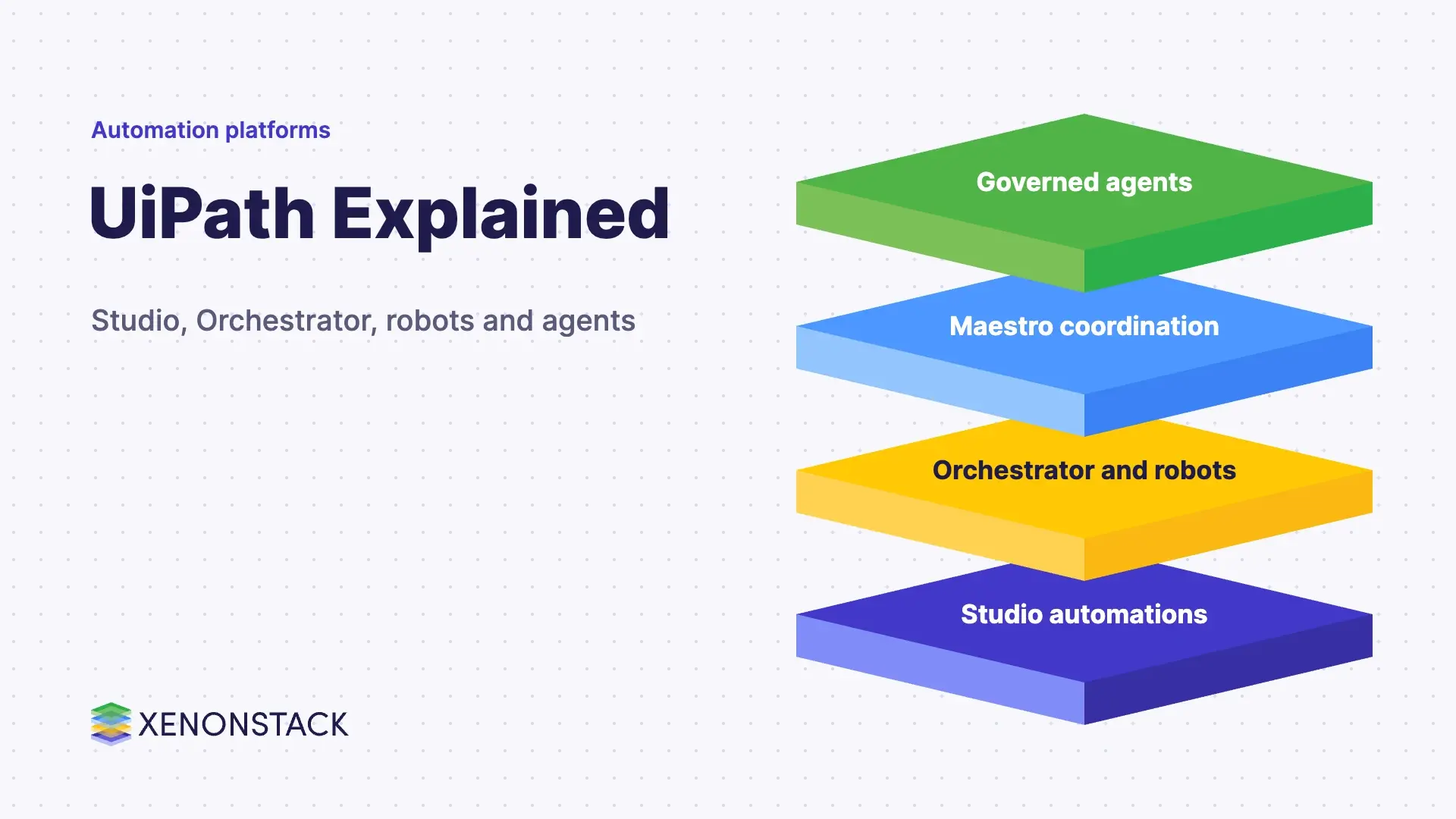
UiPath explained for enterprise leaders: Studio, Orchestrator, attended vs unattended robots, the free plan, and when to move to agentic workflows.
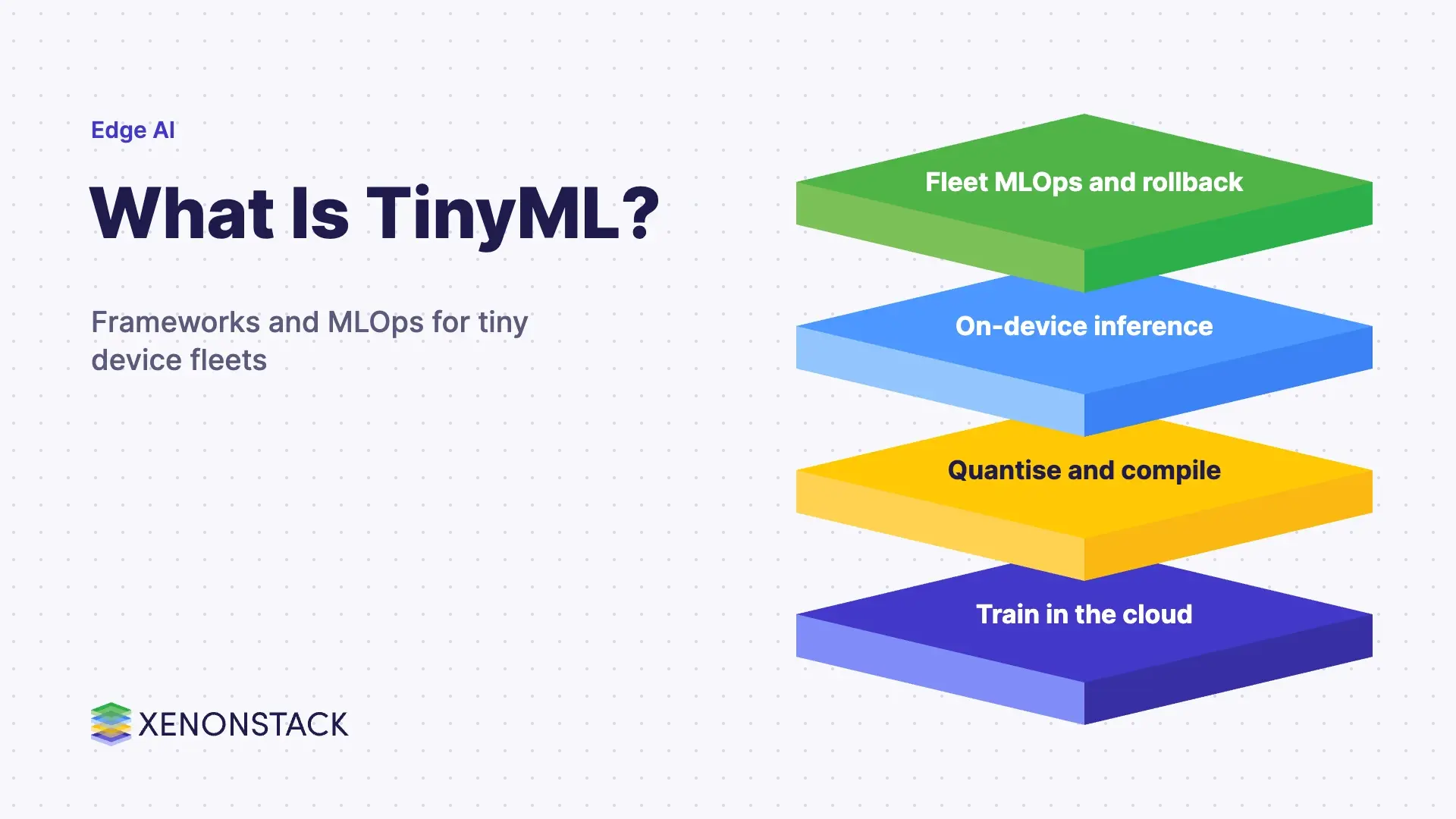
What is TinyML? How LiteRT for Microcontrollers, ExecuTorch and Edge Impulse run models on tiny devices, and how to run MLOps across device fleets.
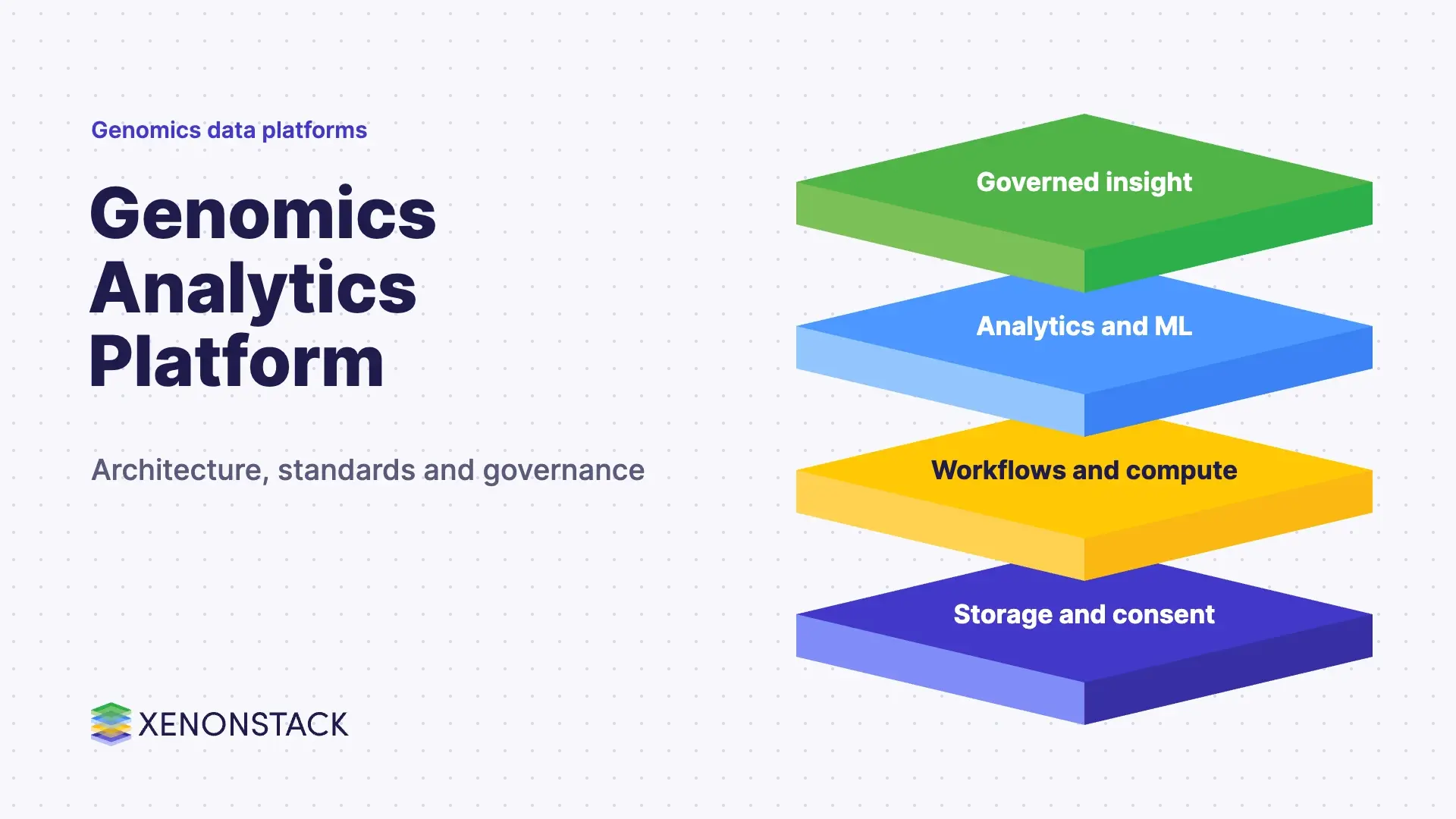
Genomics analytics platform guide for enterprise leaders: reference architecture, GA4GH standards, GDPR and HIPAA duties, and where governed AI ...
Google’s TensorFlow Architecture, Benefits and Applications are used at the Huge dataset to provide the best experience to the Users.
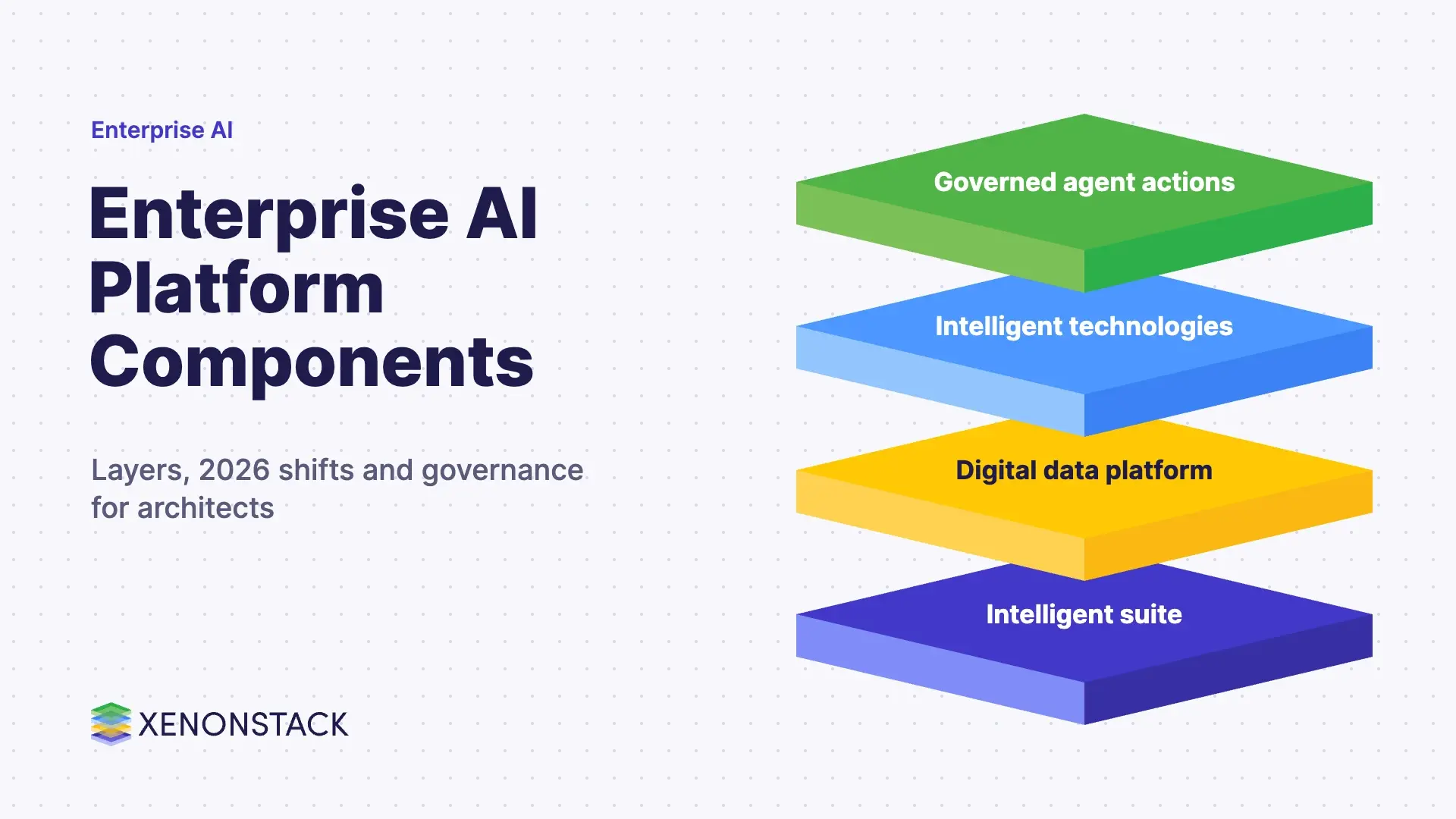
Enterprise AI platform guide: components of an intelligent enterprise, capabilities, 2026 SAP changes, governance, adoption steps and when not to ...
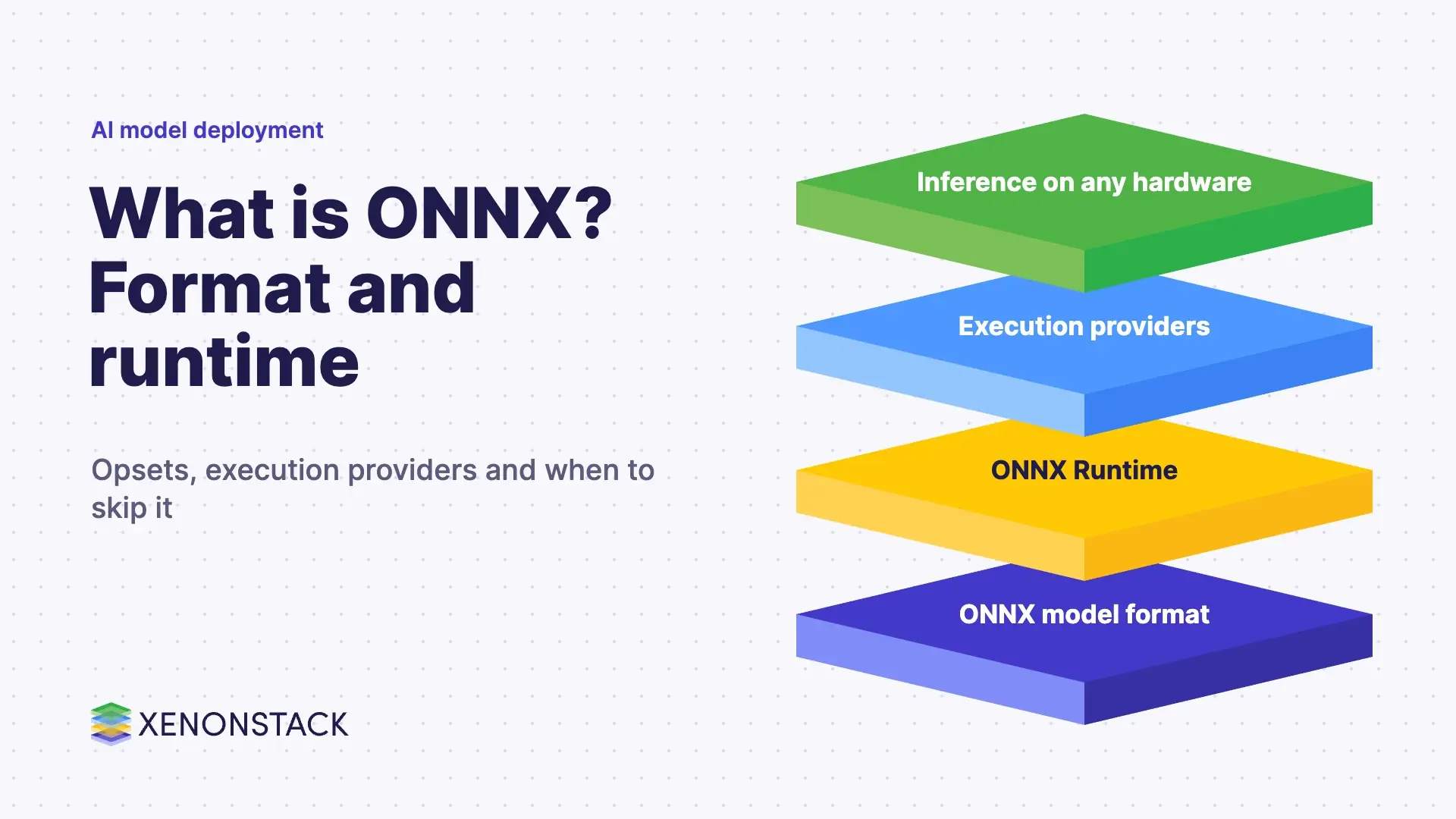
What is ONNX? The open model format, how IR versions and opsets work, which ONNX Runtime execution provider fits your hardware, and when to skip it.
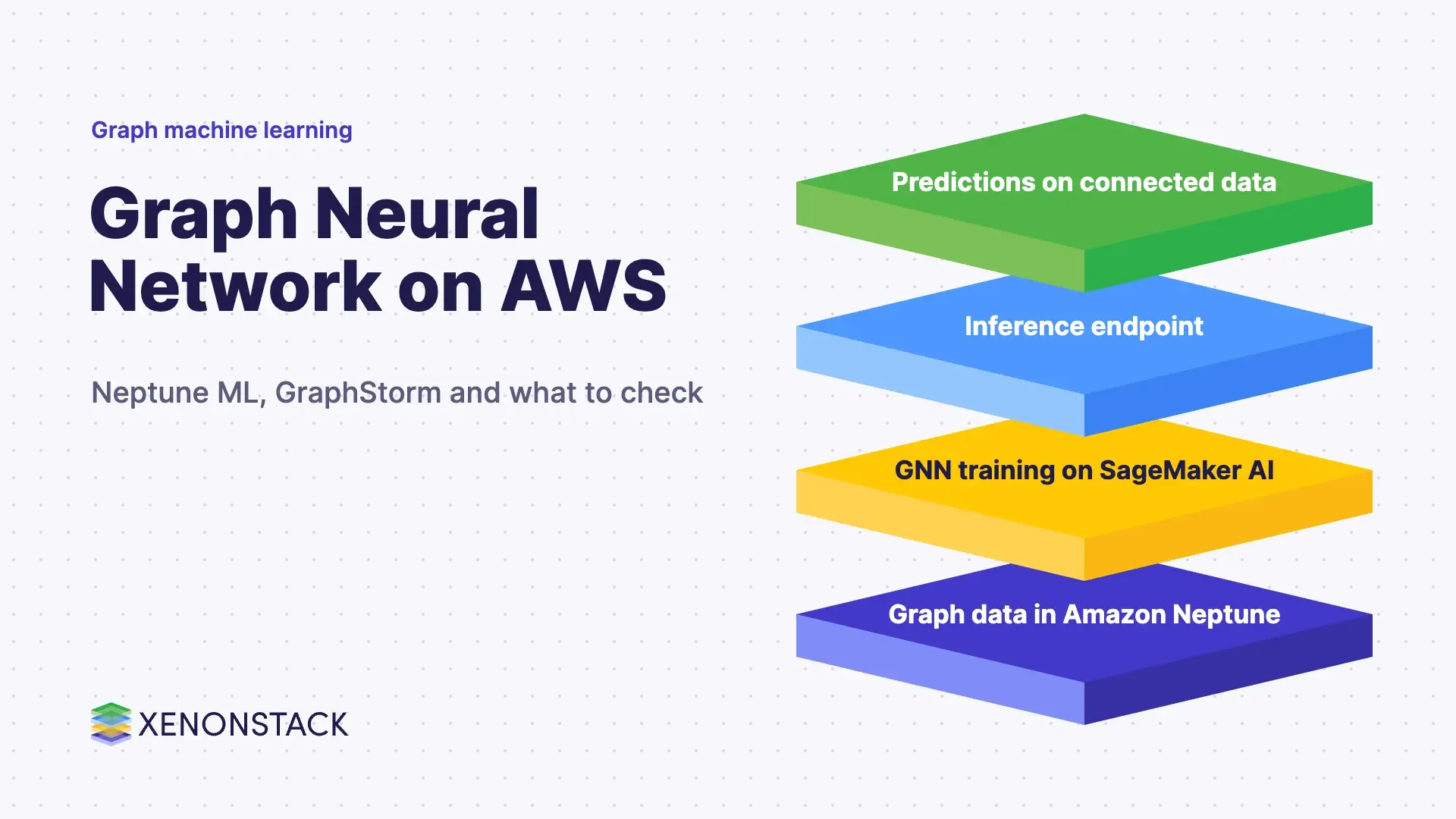
Graph neural network on AWS: how Neptune ML and GraphStorm work, supported tasks, setup, cost controls, trade-offs and a 3 to 5 year outlook.
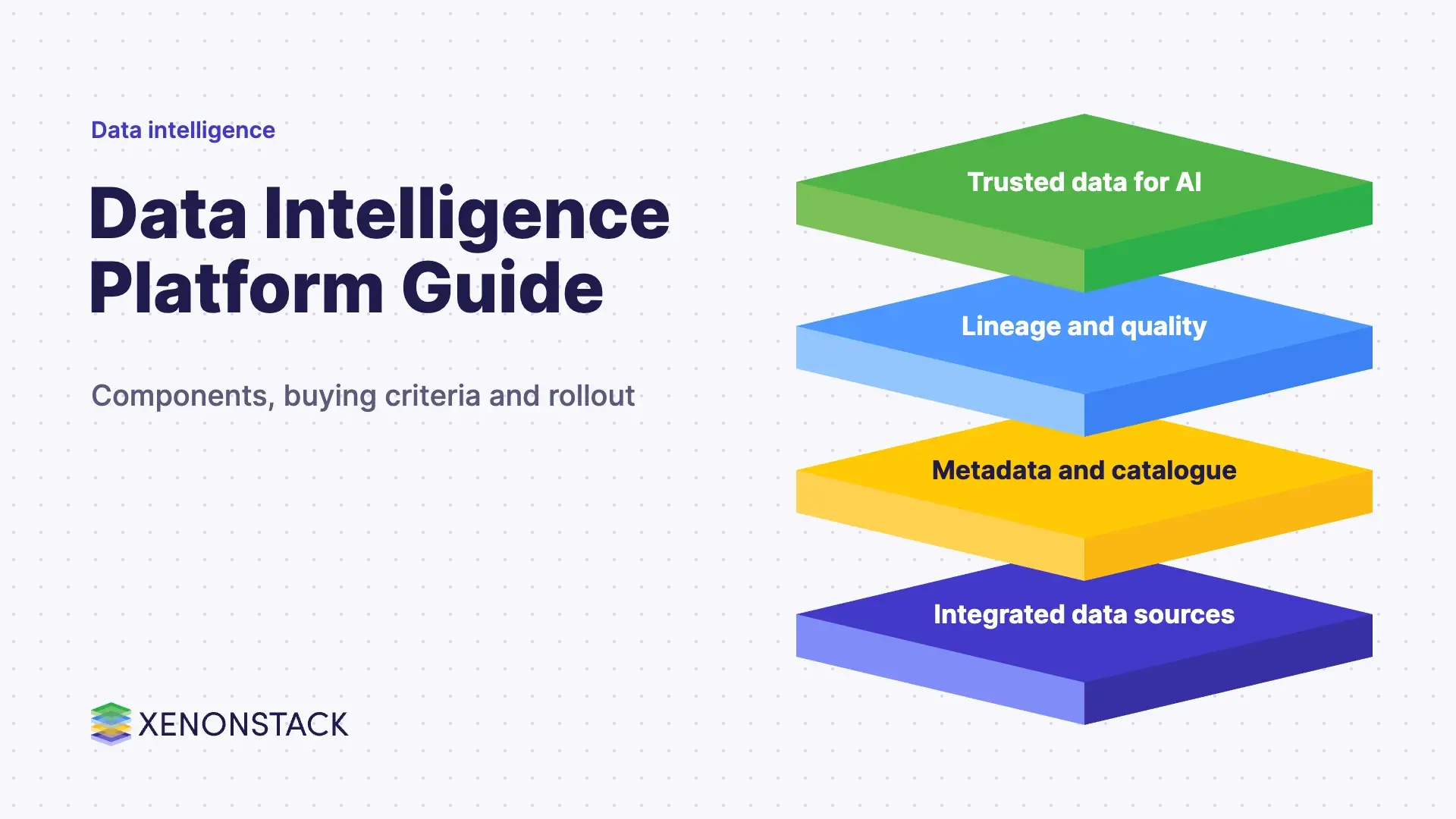
A data intelligence platform joins metadata, lineage, governance and quality so people and AI agents can trust data. Components, buying criteria, ...
Federated learning applications for enterprise leaders: where it fits, evidence from Gboard and hospitals, privacy limits, tools and adoption steps.
How to move UiPath RPA bots to agentic workflows: what Agent Builder and Maestro do, which processes to move first, and where governance fits.
MLOps security explained: the 7 layers from data to monitoring, mapped to OWASP and NIST AI attack lists, with an adoption sequence for enterprises.

Convolutional Neural Networks and working architecture to be successful in using object detection; face detection and provoking vision in robots.
Machine learning pipeline guide: stages, MLOps maturity levels, Kubeflow, TFX, SageMaker, Azure ML and MLflow compared, plus governance and adoption ...
Natural language processing in 2026: NLP techniques, enterprise applications, NLP vs LLM, RAG, evaluation and EU AI Act Article 50 transparency ...

MLOps managed services to take machine learning models from pilot to production and keep them reliable at scale: processes, tools and practices.
How NLP supports e-governance, multilingual services and citizen agents, with the NIST, EU AI Act and OMB rules public bodies should plan against.
Compare NLP tools in 2026: NLTK, spaCy, Gensim, CoreNLP, TextBlob, Amazon Comprehend, Google Cloud NLP and GPT, with current status, licences and fit.
RPA, hyperautomation and agentic workflows compared for enterprises: what each does, where each fits, how to govern agents and how to sequence ...

Discover how unlocking Blue Prism’s key features for advanced RPA drives successful automation for enhanced productivity.

Cobot Working architecture, Cognitive technology and Application with the Integration of Chatbot with cognitive technologies is a step toward future.
Responsible AI in healthcare: the risks, HIPAA, FDA and EU AI Act rules, and the controls CIOs and architects need for clinical models and AI agents.
Amazon Kendra is in maintenance mode and closed to new customers. See the benefits existing customers keep, the costs and risks, and when to move.
Compare SageMaker AI, Azure ML, Vertex AI, Databricks and more. See enterprise ML platform challenges, governance, cost and an adoption sequence.
NLP best practices for production: scoping, data, LLM evaluation with HELM and Ragas, OWASP LLM risks, NIST and EU AI Act governance, and adoption ...

UiPath Insights Dashboards and its Working to measure, track and manage the RPA and also maximize the ROI of the automation program.
Machine learning tools compared for enterprises: TensorFlow, PyTorch, scikit-learn, Spark MLlib and cloud platforms with current status and adoption ...
ModelOps vs MLOps for enterprise leaders: scope, owners, the five model life-cycle stages, SR 26-2 and EU AI Act duties, and which to build first.
Learn machine learning unit testing in Python: what to test, pytest examples, leakage checks, scikit-learn baselines and where evaluation takes over.
Digital twin technology explained for enterprise leaders: ISO 23247 and Digital Twin Consortium definitions, twin types, the stack and industrial ...
Machine learning trends for 2026-27: agentic workflows, open models, MLOps for LLMs, edge AI and EU AI Act dates, with Stanford and McKinsey data.
Data science vs data analytics: how roles, skills and tools differ, how GenAI and agents change both, and when each fits your enterprise data ...
Edge analytics runs analysis next to sensors, machines and cameras. Learn when it fits, how the pipeline works, current 2026 platforms and the ...
Test an ML model before and after release: data checks, canary and A/B rollout, drift monitoring, rollback and tools, per Google's ML Test Score.

Streamlining ML Projects with Azure ML and MLOPs for Data collection, preprocessing, dataset building, training and evaluation, and production ...
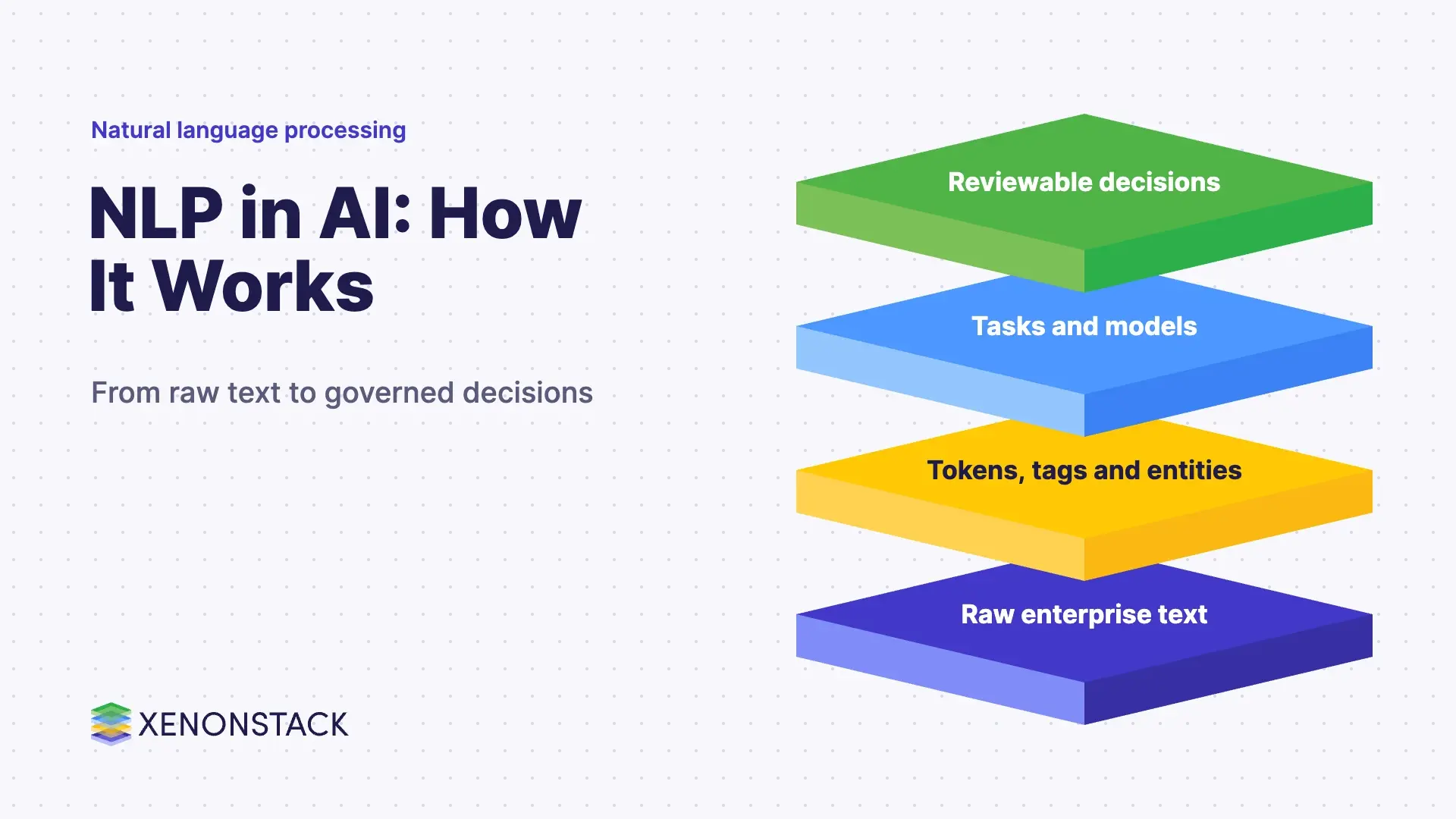
NLP in AI explained for enterprise leaders: how it works step by step, rules to transformers, key tasks, challenges and EU AI Act transparency duties.
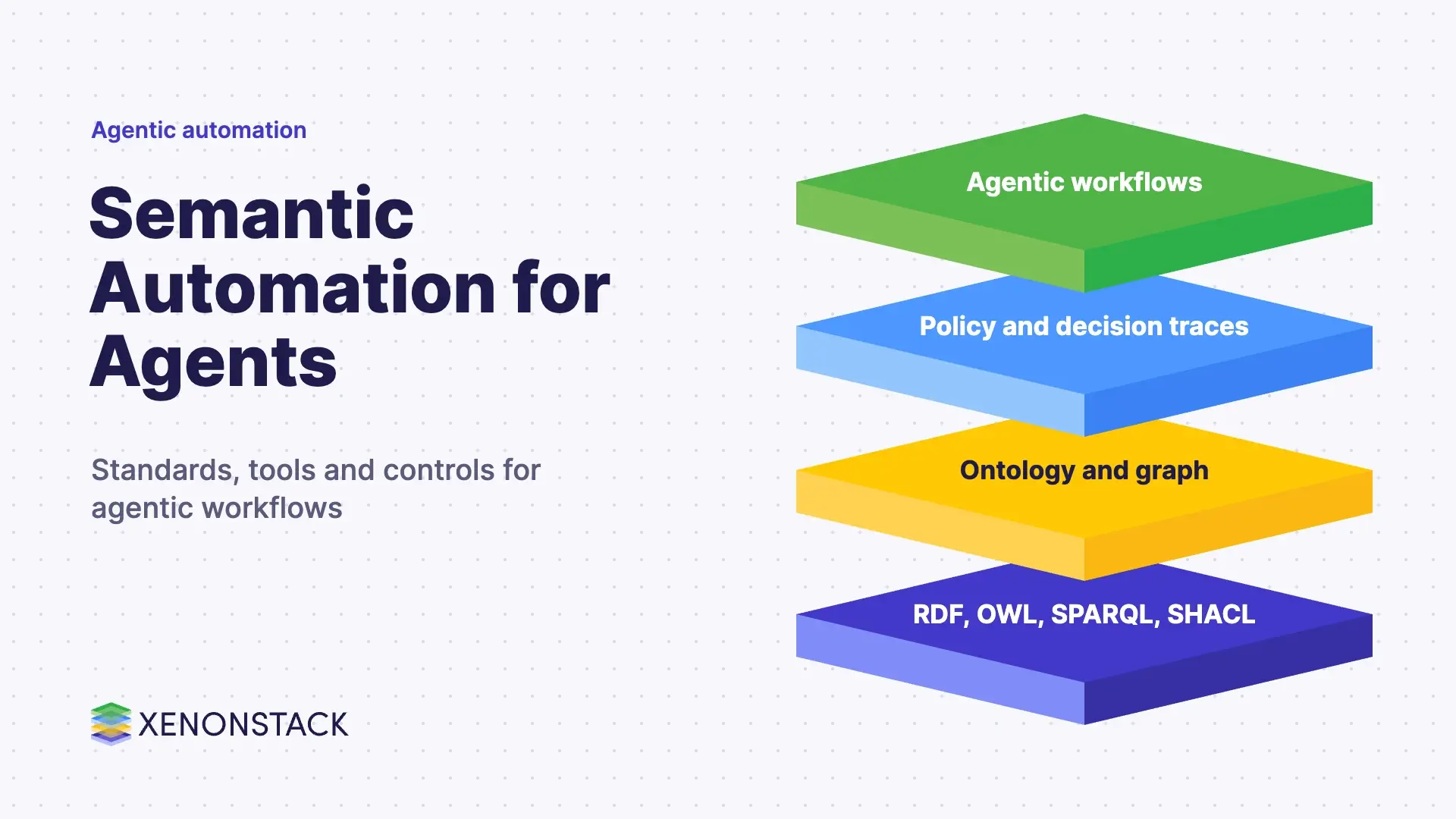
Semantic automation in 2026: RDF 1.2, OWL, SPARQL and SHACL, the tools that fit each job, and how a semantic layer makes agentic workflows safer.
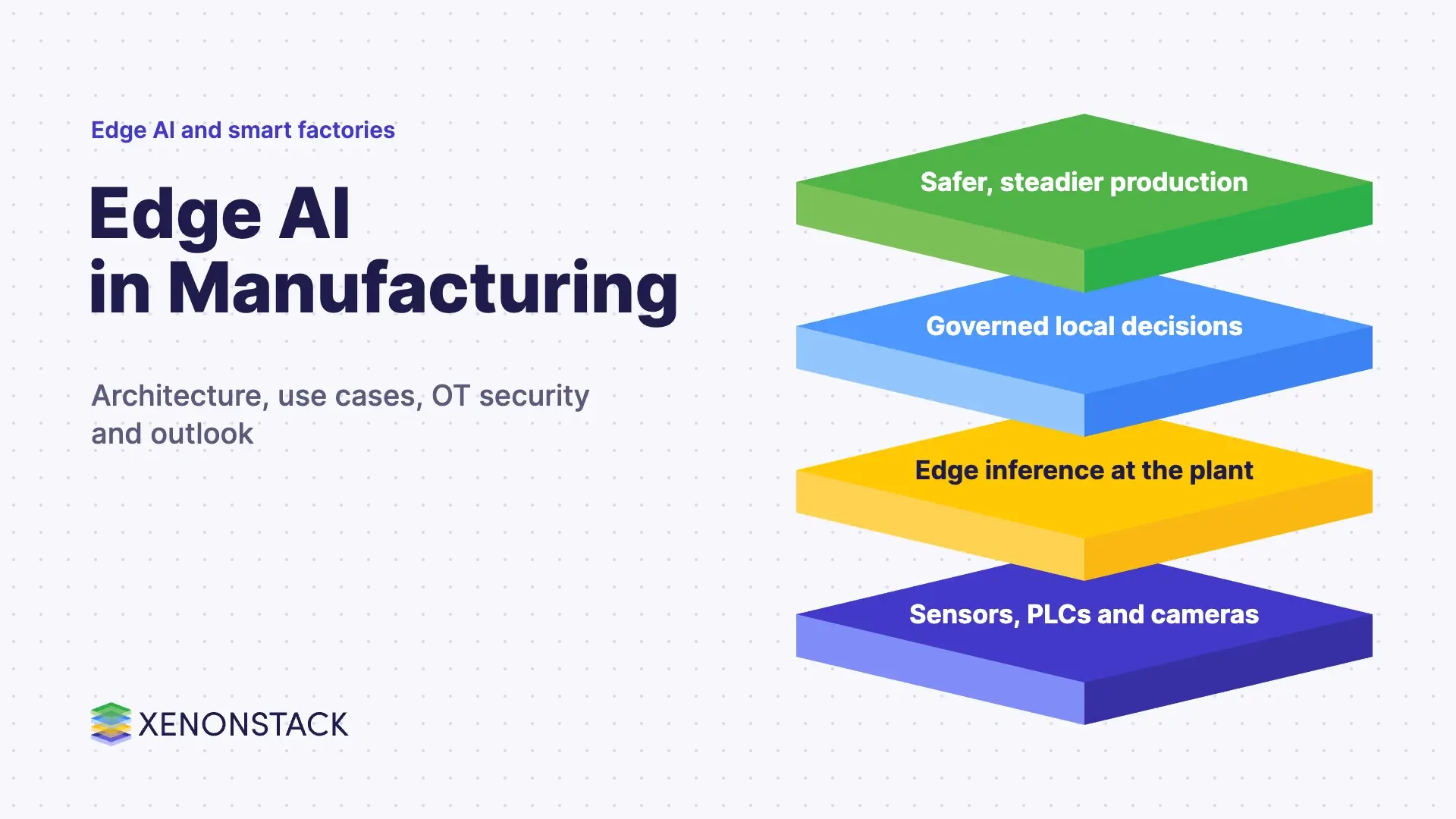
How edge AI runs on the factory floor: architecture, use cases, OT security, EU rules and a sourced 3 to 5 year outlook for smart factories.

How Predictive Maintenance Services and Asset Management with industrial IoT, Machine Learning using Apache Spark and Azure IoT , AWS and Google Cloud
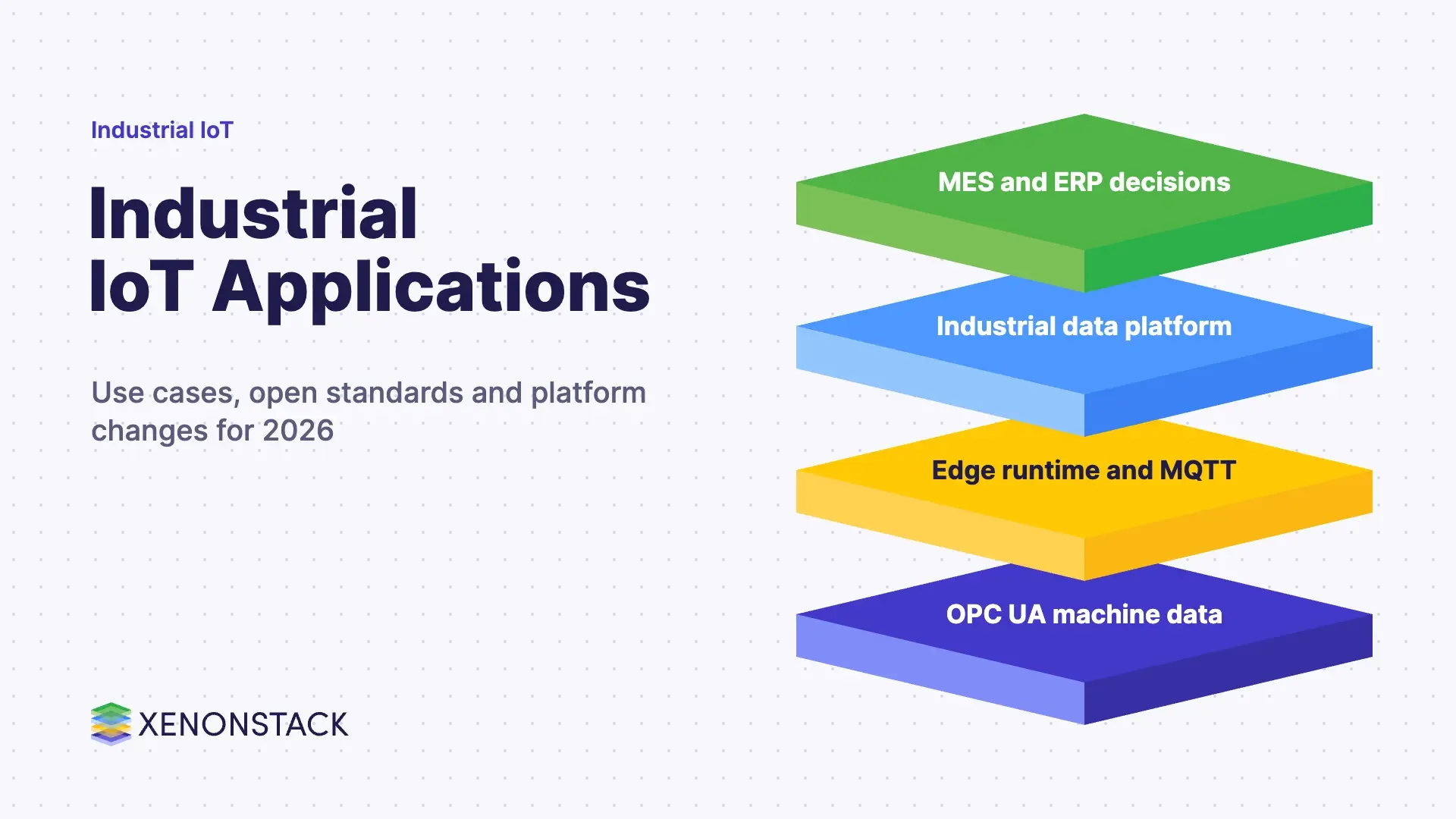
Industrial IoT applications in 2026: predictive maintenance, quality and energy use cases, OPC UA and MQTT, retired platforms and EU CRA dates.

RPA Testing Framework Challenges and its best practices to test the automation process rigorously and produce the best Robotic Process Automation bot.

Use Cases of Data Catalog in Enterprises to support efficient decision-making and analysis by ensuring data is accurate, consistent, reliable, and ...
NLP applications by business function and industry: customer service, HR, finance, healthcare, banking and retail, with EU AI Act risks and how to ...
Google Knowledge Graph explained for enterprise leaders: where facts come from, how knowledge panels work, Search API status and entity markup steps.
Graph neural network applications proven in production, which GNN task fits each business question, current tools, limits and governance for ...
Edge computing for enterprise leaders: architecture, cloud and fog differences, use cases, security, adoption steps and a sourced 3 to 5 year outlook.
Python flask framework for web application development, testing and its best practices for deploying Flask on to Heroku Cloud.

Complete Overview and Quick Steps for Installing Apache MXNet (GPU and CPU Based), Caffe and PyTorch using Anaconda platform
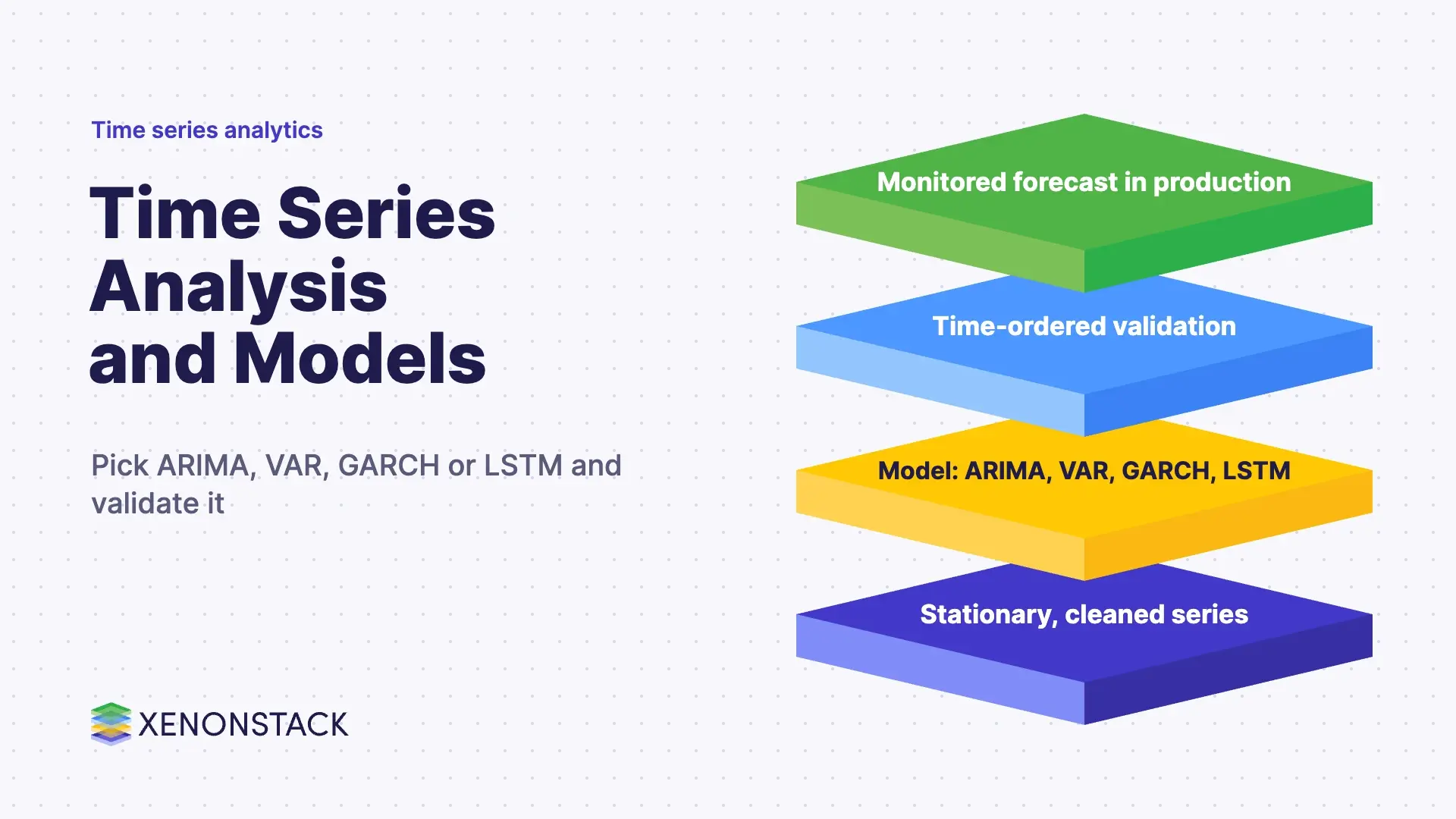
Time series analysis explained: choose between ARIMA, VAR, GARCH and LSTM, test stationarity, validate in time order and plan for production ...
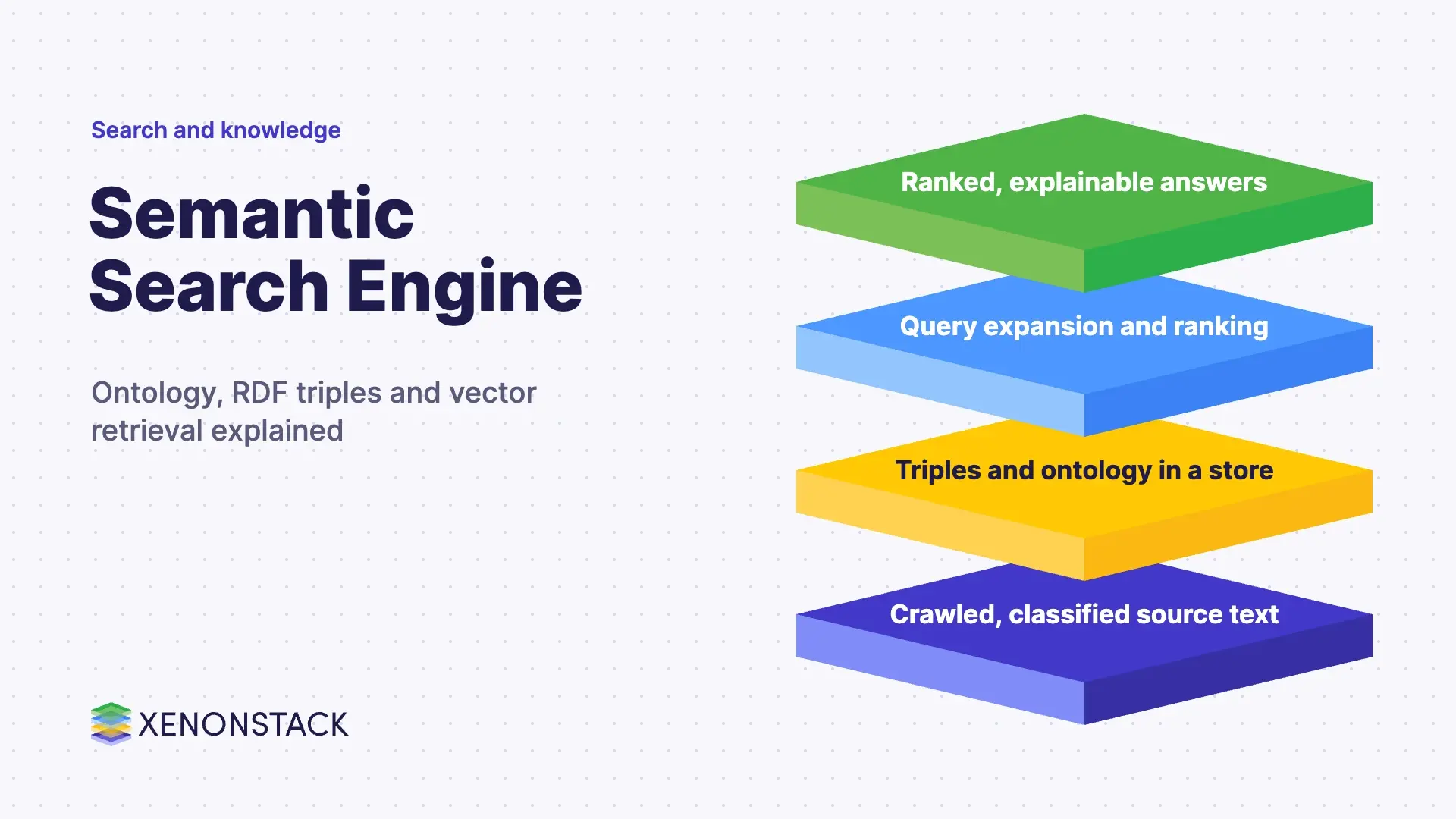
Build a semantic search engine with ontology, RDF, SPARQL and Solr, and see when vector or hybrid search fits and how to govern retrieval for AI ...


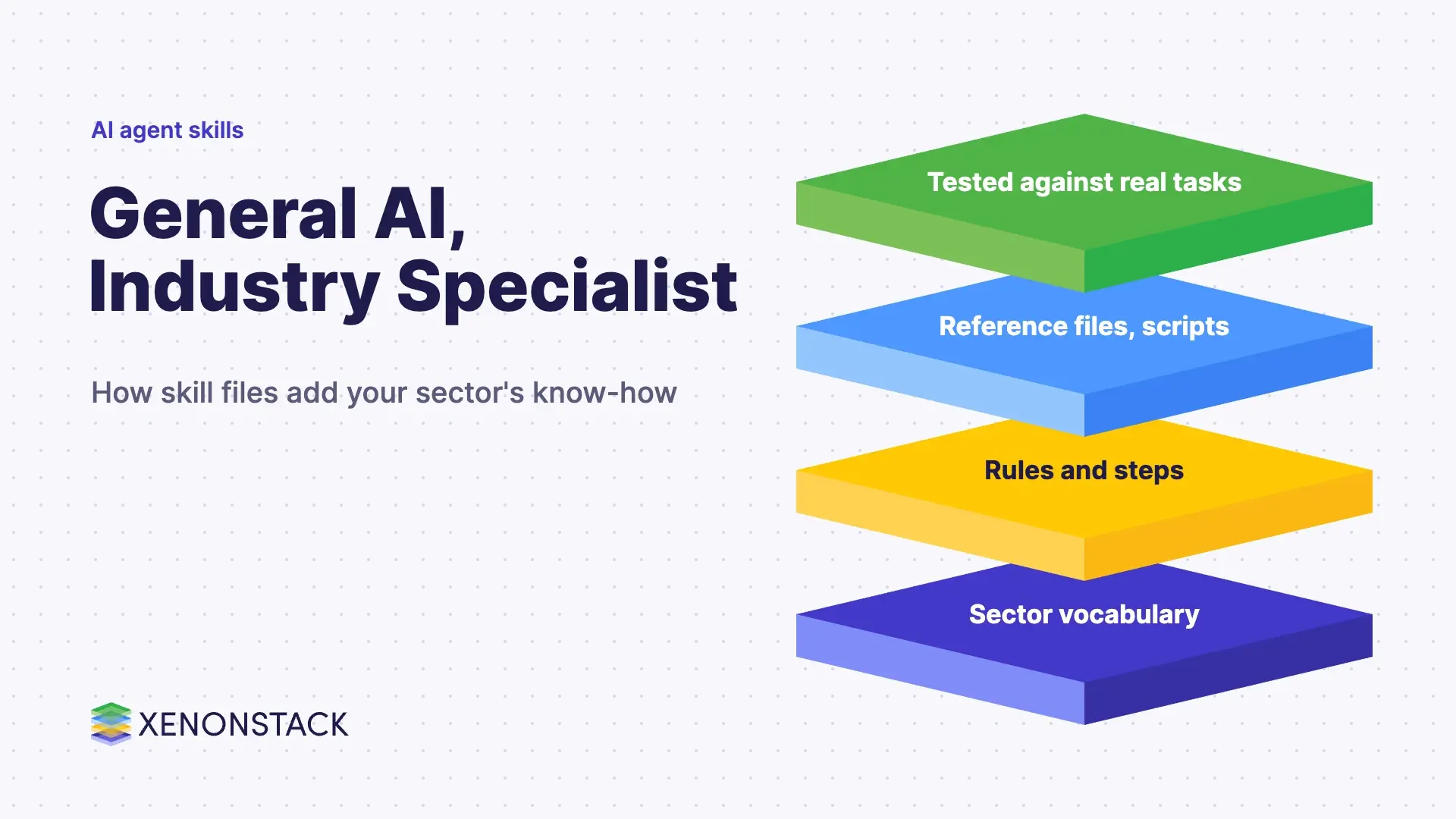
See how reusable skill files add vocabulary, rules and reference files so a general AI acts like an industry specialist, plus how to test a skill.
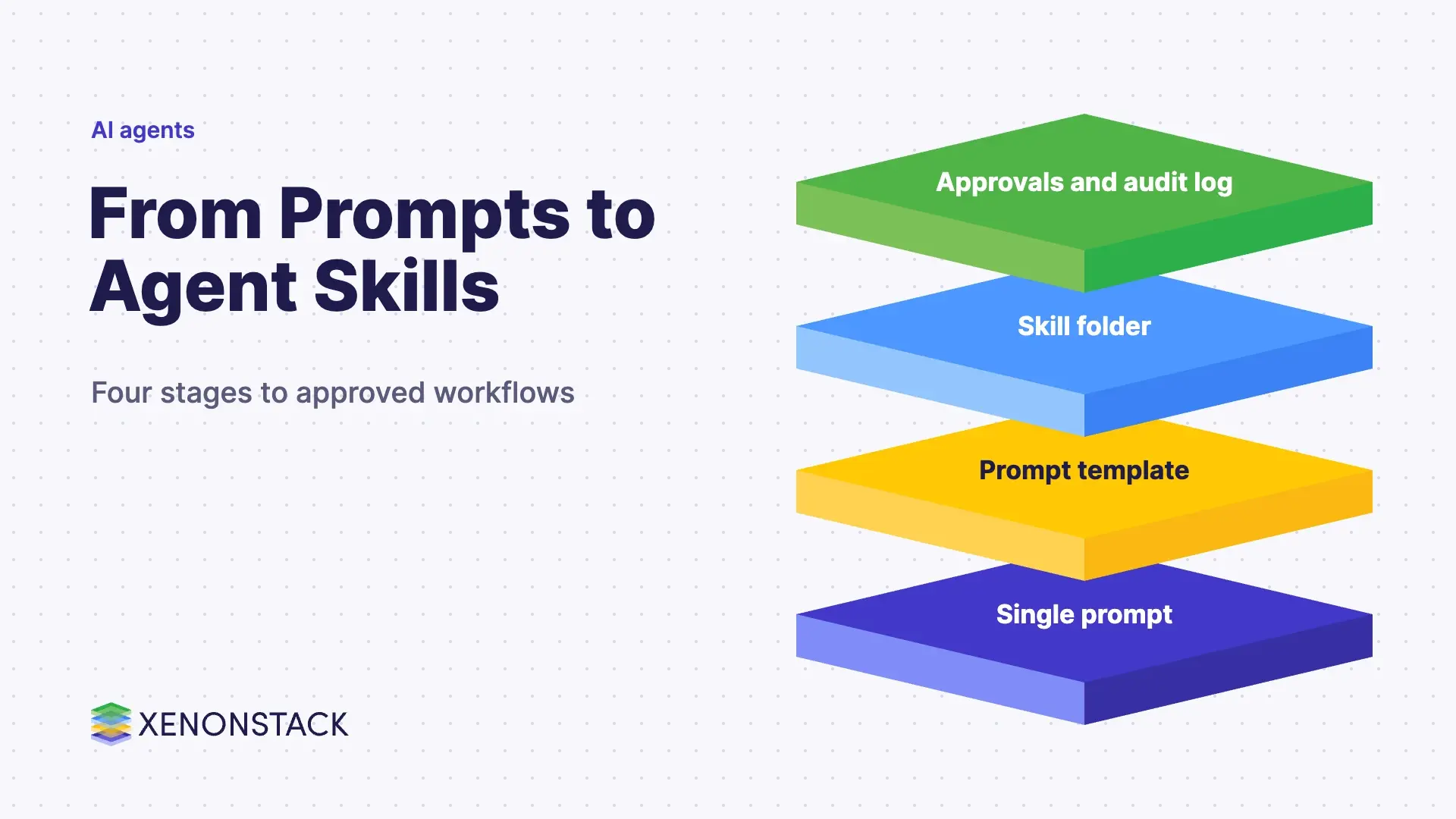
See how AI agent skills take work from a single prompt to approved enterprise workflows, with HR onboarding and IT support examples and a maturity ...
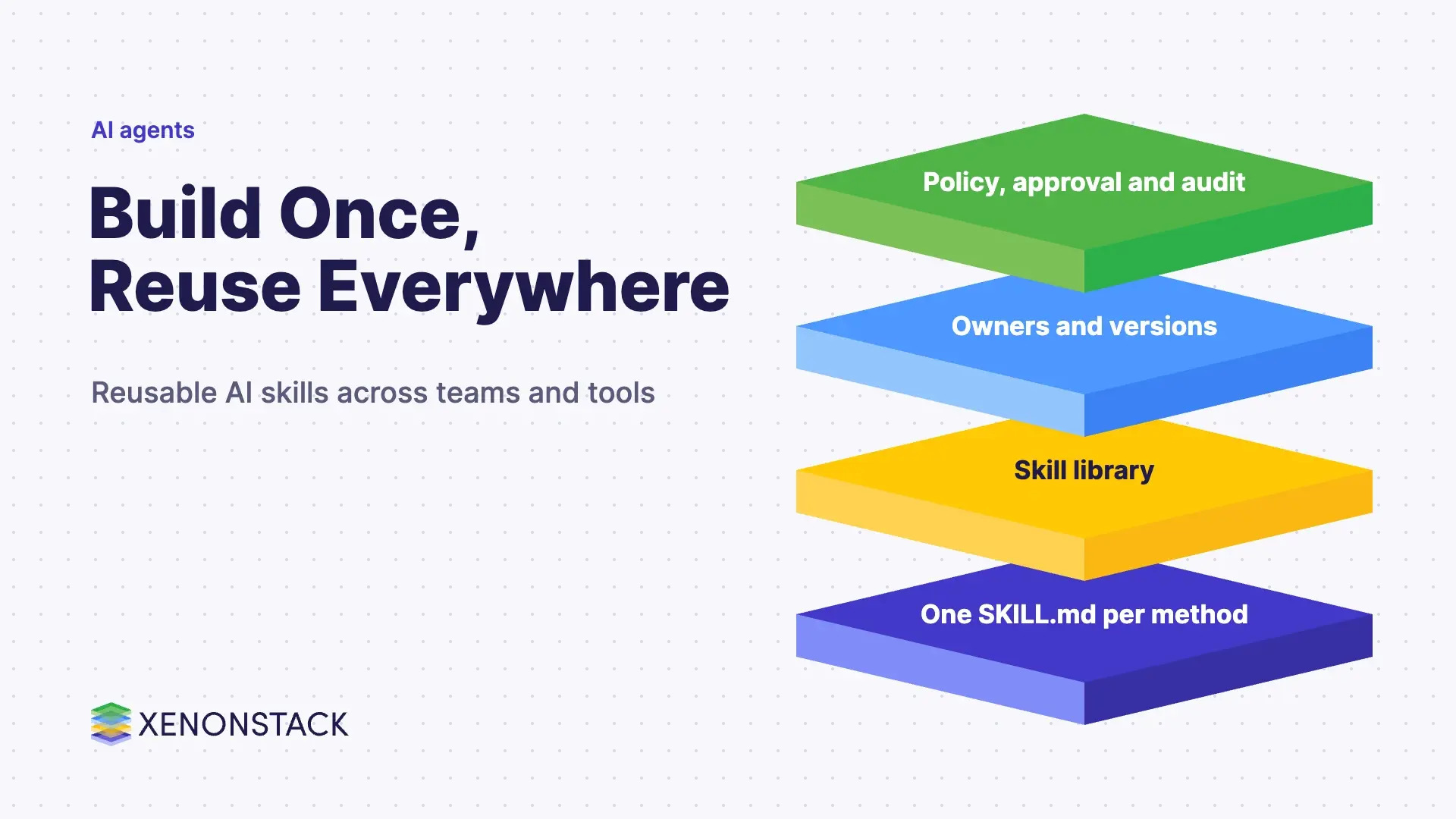
Build an AI skill once and reuse it across teams and industries. See how owners, versions and review work, and where portability stops today.
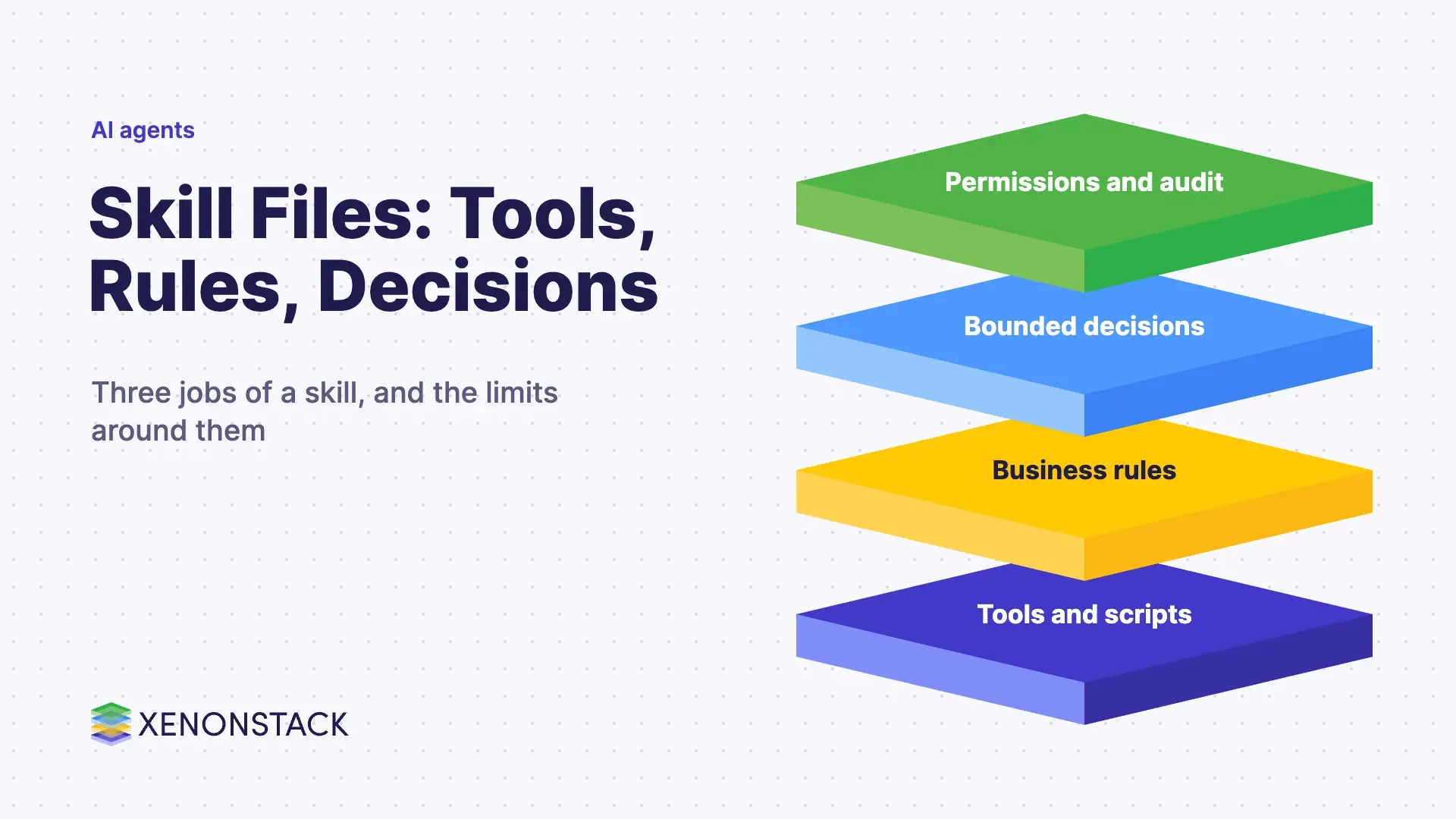
How skill files let AI agents run tools, apply business rules and make bounded decisions, with lending and procurement examples and clear limits.
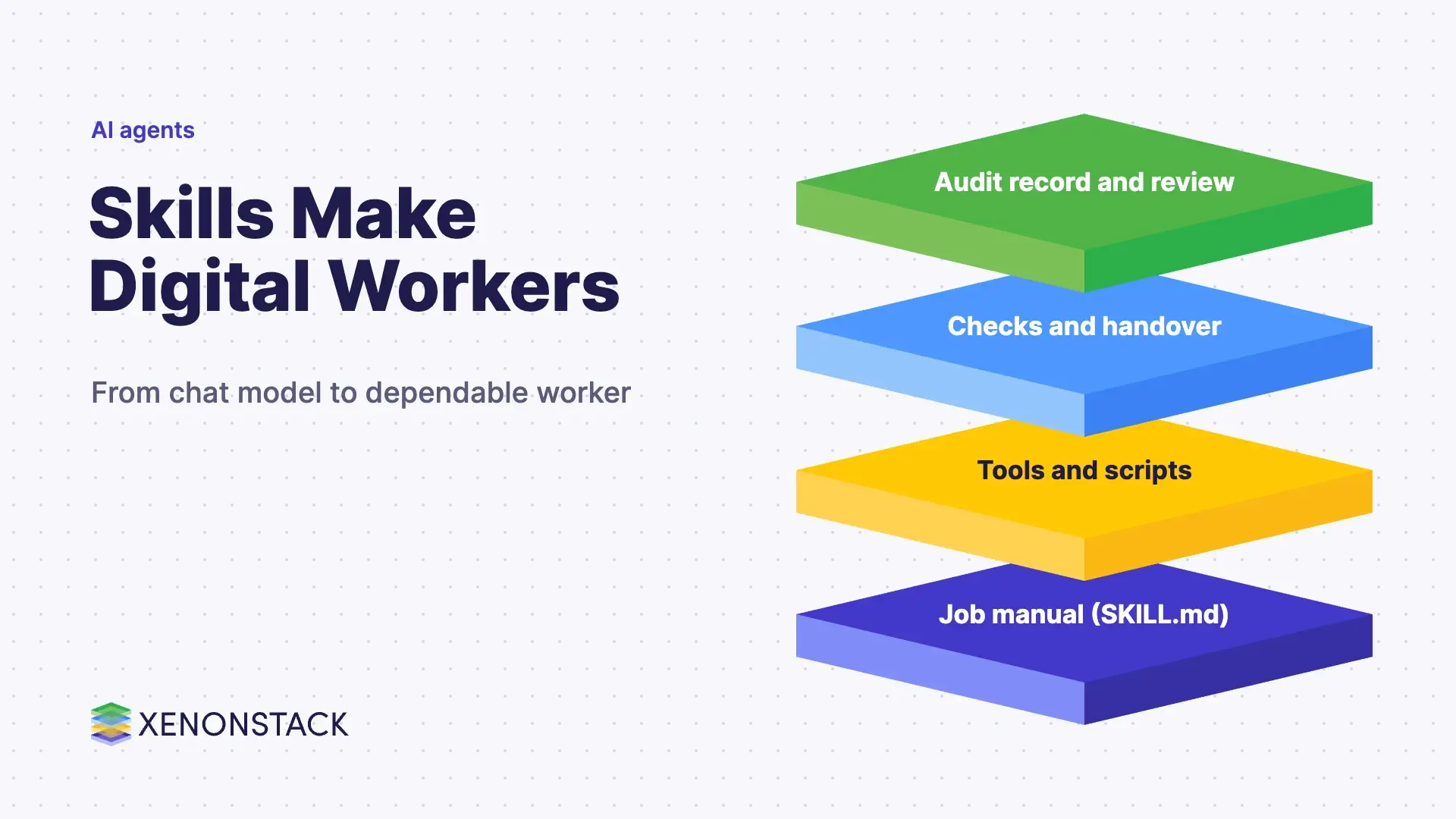
How AI agent skills give a chat model a job manual, tools, checks and handover rules, and three ways to test a digital worker: accuracy, escalation, ...
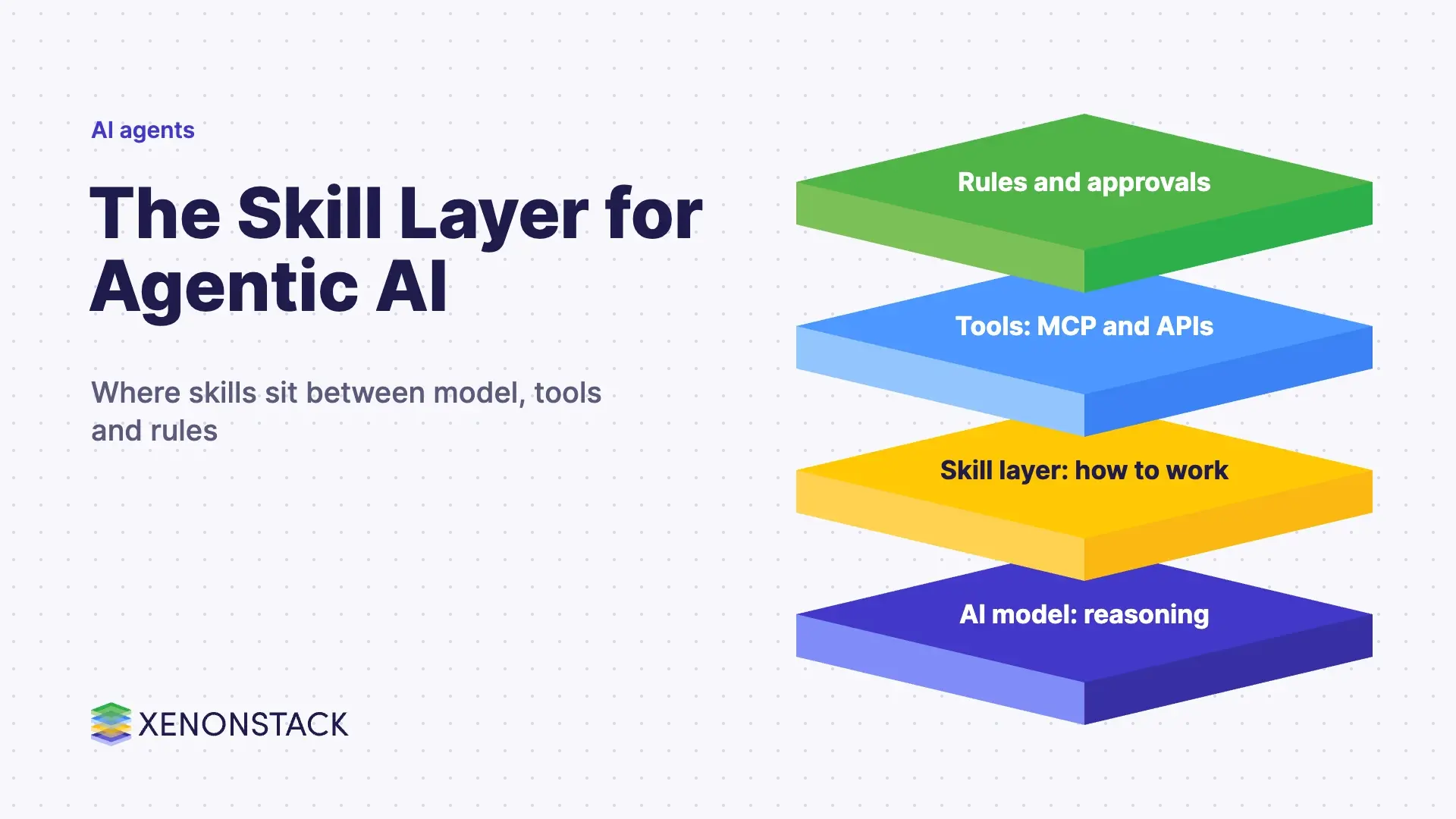
Learn where the skill layer sits in agentic AI: model, skills, MCP tools, data and rules. Plain words, with how skills differ from MCP tools.
The transformative impact of ai and emergingtechnologies on the world of finance and banking
6 min | Dr. Jagreet Kaur
Comprehensive approach combines cost forecasting, resource optimization, and financial accountability
4 min | Dr. Jagreet Kaur
Unleashing data agents empowers real-time insights, driving smarter decisions and transforming business operations effectively
5 min | Dr. Jagreet Kaur
AI continuously monitors systems for risks before they escalate. It correlates signals across logs, metrics, and traces. This ensures faster detection, fewer incidents, and stronger reliability
 Proactive detection of performance and availability issues
 Root-cause analysis across microservices and environments
 Automated remediation playbooks to reduce MTTR

AI converts camera feeds into instant situational awareness. It detects unusual motion and unsafe behavior in real time. Long hours of video become searchable and summarized instantly
 Real-time detection of suspicious motion or intrusion
 Natural language video search and instant playback
 Smart summaries for audits, investigations, and compliance

Your data stack becomes intelligent and conversational. Agents surface insights, detect anomalies, and explain trends. Move from dashboards to autonomous, always-on analytics
 Connects to warehouses, lakes, and streaming sources
 Question-answering in natural language
 Continuous monitoring for anomalies and KPI deviations

Agents identify recurring failures and performance issues. They trigger workflows that resolve common problems automatically. Your infrastructure evolves into a self-healing environment
 Automated diagnostics for recurring errors
 Playbook execution: restart services, scale pods, clear queues
 Feedback loop for improving remediation strategies

AI continuously checks controls and compliance posture. It detects misconfigurations and risks before they escalate. Evidence collection becomes automatic and audit-ready
 Continuous control checks across infrastructure and SaaS
 Automated evidence collection for audits
 Risk scoring and prioritized remediation recommendations

Financial and procurement workflows become proactive and insight-driven. Agents monitor spend, vendors, and contracts in real time. Approvals and sourcing decisions become faster and smarter
 Real-time visibility into spend and commitments
 Anomaly detection on invoices and vendor performance
 Intelligent workflows for approvals and sourcing decisions


