.webp?width=1921&height=622&name=usecase-banner%20(1).webp)
The rapid evolution of artificial intelligence has ushered in a new era defined by multimodal AI agents—intelligent systems capable of understanding and interacting across multiple data types, including text, images, audio, video, and sensor inputs. As enterprises strive for more autonomous and context-aware digital ecosystems, Multimodal AI is emerging as the next significant leap in AI innovation. These advanced agents don’t just process information; they reason, analyse, and act using a unified understanding of diverse modalities, enabling more accurate decision-making and human-like problem solving.
In sectors such as customer service, cybersecurity, manufacturing, and digital commerce, organisations are leveraging multimodal AI agents to automate complex workflows, enhance user experiences, and reduce operational inefficiencies. From voice-enabled assistants and vision-powered quality inspection bots to multimodal copilots for enterprise operations, these agents are transforming how businesses operate at scale.
What sets multimodal AI agents apart is their ability to draw correlations across modalities—connecting visual cues with textual instructions, merging conversational context with real-time sensor information, or powering vision + LLM systems for deeper insight extraction. This integrated intelligence unlocks deeper insights, faster responses, and more adaptive behaviour than single-modality AI systems.
As the demand for context-first, autonomous, and intelligent systems accelerates, multimodal AI agents are redefining what modern enterprises can achieve. Their rise signals a foundational shift toward more intuitive, resilient, and proactive digital operations—ushering in the next generation of intelligent automation built on enterprise multimodal intelligence.
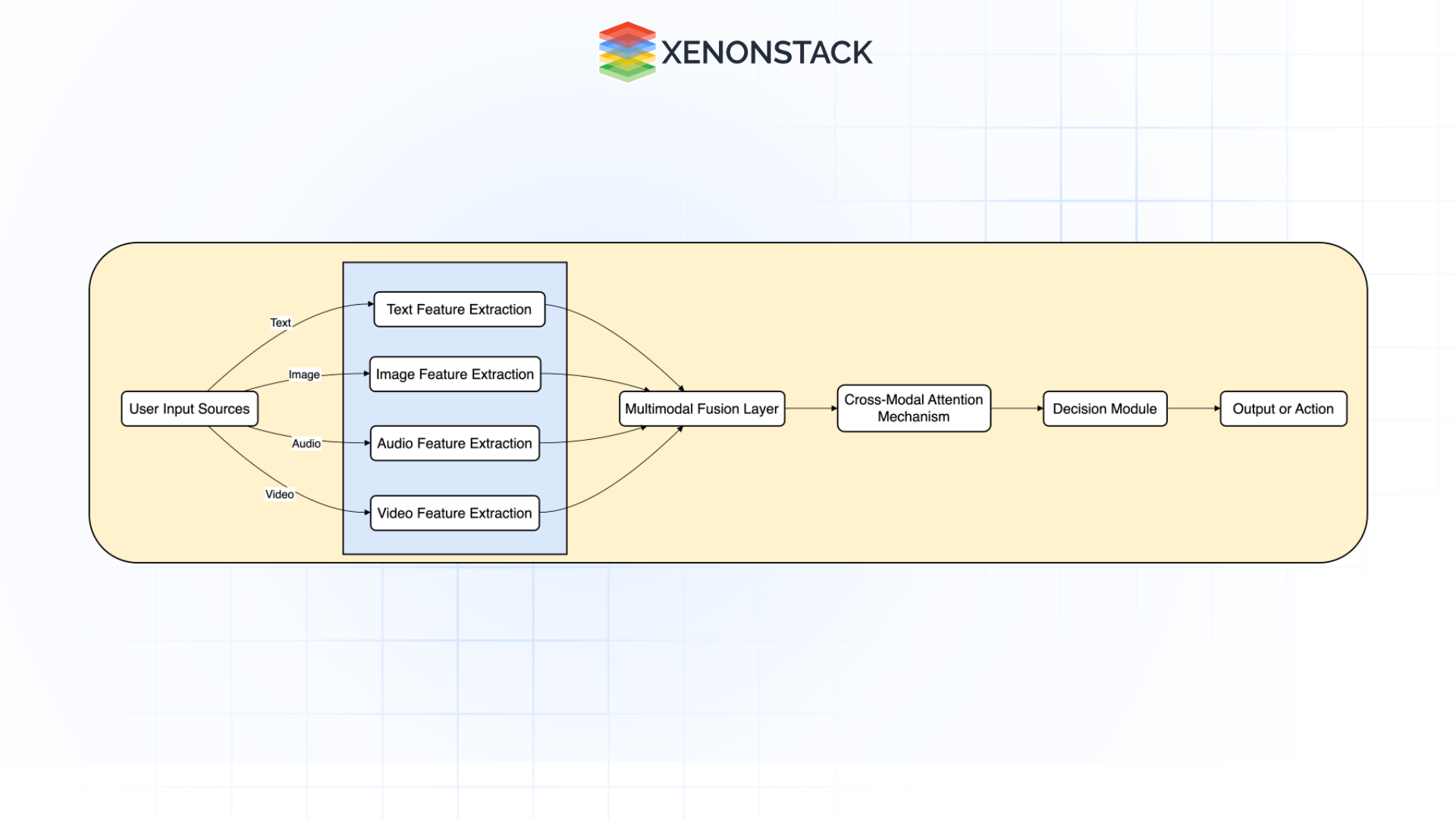
What are Multimodal AI agents?
Multimodal AI agents are comprehensible information-processing systems capable of analysing data of different types and structures. They differ from other AI models that are restricted to one input type (text or images, etc.). Combining modalities creates a broader context, increased flexibility, and greater effectiveness of answers. This is core to physical intelligence, where AI systems interpret the world more like humans do.
For instance, a multimodal agent can transcribe spoken language and simultaneously interpret gestures on the face or body, giving a profound insight into human action and environment.
How Multimodal AI Enhances Vision AI?
While traditional Vision AI focuses on analysing visual data, integrating multimodal capabilities enables Vision AI systems to become more context-aware, accurate, and actionable.
1. Vision + Text (vision + LLM)
Combining visual inputs with large language models allows systems to:
-
interpret images with narrative explanations
-
answer questions about visual scenes
-
perform grounded reasoning
-
execute tasks based on text + images together
Example: A vision + LLM system can detect defects on a manufacturing line and generate a natural-language explanation for the cause.
2. Vision + Audio
Adds contextual layers to surveillance, automotive, and safety systems:
-
detecting visual anomalies with supporting audio cues (alarms, screams, sirens)
-
improved situational awareness
3. Vision + Sensors (IoT + Edge)
Enables physical intelligence for real-world decision-making:
-
movement, pressure, temperature, location along with camera feeds
-
real-time decision pipelines
4. Vision AI Enhanced by Multimodal Fusion
Using multimodal fusion(early, late, hybrid) allows Vision AI to:
-
correlate image regions with textual meaning
-
improve object recognition
-
reduce hallucinations
-
handle ambiguity and incomplete inputs
5. Enterprise Benefits
Enterprises gain:
-
higher accuracy
-
faster decisions
-
cross-context understanding
-
deeper multimodal reasoning
This section positions Xenonstack strongly for the combined Vision AI + Multimodal AI cluster.
The Core Architecture of Multimodal AI Agents
Developing effective multimodal AI agents involves integrating technologies and frameworks that handle distinct types of data inputs and processing. Below, we break down some of the key architectural components that enable these systems:
Multimodal Fusion Techniques
At the heart of multimodal AI is the ability to merge information from different sources into a coherent representation. Fusion techniques can be categorised into three main types:
-
Early Fusion: Combines raw data inputs at the initial stage before processing. This approach allows for rich joint feature extraction but can be computationally intensive.
-
Late Fusion: Processes each modality independently and merges the results at a decision-making stage. It is more modular but may miss out on deeper cross-modal interactions.
-
Hybrid Fusion: Integrates features at multiple points, balancing the advantages of early and late fusion for optimal performance.
Hypothesis representations are often transformed with high neural representations like transformers for multimodal purposes. CLIP and DALL-E, for instance, are vision-language models that adopt transformer-based frameworks to process various forms of data and produce high-impact results by associating text and images.
Cross-Modal Attention Mechanisms
Some of the most important functions in the setting of multimodal systems are the attention mechanisms through which the agent can concentrate only on the important frames of each data stream. Interaction between modalities is made possible through cross-modal attention so that the context from one mode can improve interpretation in the other. This is necessary for those occasions when one needs to interpret several sources at once, for example, to comment on a video or when the description of an image is accompanied by speech.
Training Paradigms and Datasets
Learning multi-modal AI agents involves input-output pairs involving data in two or more modalities, such as image caption pairs, video audio inputs, or text gesture outputs. Other approaches, such as self-supervised learning and transfer learning, are also important for allowing agents to learn from one domain to another or from one task to another.
Two popular training paradigms in multimodal training include contrastive learning, whereby the model learns how to map paired and unpaired samples. This improves the correlation identification between modality types and increases the agent’s understanding of how the modes interact in practice.
Key Applications of Multimodal AI Agents
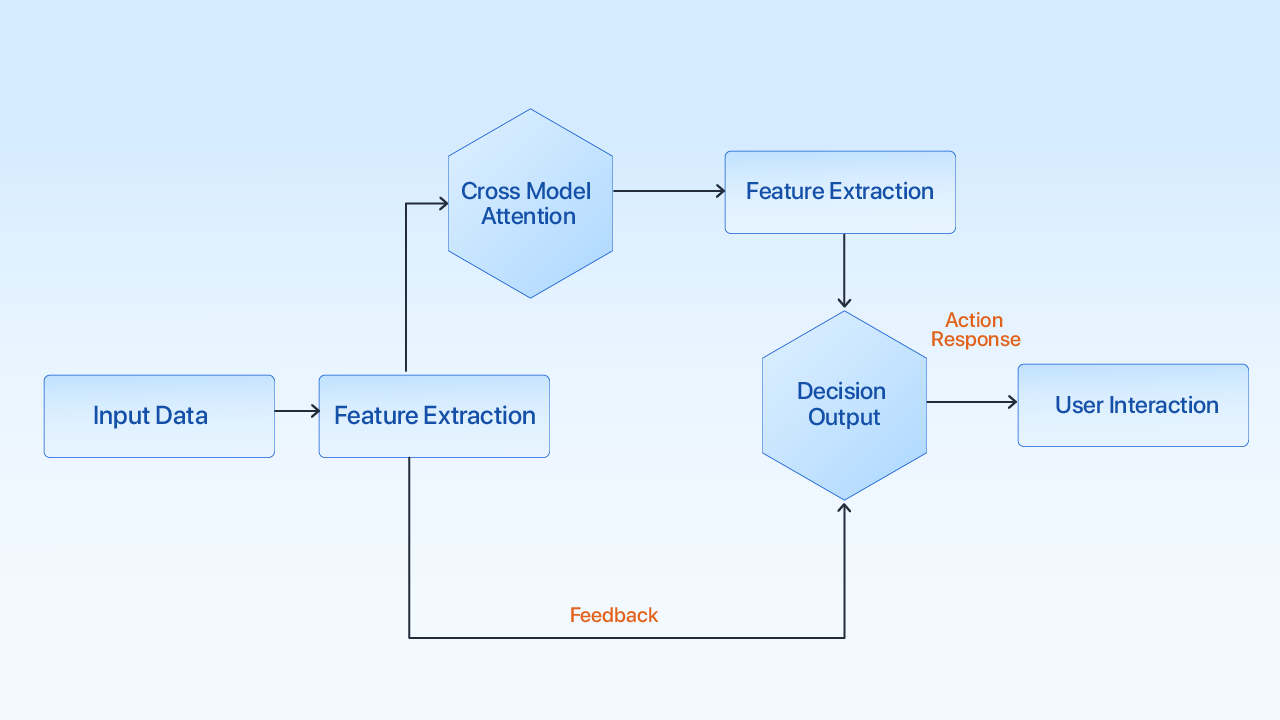
Fig 2: Decision-Making Process in Multi-Modal AI Agents
The versatility of multimodal AI agents opens up a range of practical applications across industries. Below, we highlight some of the most significant areas where these agents are making an impact:
-
Enhanced Virtual Assistants: The existing virtual assistants, Siri and Alexa, can only respond to voice commands. These systems can be improved by adding Multimodal AI agents who can provide visual processing so that the system performs much better at handling queries that include images, face recognition, or gestures. This enhancement culminates in a more realistic and operational user interface experience.
For instance, let us consider an application that can perform a voice command such as “What is it like outside?” In addition to understanding and responding according to the application's voice commandability, it can identify an object in a picture shared by the user and respond accordingly. This creates scope for assisted, visually integrated searches and results finding. -
Healthcare Diagnostics: In healthcare, each of the proposed multimodal AI agents can use data from medical images, patient records, and doctors’ notes to generate diagnostic support. For example, an agent examining X-ray films and clinical text documents can assist medical personnel in diagnosis and treatment planning.
In addition, multimodal agents can be incorporated within telemedicine by augmenting the video consultation with continuous analysis of the patient’s nonverbal cues, changes in voice tonality, and spoken contextual feedback. This approach helps because it can recognise possible signs of emotional distress or physical discomfort, making the diagnosis much more accurate and the patient’s condition significantly better. -
Autonomous Vehicles: The running of self-driving vehicles relies on the actual data from different sensors like cameras, LiDAR, and radar. Other data from multiple sources can help agents augment this information with traffic reports and GPS inputs to provide a solid decision-support system to prevent accidents and improve transport logistics.
Multimodal AI agents incorporate visual data from signs, pedestrians, and sounds, including sirens, honks, etc., and improve the situational awareness and decision-making abilities of autonomous vehicles. In other words, a ‘totalist’ approach to environmental interpretation is necessary if higher decision-making tiers are to be attained and accident rates lowered. -
Content Creation and Analysis: It is also worth noting that the use of Multimodal AI agents is transforming the generation and analysis of content. Those that contain bidirectional mapping for visual and textual data are employed in the automatic captioning of videos, interactive and multimedia narratives, and others. These capabilities integrate to optimise business processes in creative sectors and improve the experience for people with disabilities.
For example, an agent that can provide a descriptor for images and a more descriptive comment on videos will enhance content accessibility for visually inclined consumers. Further, these agents may be used in marketing to generate content that includes textual content and unique designs customised to the target market. -
Education and E-Learning: In education, using Agents increases the effectiveness and interactivity of education processes. For instance, agents can use text, images, videos, and audio to create rich lessons and tutorials. A multimodal tutor may have to teach the student about a particular idea verbally while illustrating the concept through diagrams and using verbal and visual or textual signals to answer the student’s questions.
This also means that Multimodal AI agents can grade performances through written assignments, recorded presentations in both audio and video formats, and ongoing class interactions throughout virtual lessons. This data fusion gives teachers a better overview of learners' comprehension and advancement.
Key Statistics in Multimodal AI
- Market Growth: The global AI market was valued at approximately $62.35 billion in 2020 and is projected to reach $997.77 billion by 2028, with multimodal AI contributing significantly to this expansion.
- Performance Enhancements: Multimodal AI models have demonstrated up to a 30% increase in accuracy over unimodal models in tasks such as natural language processing and computer vision.
- Healthcare Diagnostics: Integrating text and imaging data through multimodal AI has improved diagnostic accuracy by 15-20%, aiding in more precise patient assessments.
- Autonomous Vehicles: Utilizing multimodal data from sensors like cameras, LiDAR, and radar has enhanced decision-making accuracy in self-driving cars by up to 25%, reducing accident risks.
- Ethical Considerations: A significant concern is that over 84% of AI professionals acknowledge the susceptibility of multimodal models to biases, underscoring the importance of diverse and balanced training data.
Challenges in Developing Multimodal AI Agents
Despite the immense potential of Agentic AI, developing multimodal AI agents presents several significant challenges:
Data Alignment and Synchronisation in Agentic Workflows
When an Agentic AI analyses multimodal data, it’s crucial to ensure that information across various modalities is synchronised in both time and context. This becomes challenging when working with diverse data flows, such as video and audio, each with its own format and temporal scale. The key challenge is accurately aligning data points to corresponding events.
For instance, in video analysis involving spoken language, the Agentic AI must map specific phrases to the correct video frames. Achieving this requires advanced synchronisation techniques, sophisticated algorithms, and temporal modelling to ensure seamless integration across modalities.
Computational Demands of Agentic AI
Managing multiple data modalities demands substantial computational resources and memory, which can be a significant barrier for many organisations. The ability of these systems to perform real-time processing while maintaining high levels of accuracy is an ongoing area of research.
To address the computational burden, approaches such as distributed computing and leveraging devices like graphical and tensor processing units (GPUs/TPUs) are being explored. Additionally, techniques like model compression and quantisation are being researched to optimise performance while minimising resource consumption.
Enhancing Robustness and Generalisation in Agentic AI
One of the key challenges for multimodal Agentic AI is ensuring robustness in the face of noisy, incomplete, or ambiguous data. These agents must be capable of adapting their learning models to new scenarios and data types. Methods such as transfer and zero-shot learning are being explored to enhance generalisation.
However, despite these advancements, ensuring that Agentic AI can effectively adapt to varied conditions remains complex. Researchers focus on collecting diverse training samples and implementing techniques like domain adaptation to improve the agent’s ability to handle a wide range of data inputs.
Data Privacy and Ethical Considerations with Agentic AI
As Agentic AI agents gain the ability to gather and process data from multiple sources, concerns regarding privacy and ethics arise. The need for robust mechanisms to ensure data privacy and mitigate biases in multimodal data is becoming increasingly urgent. If agents are trained on skewed or unbalanced data, there’s a risk of biased decision-making, which could lead to unfair outcomes.
To address these challenges, it’s essential to develop strategies for managing data privacy while minimising bias and ensuring fairness in decision-making. Developers must implement methods for data diversity, transparency in decision processes, and bias mitigation strategies to foster trust in Agentic AI systems.
Future Trends: Multimodal AI Agents
-
Integration of Multiple Data Sources: Multimodal AI agents will utilise diverse data inputs, enabling more intelligent and context-aware interactions.
-
Revolutionising Industries: These agents will transform sectors like digital assistants, diagnostic services, self-driving cars, and adaptive learning platforms.
-
Overcoming Data Alignment Challenges: As data alignment issues persist, advances in technology will lead to better synchronisation of diverse data types.
-
Addressing Computational and Ethical Challenges: Ongoing work will address the heavy computational demands and ethical concerns surrounding the development of multimodal AI agents.
Frequently Asked Questions (FAQs)
Advanced FAQs on Multimodal AI Agents and their impact on next-generation intelligent systems.
How do multimodal agents combine different data types effectively?
They fuse text, vision, audio, and sensor inputs into shared embeddings, enabling richer context and more accurate task execution.
How do multimodal agents outperform single-modality models?
They access complementary signals across modalities, enabling stronger reasoning, better grounding, and reduced hallucinations.
What enables real-time decision-making in multimodal agents?
Streaming pipelines, unified context memory, and low-latency multimodal inference stacks allow agents to act continuously and adaptively.
How do multimodal agents ensure safety across complex inputs?
By applying multimodal filtering, cross-modal consistency checks, and policy-driven validation for images, text, and sensor data.