What are your key focus areas? *
AI Workflow and Operations
Data Management and Operations
AI Governance
Analytics and Insights
Observability
Security Operations
Risk and Compliance
Procurement and Supply Chain
Private Cloud AI
Vision AI

Tell us about you and your priorities so we can prepare the right conversation. It takes about 2 minutes.
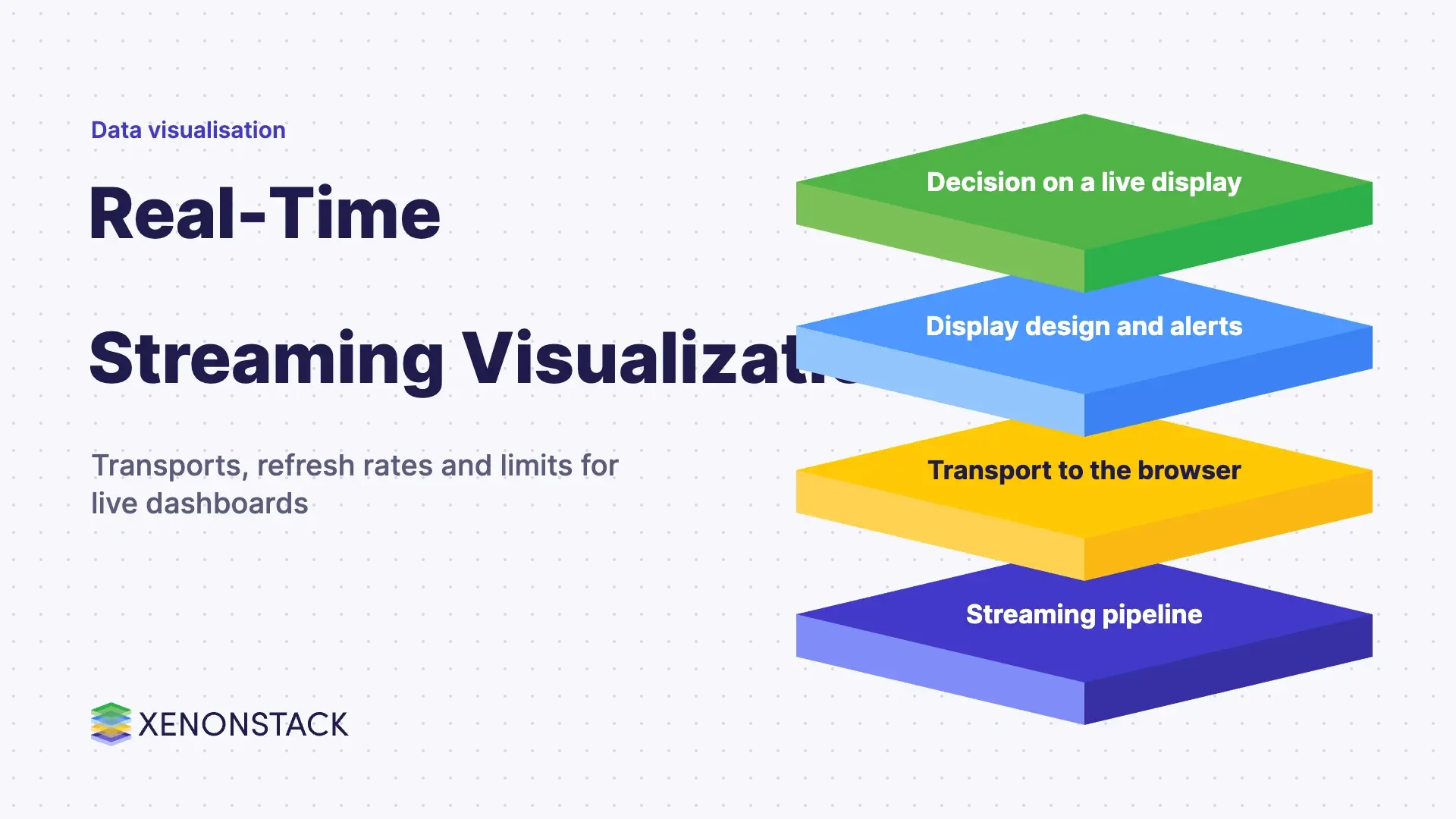
Design streaming data visualisation: server-sent events vs WebSockets, refresh rates, dashboard limits, governance and when not to use a live display.
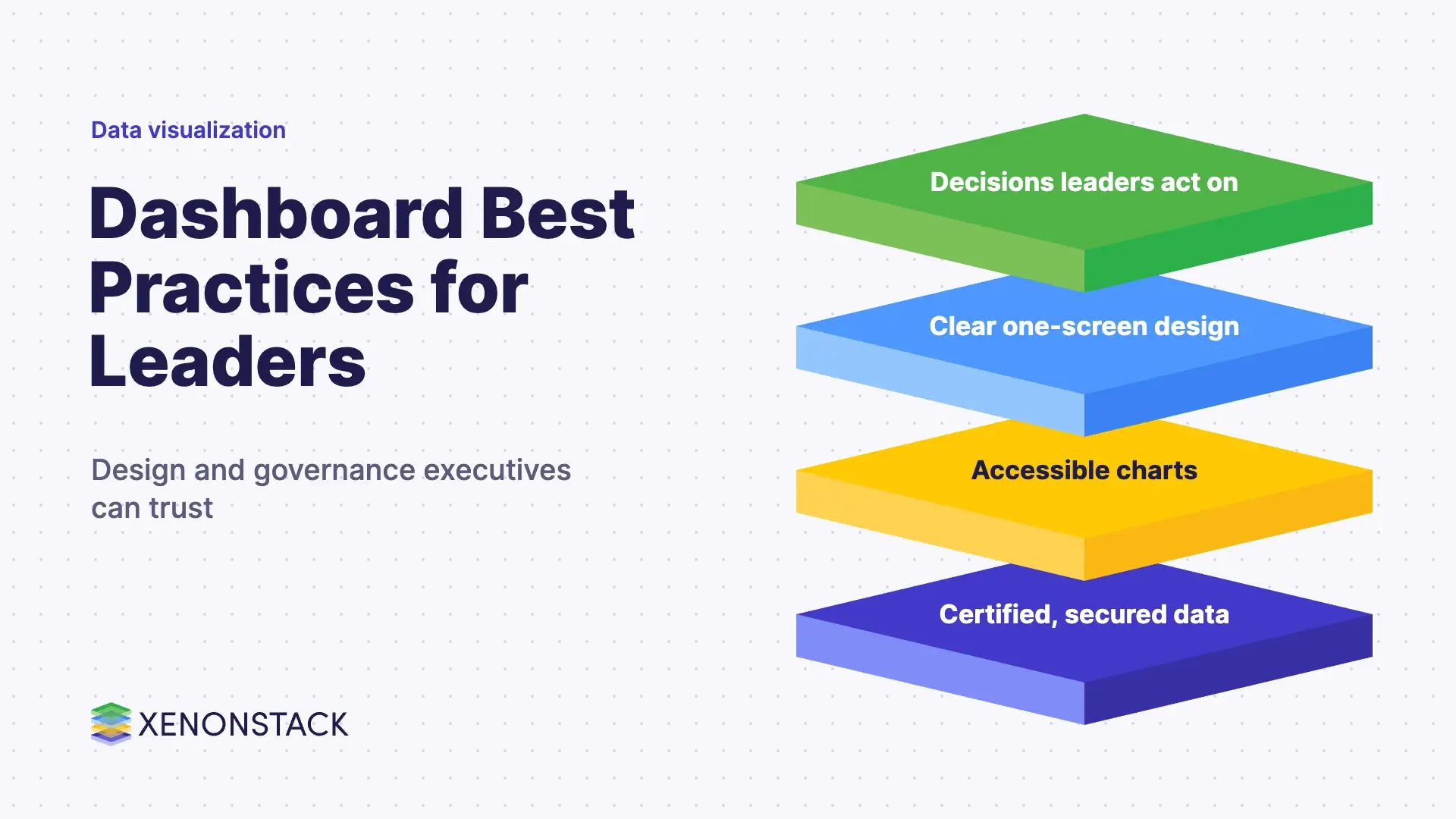
Data visualization best practices for executive dashboards: layout, chart choice, number formats, WCAG 2.2 accessibility and governance leaders can ...
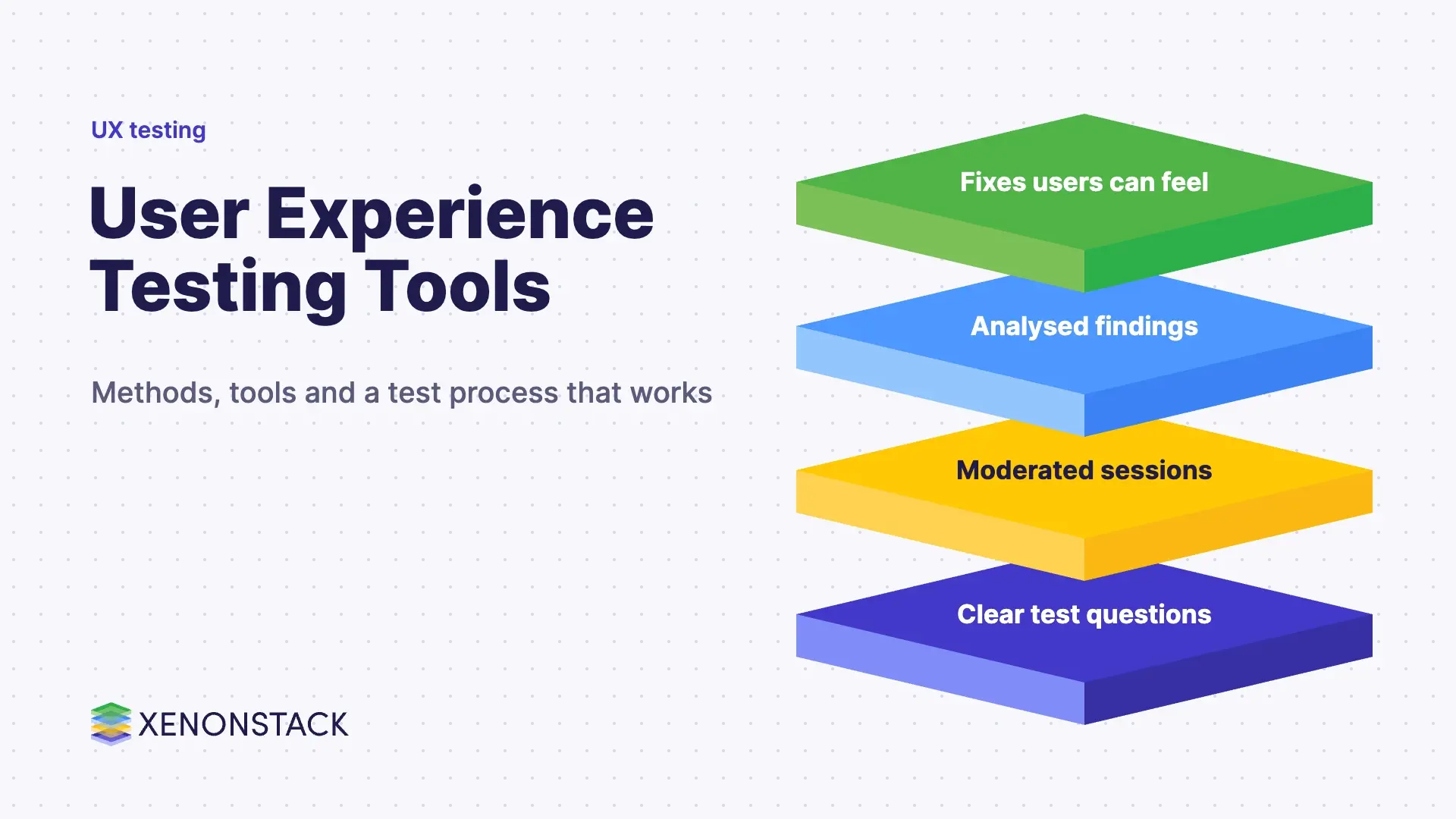
User experience testing tools and process: how to run usability tests, what Optimizely, GTmetrix and Crazy Egg do, and how to choose. Sourced guide.
Angular performance optimization in 2027: measure first, then apply AOT, lazy loading, @defer, OnPush, signals and zoneless, with trade-offs for CTOs.
Graph analytics and knowledge graph use cases for enterprises: centrality, community and path algorithms, RDF, ISO GQL, GraphRAG, governance and ...
Visual analytics explained for enterprise leaders: how it differs from data visualisation, how to design decision-ready views, and where CanvasJS ...
Tableau data visualization for BI leaders: current Cloud, Server and Next plans, free options, and a step-by-step build of views, maps and dashboards.
Compare data visualization tools and techniques for 2027: chart types by question, Power BI, Tableau, Looker, Qlik, Superset, Grafana, AI and WCAG ...
Build scalable dashboards with React and GraphQL: data layer, cursor pagination, rendering speed, live updates and API security, with sources.
Learn how to profile a React application with the DevTools Profiler and the Profiler component, read flame and ranked charts, and fix common issues.
Visual hierarchy arranges elements so users notice the important ones first. Learn scale, contrast, grouping and the squint test, plus how to apply ...
Learn the five SOLID principles in JavaScript and TypeScript, with corrected code examples, when not to apply them and how they help testing and AI ...
Visual perception shapes how users read an interface. Learn the Gestalt principles, perspective and practical techniques that guide attention in UX ...
Main thread work delays page rendering and input response. Learn what causes it, the Lighthouse 4 second threshold and the fixes that cut it down.
Healthcare UX design shapes patient portals, records and telemedicine around real user tasks. See best practices, WCAG basics, use cases and AI ...
Visual analytics tools for 2027: the process, how it differs from data visualization, Power BI, Tableau, Looker, Qlik, D3, Highcharts and AI agents.
Ethical UX design puts users first. Learn what dark patterns are, 10 practical principles, and how to review a design for deception before launch.
How to move from performance testing to performance engineering: goals, golden signals, OpenTelemetry, pipeline checks, trade-offs and a step plan.
GPU data visualization draws huge datasets in the browser. See how WebGL, luma.gl and deck.gl fit together, what changed with WebGPU, and when to use ...
Clip-path or mask-image? Learn how a CSS clipping mask works, with syntax, gradient and polygon examples, alpha vs luminance modes and browser ...
CSS custom properties explained with MDN and W3C sources: syntax, fallbacks, @property, dark mode, container queries and token governance for teams.
Micro frontends let teams build and release parts of one web app on their own. See integration options, web components and rules for mixing JS ...
D3.js is an open-source JavaScript library for custom visuals. Learn its use cases, how to use it with React, and when to choose it or skip it.
Layout shift and flashes of invisible text explained: how CLS is scored, how FOIT and FOUT differ and how font-display values fix font loading.
Error handling in React uses error boundaries and try/catch. See what boundaries catch, what they miss, and how React 16 changed uncaught errors.
Business of Experience (BX) explained: what Accenture's 2020 report found, the challenges leaders face, and five practices to move beyond touchpoint ...
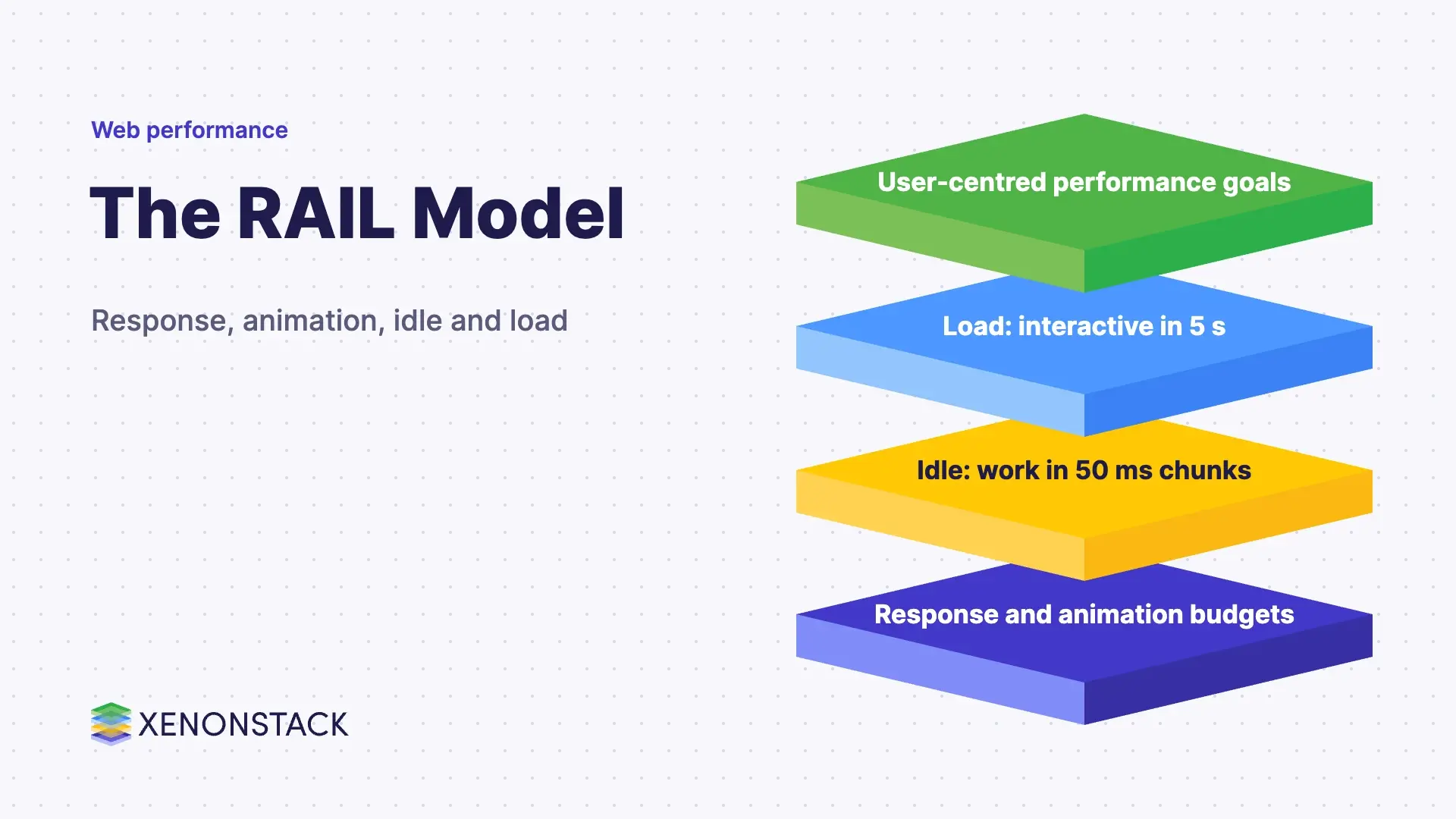
The RAIL model splits web performance into response, animation, idle and load. See the goals, how it relates to Core Web Vitals, and how to apply it.
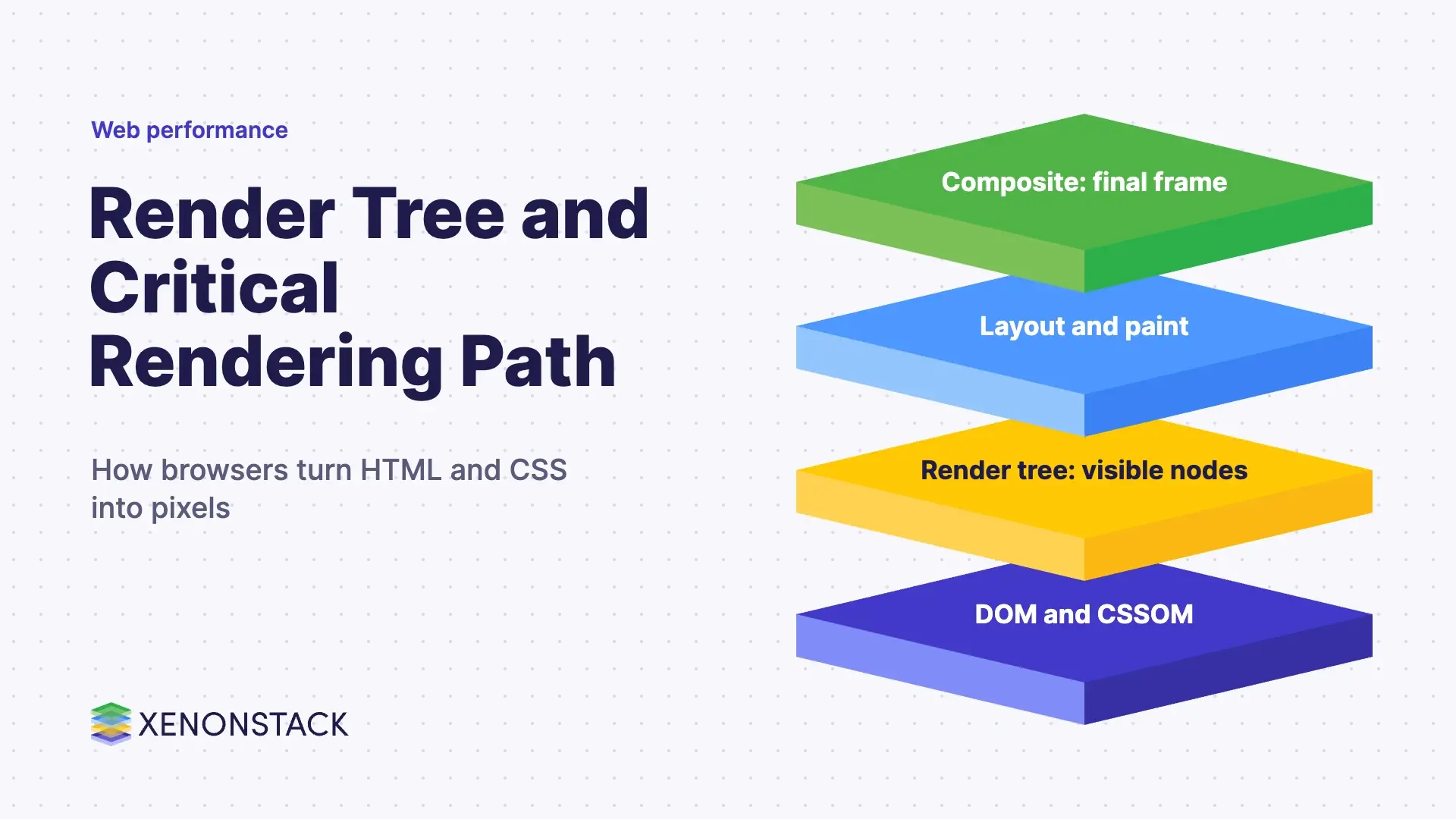
The render tree joins DOM and CSSOM before layout, paint and compositing. See what blocks each stage, how it shapes INP, and which fixes to apply ...
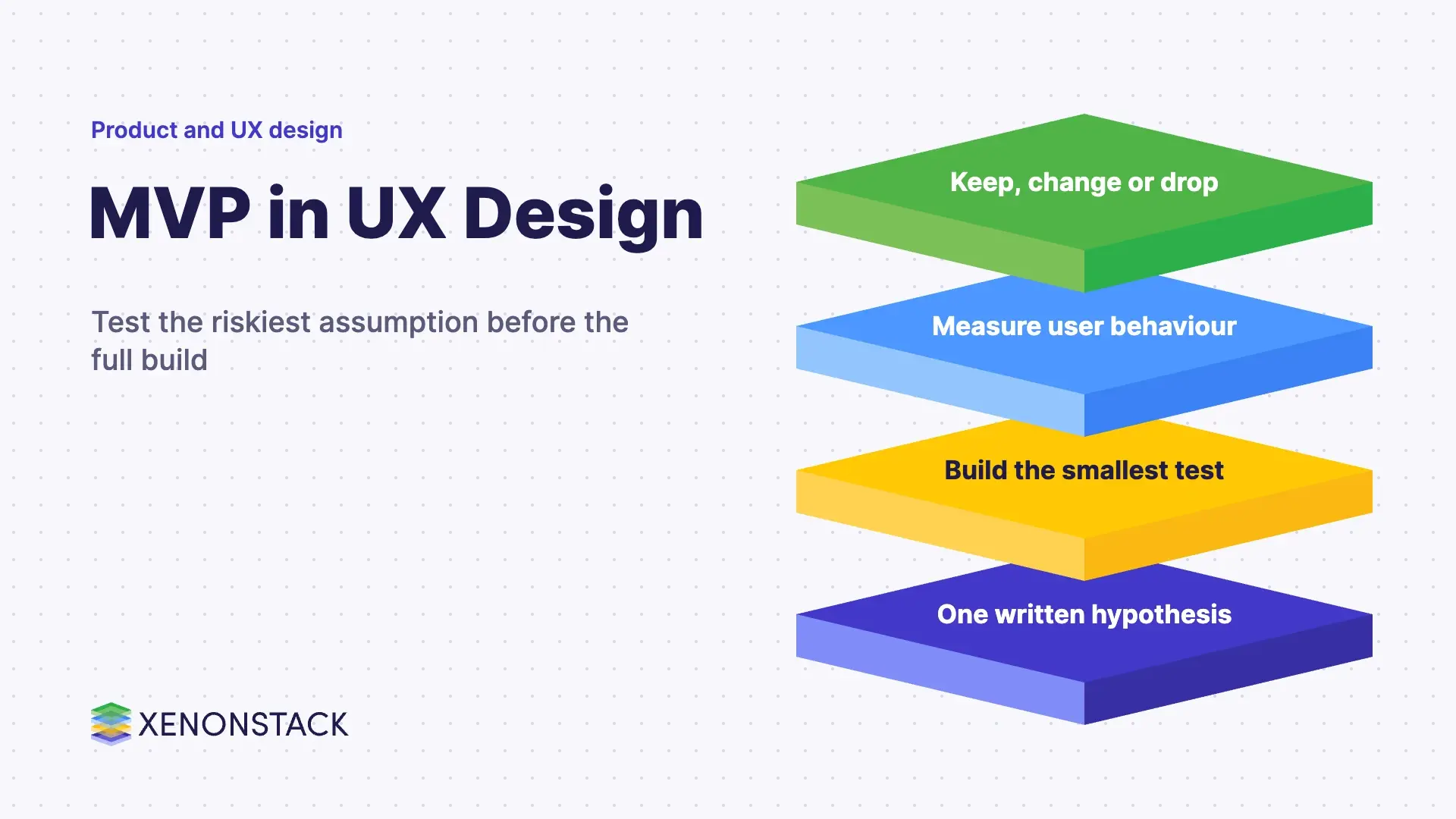
An MVP in UX design is the smallest experiment that tests a product idea with real users. See the build, measure, learn loop, MVP types and ...
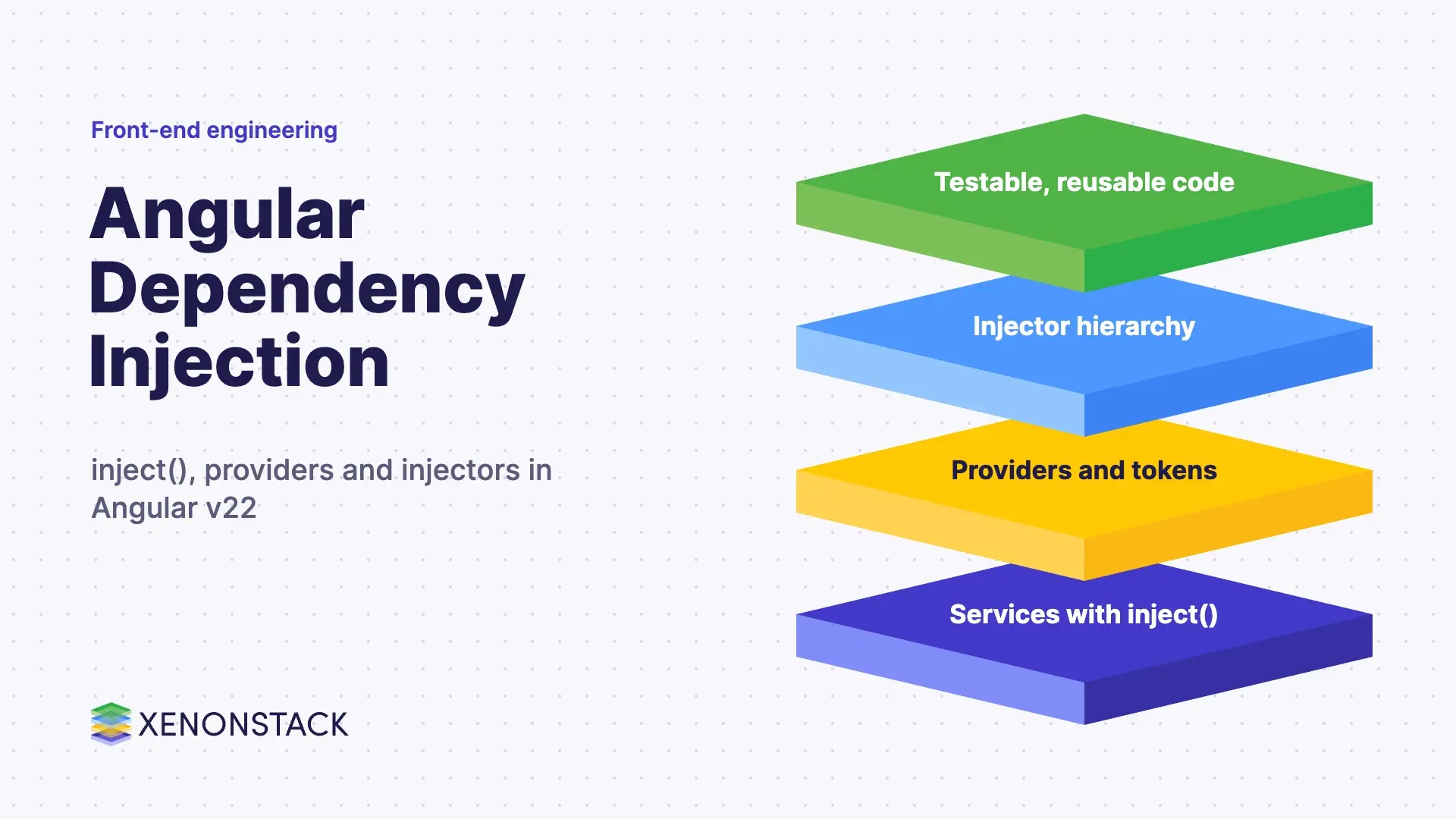
Angular dependency injection for v22: services, inject(), providers, injection tokens, hierarchical injectors and testing, with a decision table.
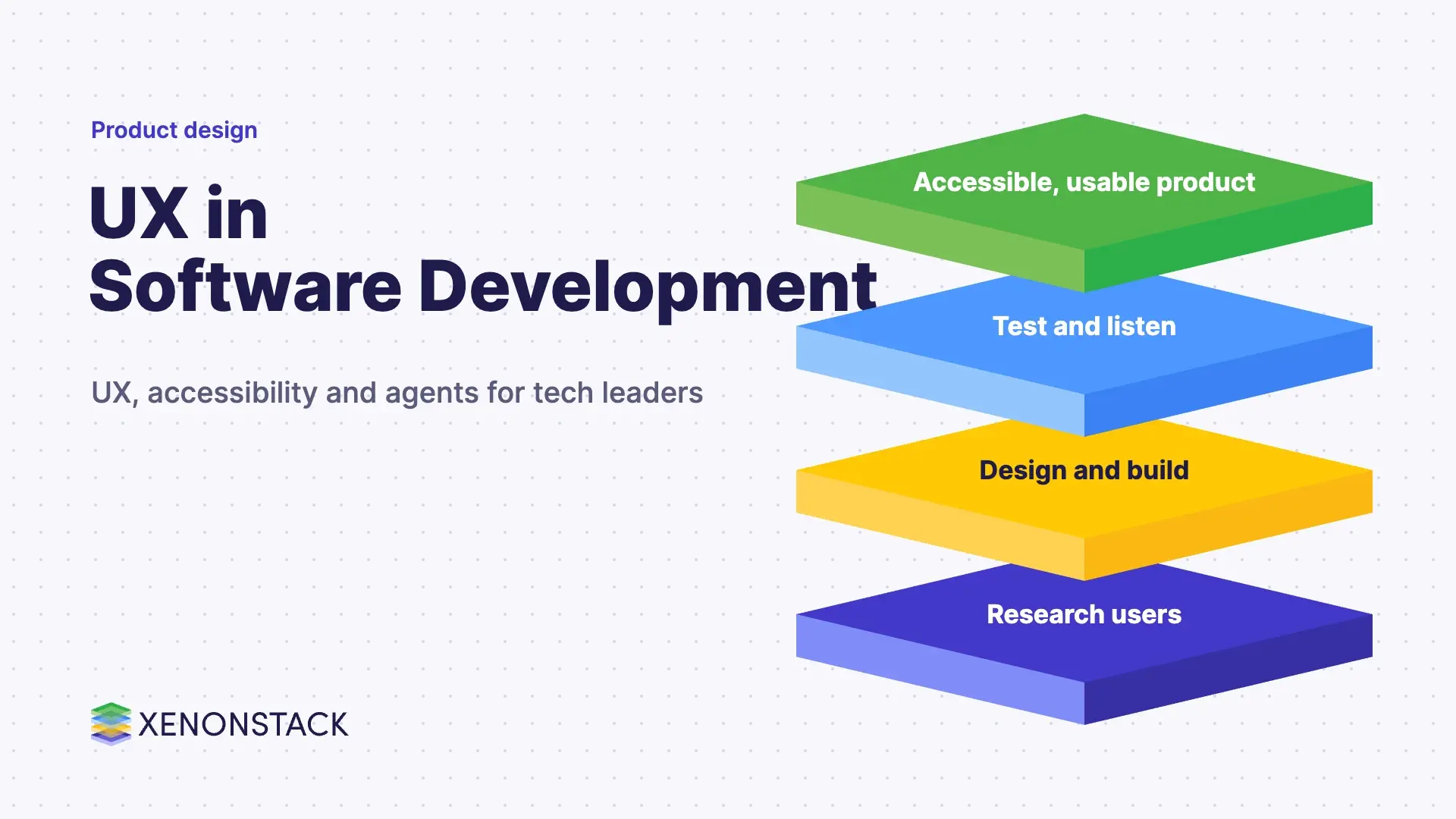
UX in software development explained for tech leaders: UX vs UI, user-centred design, WCAG 2.2 accessibility and how to design for AI agents.
Learn how responsive web design works, from the viewport tag and media queries to container queries, and adopt a repeatable workflow for front-end ...
CSS clamp() makes fluid typography scale between a minimum and maximum. Learn accessible clamp() font sizes, WCAG 2.2 checks and design-token setup.
Learn how Google Lighthouse scores performance, which Core Web Vitals matter now that INP replaced FID, and how to run audits in DevTools or CI.
Load testing shows how an application behaves at normal and peak traffic. See test types, how to choose a tool, best practices and where AI agents ...
Compare 16 JavaScript data visualization libraries, from D3.js and ECharts to Chart.js and Recharts, with rendering, large data and status notes.
Data visualization techniques for business intelligence: pick the right chart, design for your audience, use colour accessibly and tell a clear data ...


How to build enterprise RAG: architecture, hybrid search, GraphRAG, security, evaluation, and why AI agents need more than retrieval to act safely.
How agentic AI works in banking, healthcare, manufacturing, retail, telecom, logistics and government: use cases, controls, regulation and first ...
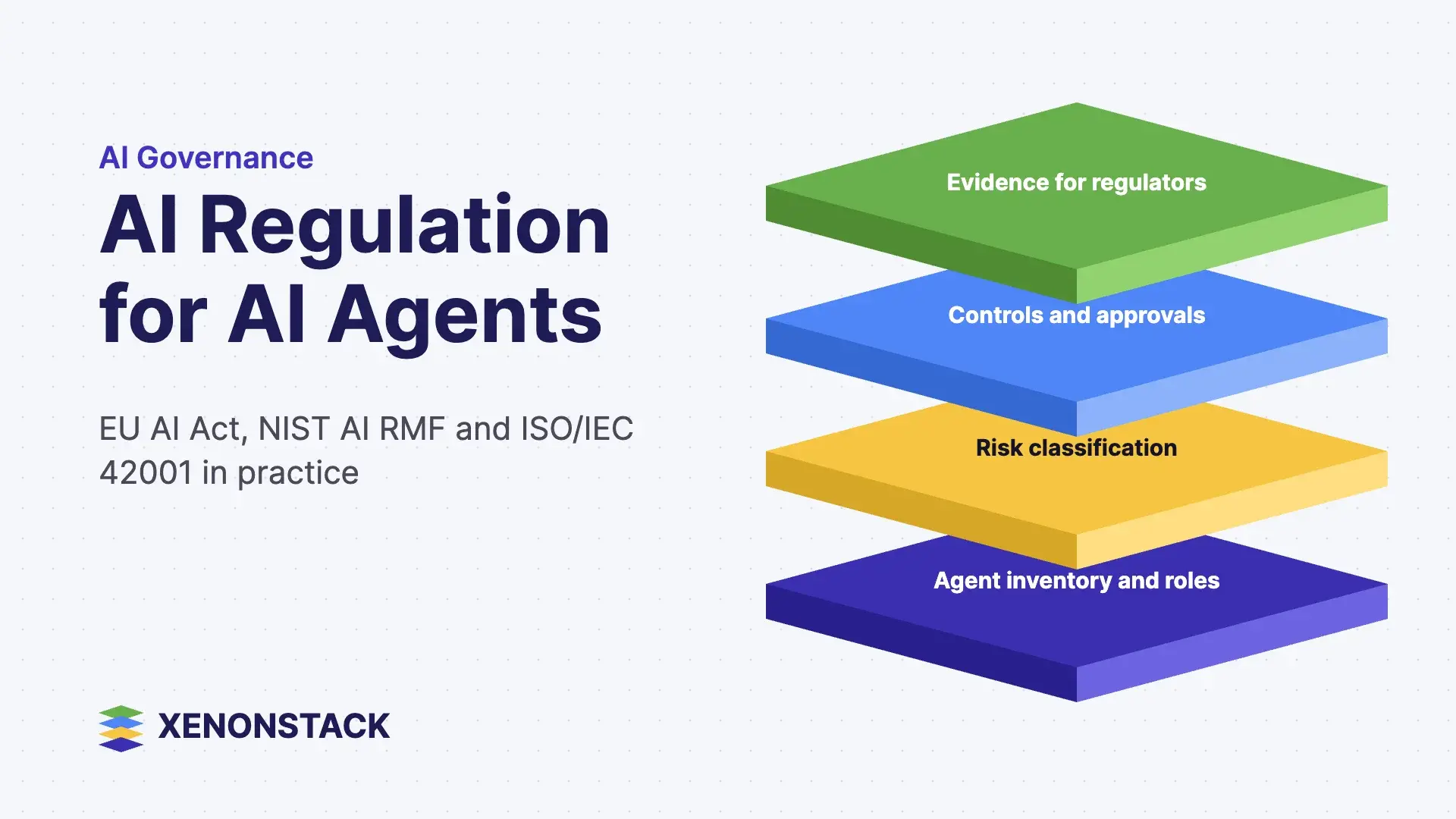
How the EU AI Act, NIST AI RMF, ISO/IEC 42001 and Singapore's agentic AI framework apply to AI agents, with 2026 to 2028 deadlines and controls.
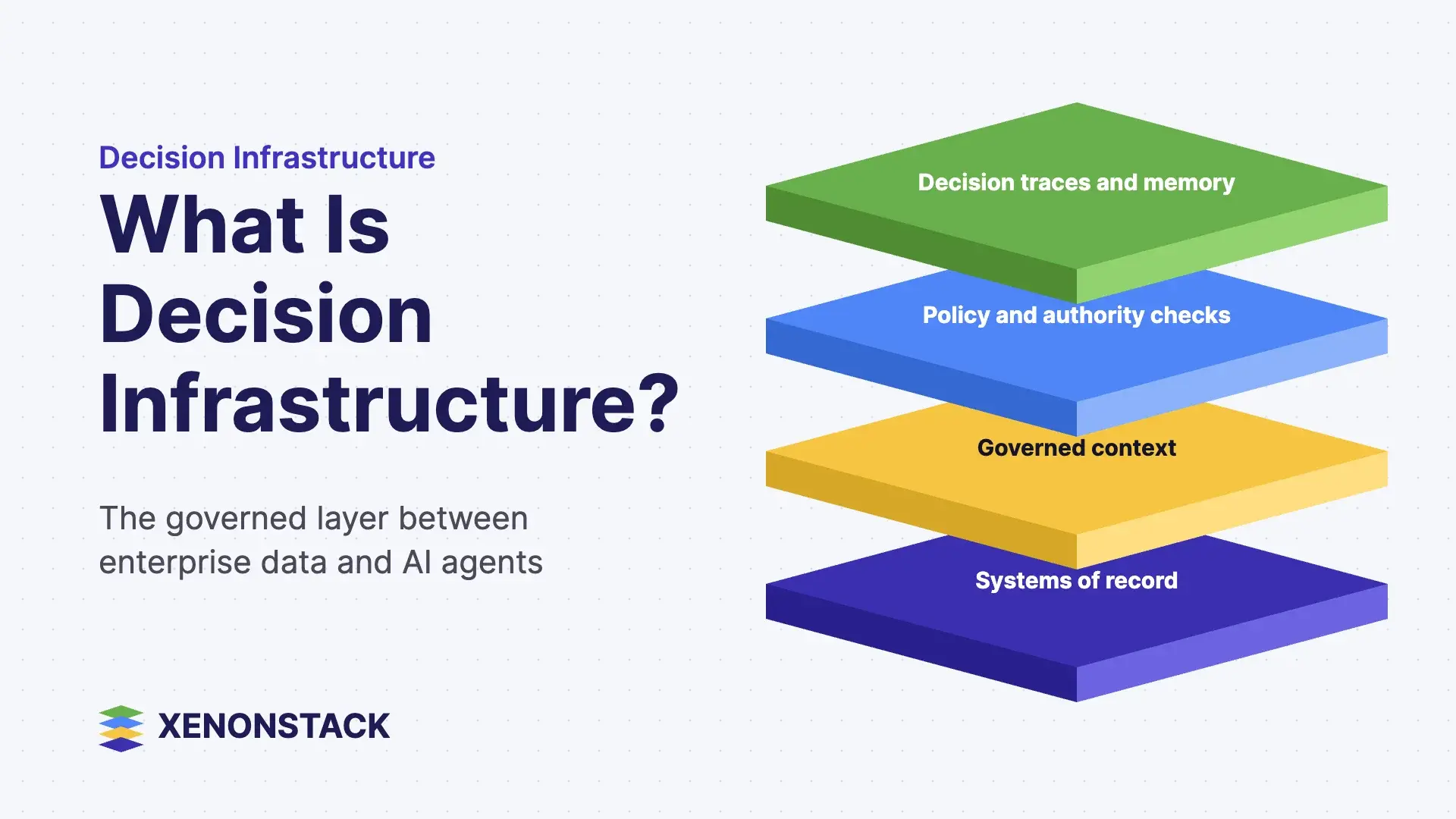
Decision infrastructure governs how AI agents decide: governed context, policy and authority checks, and decision traces. What it is and how to build ...
How generative AI and AIOps cut incident volumes: alert correlation, triage, summaries, runbook automation and post-incident learning, with ...
How LLMs and AI agents help run Kubernetes: troubleshooting, upgrades, cost and security, the open-source tools, the risks and the guardrails to set.
The transformative impact of ai and emergingtechnologies on the world of finance and banking
6 min | Dr. Jagreet Kaur
Comprehensive approach combines cost forecasting, resource optimization, and financial accountability
4 min | Dr. Jagreet Kaur
Unleashing data agents empowers real-time insights, driving smarter decisions and transforming business operations effectively
5 min | Dr. Jagreet Kaur
AI continuously monitors systems for risks before they escalate. It correlates signals across logs, metrics, and traces. This ensures faster detection, fewer incidents, and stronger reliability
 Proactive detection of performance and availability issues
 Root-cause analysis across microservices and environments
 Automated remediation playbooks to reduce MTTR

AI converts camera feeds into instant situational awareness. It detects unusual motion and unsafe behavior in real time. Long hours of video become searchable and summarized instantly
 Real-time detection of suspicious motion or intrusion
 Natural language video search and instant playback
 Smart summaries for audits, investigations, and compliance

Your data stack becomes intelligent and conversational. Agents surface insights, detect anomalies, and explain trends. Move from dashboards to autonomous, always-on analytics
 Connects to warehouses, lakes, and streaming sources
 Question-answering in natural language
 Continuous monitoring for anomalies and KPI deviations

Agents identify recurring failures and performance issues. They trigger workflows that resolve common problems automatically. Your infrastructure evolves into a self-healing environment
 Automated diagnostics for recurring errors
 Playbook execution: restart services, scale pods, clear queues
 Feedback loop for improving remediation strategies

AI continuously checks controls and compliance posture. It detects misconfigurations and risks before they escalate. Evidence collection becomes automatic and audit-ready
 Continuous control checks across infrastructure and SaaS
 Automated evidence collection for audits
 Risk scoring and prioritized remediation recommendations

Financial and procurement workflows become proactive and insight-driven. Agents monitor spend, vendors, and contracts in real time. Approvals and sourcing decisions become faster and smarter
 Real-time visibility into spend and commitments
 Anomaly detection on invoices and vendor performance
 Intelligent workflows for approvals and sourcing decisions


