What are your key focus areas? *
AI Workflow and Operations
Data Management and Operations
AI Governance
Analytics and Insights
Observability
Security Operations
Risk and Compliance
Procurement and Supply Chain
Private Cloud AI
Vision AI

Tell us about you and your priorities so we can prepare the right conversation. It takes about 2 minutes.

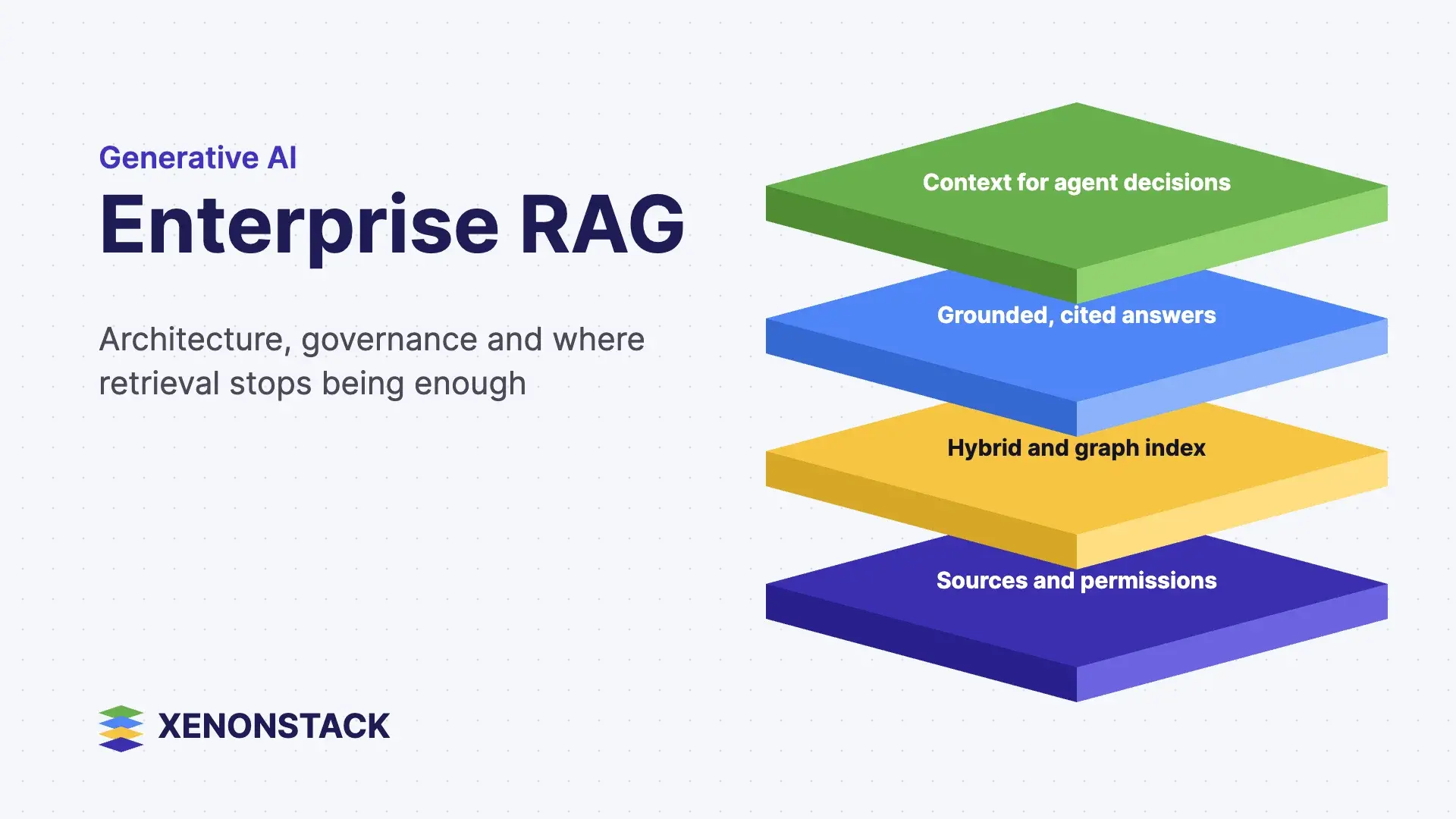
How to build enterprise RAG: architecture, hybrid search, GraphRAG, security, evaluation, and why AI agents need more than retrieval to act safely.
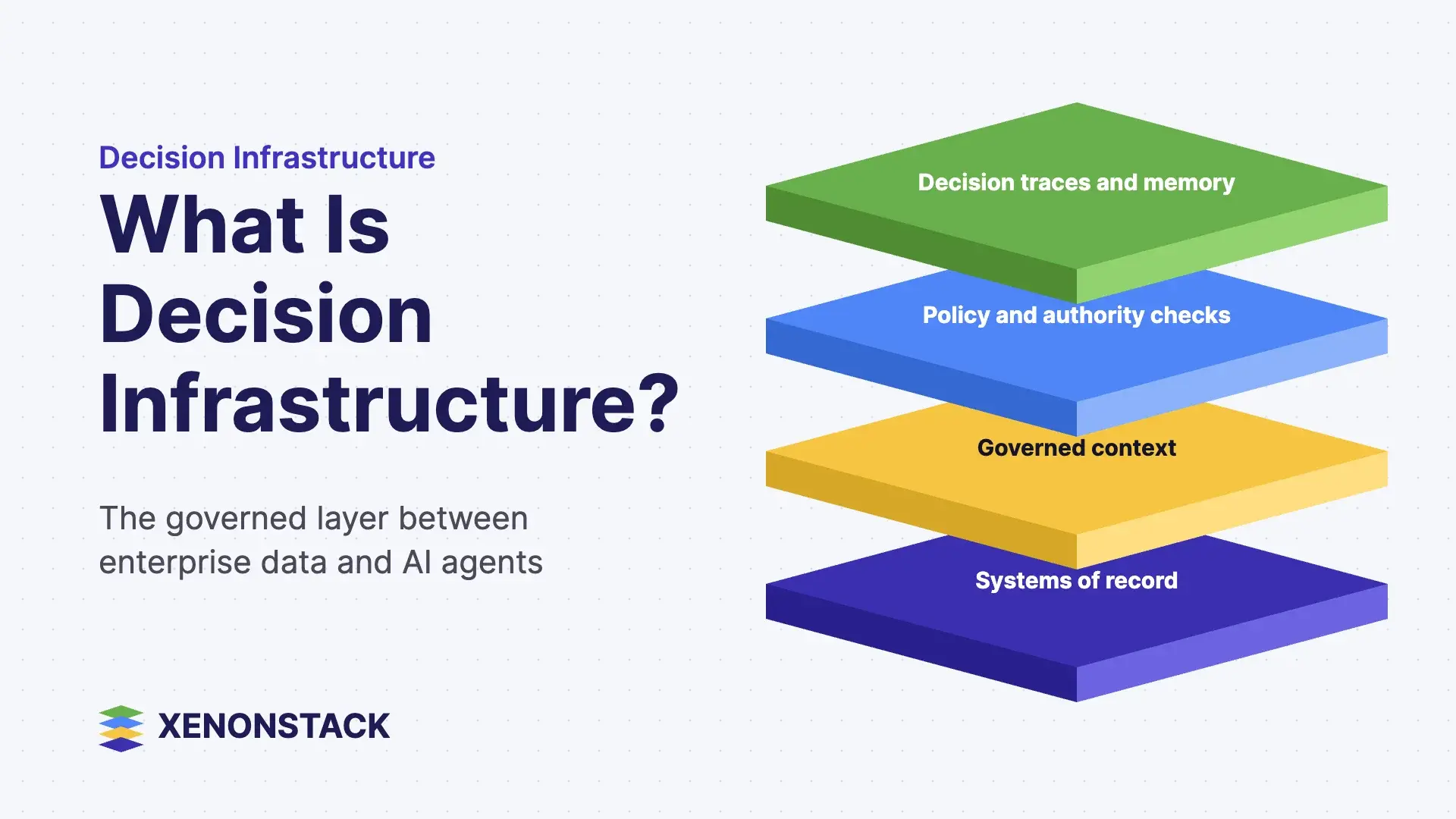
Decision infrastructure governs how AI agents decide: governed context, policy and authority checks, and decision traces. What it is and how to build ...
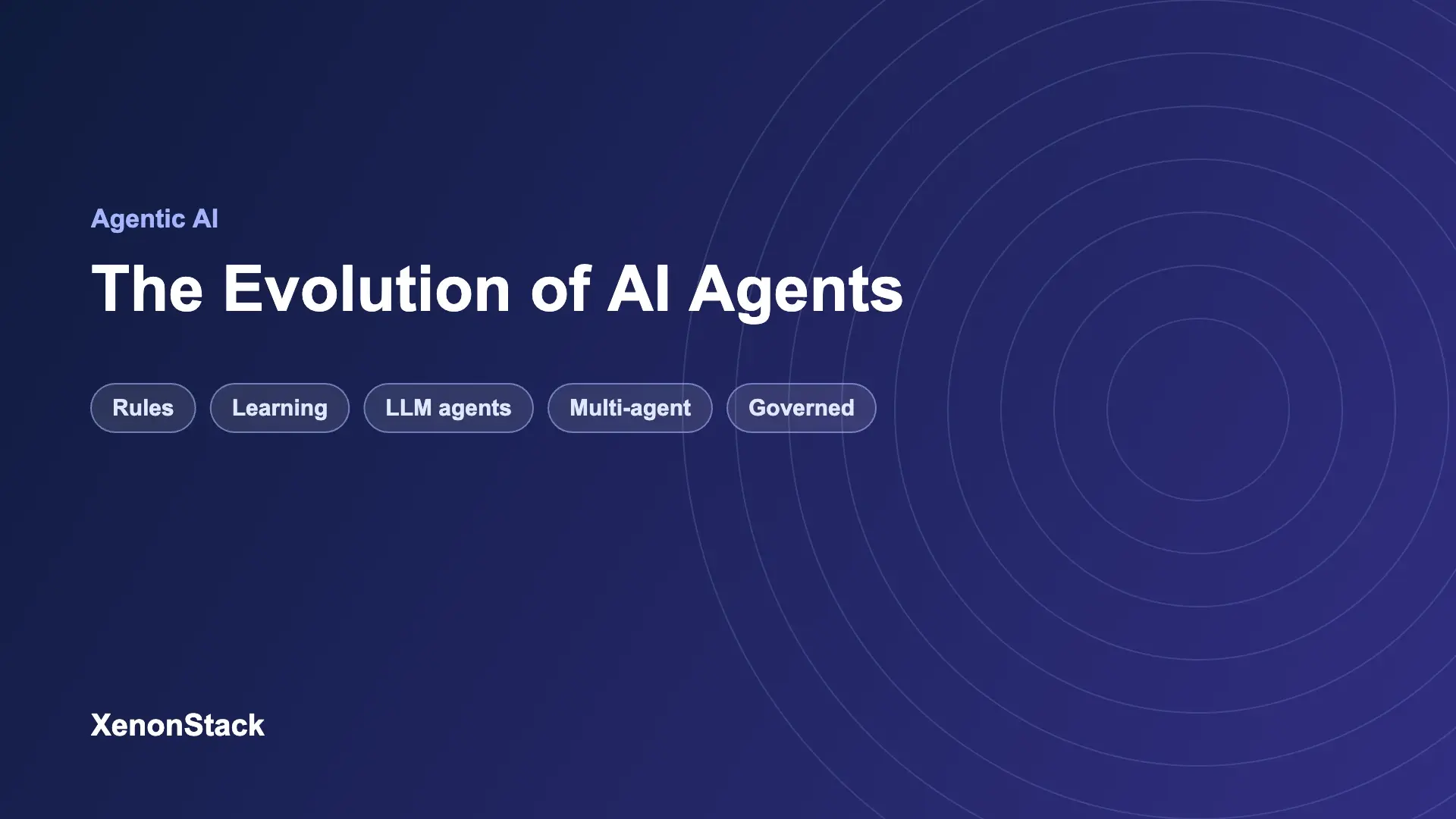
How AI agents evolved from expert systems and reinforcement learning to LLM agents and multi-agent systems, and what comes next for enterprise ...
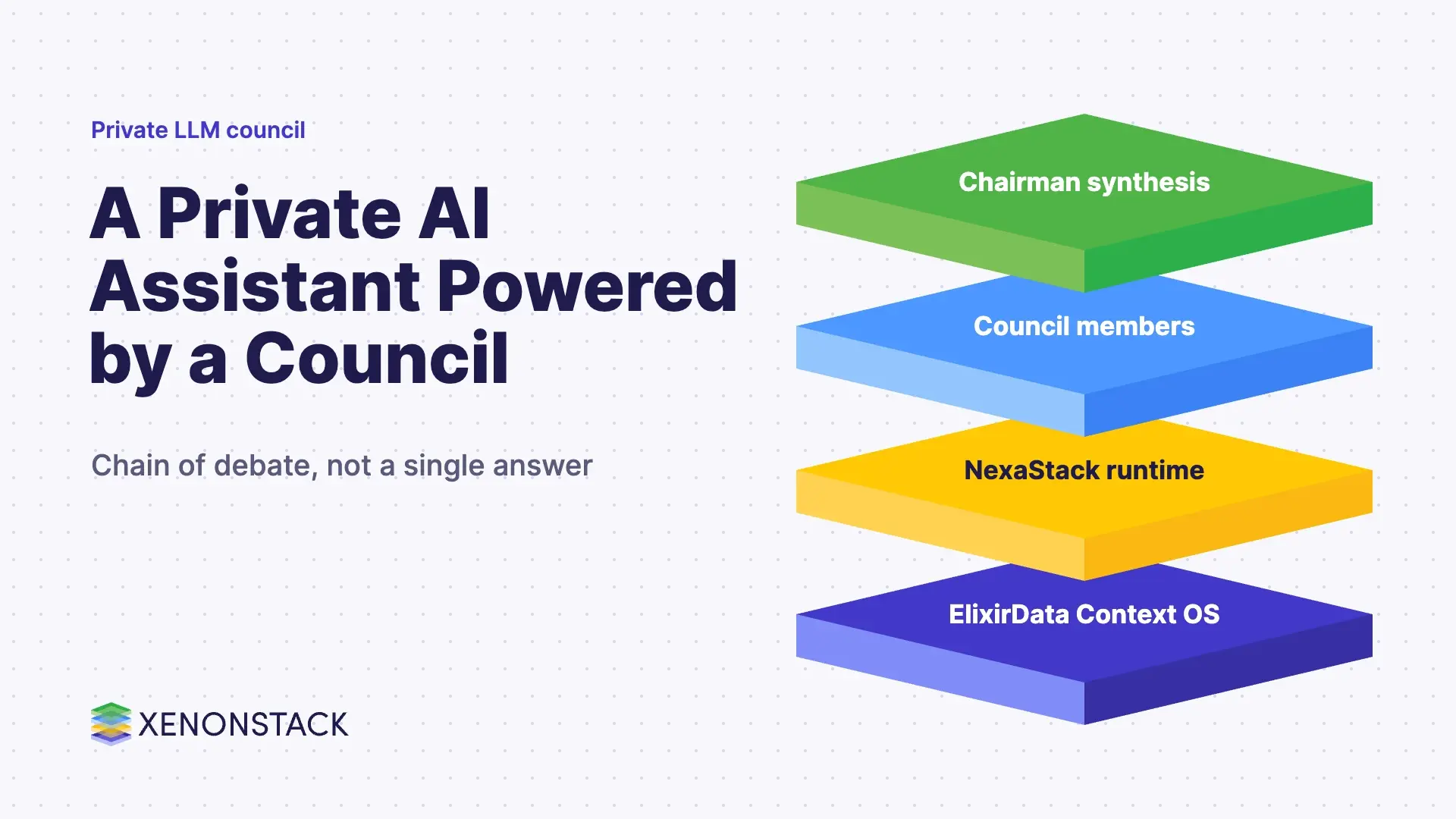
From single-model answers to governed, multi-model decision intelligence: how a private LLM council debates, scores blind and returns options with ...
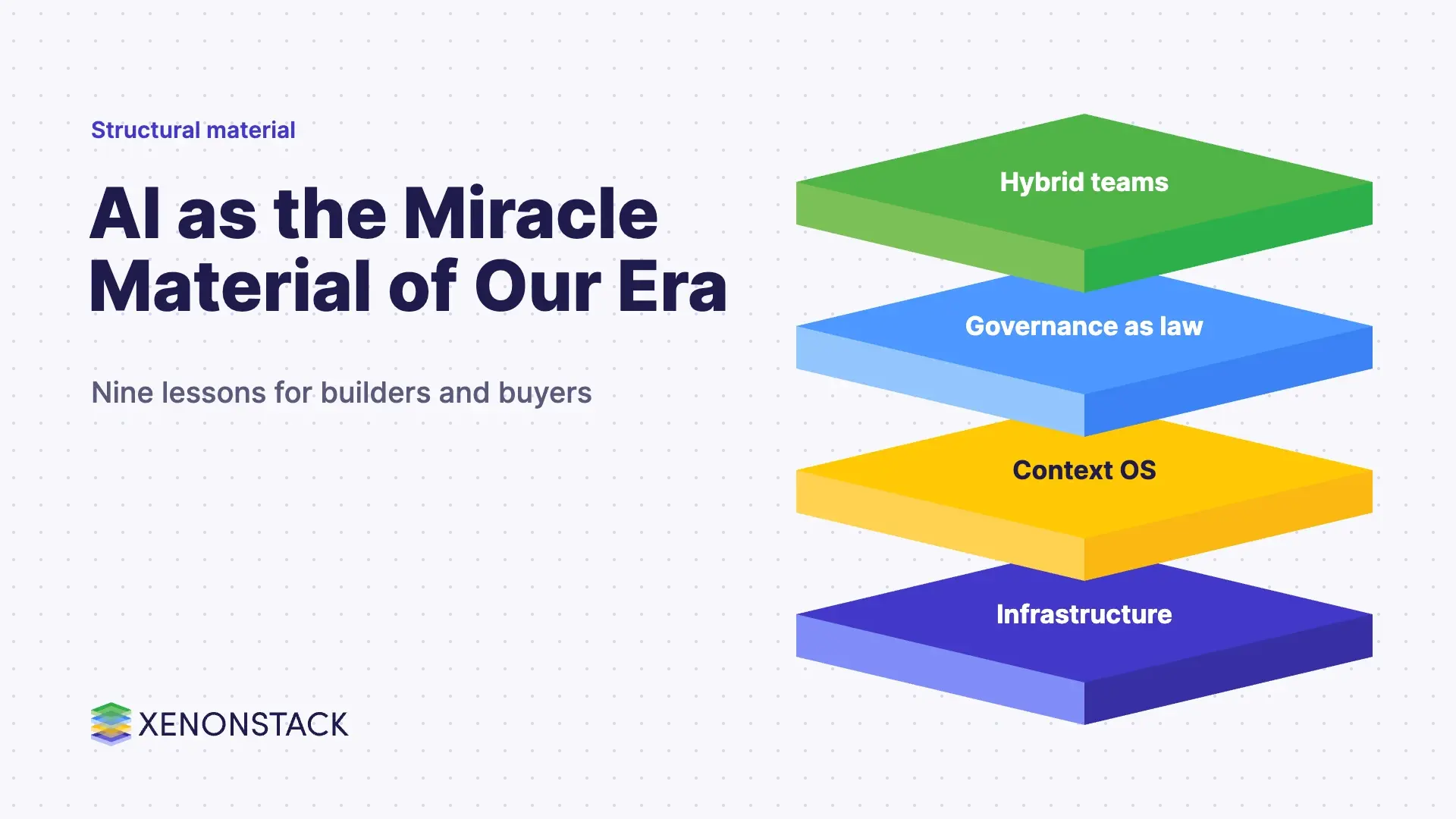
Steel shaped the Gilded Age. AI is the structural material of this one. Nine lessons for builders and buyers on context, coordination and governance.
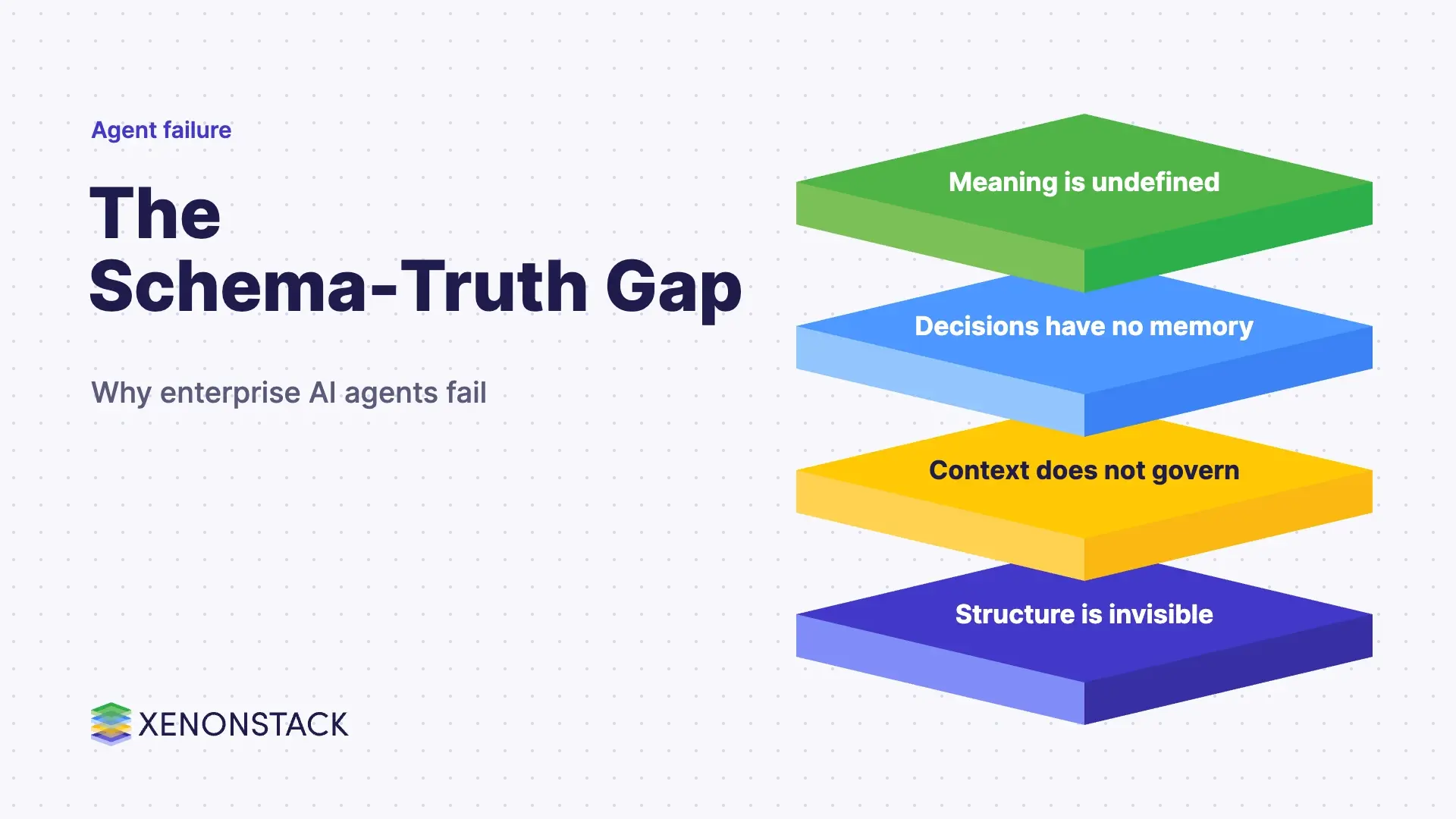
AI agents fail because organisations lack infrastructure for meaning, memory and governed execution. The schema-truth gap and its four root causes.
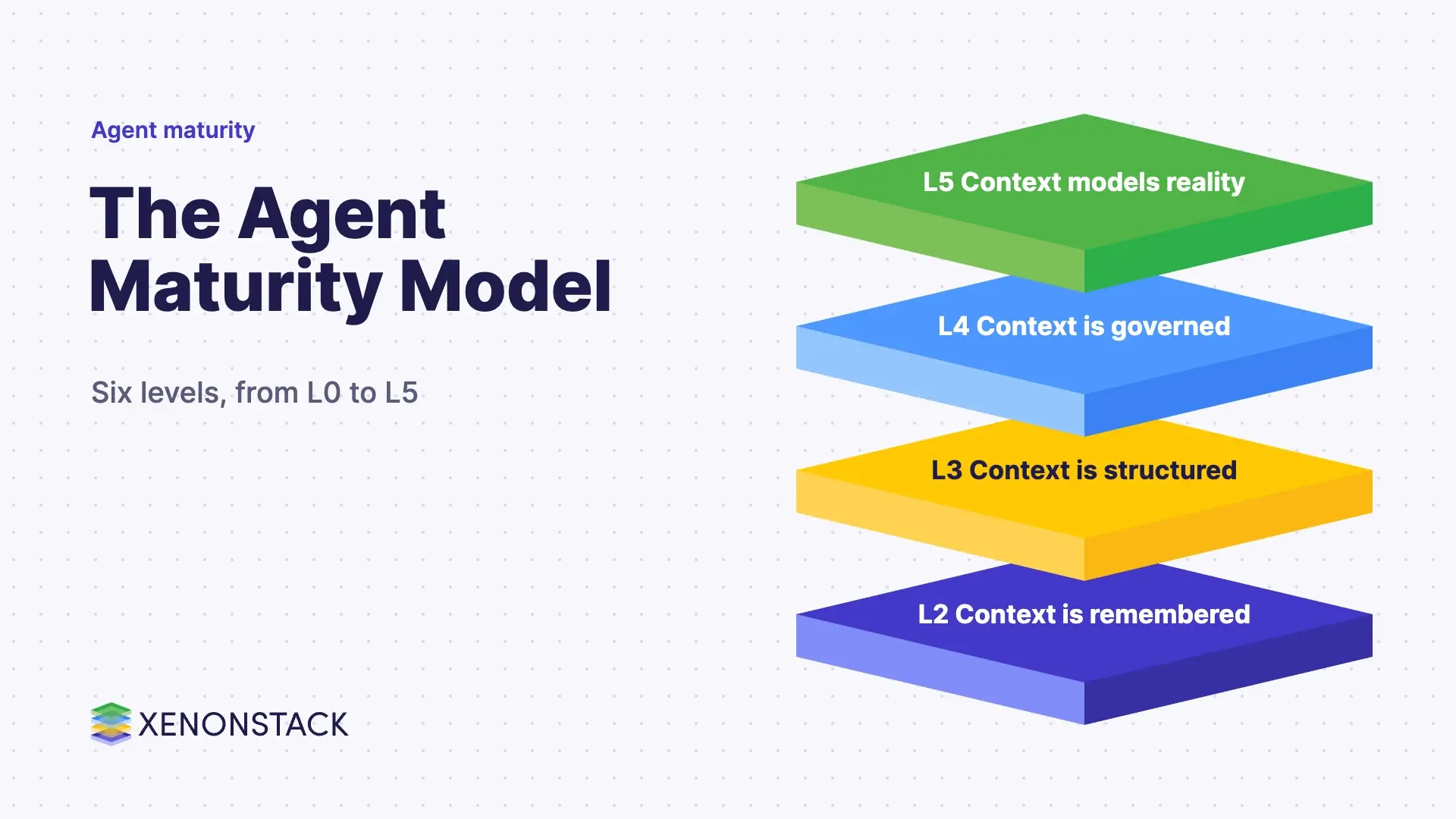
Six levels of AI agent maturity, from prompted AI to world-model-driven systems, and why most organisations are stuck at L2 without knowing it.
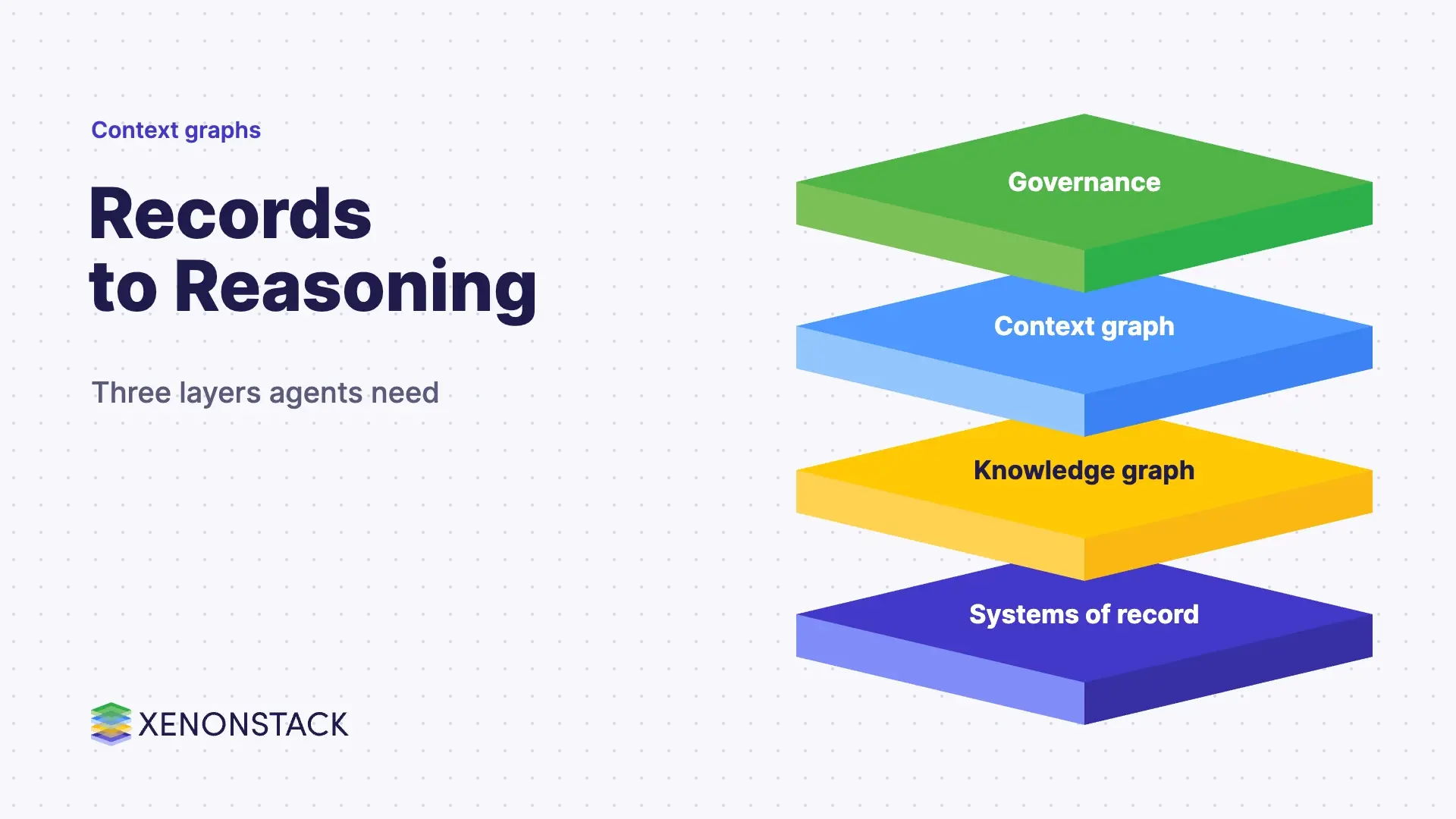
Knowledge graphs record what exists. Context graphs record why decisions were made. Governance sets what is allowed. Why AI agents need all three ...
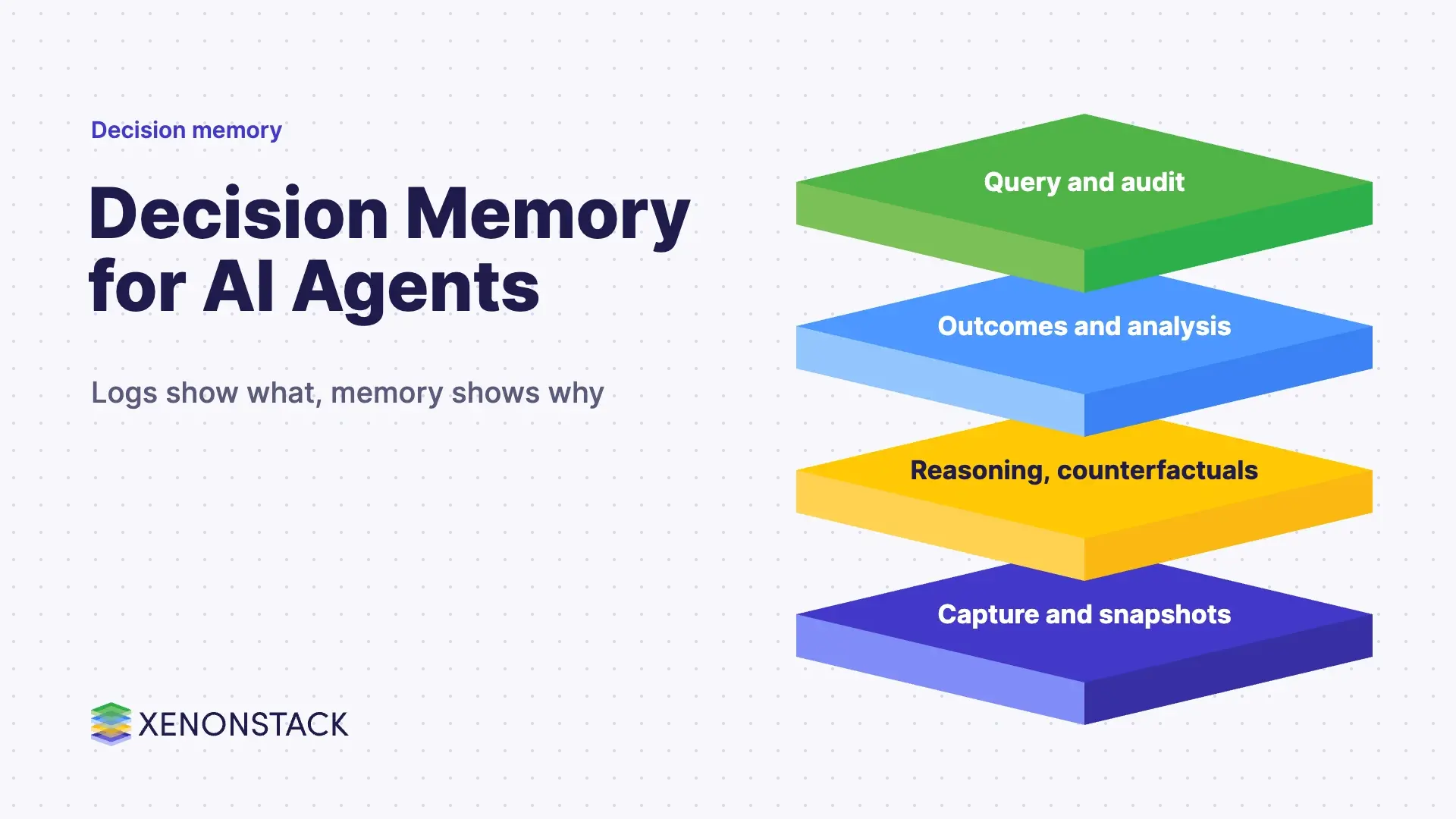
Logs show what an AI agent did. Decision memory shows why it was allowed. Five accountability levels, six layers and the five-minute audit test.
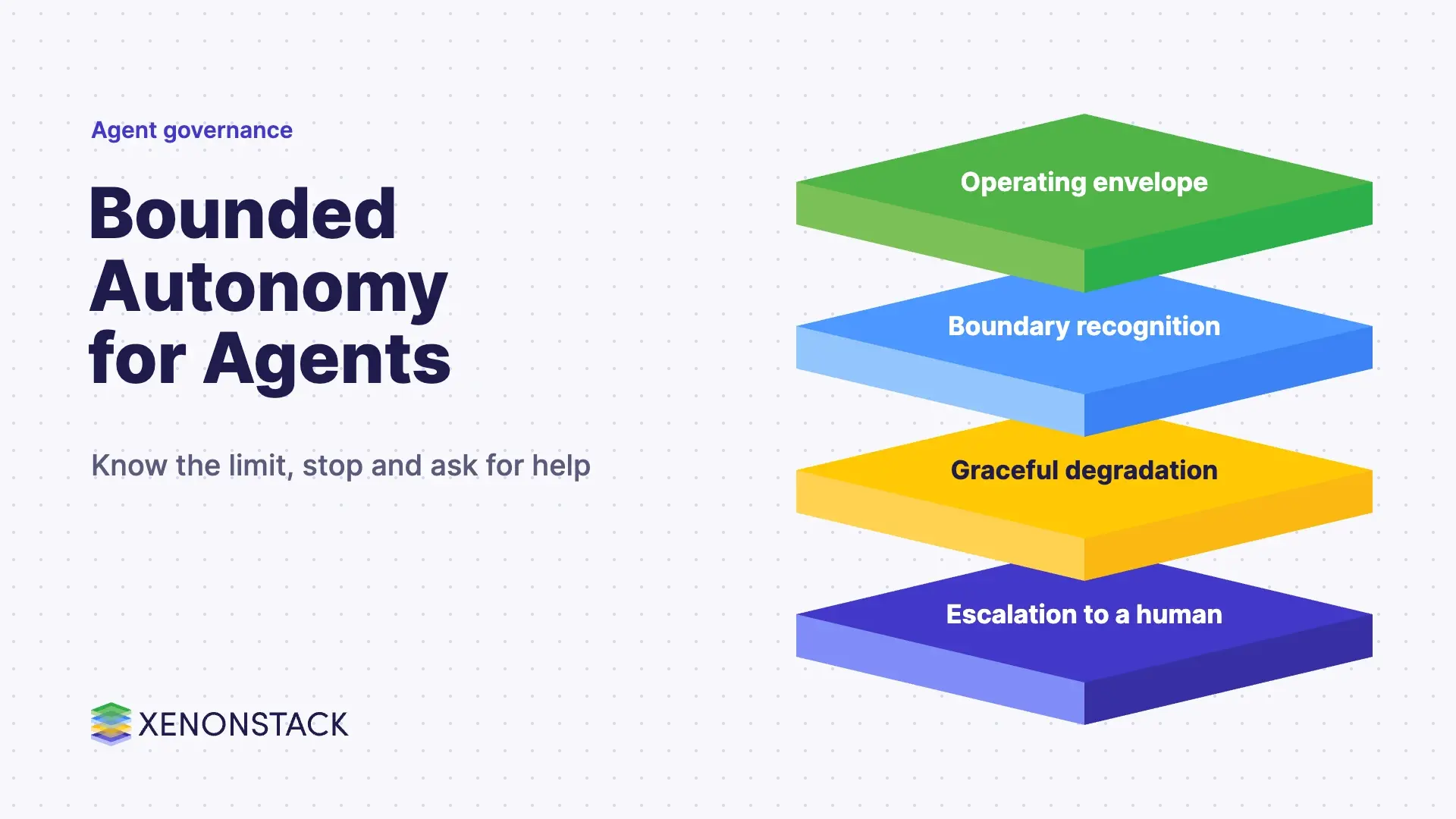
Most agentic failures come from unbounded authority, not lack of intelligence. Five boundary types, calibrated confidence, escalation and operating ...
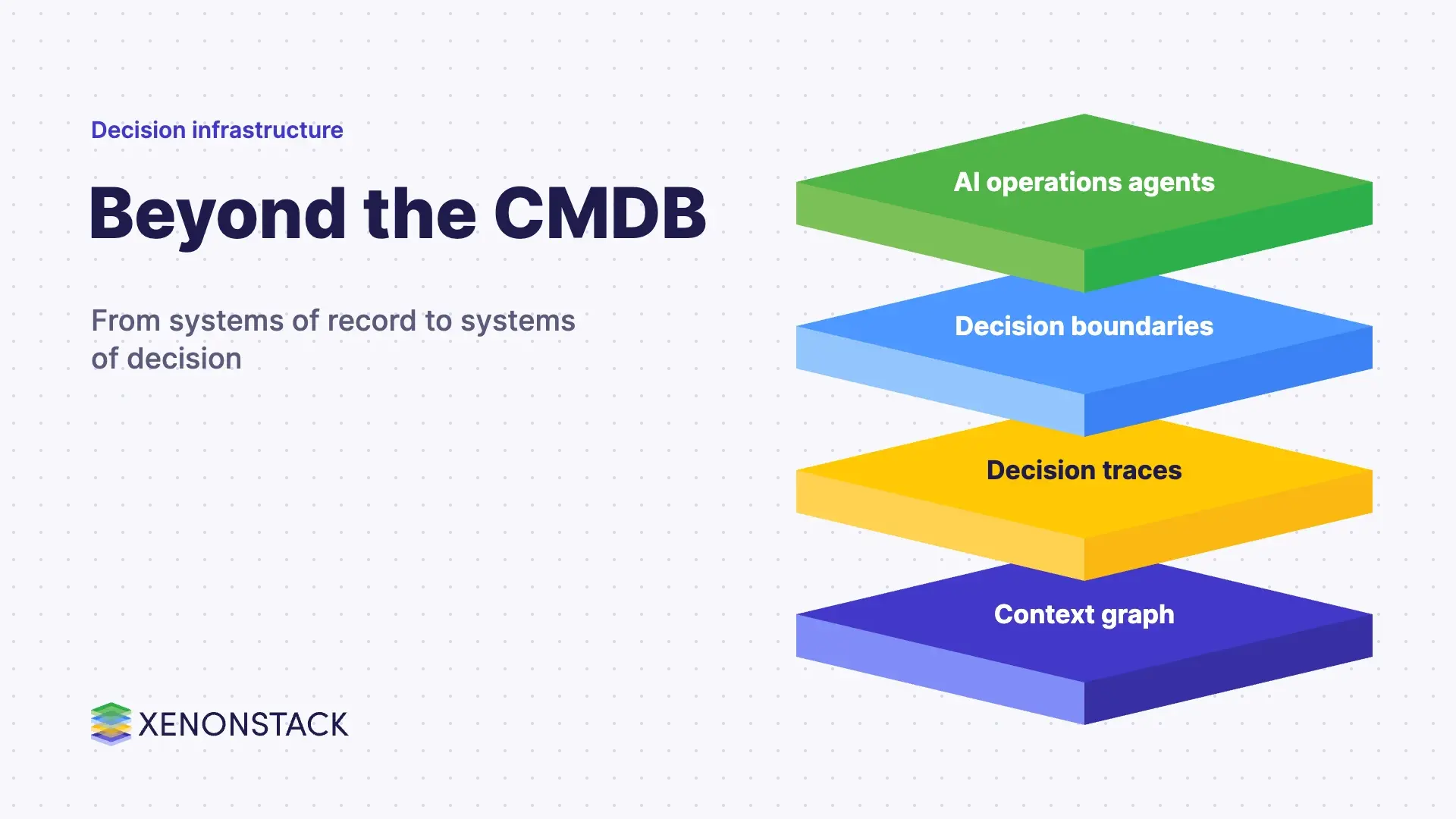
Outages and breaches come from expired decisions nobody revoked. How context graphs, decision traces and decision boundaries extend the CMDB for the ...
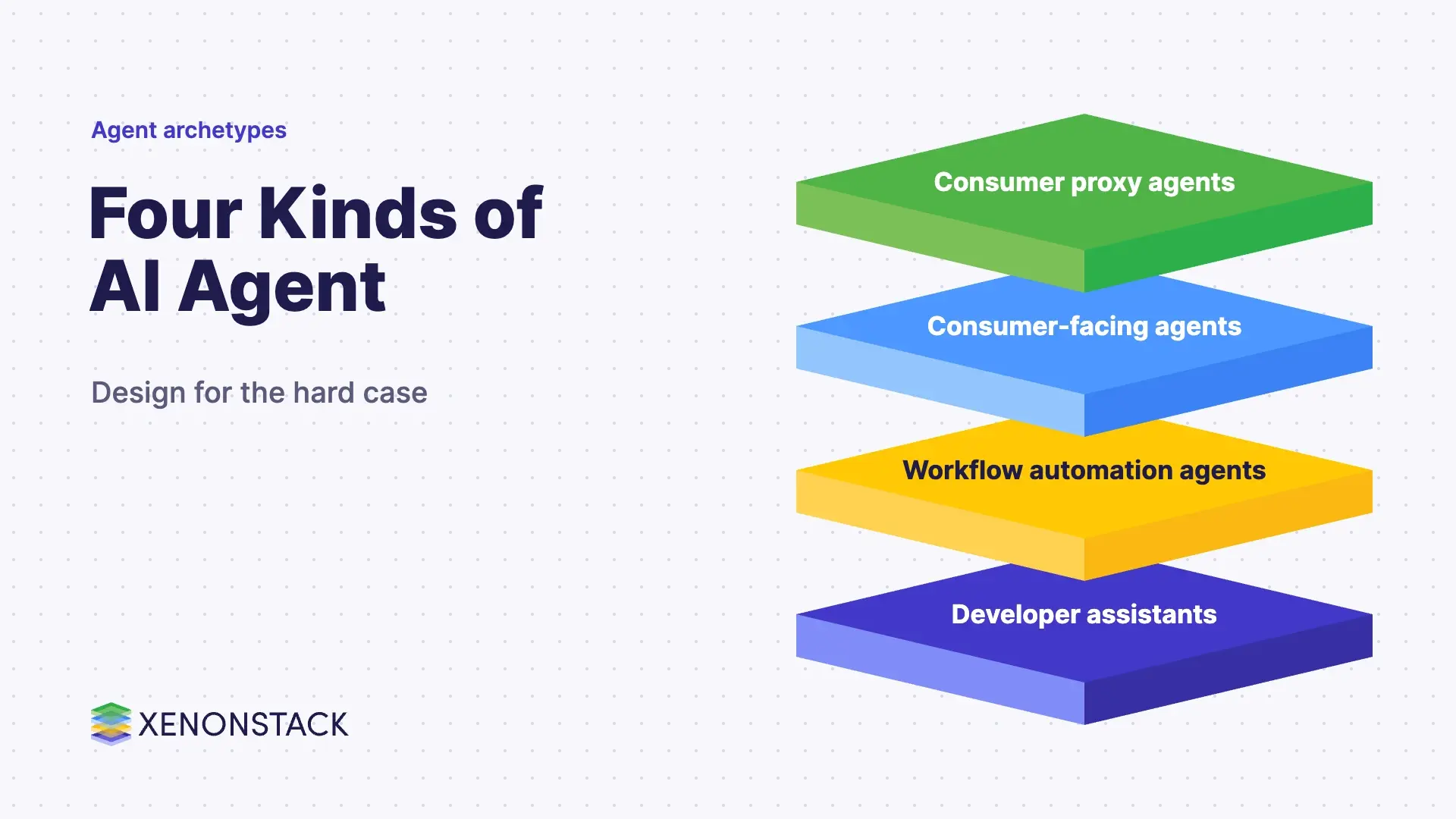
"Agent" is four different environments: developer assistants, workflow agents, consumer-facing agents and consumer proxy agents. Design for the ...
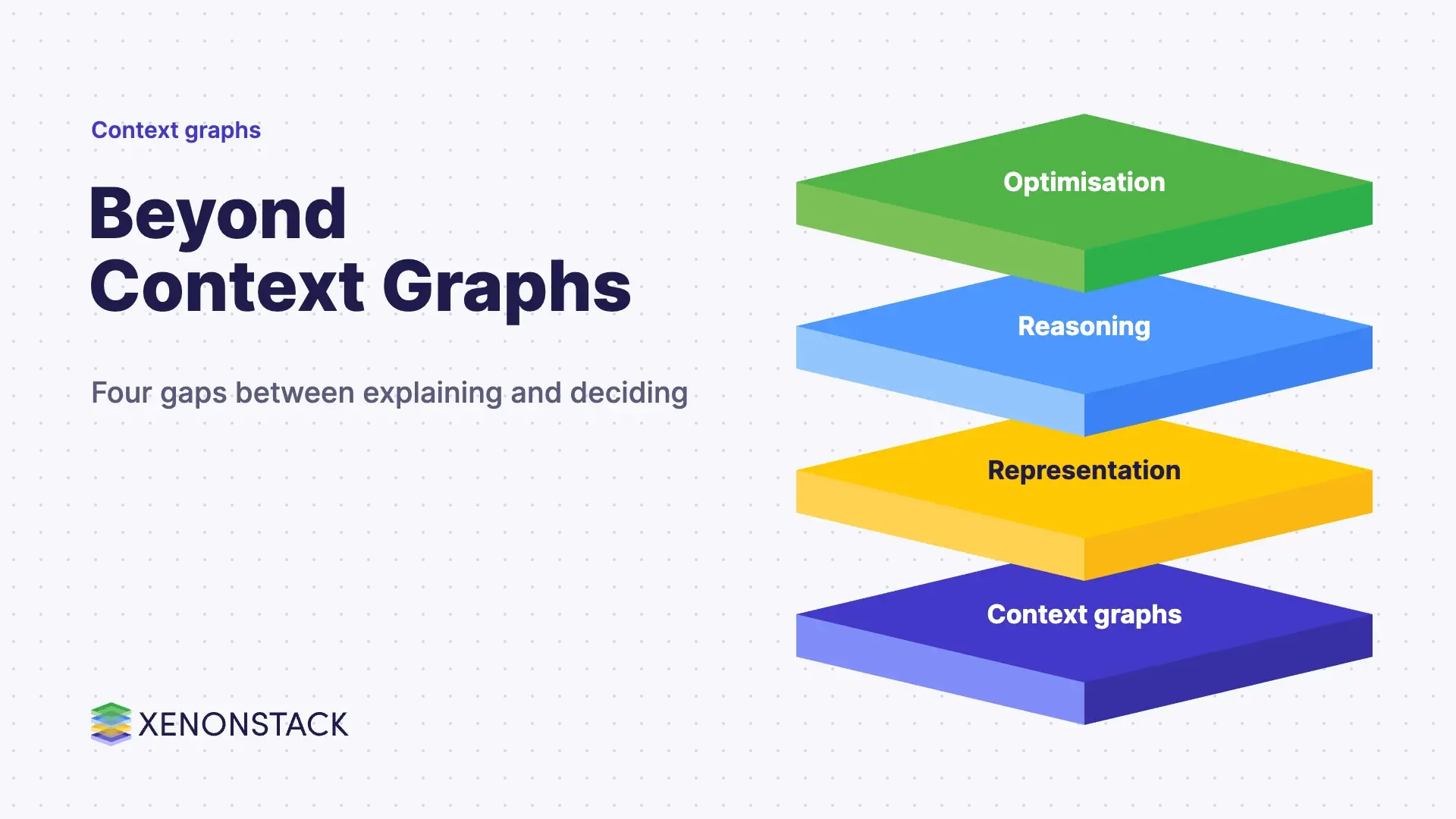
Context graphs are necessary but insufficient. The representation, technology, operationalisation and evolution gaps that separate explaining from ...
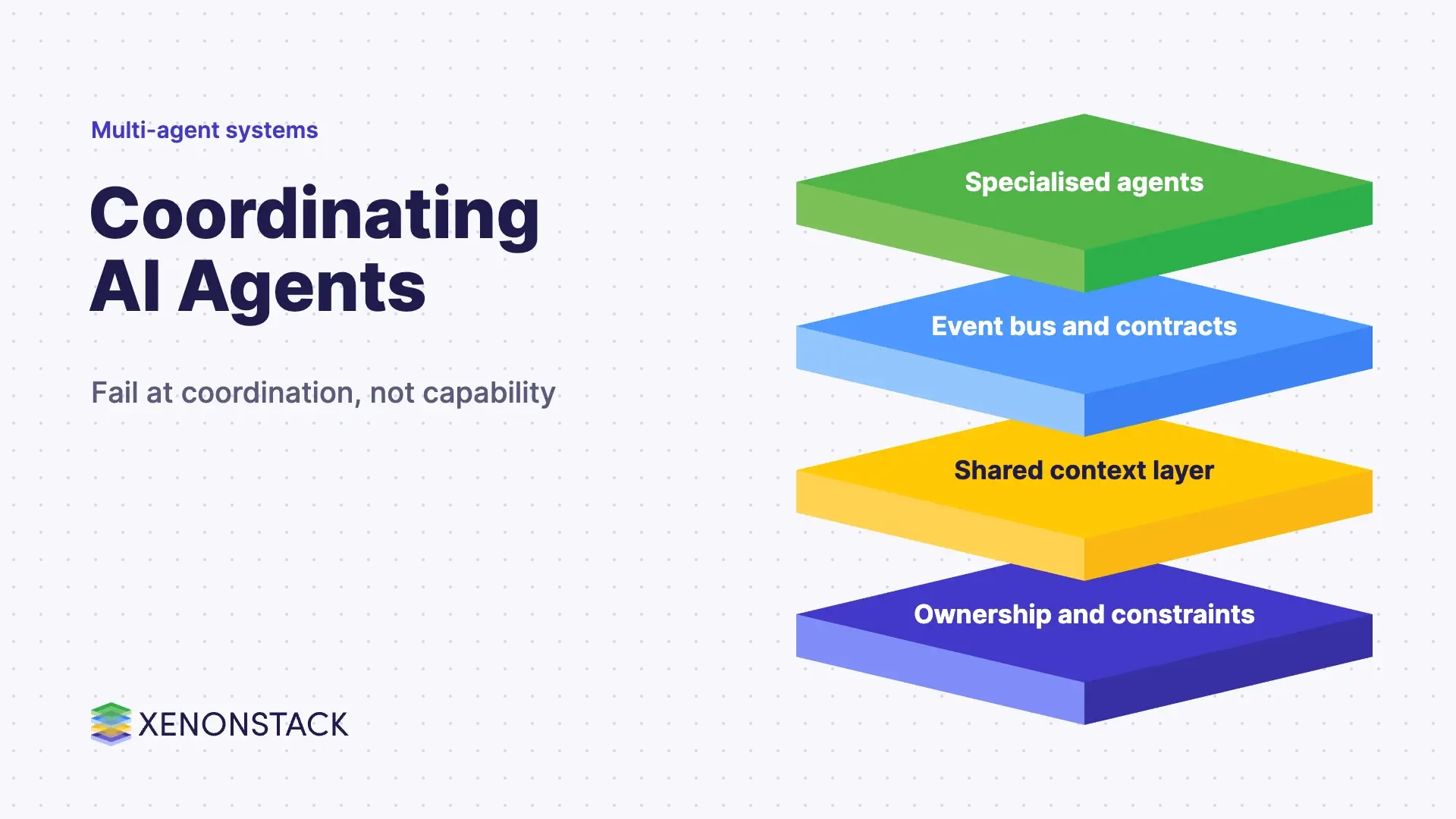
Multi-agent systems fail at coordination, not capability. Three coordination failures, eight patterns that work and a five-step design method for ...
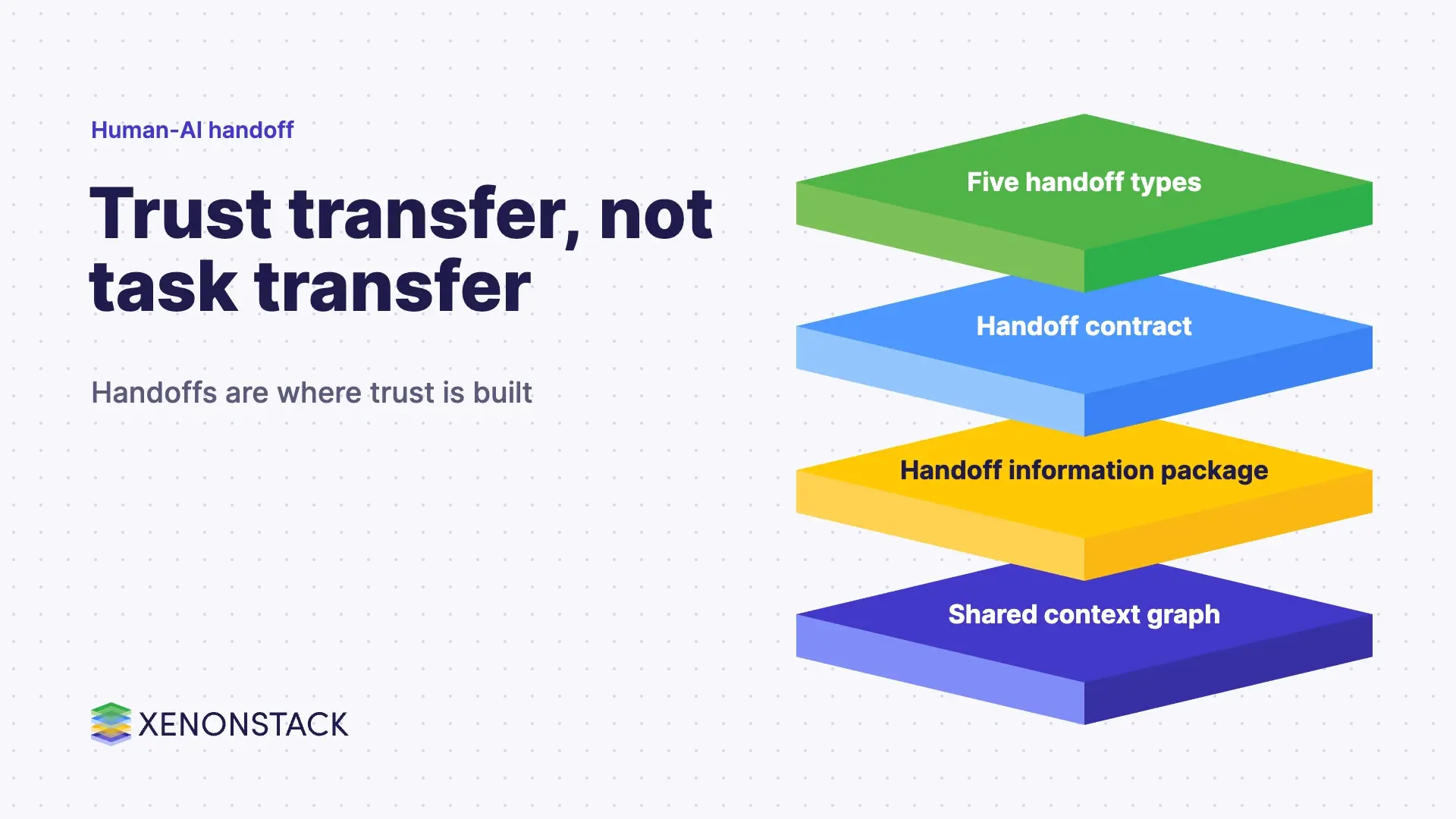
Customers judge an AI system by its handoffs. The trust equation, five handoff types, the information package and a handoff contract to define before ...
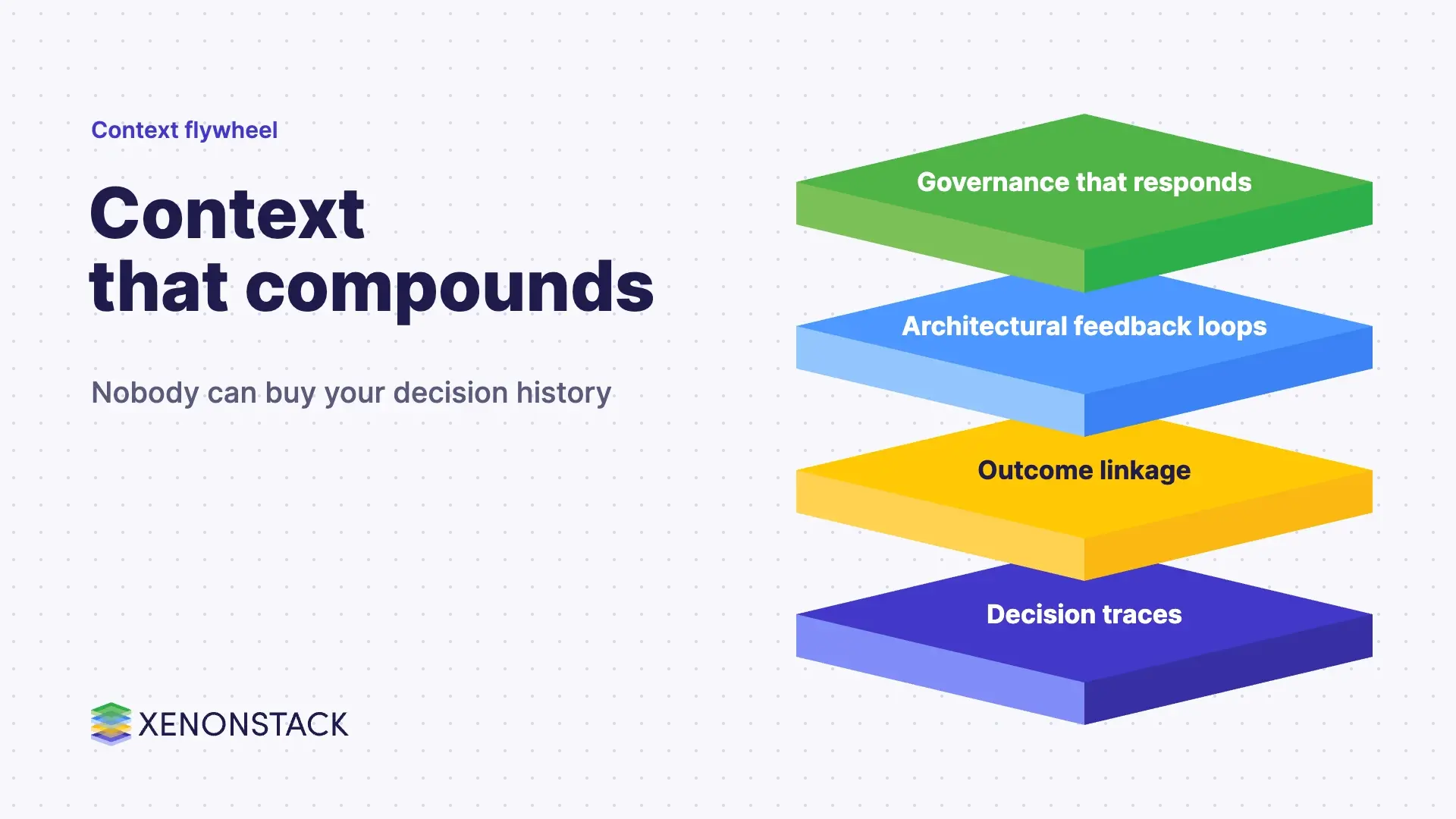
Anyone can buy your model; nobody can buy your decision history. The three stages of the context flywheel, why most stall, and five metrics to track ...
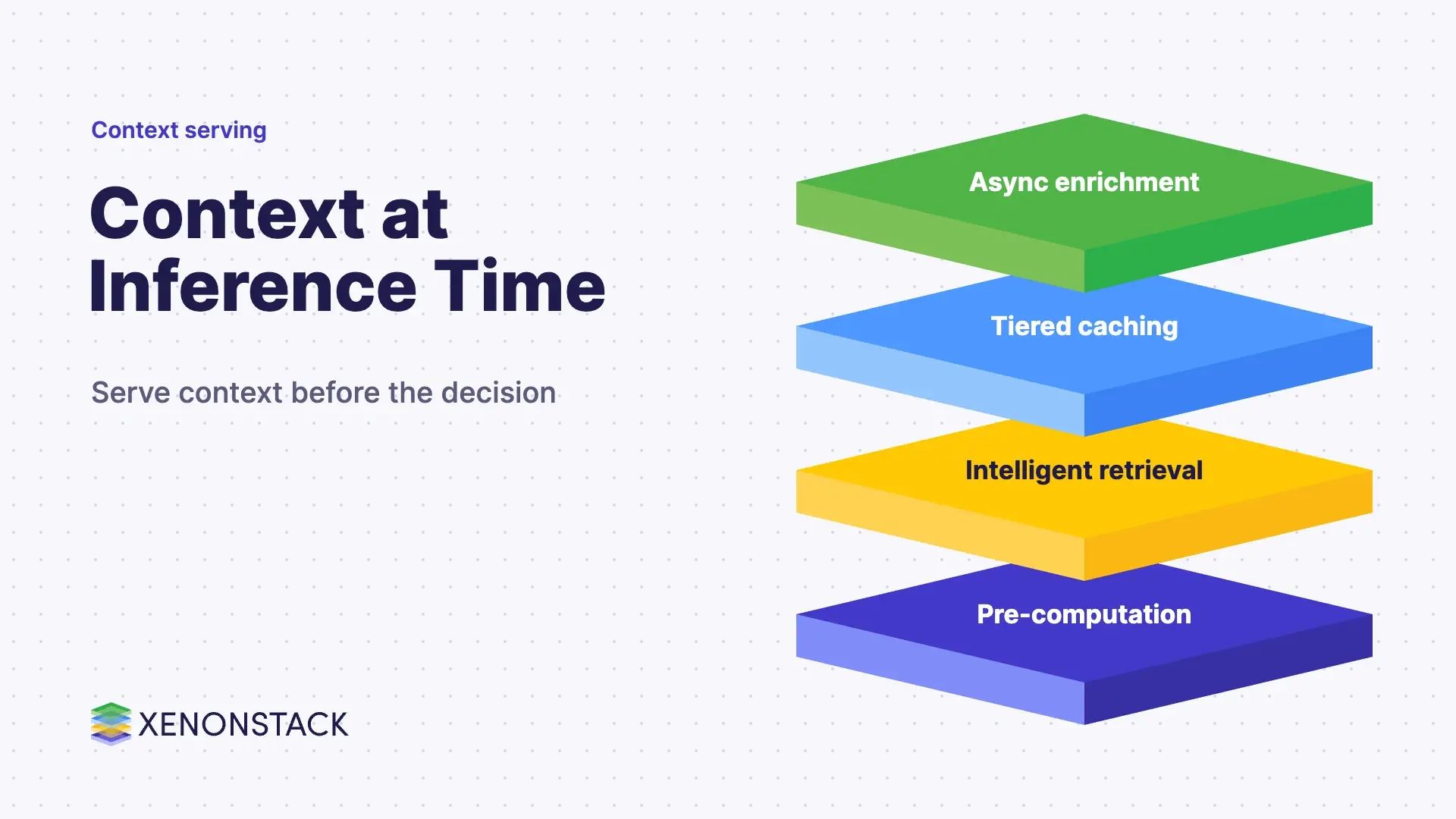
Context that arrives after the decision is a post-mortem. Three latency traps, a four-layer context serving architecture and a 500 ms budget for AI ...
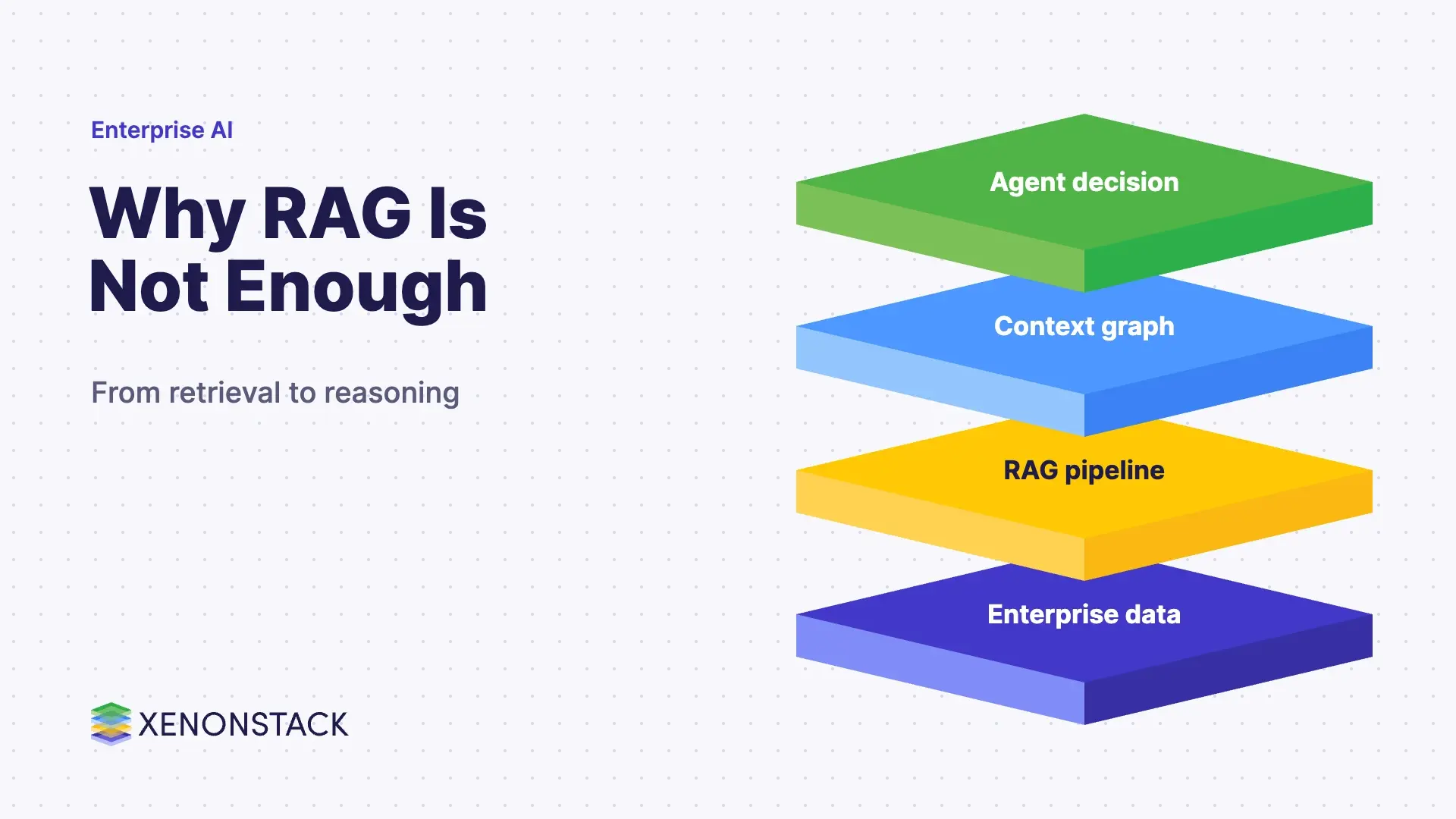
RAG grounds answers but does not reason about entities, constraints or time. Seven ways it breaks, where it belongs in the stack and a four-step ...
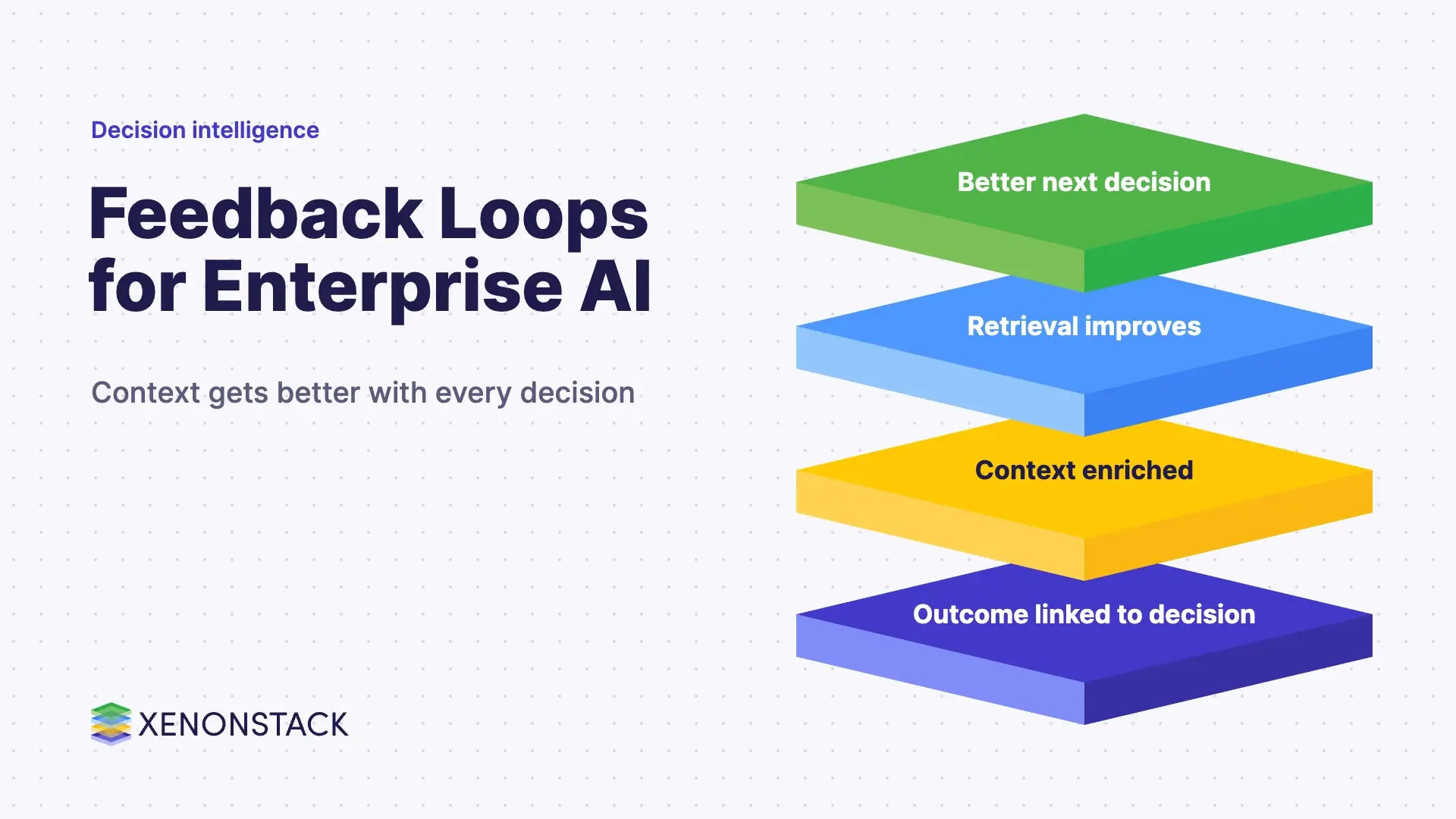
Most enterprise AI is open-loop: outcomes are logged, never linked back. The four feedback loops, six failure modes and the closure-rate metric that ...
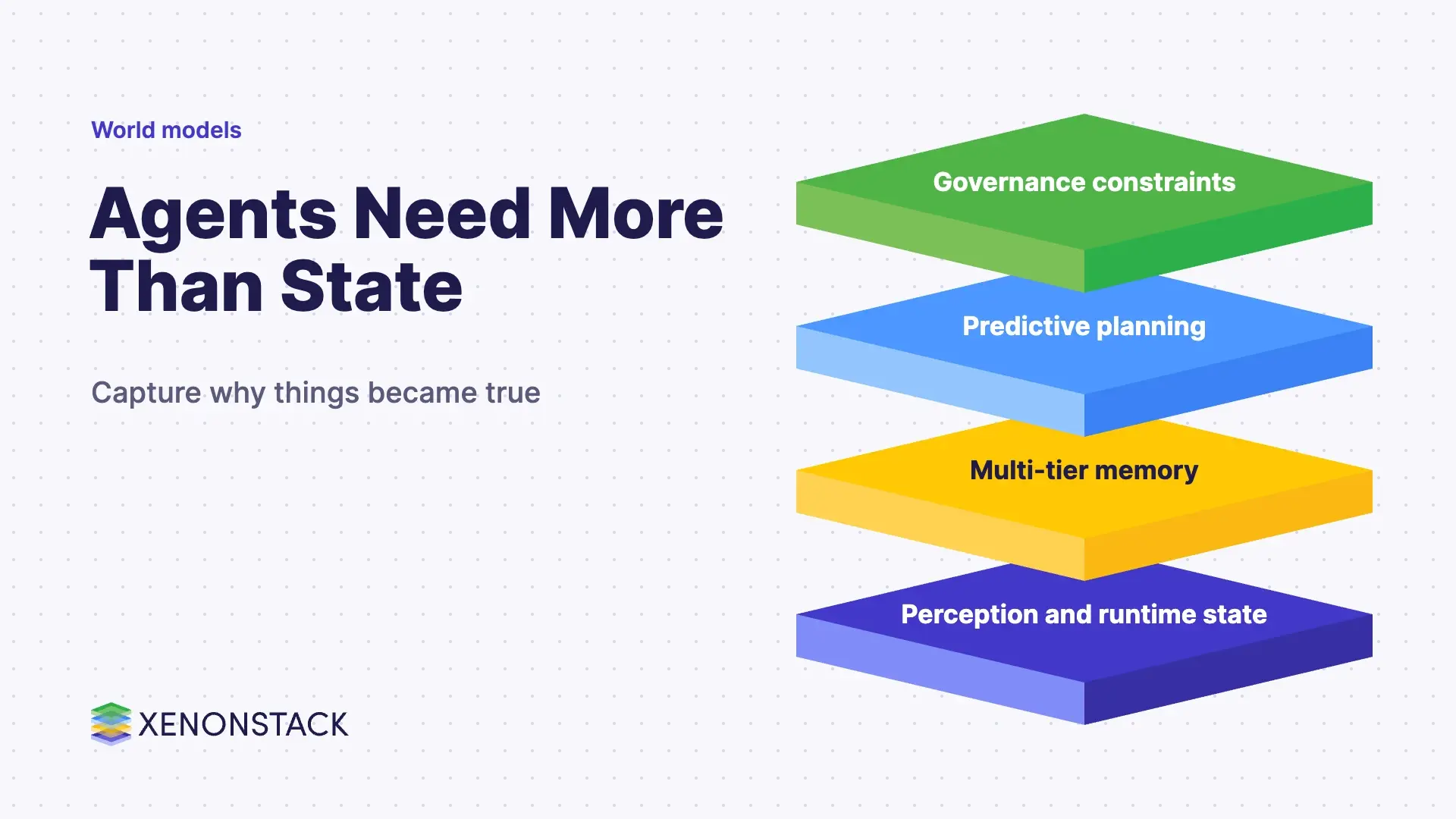
AI agents fail in production because enterprises store state, not decisions. The five primitives of a production world model and a five-step path to ...
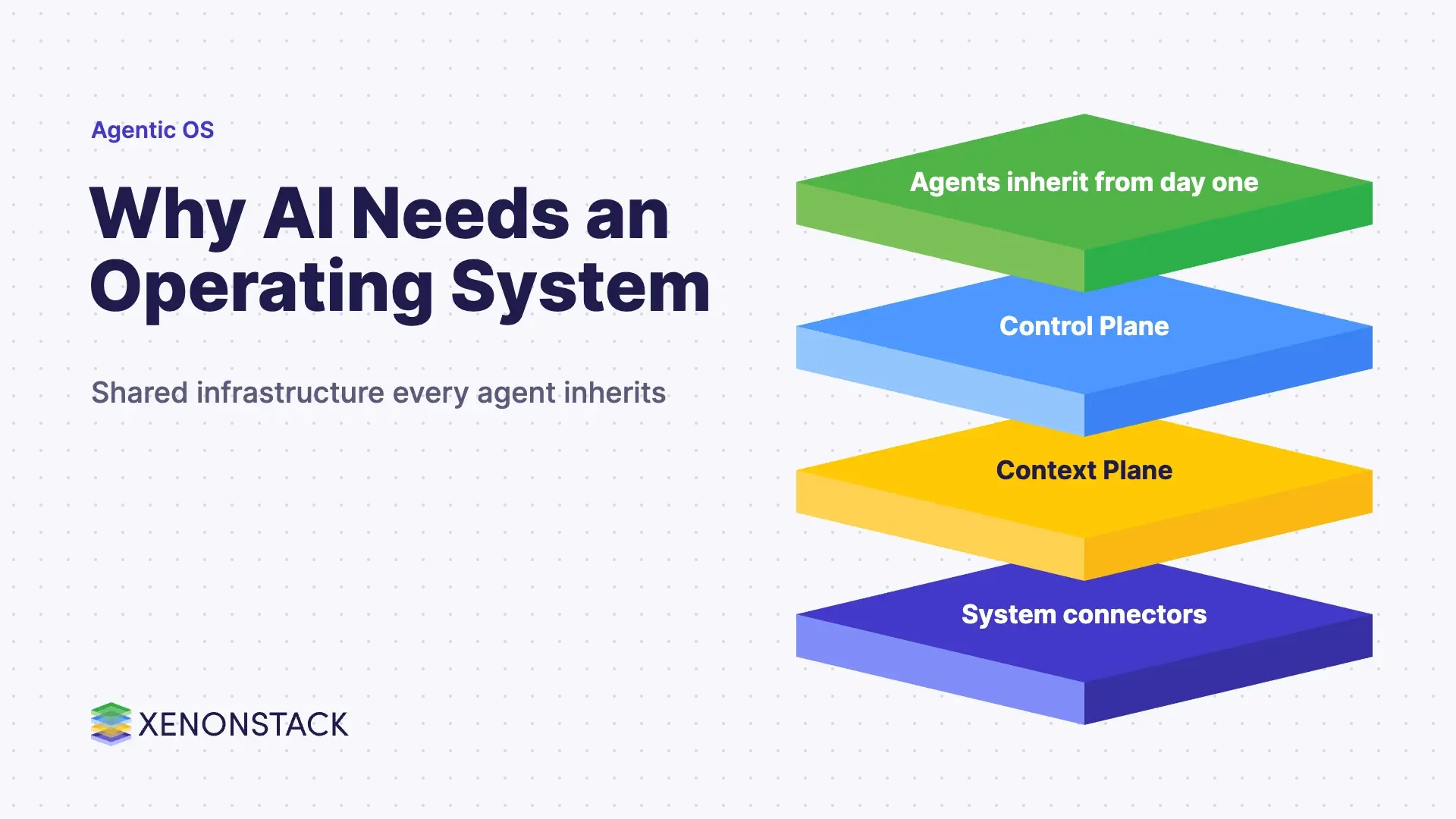
Every team rebuilds the same AI agent infrastructure, incompatibly. The five capabilities, two planes and build-versus-inherit case for an Agentic OS.
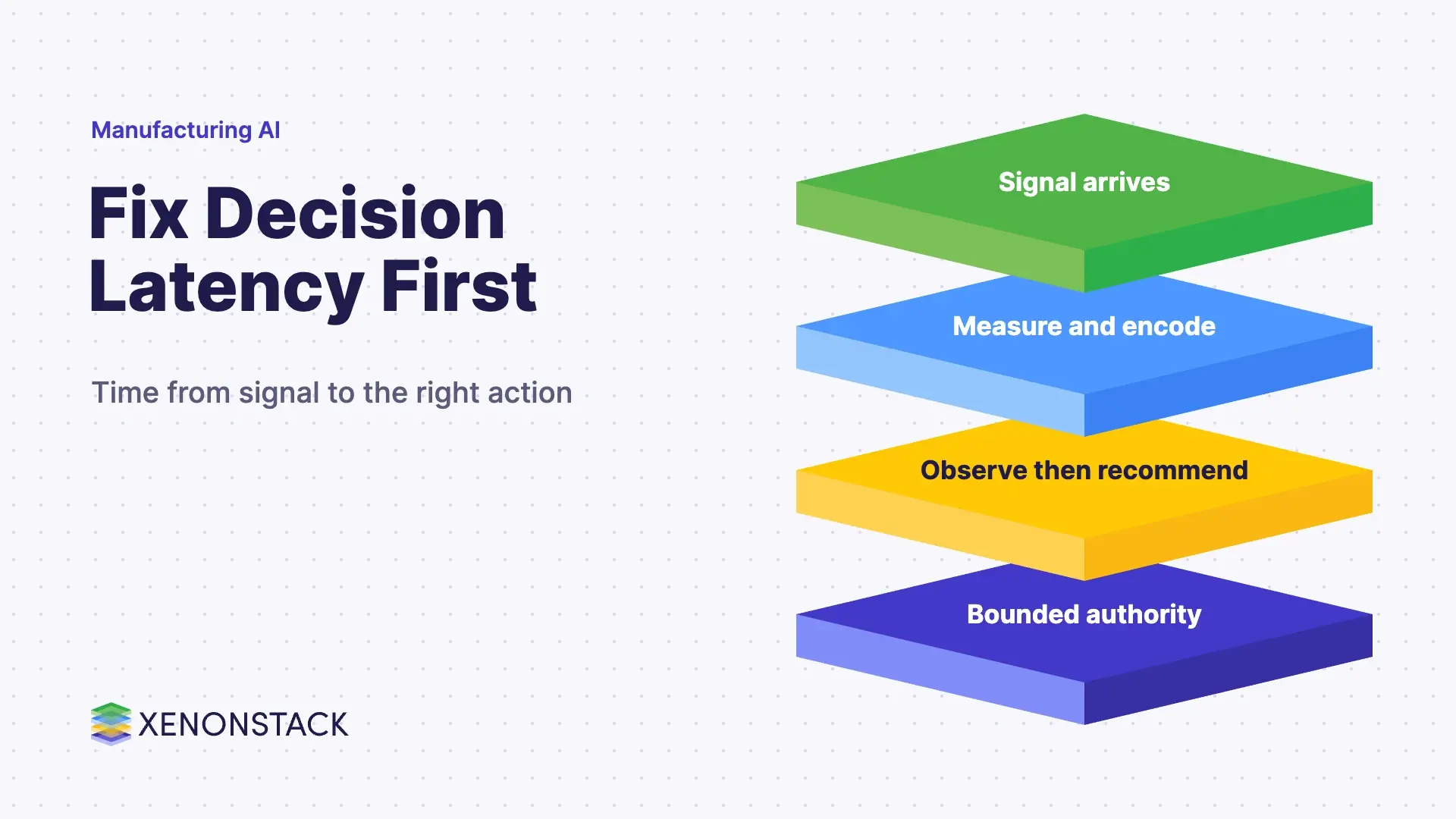
A plant's real constraint is the time between a signal and the right action. What to measure, who owns it, and a five-step plan to cut decision ...
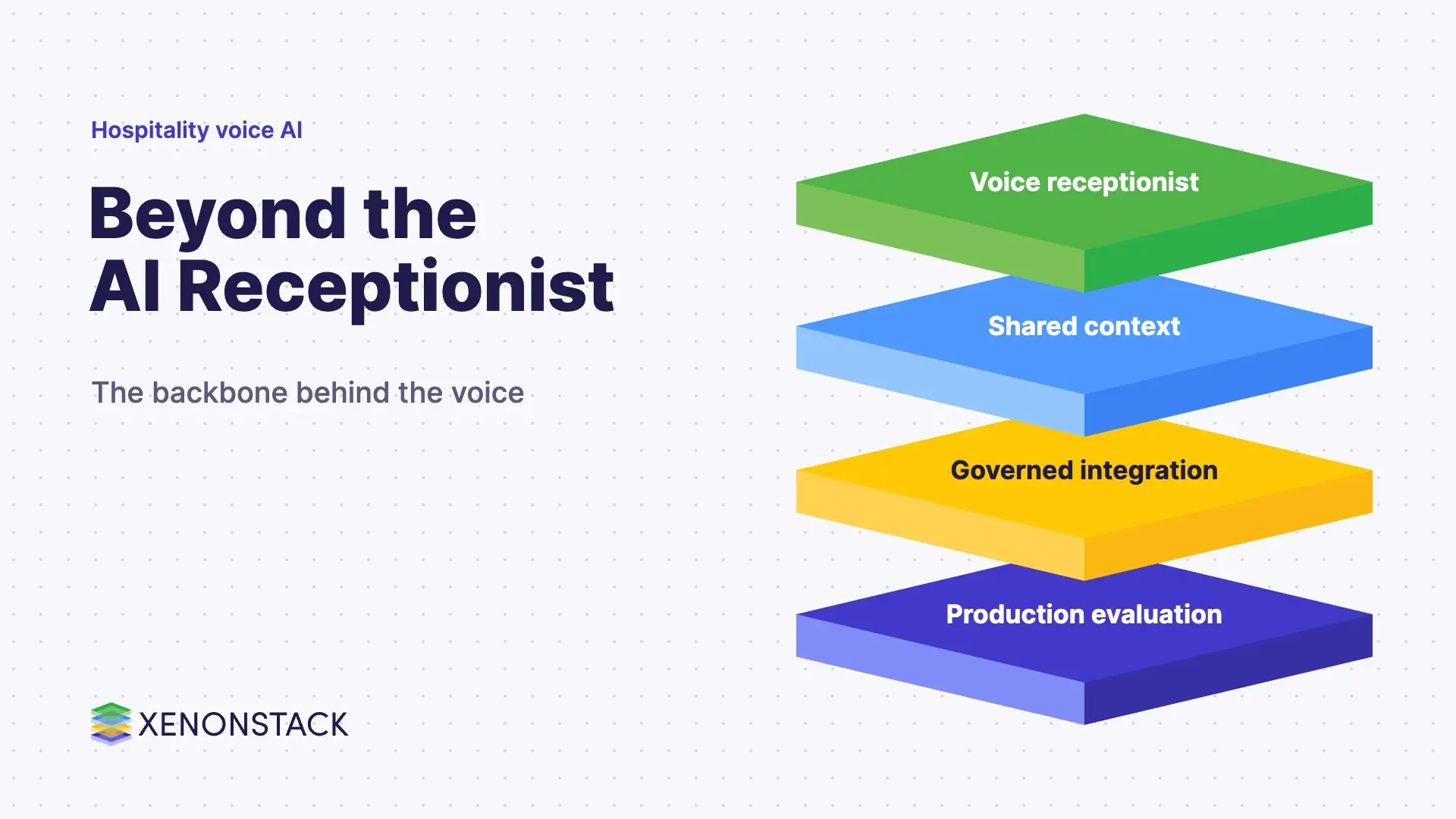
Hotel AI receptionists recover missed calls. The harder step is acting correctly in the PMS, CRS and loyalty systems. What the backbone behind the ...
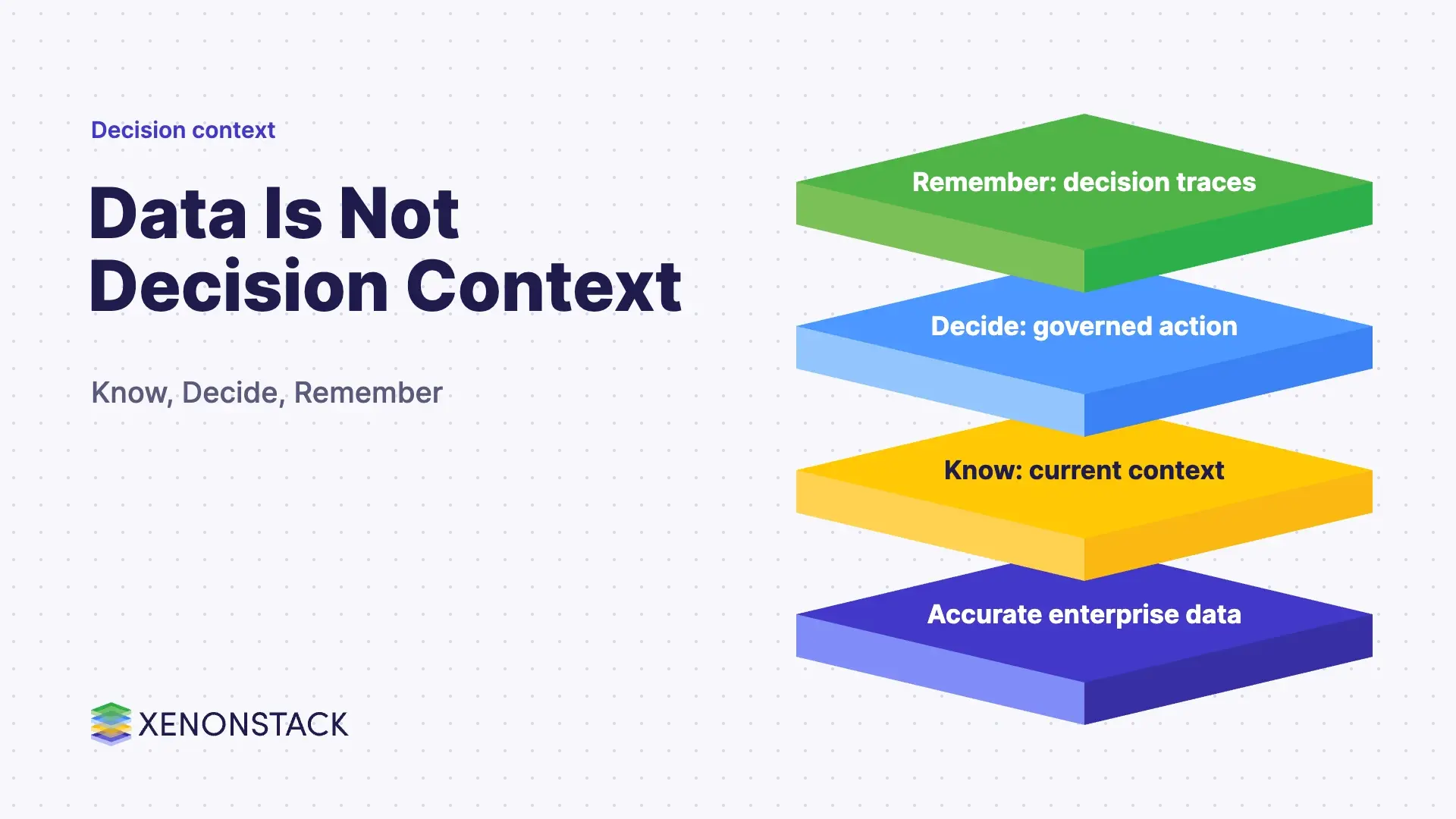
Enterprise AI can act on accurate data and still decide wrongly. The Know, Decide, Remember test, why a context layer alone falls short, and a 90-day ...
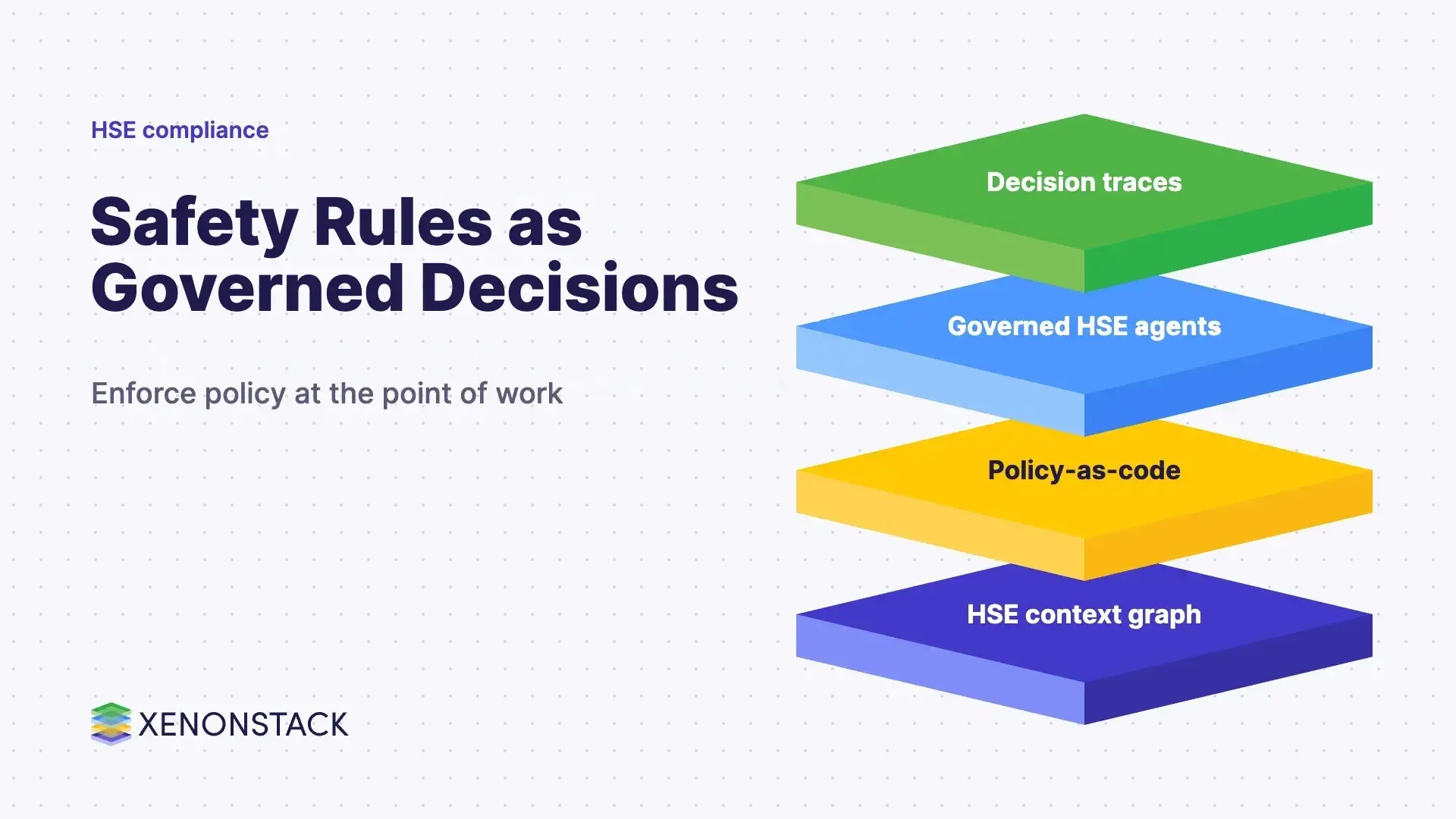
HSE compliance is a decision problem, not a paperwork problem. How a Context OS and governed AI agents enforce safety policy at the point of work.
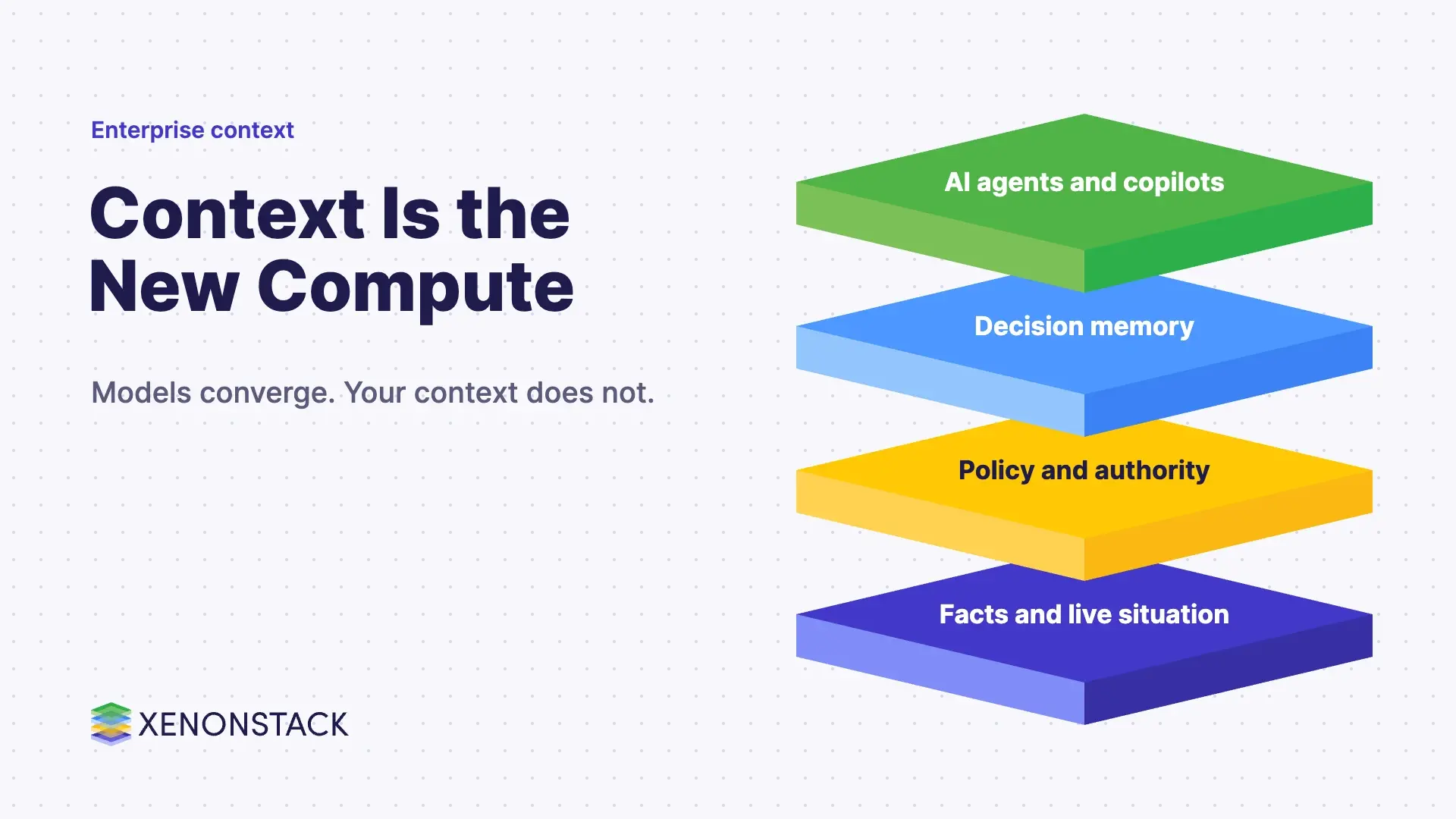
Frontier models are near interchangeable. Why enterprise context is the scarce resource, five ways agents fail without it, and a playbook for CIOs ...
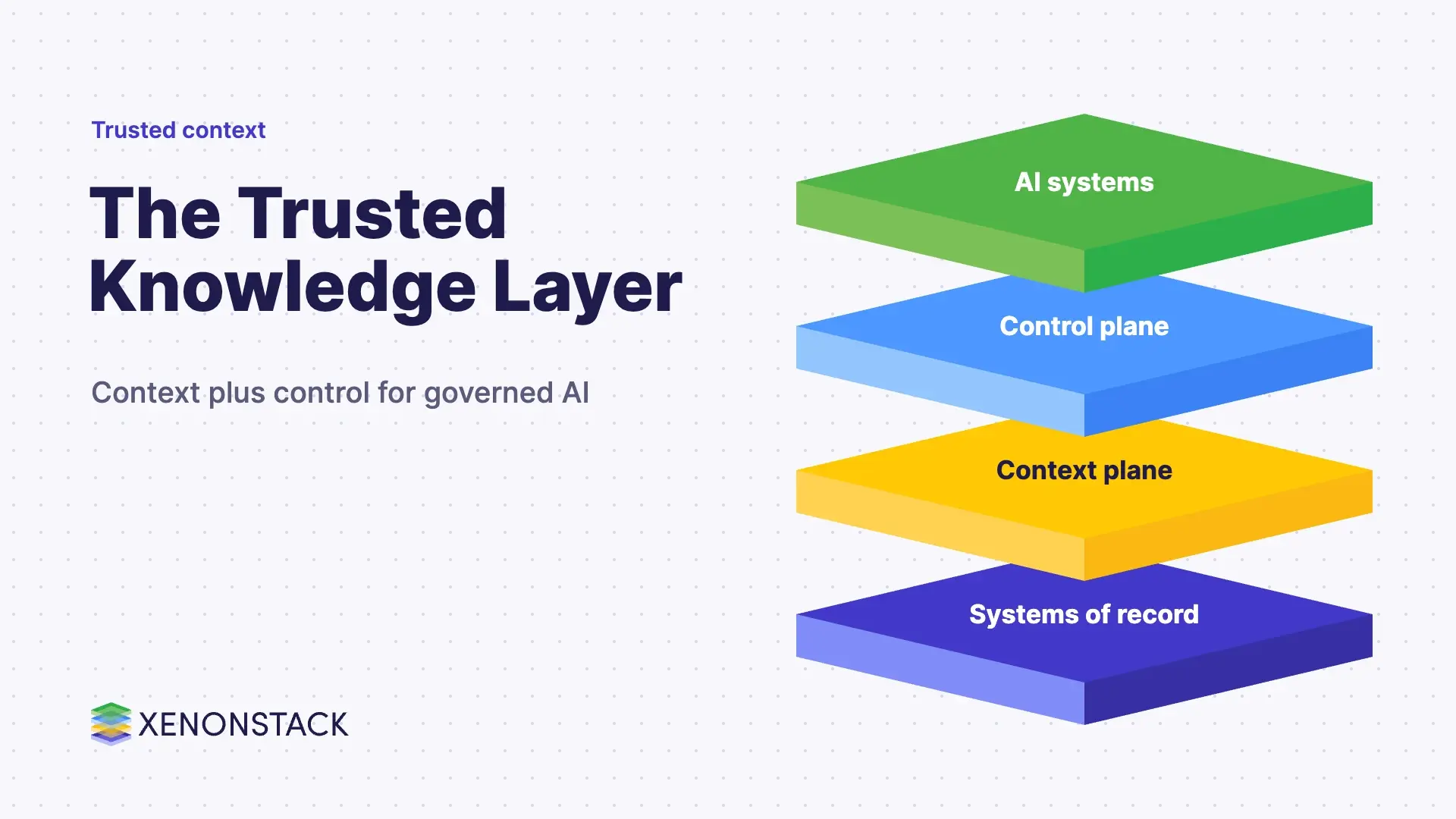
Enterprise AI stalls on trust, not model capability. Why a trusted context layer between enterprise data and action closes the gap, and how to start.
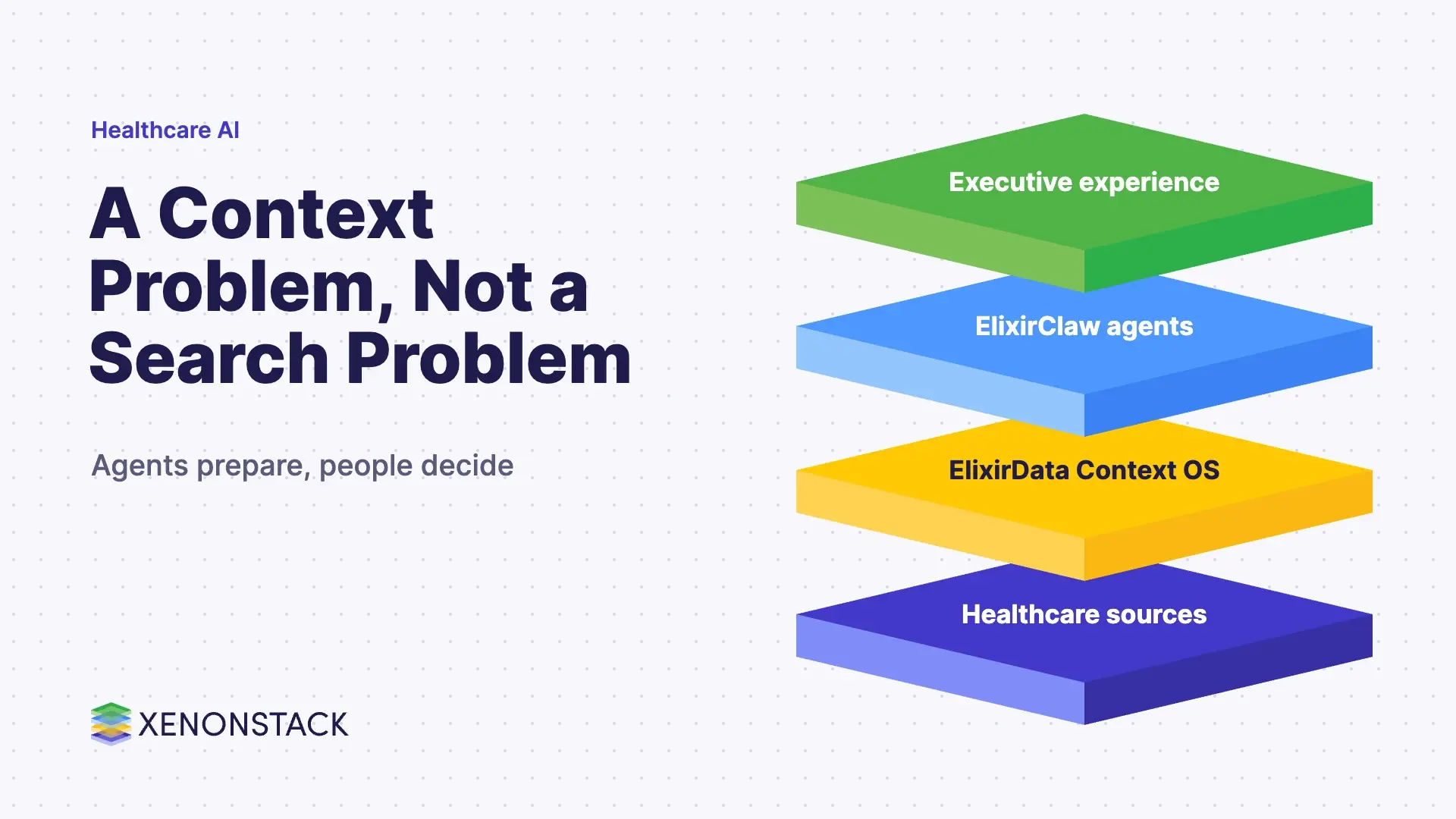
Healthcare leaders don't lack data or search tools; they lack context. How a Context OS and AI agents turn an executive question into a cited ...
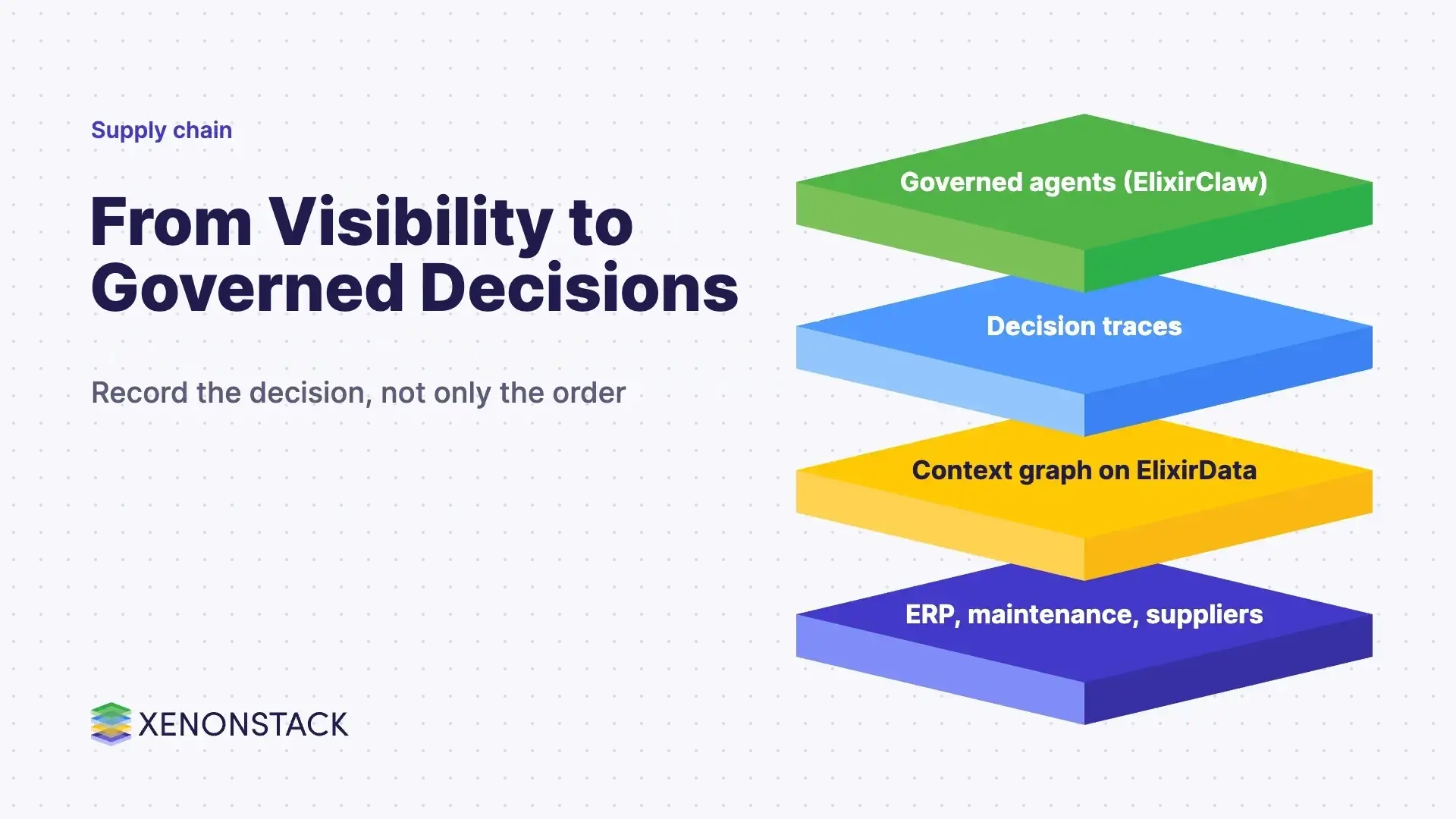
Plants stop when a late order is never connected to the asset it protects. How decision infrastructure and governed agents fix industrial procurement.
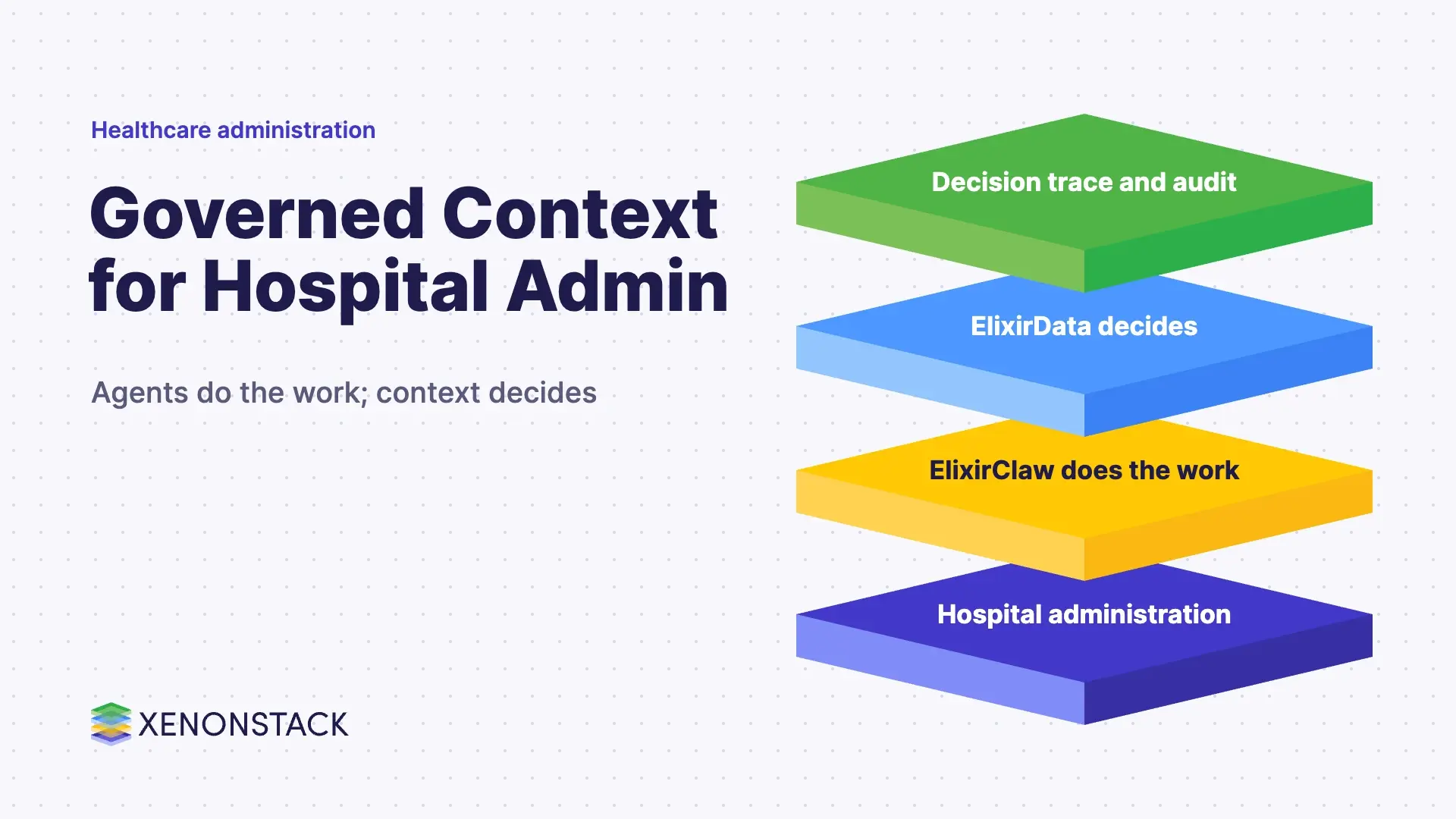
Healthcare administration runs on thousands of governed decisions a day. How AI agents plus a Context OS give hospitals throughput and an audit trail.
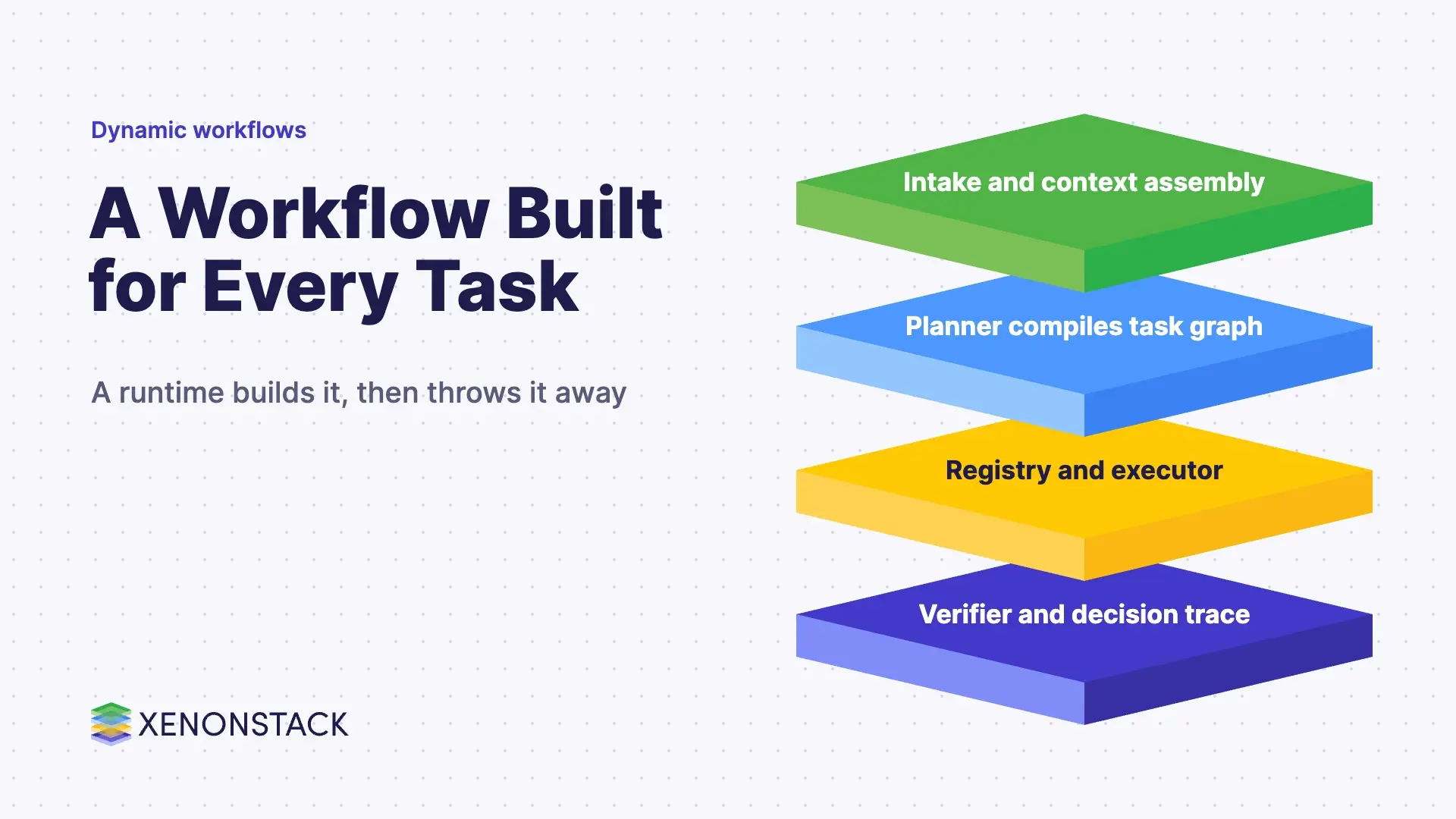
Dynamic workflows build a task-specific workflow at run time and discard it afterwards. Reference architecture, six patterns and governance for ...
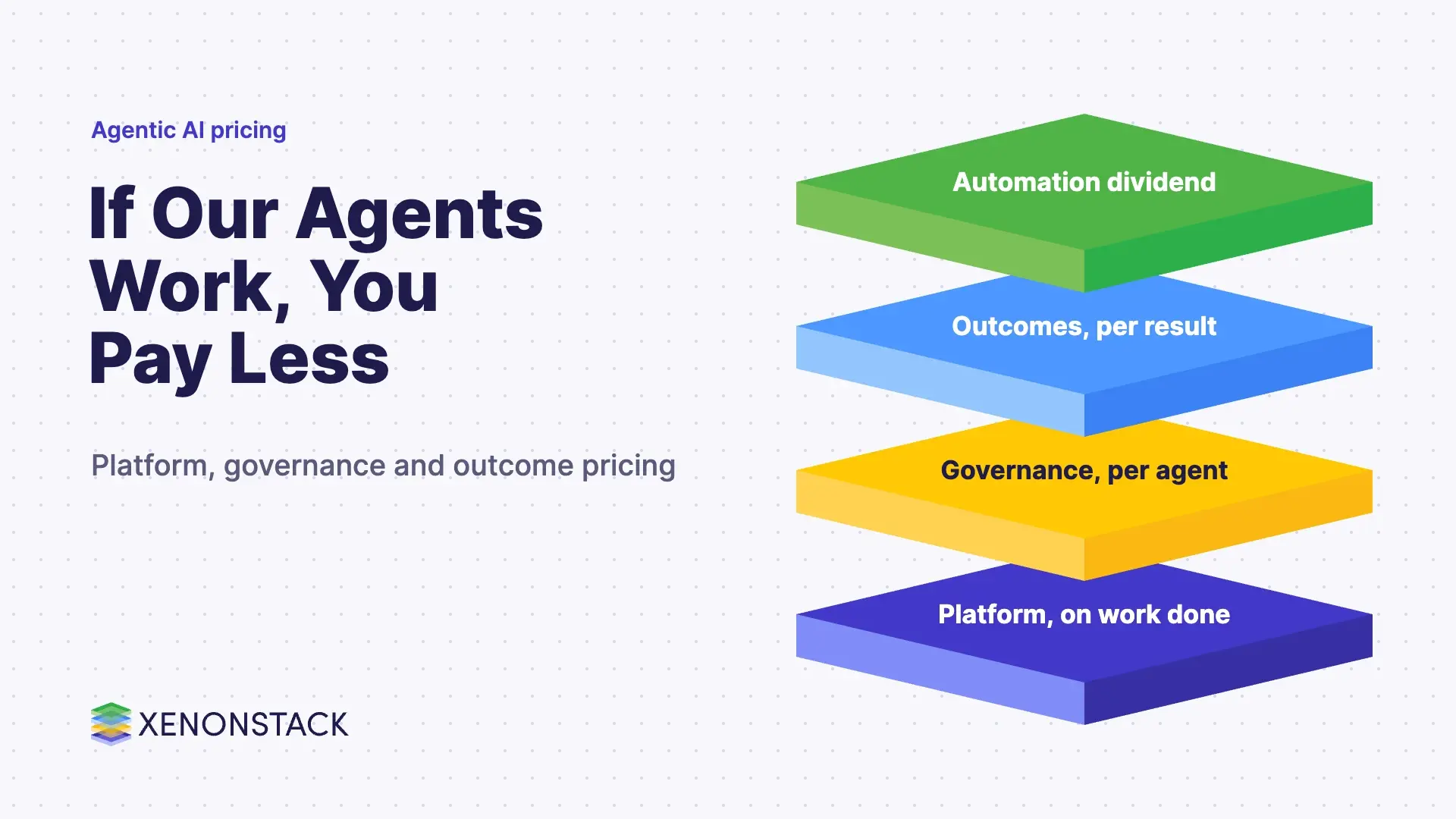
Per-seat pricing punishes AI vendors for succeeding. How XenonStack is moving to platform, governance and outcome pricing with an automation dividend.
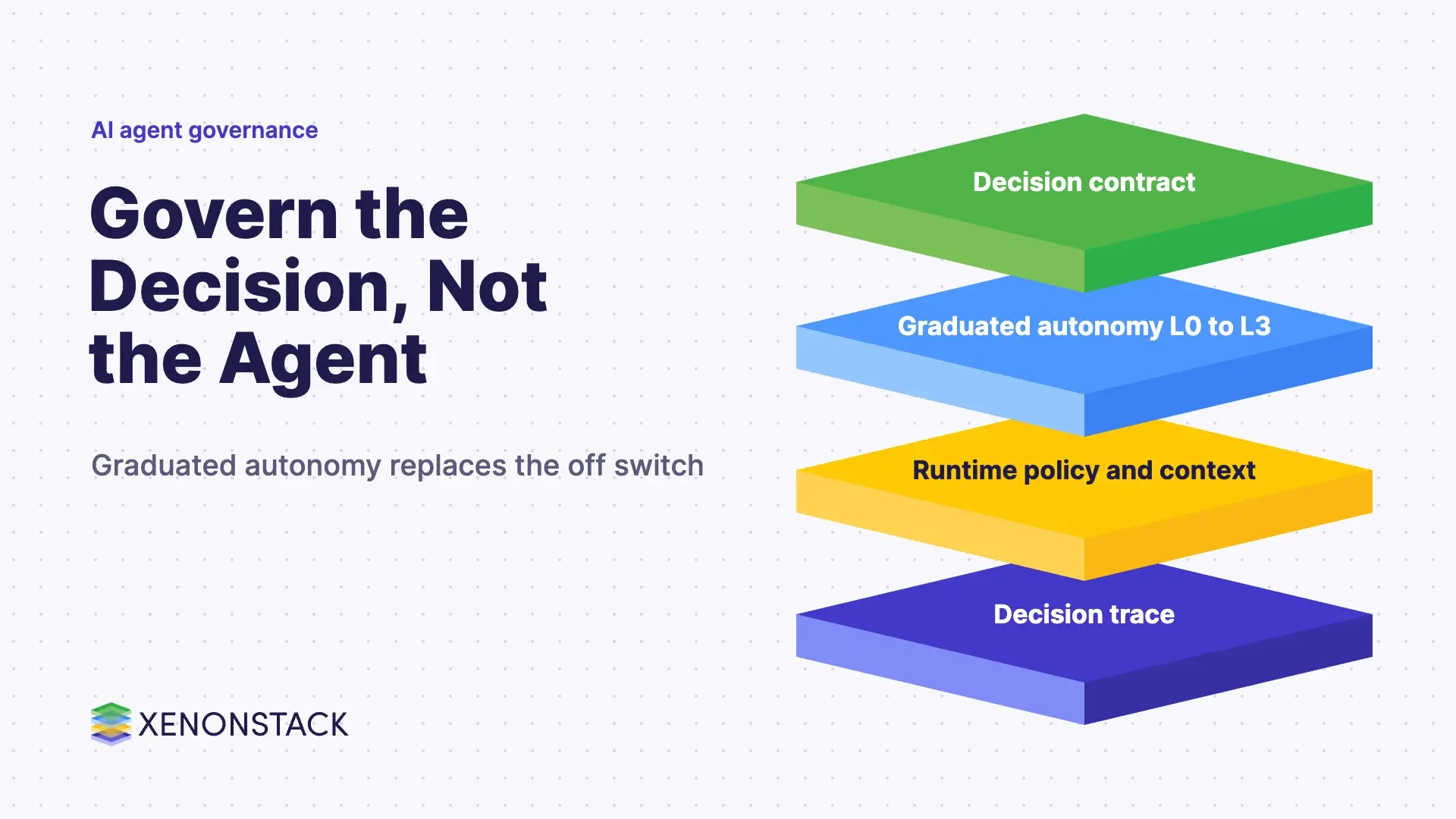
74% of enterprises have rolled back a live AI agent. The five failure modes, the decision contract, graduated autonomy (L0–L3) and a 90-day playbook.
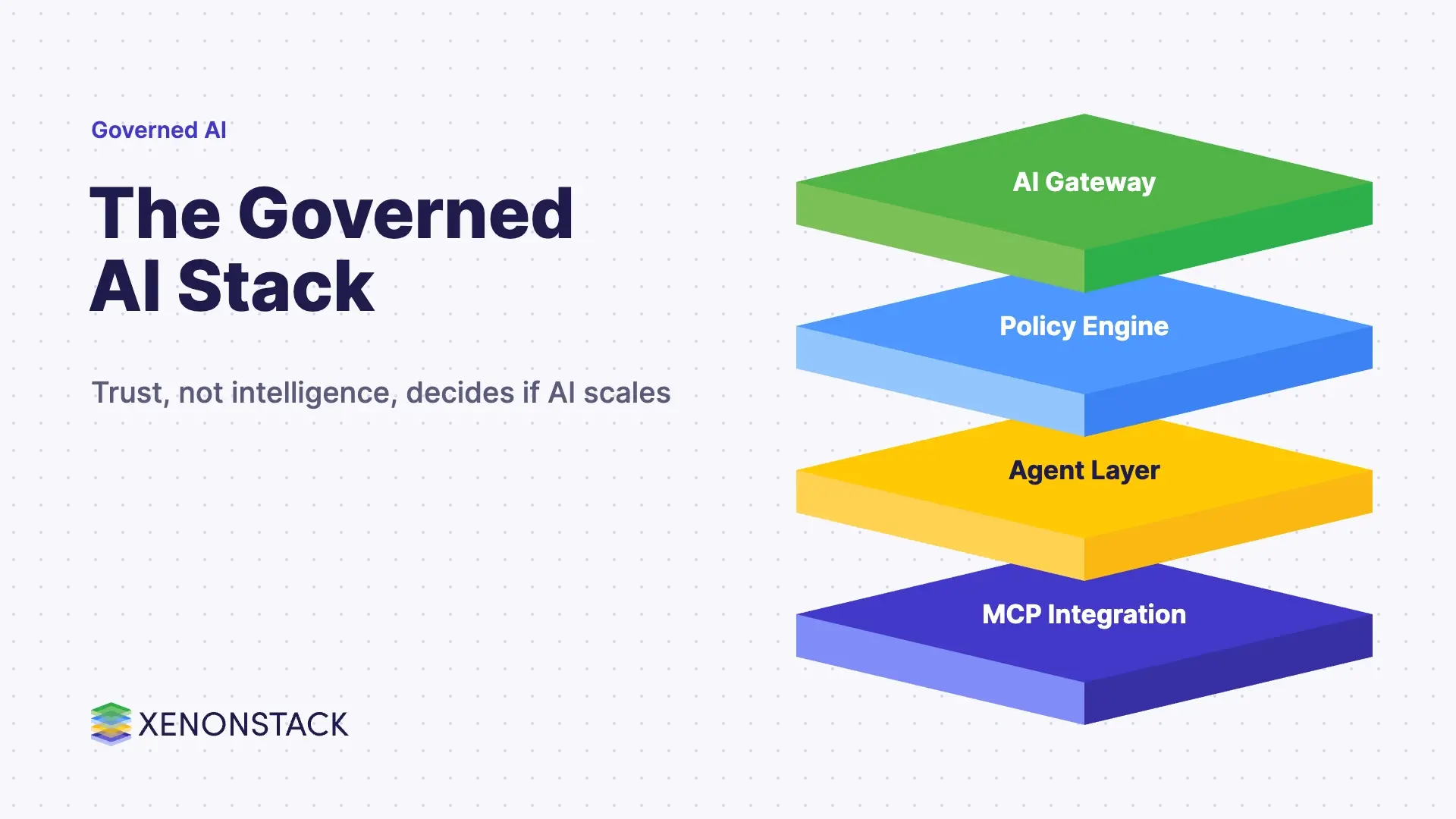
Enterprise AI pilots stall on trust, not intelligence. The 8 layers of a governed AI stack, tiered autonomy and six questions for your AI steering ...
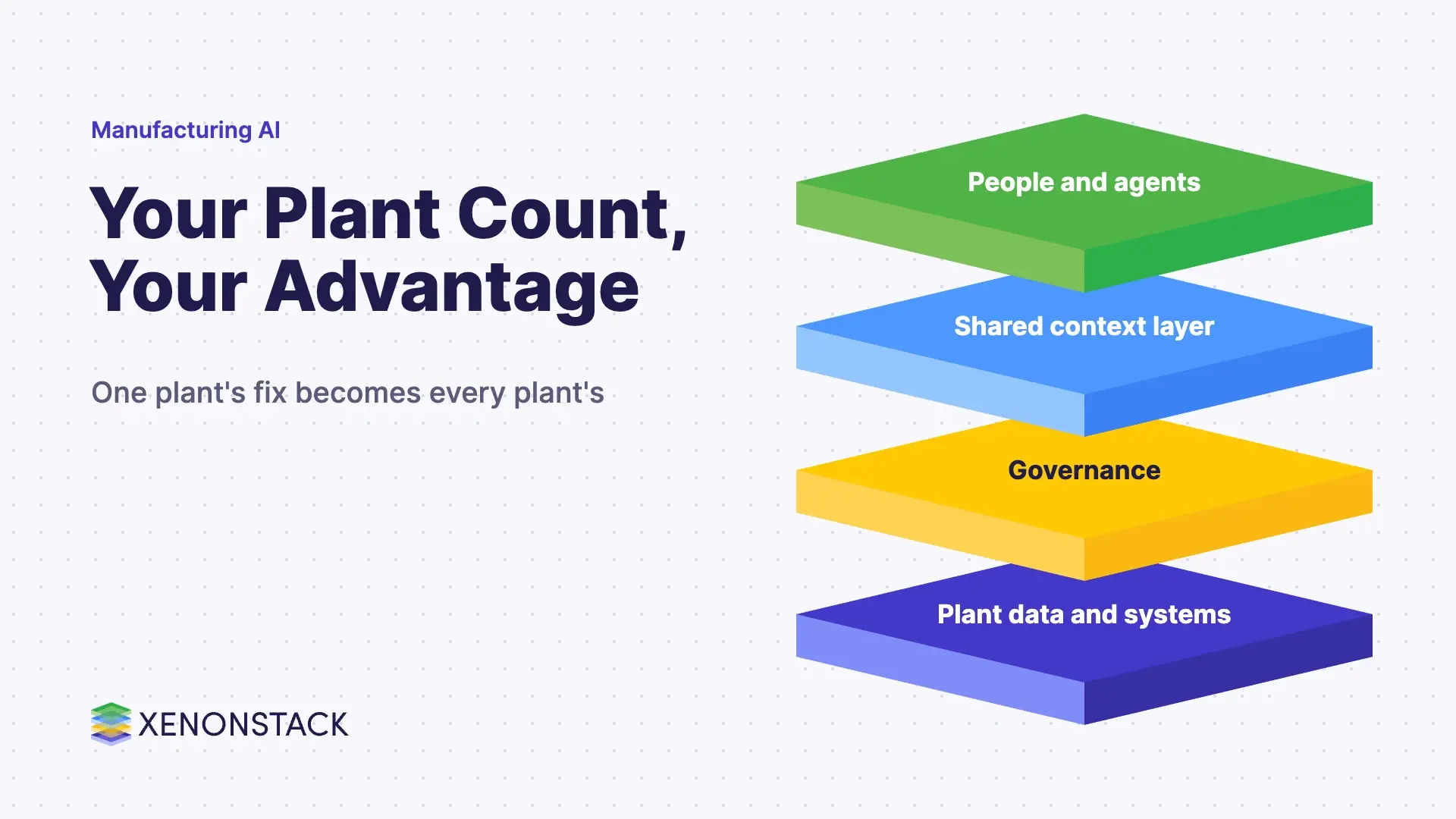
Most manufacturing groups treat 150 plants as 150 problems. How a shared, governed context layer lets one plant's fix become every plant's capability.
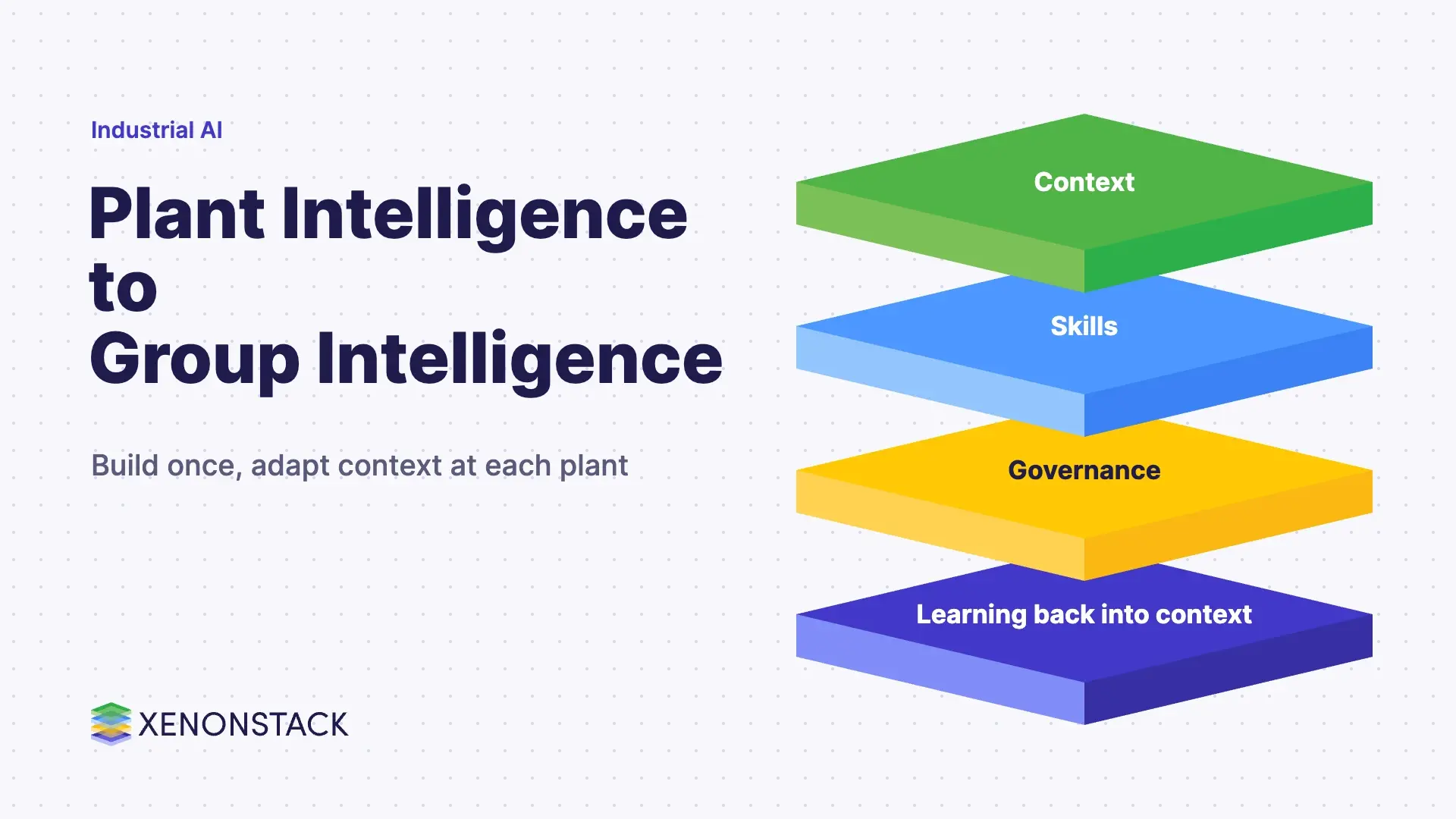
Most industrial AI pilots reuse nothing. How manufacturing groups build context, skills and governance once, adapt per plant, and make each ...
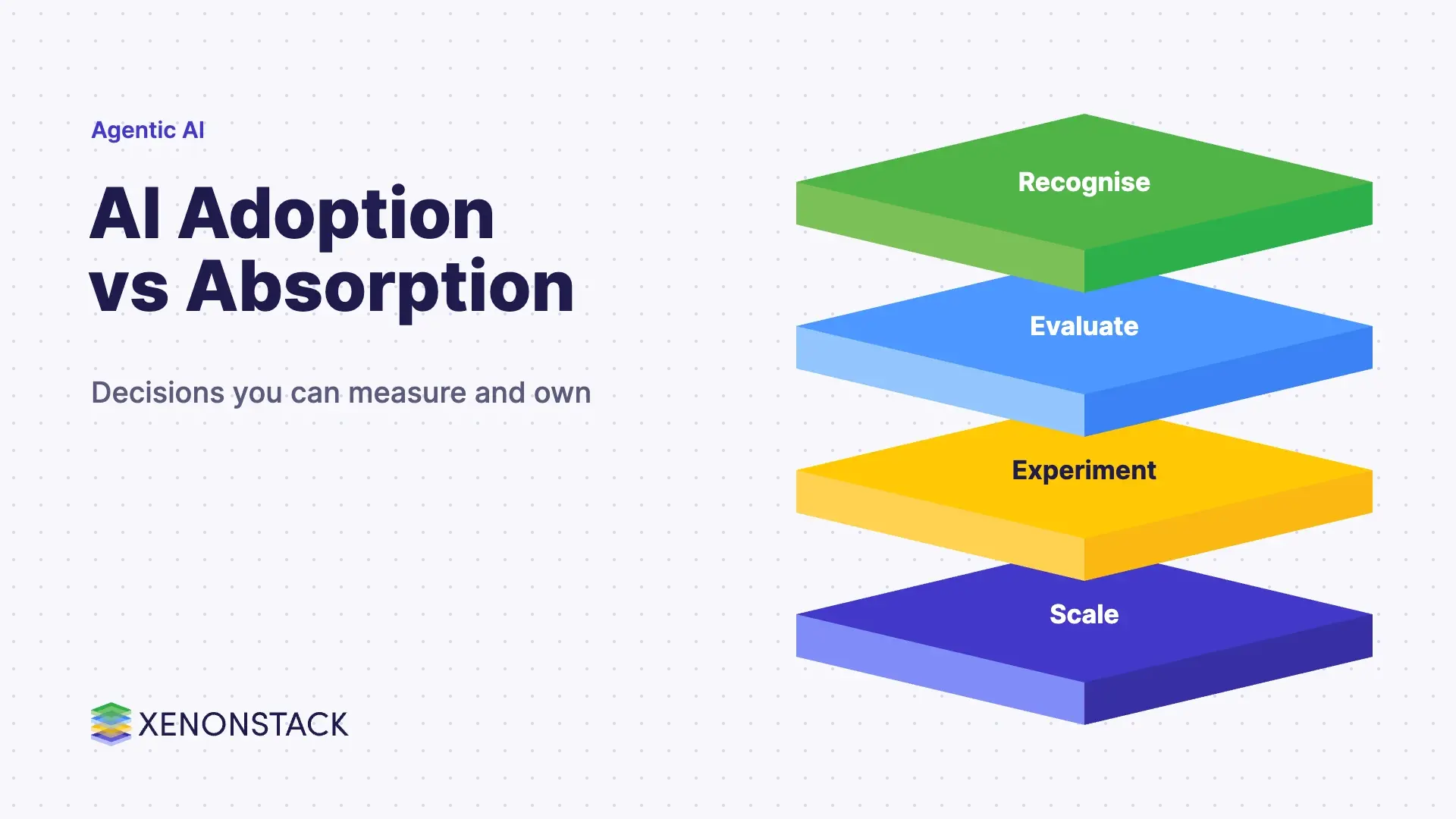
80% say AI made them more productive; only 37% see EBIT impact. Why absorption, verification cost and agent mandates decide whether agentic AI pays ...
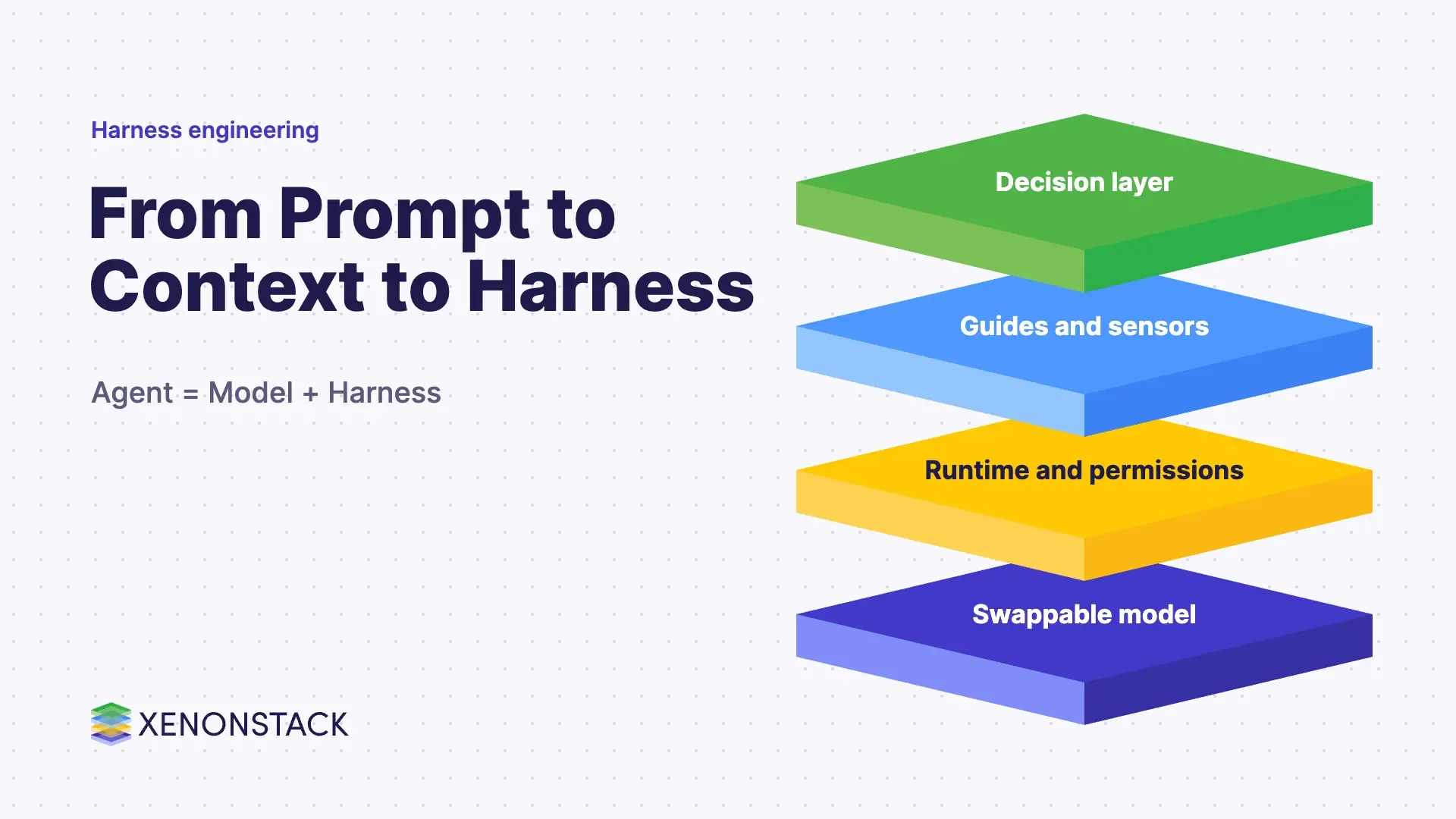
Harness engineering is the third shift in enterprise AI after prompt and context engineering. Anatomy of a harness, the decision layer and a 90-day ...
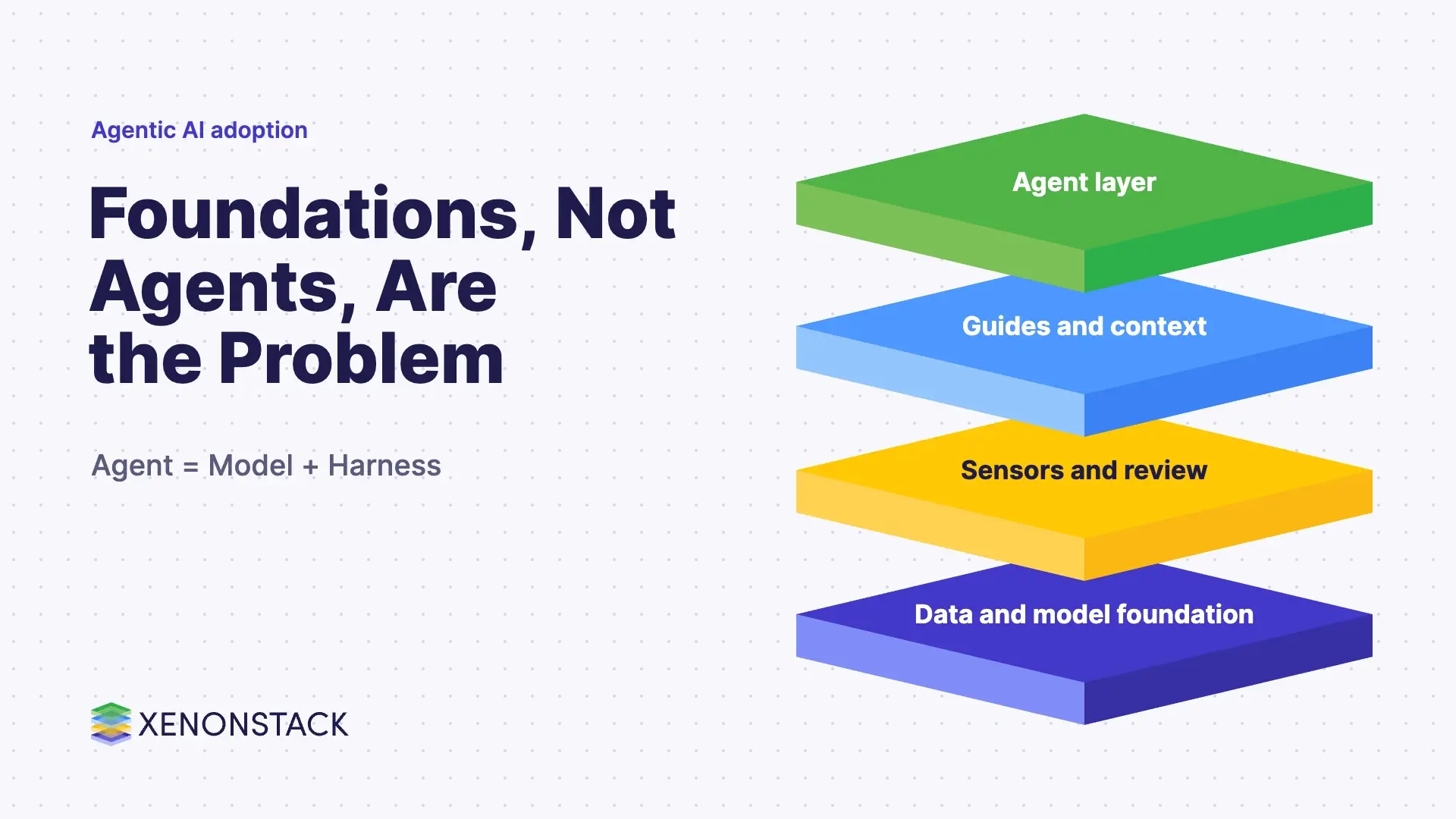
53% of enterprises run AI agents but only 23% see significant ROI. A leader's playbook for agentic AI adoption: principles, five levels, harness and ...
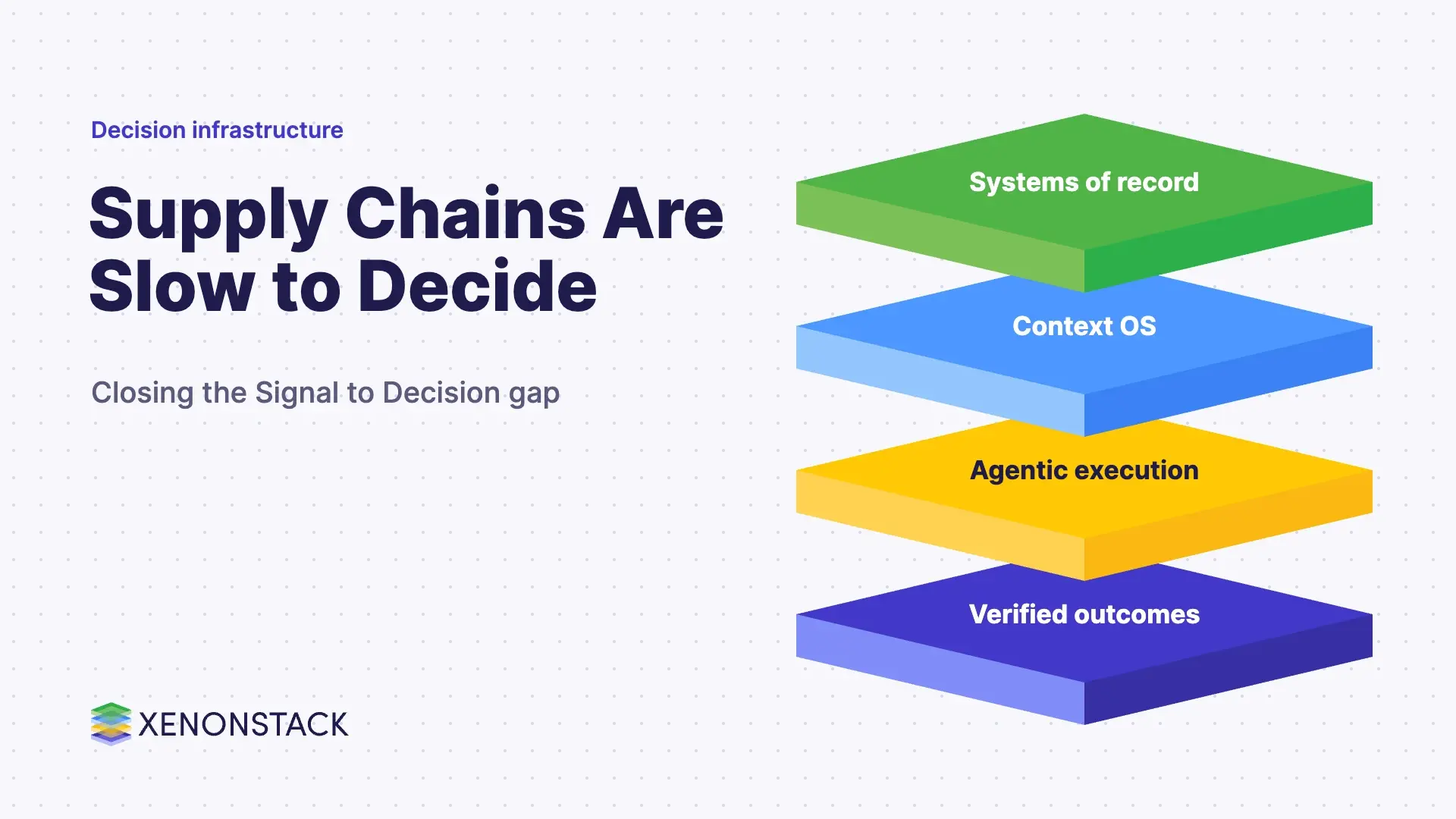
Supply chain disruptions are detected in seconds but decided in days. How governed agentic AI and decision infrastructure cut Signal-to-Decision Time.
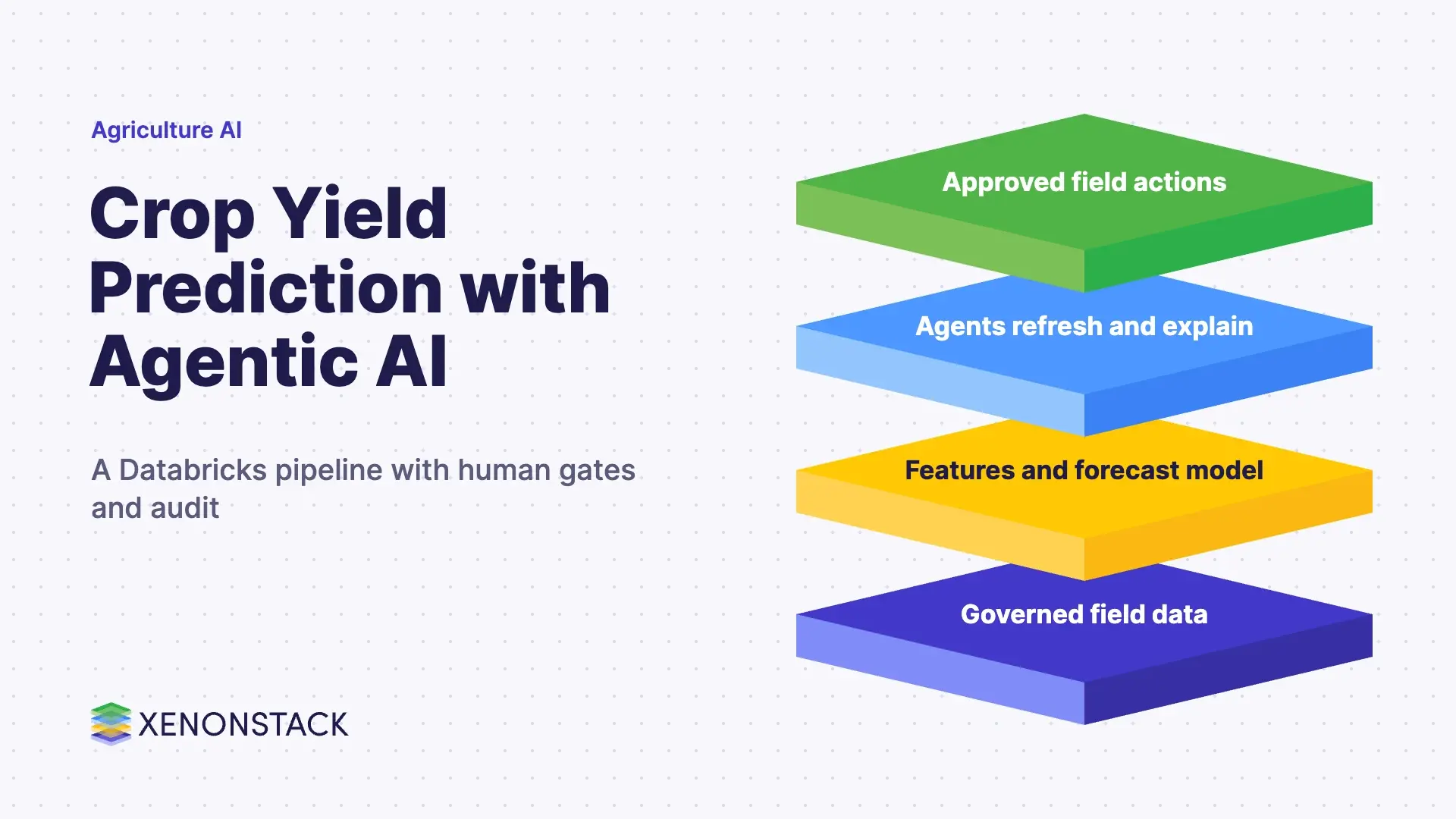
How to build crop yield prediction with agentic AI on Databricks: data sources, pipeline, current product names, accuracy limits, governance and ...
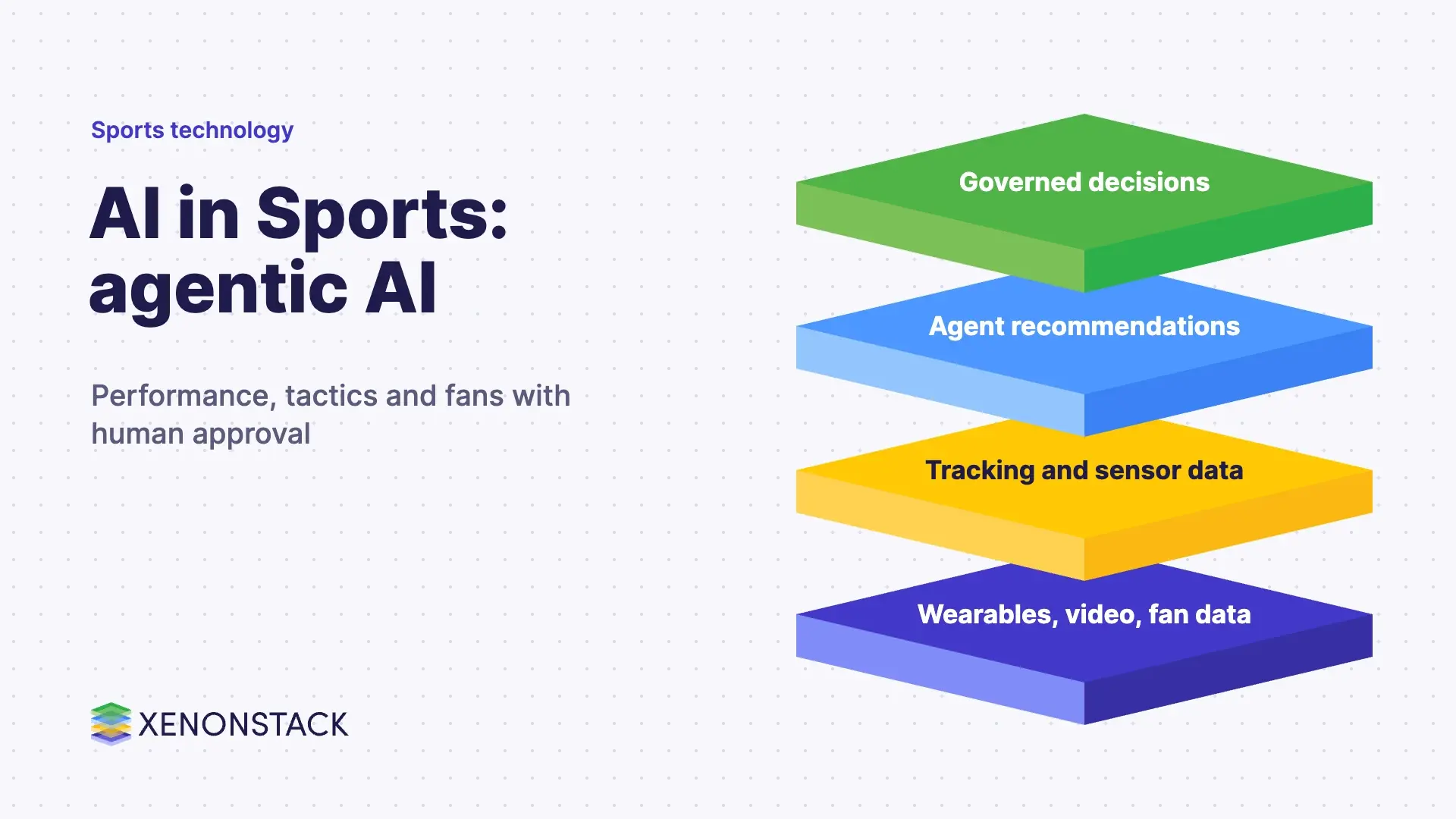
Agentic AI in sports turns wearable, video and fan data into governed decisions on performance, tactics and engagement, with real examples and limits.
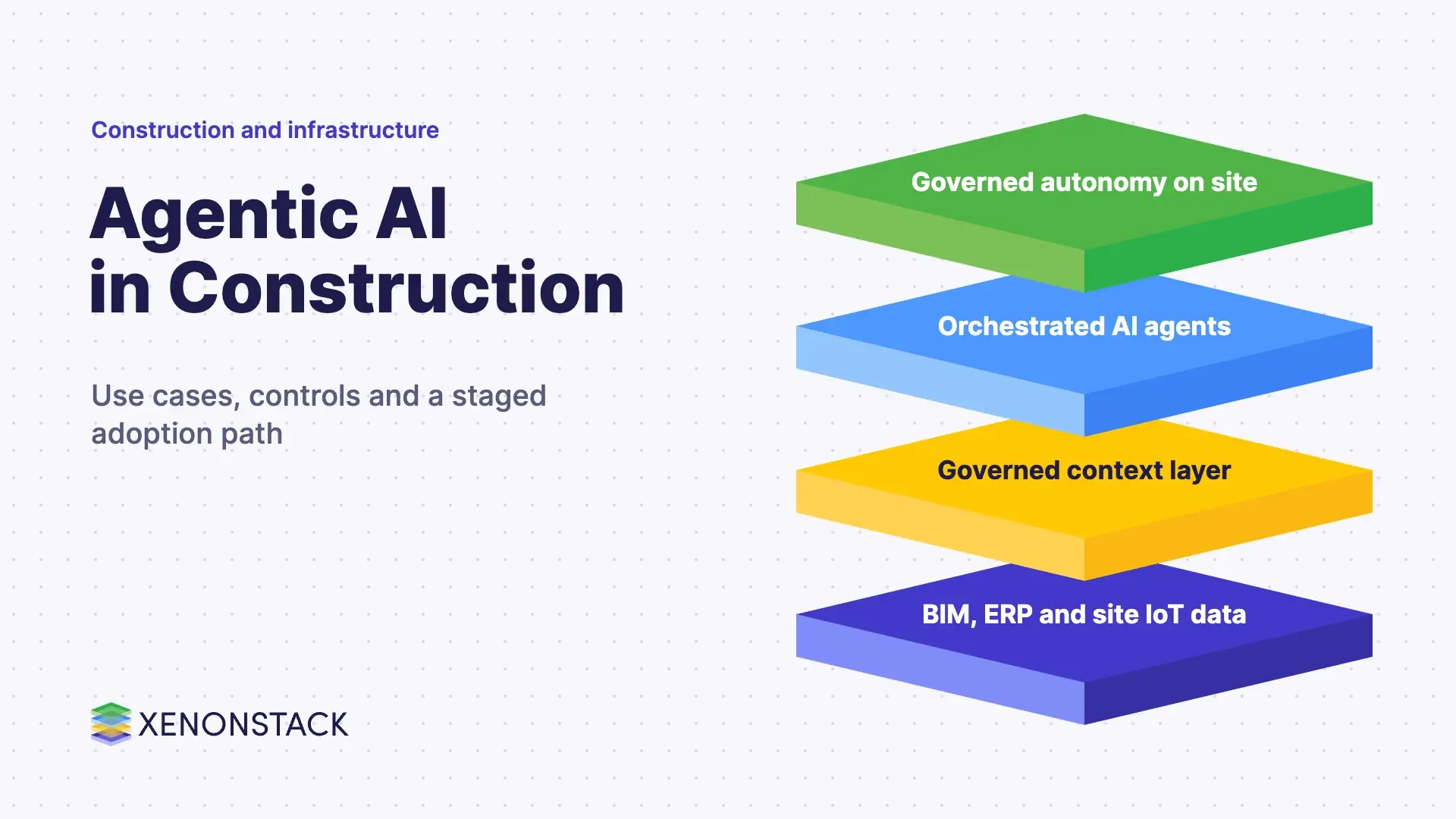
Agentic AI in construction: where AI agents fit in scheduling, safety, supply chain, BIM and quality, what to govern, and how to start with a pilot.
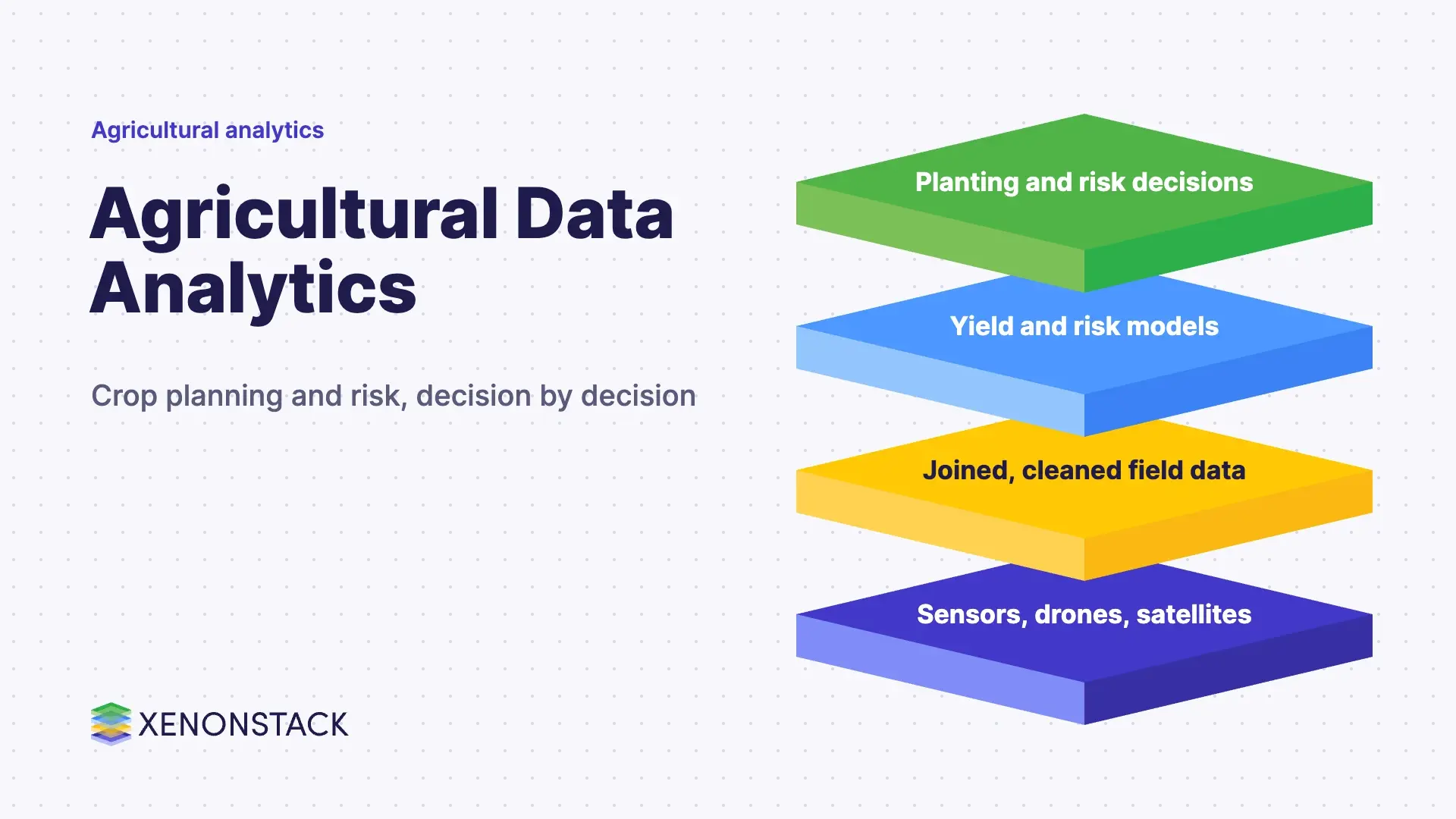
Agricultural data analytics guide for CDOs and CTOs: the data, yield models, risk controls and a step-by-step precision agriculture rollout plan.
Contact center intelligence uses AI to route, answer and analyse banking customer contacts. See the parts, the limits and how AI agents change the ...
Problems in decision making for leaders: bounded rationality, bias, noise, groupthink and paralysis, and the controls that fix them, AI agents ...
Intelligent decisioning systems explained for CIOs and CTOs: how they work, tools compared, agent decisions, EU oversight rules and an adoption ...
Predictive analytics for decision-making: turn forecasts into action with decision rules, calibrated thresholds, monitoring and governance you can ...
Compare decision analysis tools: PEST, SWOT, Pareto, decision matrix and decision tree. See which fits each question, their limits and when to move ...
Responsible AI in automotive explained: the UN, NHTSA and EU rules that apply, where vehicle and factory AI risk sits, and a practical order of ...
Contact center intelligence in 2027: AI capabilities, Amazon Connect, Dynamics 365 and Google updates, agent autonomy limits, EU AI Act rules and ...
An intelligent enterprise in retail embeds AI, data and sensors in daily operations. See the use cases, the technologies and how AI agents change ...
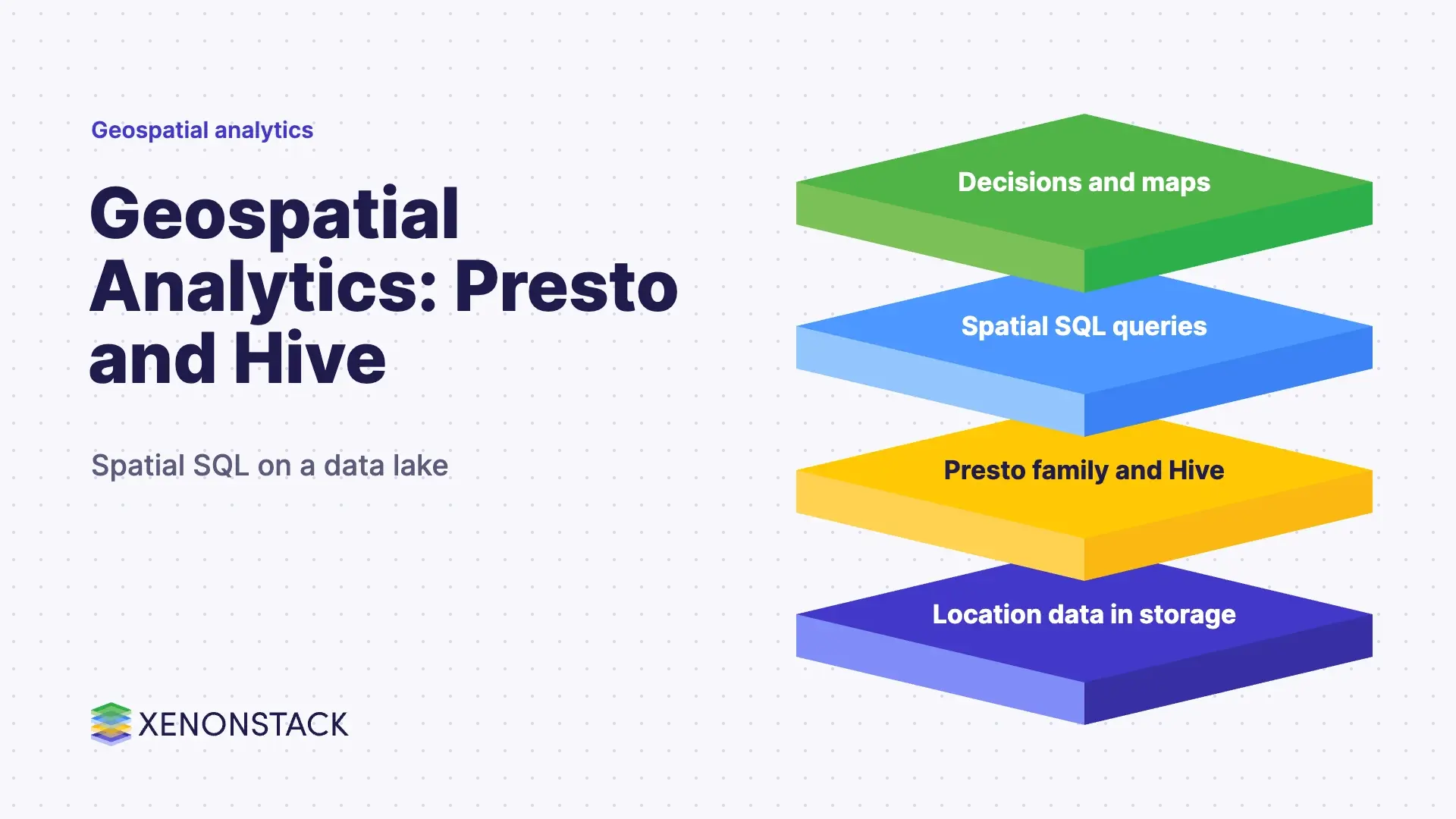
Learn how Presto (Trino) and Apache Hive handle geospatial analytics: spatial types, architecture, file formats, tuning and when to use each engine.
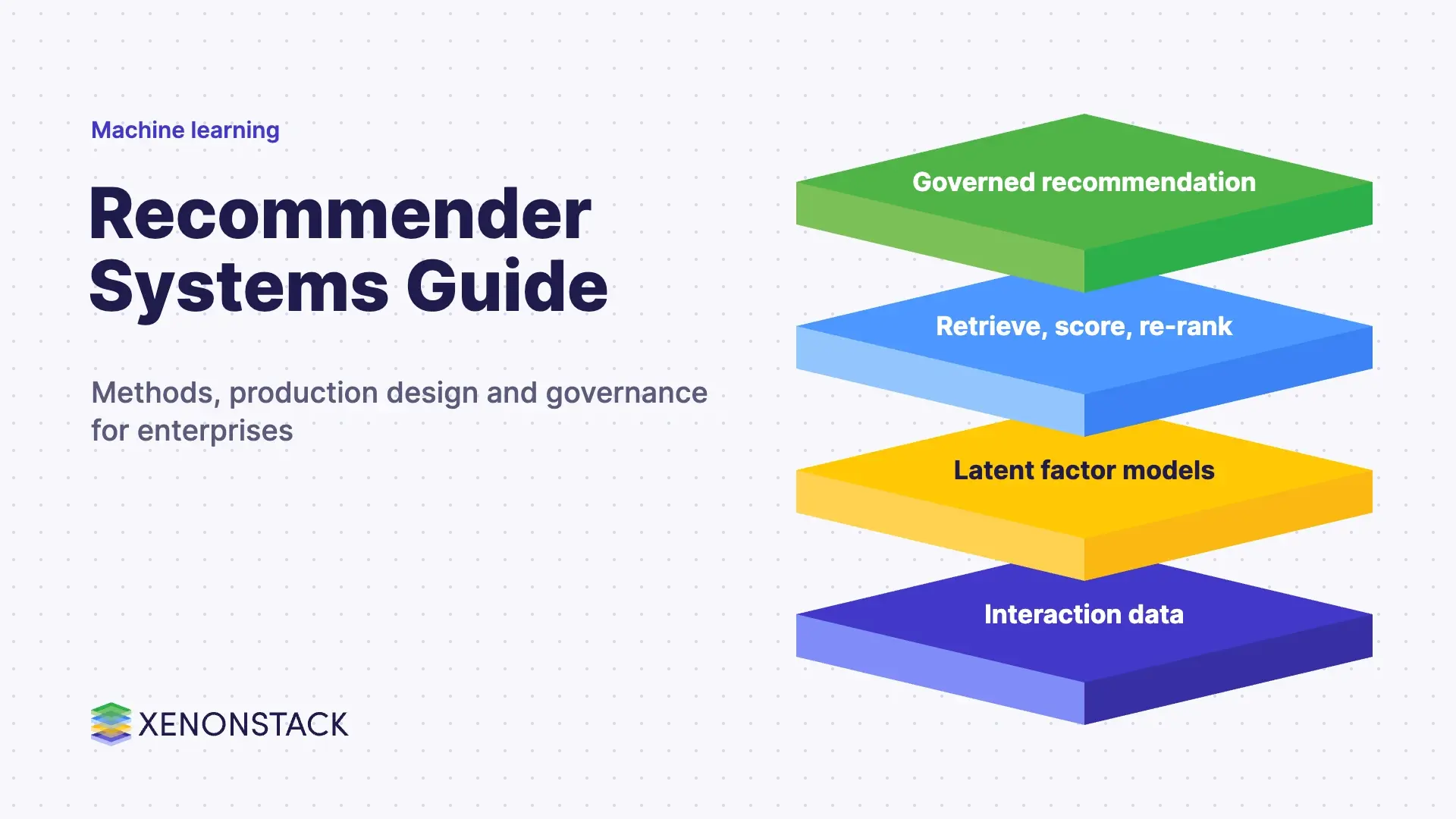
Recommender systems explained for enterprise leaders: content-based, collaborative, matrix factorisation and deep learning methods, plus governance.
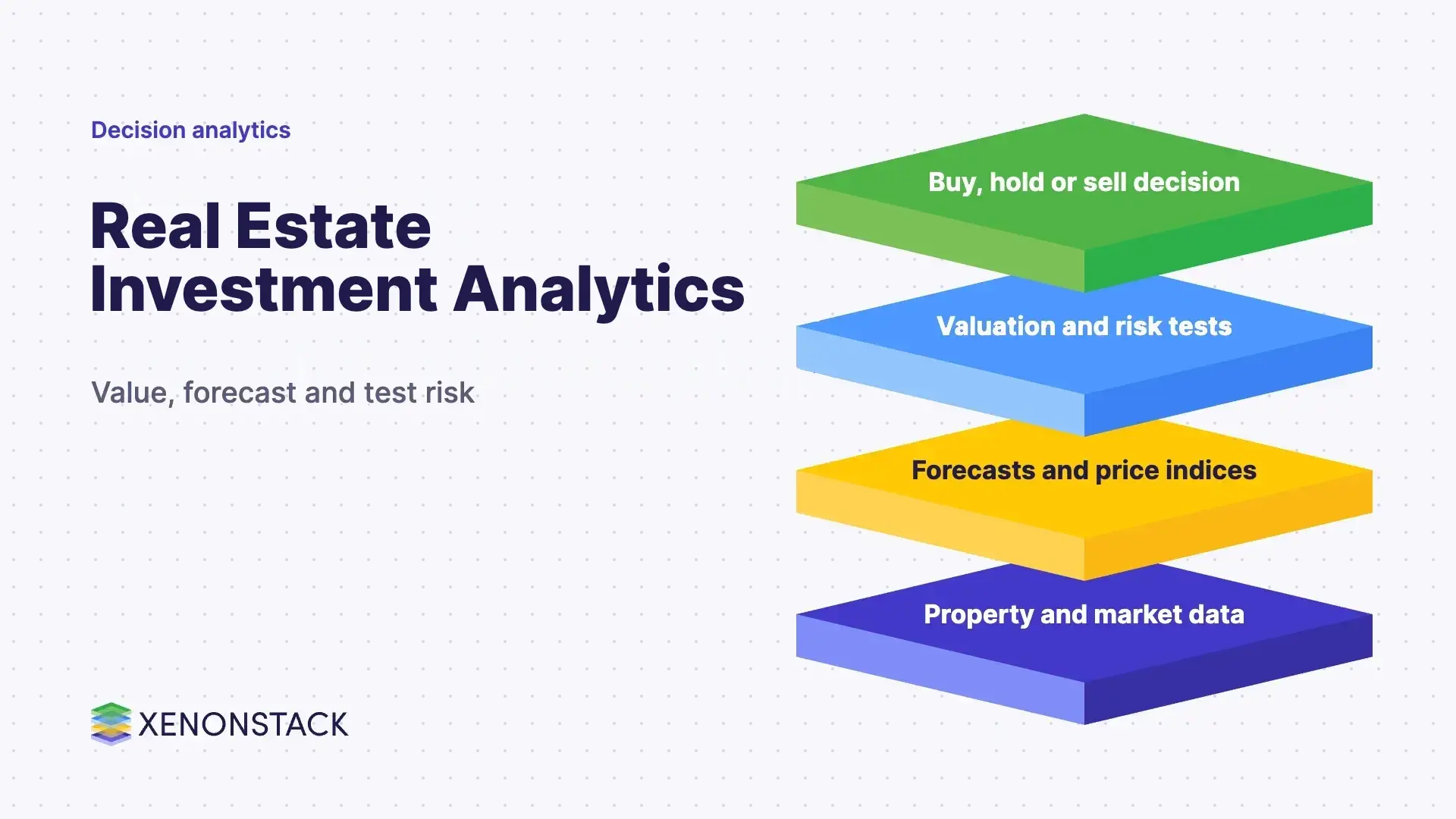
Real estate investment analytics uses data to value property, forecast income and test risk. See the main challenges, cap rate limits and six use ...


Augmented analytics uses machine learning and AI to automate data prep, insight and explanation. How it works, the main tools and how to govern it ...
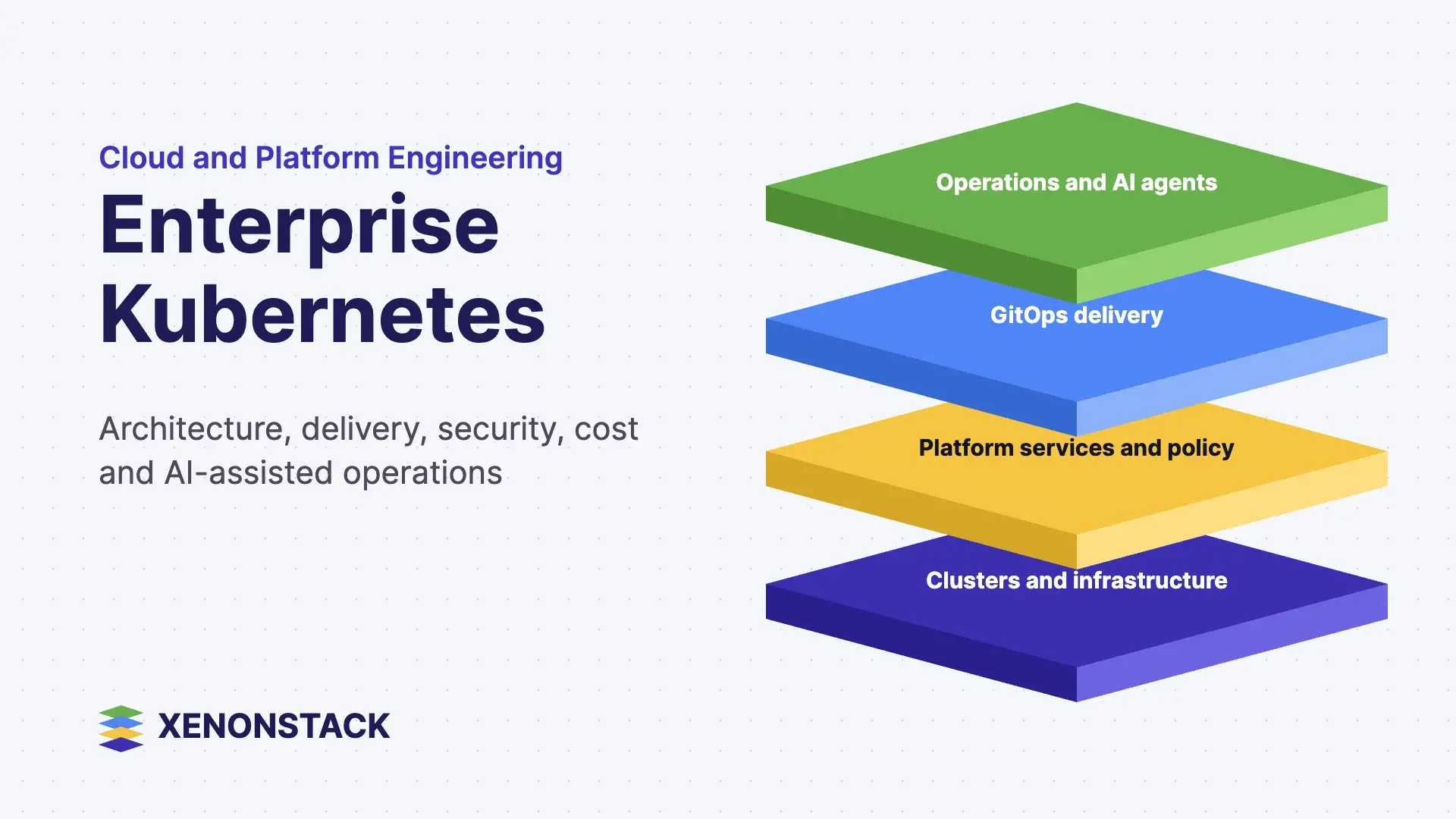
How enterprises run Kubernetes at scale: platform architecture, GitOps delivery, data, security, cost, managed services and AI agents for operations.
How to build enterprise RAG: architecture, hybrid search, GraphRAG, security, evaluation, and why AI agents need more than retrieval to act safely.
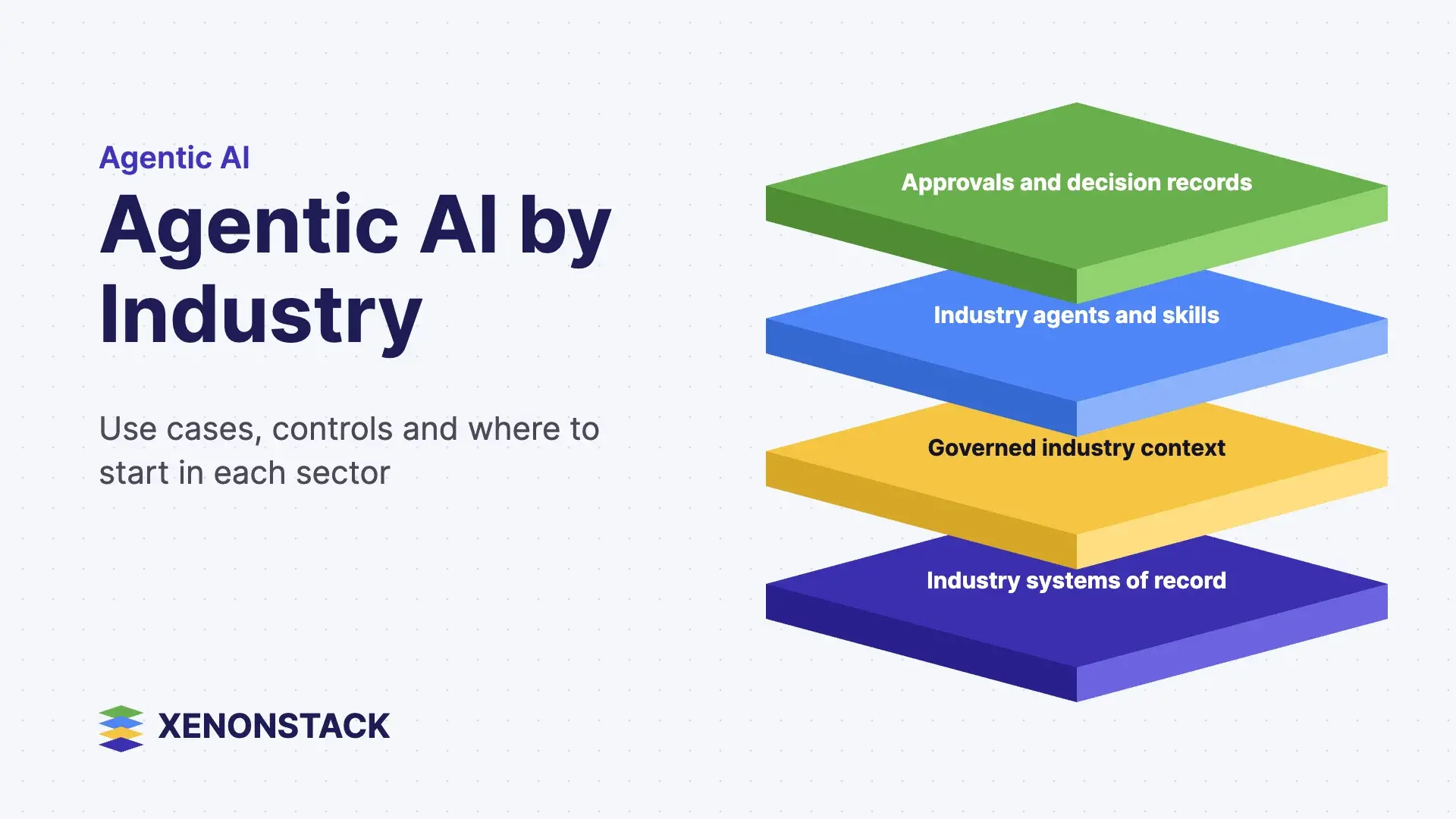
How agentic AI works in banking, healthcare, manufacturing, retail, telecom, logistics and government: use cases, controls, regulation and first ...
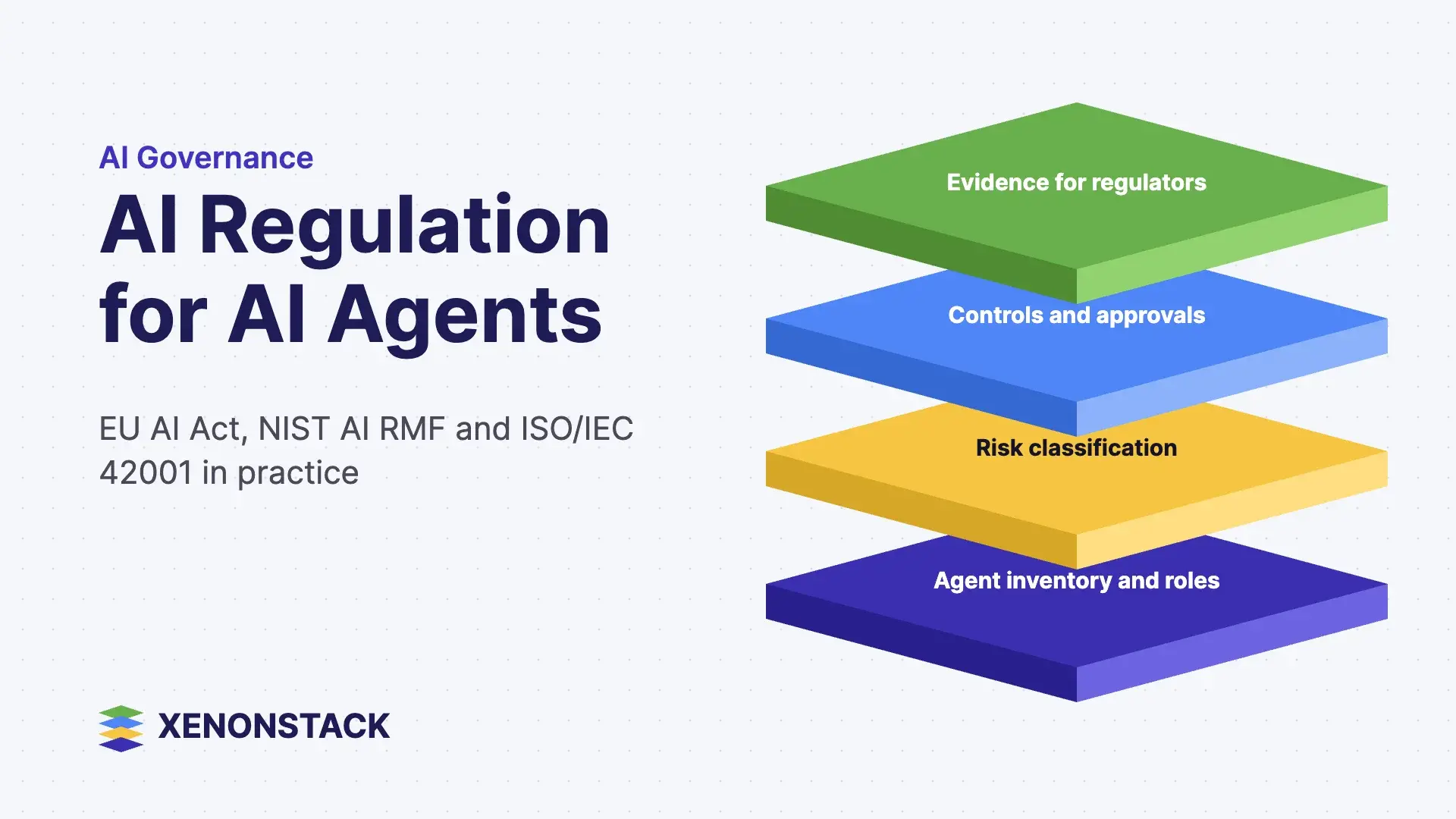
How the EU AI Act, NIST AI RMF, ISO/IEC 42001 and Singapore's agentic AI framework apply to AI agents, with 2026 to 2028 deadlines and controls.
Decision infrastructure governs how AI agents decide: governed context, policy and authority checks, and decision traces. What it is and how to build ...
The transformative impact of ai and emergingtechnologies on the world of finance and banking
6 min | Dr. Jagreet Kaur
Comprehensive approach combines cost forecasting, resource optimization, and financial accountability
4 min | Dr. Jagreet Kaur
Unleashing data agents empowers real-time insights, driving smarter decisions and transforming business operations effectively
5 min | Dr. Jagreet Kaur
AI continuously monitors systems for risks before they escalate. It correlates signals across logs, metrics, and traces. This ensures faster detection, fewer incidents, and stronger reliability
 Proactive detection of performance and availability issues
 Root-cause analysis across microservices and environments
 Automated remediation playbooks to reduce MTTR

AI converts camera feeds into instant situational awareness. It detects unusual motion and unsafe behavior in real time. Long hours of video become searchable and summarized instantly
 Real-time detection of suspicious motion or intrusion
 Natural language video search and instant playback
 Smart summaries for audits, investigations, and compliance

Your data stack becomes intelligent and conversational. Agents surface insights, detect anomalies, and explain trends. Move from dashboards to autonomous, always-on analytics
 Connects to warehouses, lakes, and streaming sources
 Question-answering in natural language
 Continuous monitoring for anomalies and KPI deviations

Agents identify recurring failures and performance issues. They trigger workflows that resolve common problems automatically. Your infrastructure evolves into a self-healing environment
 Automated diagnostics for recurring errors
 Playbook execution: restart services, scale pods, clear queues
 Feedback loop for improving remediation strategies

AI continuously checks controls and compliance posture. It detects misconfigurations and risks before they escalate. Evidence collection becomes automatic and audit-ready
 Continuous control checks across infrastructure and SaaS
 Automated evidence collection for audits
 Risk scoring and prioritized remediation recommendations

Financial and procurement workflows become proactive and insight-driven. Agents monitor spend, vendors, and contracts in real time. Approvals and sourcing decisions become faster and smarter
 Real-time visibility into spend and commitments
 Anomaly detection on invoices and vendor performance
 Intelligent workflows for approvals and sourcing decisions


