What are your key focus areas? *
AI Workflow and Operations
Data Management and Operations
AI Governance
Analytics and Insights
Observability
Security Operations
Risk and Compliance
Procurement and Supply Chain
Private Cloud AI
Vision AI

Tell us about you and your priorities so we can prepare the right conversation. It takes about 2 minutes.

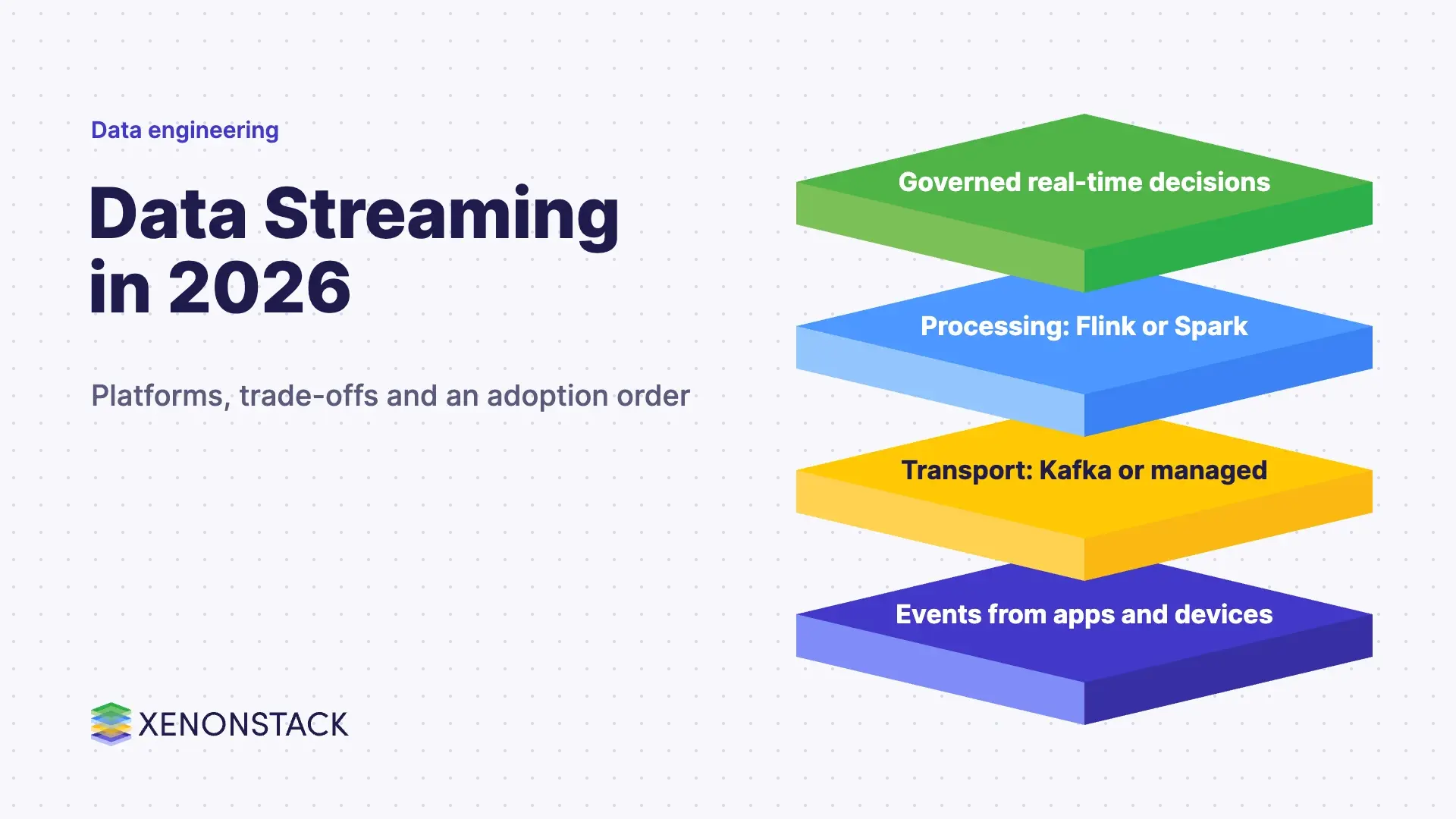
Data streaming in 2027 for enterprise leaders: which platforms fit which needs, what changed in 2026, key trade-offs and a sensible adoption order.
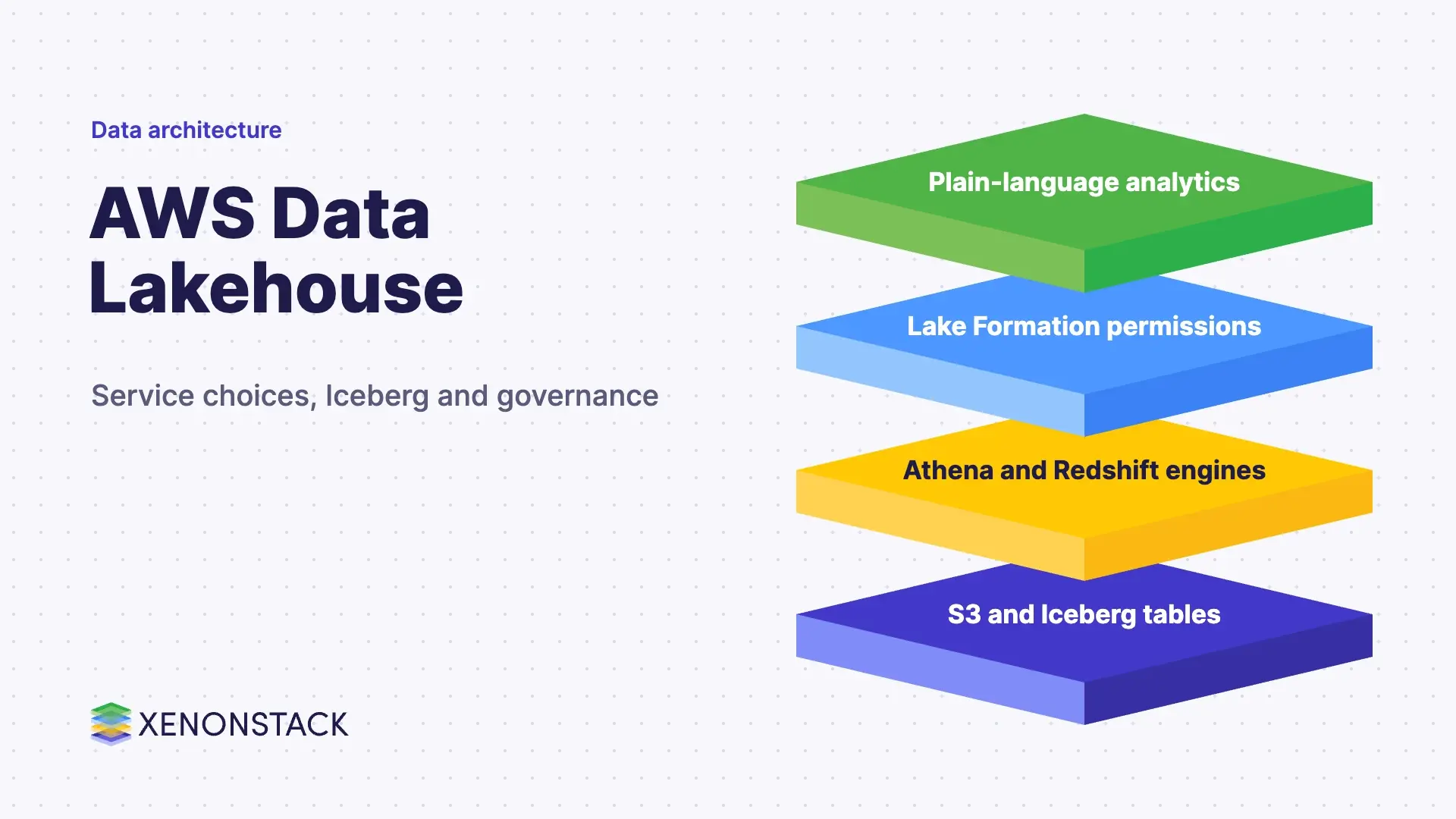
Choose the right AWS services for a data lakehouse: S3 and Iceberg, Athena, Redshift, Lake Formation and Quick, with trade-offs and an adoption ...
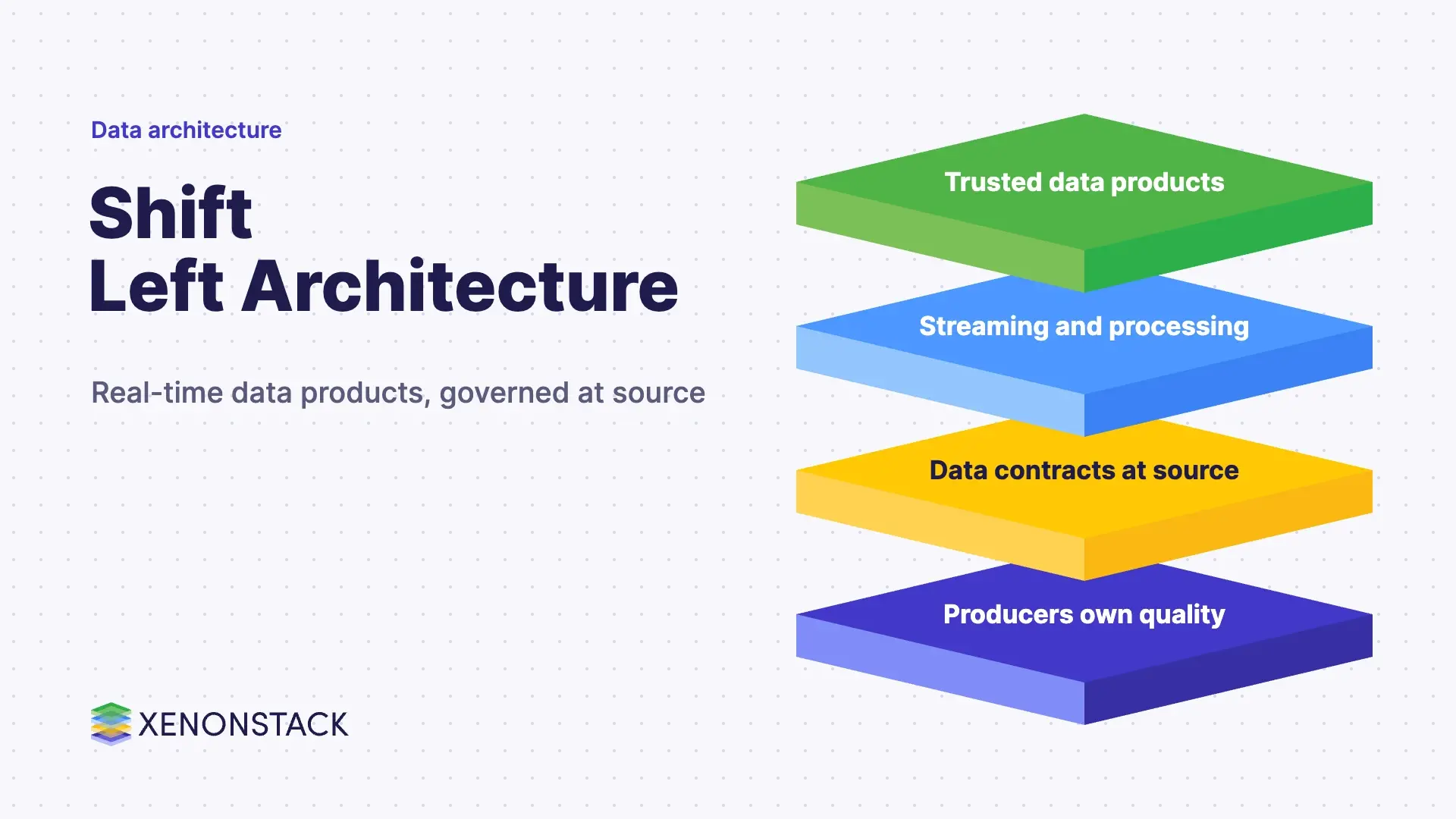
Shift left architecture moves data processing and governance upstream to the source. See how data contracts, Kafka, Flink and Iceberg fit and how to ...
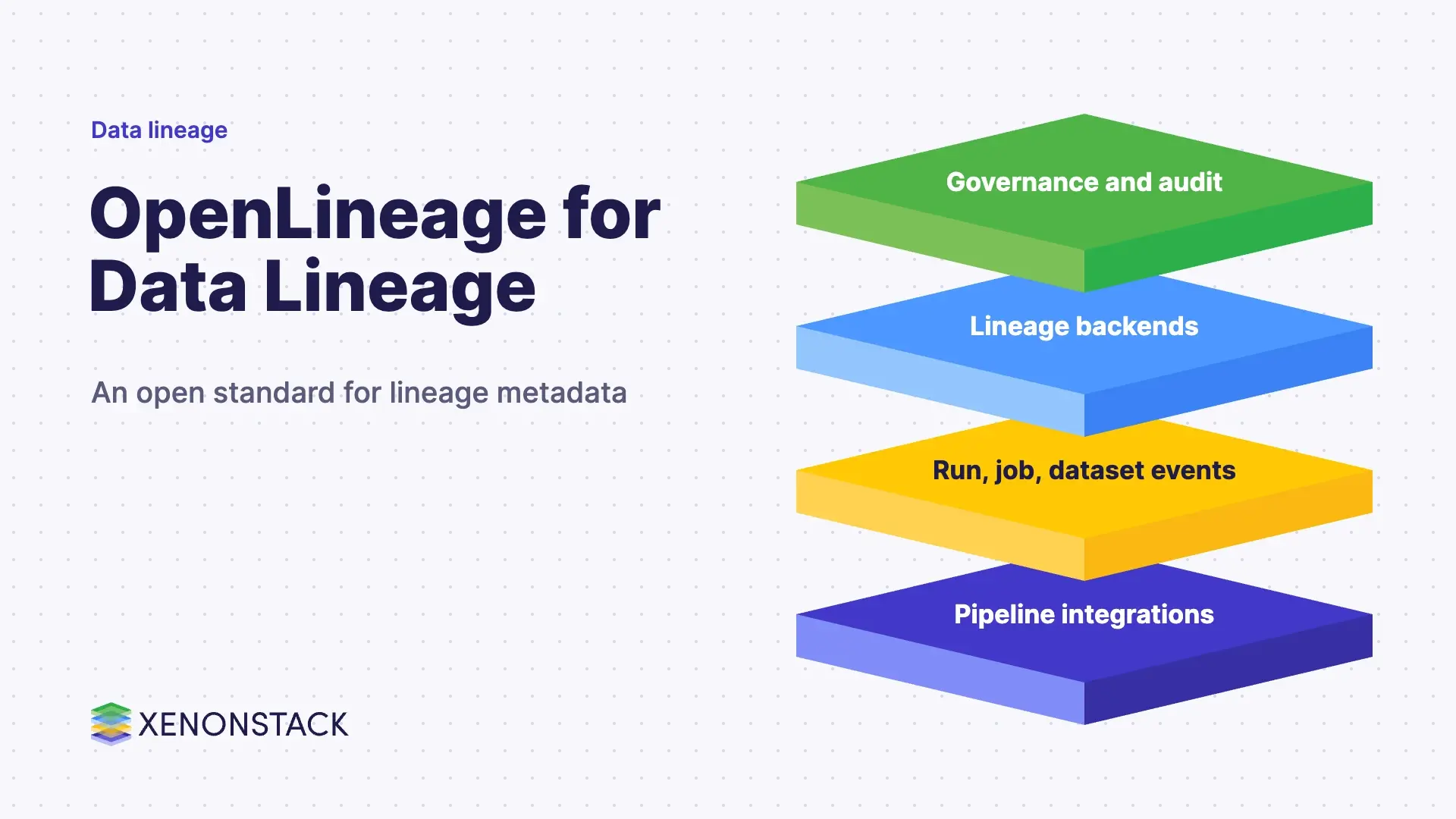
OpenLineage is an open standard for data lineage metadata. See its job, run and dataset model, Flink support and how AI agents depend on lineage.
AWS Glue Data Quality explained: DQDL rules, Catalog vs ETL checks, anomaly detection, documented cost and limits, and when another tool fits better.
Why data quality matters: the business cost, key characteristics, tools and a practical sequence to improve it, for CDOs, CTOs and data leads.
Data quality metrics explained: a formula for each of six dimensions, how to set owned thresholds, report them and avoid misleading averages.


How enterprises run Kubernetes at scale: platform architecture, GitOps delivery, data, security, cost, managed services and AI agents for operations.
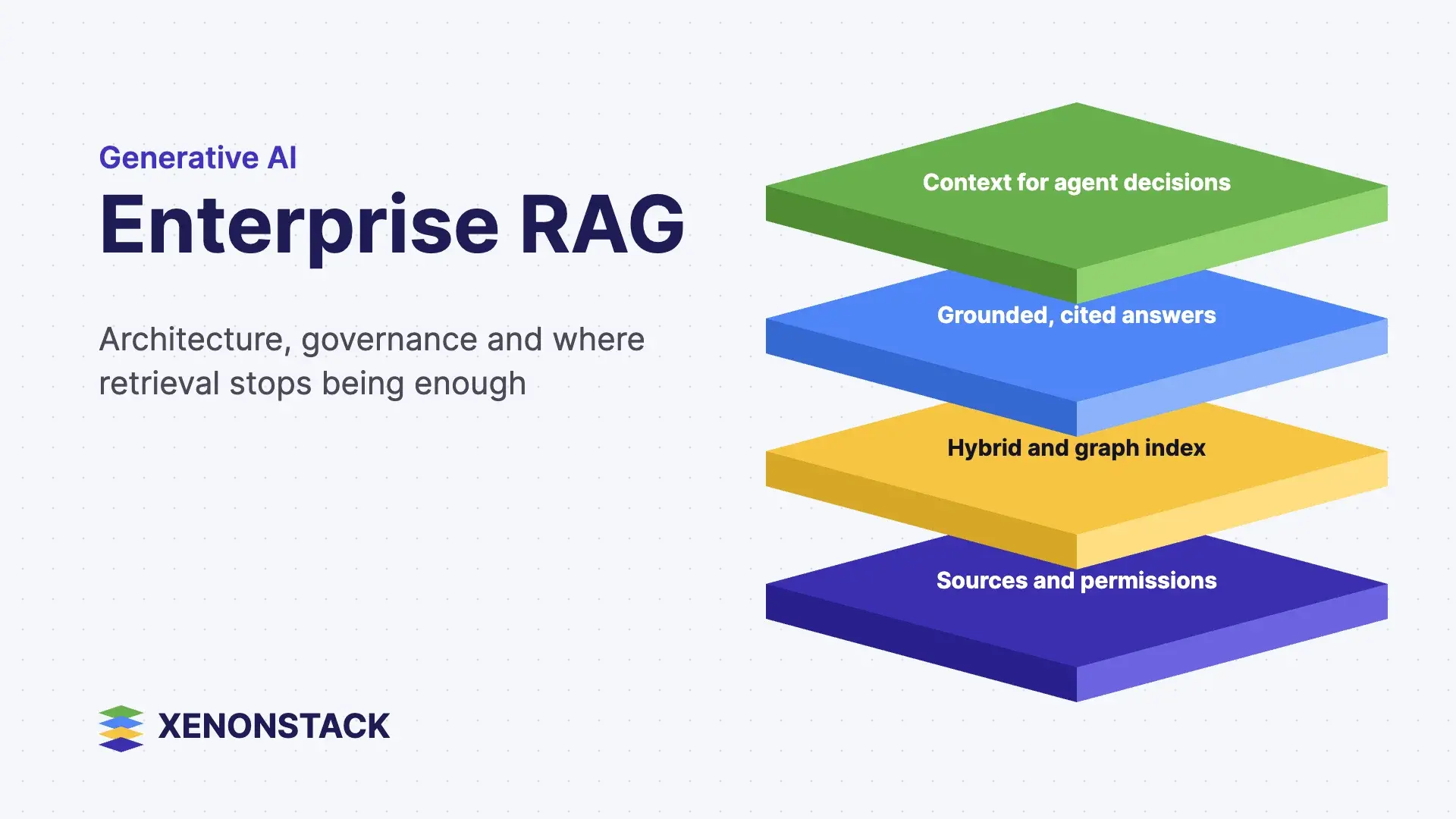
How to build enterprise RAG: architecture, hybrid search, GraphRAG, security, evaluation, and why AI agents need more than retrieval to act safely.
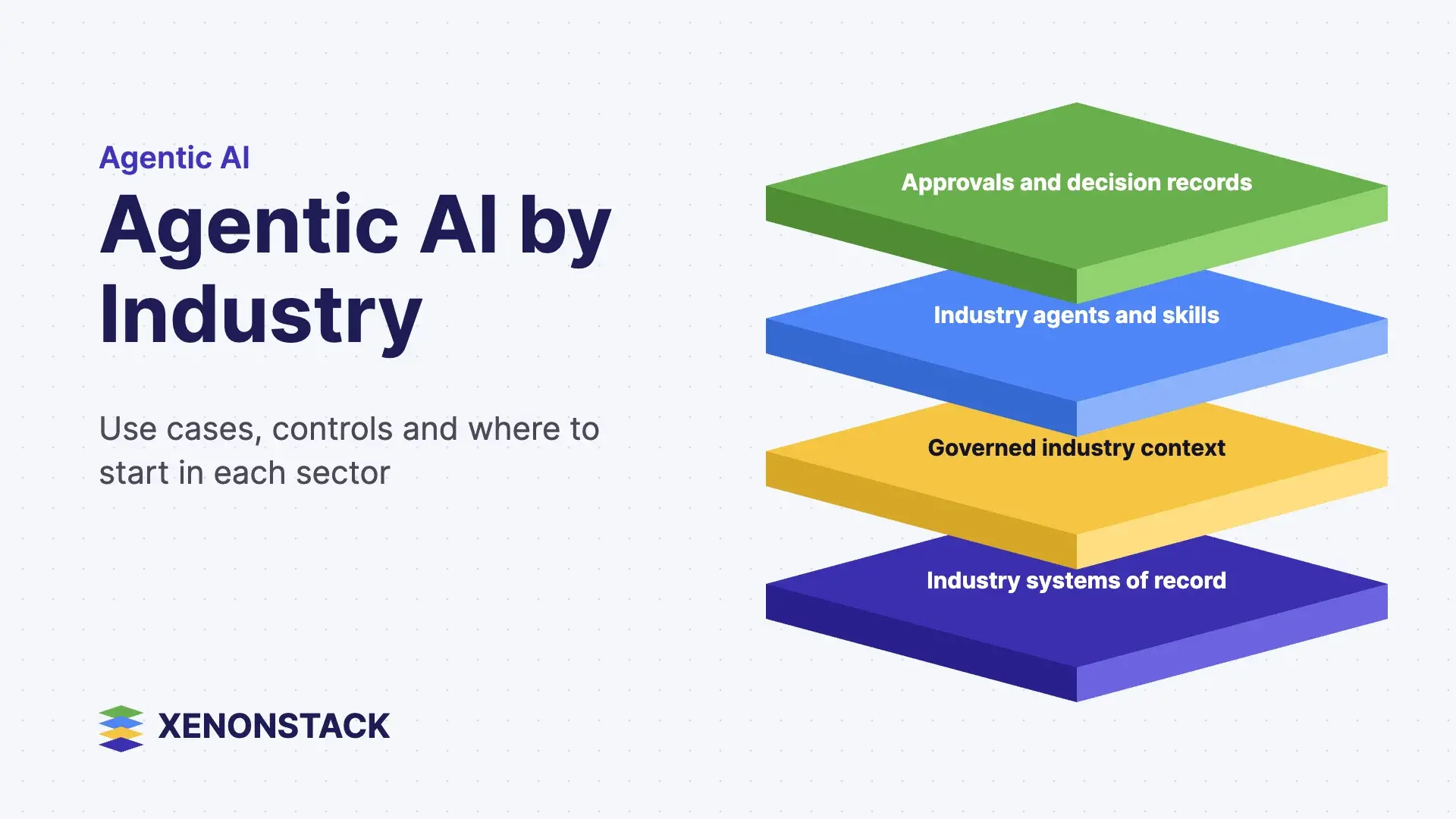
How agentic AI works in banking, healthcare, manufacturing, retail, telecom, logistics and government: use cases, controls, regulation and first ...
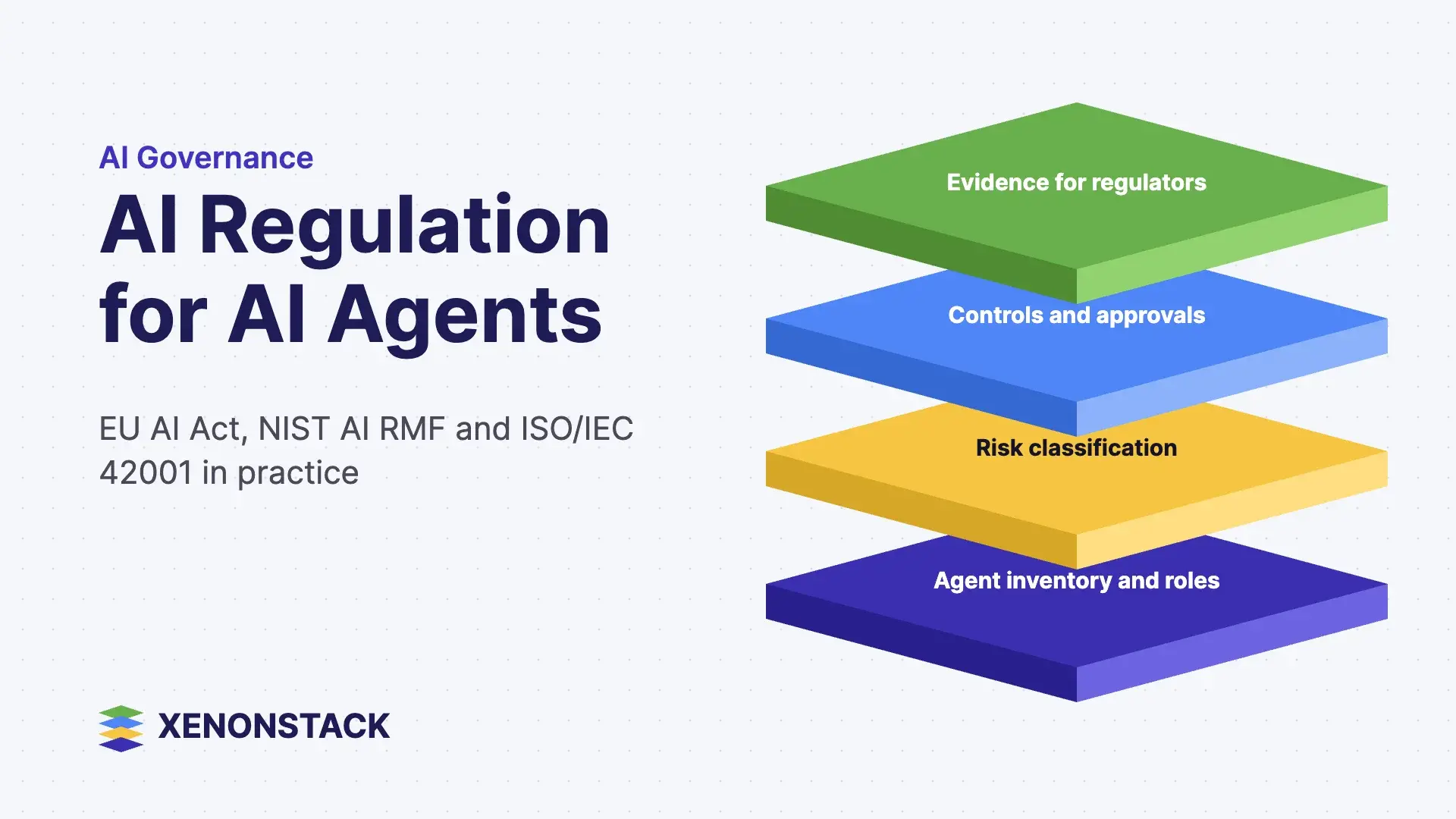
How the EU AI Act, NIST AI RMF, ISO/IEC 42001 and Singapore's agentic AI framework apply to AI agents, with 2026 to 2028 deadlines and controls.
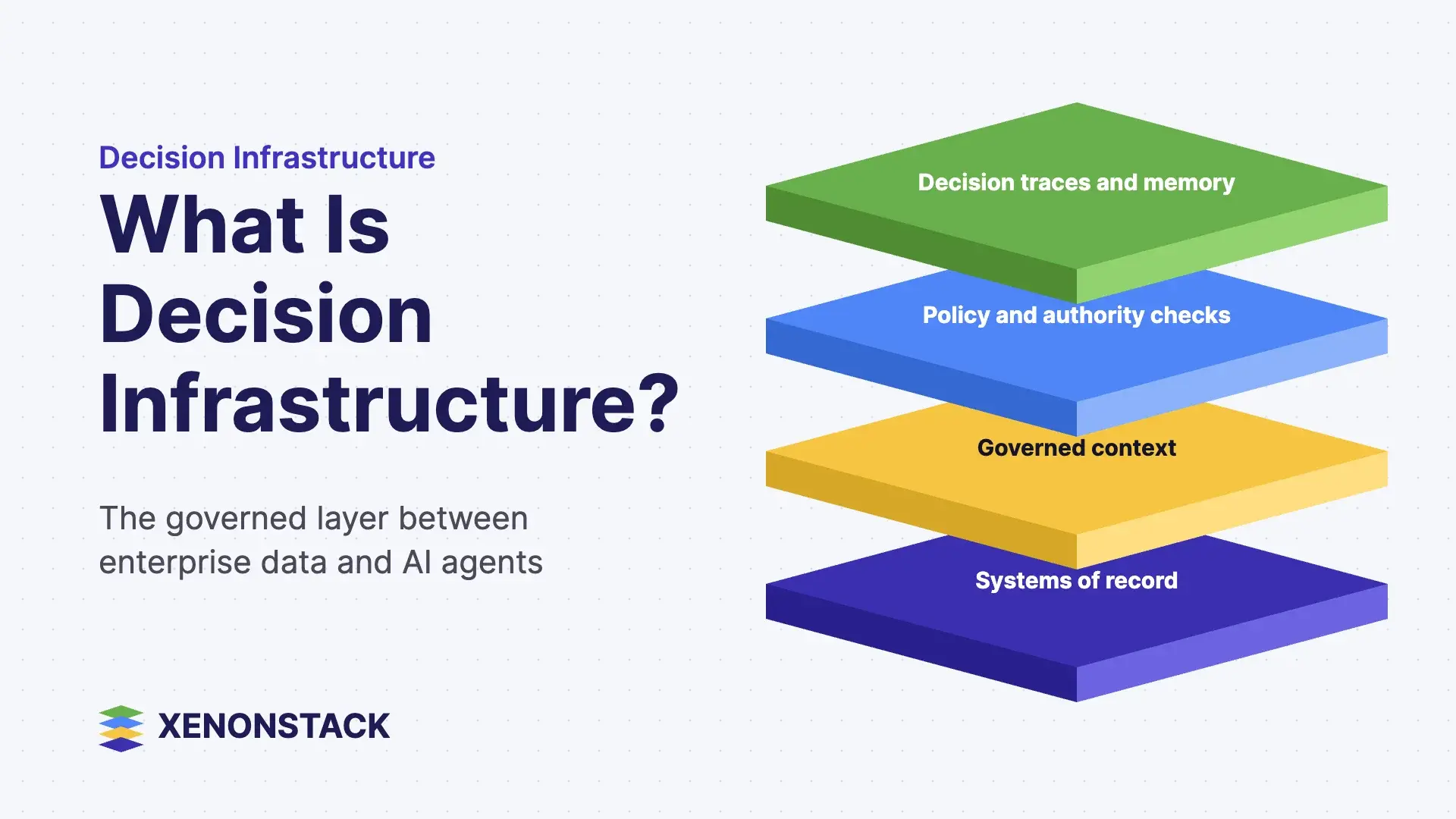
Decision infrastructure governs how AI agents decide: governed context, policy and authority checks, and decision traces. What it is and how to build ...
How generative AI and AIOps cut incident volumes: alert correlation, triage, summaries, runbook automation and post-incident learning, with ...
The transformative impact of ai and emergingtechnologies on the world of finance and banking
6 min | Dr. Jagreet Kaur
Comprehensive approach combines cost forecasting, resource optimization, and financial accountability
4 min | Dr. Jagreet Kaur
Unleashing data agents empowers real-time insights, driving smarter decisions and transforming business operations effectively
5 min | Dr. Jagreet Kaur
AI continuously monitors systems for risks before they escalate. It correlates signals across logs, metrics, and traces. This ensures faster detection, fewer incidents, and stronger reliability
 Proactive detection of performance and availability issues
 Root-cause analysis across microservices and environments
 Automated remediation playbooks to reduce MTTR

AI converts camera feeds into instant situational awareness. It detects unusual motion and unsafe behavior in real time. Long hours of video become searchable and summarized instantly
 Real-time detection of suspicious motion or intrusion
 Natural language video search and instant playback
 Smart summaries for audits, investigations, and compliance

Your data stack becomes intelligent and conversational. Agents surface insights, detect anomalies, and explain trends. Move from dashboards to autonomous, always-on analytics
 Connects to warehouses, lakes, and streaming sources
 Question-answering in natural language
 Continuous monitoring for anomalies and KPI deviations

Agents identify recurring failures and performance issues. They trigger workflows that resolve common problems automatically. Your infrastructure evolves into a self-healing environment
 Automated diagnostics for recurring errors
 Playbook execution: restart services, scale pods, clear queues
 Feedback loop for improving remediation strategies

AI continuously checks controls and compliance posture. It detects misconfigurations and risks before they escalate. Evidence collection becomes automatic and audit-ready
 Continuous control checks across infrastructure and SaaS
 Automated evidence collection for audits
 Risk scoring and prioritized remediation recommendations

Financial and procurement workflows become proactive and insight-driven. Agents monitor spend, vendors, and contracts in real time. Approvals and sourcing decisions become faster and smarter
 Real-time visibility into spend and commitments
 Anomaly detection on invoices and vendor performance
 Intelligent workflows for approvals and sourcing decisions


